I live in Japan, and one of the first questions friends ask before they book flights is “should I fly into Haneda or Narita?” It’s a fair question, because the two airports aren’t interchangeable — one sits close to the city, the other sits closer to Chiba, and the difference shows up the moment you land, tired, and need to figure out how to get to your hotel. There’s no single right answer, but there is a right answer for your specific flight, budget, and itinerary. Here’s how I’d actually think it through.
The quick answer
- Booking with a major international carrier and want the shortest ride into central Tokyo? Choose Haneda (HND) — it’s roughly 30–60 minutes from central Tokyo by train, monorail, or bus.
- Flying a budget airline like Jetstar, Peach, Spring, Zipair, or a carrier that only serves Narita? You may not have a choice — Narita (NRT) still hosts most of Japan’s low-cost carriers and a wider range of international airlines overall.
- Arriving very late at night or on a tight connection? Haneda’s proximity to the city and 24-hour operation make late arrivals far less stressful than Narita’s.
- Comparing similar fares on both airports for the same route? Pick Haneda — you’ll save both time and money getting into the city, which often outweighs a slightly cheaper Narita fare.
- Connecting onward to elsewhere in Japan by Shinkansen the same day? Either works, but Haneda’s shorter transfer time gives you more buffer if your flight lands late.
Haneda vs Narita at a glance
| Haneda (HND) | Narita (NRT) | |
|---|---|---|
| Distance to central Tokyo | About 15 km, 30–60 min by train/monorail/bus | About 60 km, 60–90 min by train/bus |
| Cheapest way into the city | Keikyu Line, from around ¥330 to Shinagawa | Keisei Access/Ltd. Express, roughly ¥1,050–1,300 |
| Fastest way into the city | Tokyo Monorail, ~13–18 min to Hamamatsucho | Keisei Skyliner, ~36–41 min to Ueno/Nippori |
| Airlines | ANA, JAL, Delta, American, United, Air France, British Airways, Cathay Pacific, Korean Air, and other major carriers | Wider overall selection — most LCCs (Jetstar, Peach, Spring, Zipair) plus many European and Southeast Asian carriers JAL and ANA also serve |
| Taxi to Tokyo Station | Roughly ¥7,600 flat-rate, ~30–40 min | Roughly ¥29,000–31,000, ~60–90 min |
| Late-night arrivals | Trains and buses run into the evening; taxi always available | Fewer late options; may need a taxi or overnight if you land very late |
Airline route assignments and fares shift over time as carriers add or drop routes at each airport, so it’s worth a quick check of your specific airline before you assume which airport you’ll land at.

Why Haneda usually wins for convenience
Haneda’s biggest advantage is simply geography — it sits inside Tokyo’s city limits, on reclaimed land in the bay, while Narita is out in Chiba Prefecture. That difference alone turns what could be a 90-minute slog into a 30-minute hop.
- The Tokyo Monorail connects Haneda to Hamamatsucho in about 13 minutes from Terminal 3 on the Haneda Express (a little longer from Terminals 1 and 2), with easy transfers to the JR Yamanote Line.
- The Keikyu Airport Line reaches Shinagawa — a major Shinkansen and JR hub — in around 13 minutes, and connects onward across the city without needing a separate ticket if you’re using an IC card.
- If your hotel is near Shinagawa, Shibuya, or anywhere on the Yamanote Line, you can realistically be checking in within 45 minutes of landing.
- See Suica, Pasmo, and the Welcome Suica for how to tap through both the monorail and Keikyu gates without fumbling for paper tickets after a long flight.
👉 Klook Haneda Airport transfer
Why you might still land at Narita
Narita isn’t a downgrade — it’s simply a different airport with a different job. It remains Japan’s largest international gateway by total passenger volume, and it’s home to most of the budget carriers that don’t fly into Haneda at all.
- If you’re booking a cheap fare on Jetstar, Peach, Spring Airlines, Zipair, or several Southeast Asian and European carriers, Narita’s Terminal 3 is likely where you’ll land — there’s often no Haneda option for that specific airline.
- Narita has more total flight options and destinations, so if you’re chasing the absolute lowest airfare, Narita is where you’ll usually find it.
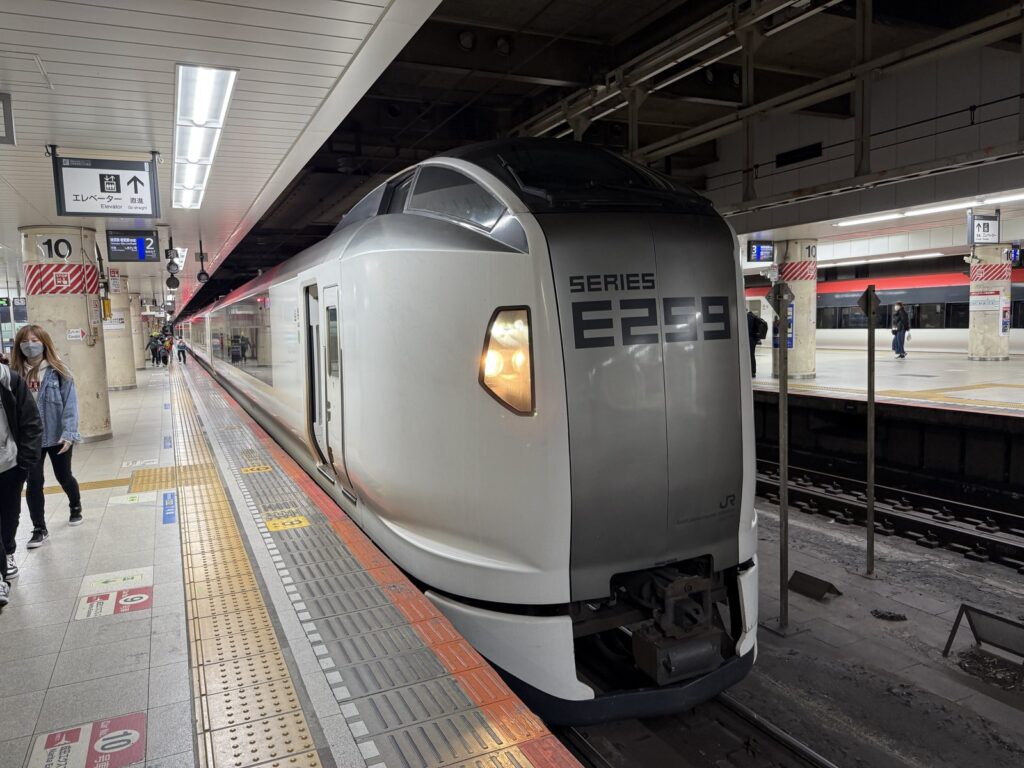
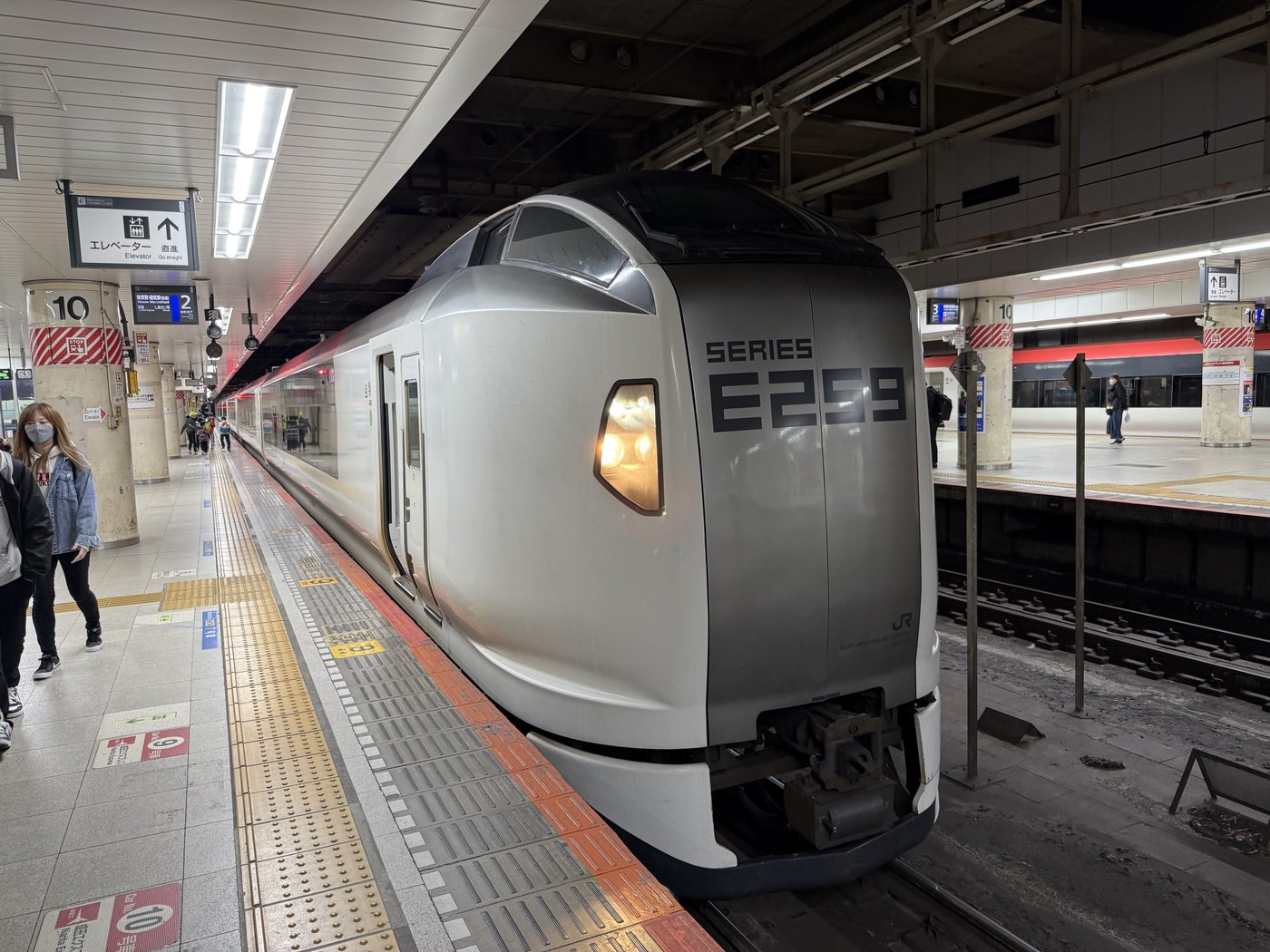
- The tradeoff is the ride in: budget 60–90 minutes and a bit more planning, but the Narita Express, Keisei Skyliner, and Keisei Access/Limited Express all cover the route well — see Narita Airport to Tokyo: All Options Compared for the full breakdown of which to pick.
What actually decides it for most travelers
In practice, most people don’t get to freely choose — your airline decides for you. JAL and ANA fly into both, so if you’re on one of those, check your specific flight number rather than assuming. Everyone else is largely locked into whichever airport their airline actually serves.
- Comparing two similar fares, one via each airport? The time and money you save getting into Tokyo from Haneda usually makes up for a slightly higher ticket price — a ¥3,000 fare difference is easily eaten up by a Narita taxi or an extra hour of your trip.
- Traveling with young kids, heavy luggage, or arriving jet-lagged? Haneda’s shorter transfer is worth prioritizing if your airline gives you the option.
- Building a tight itinerary with a same-day Shinkansen connection? Haneda’s proximity to Tokyo and Shinagawa Stations gives you more breathing room if your flight is delayed.
- On a strict budget chasing the cheapest possible airfare? Don’t avoid Narita — some of the best deals from budget carriers only fly there, and the extra hour into the city is a minor cost against real airfare savings.
If you land and realize you’re missing something for the ride into town — an adapter, a portable charger, a jacket for the weather — don’t stress about it. Both airports have convenience stores and electronics counters right in the arrivals area, and Tokyo itself has a Uniqlo or drugstore on nearly every block if you need to restock once you’re in the city.
FAQ
Is Haneda or Narita closer to Tokyo? Haneda, by a wide margin. It’s about 15 km from central Tokyo versus roughly 60 km for Narita, which translates to 30–60 minutes versus 60–90 minutes into the city.
Can I choose which airport my flight uses? Only indirectly, by choosing your airline. JAL and ANA serve both airports depending on the route, so check your specific flight before assuming. Most other carriers are fixed to one airport or the other.
Which airport has cheaper flights? It varies by route and season, but budget carriers concentrated at Narita often undercut Haneda fares. Compare total cost including your transfer into the city, not just the airfare.
Is it worth paying more to fly into Haneda instead of Narita? For most travelers, a modest fare difference is worth it for the time saved, especially on a short trip or with heavy luggage. On a longer trip, an extra hour on arrival day matters less.
Can I fly into one airport and out of the other? Yes, and plenty of travelers do — flying into Haneda and out of Narita, or vice versa, is common and doesn’t cause problems as long as you plan your final transfer with enough buffer time.
The verdict
If your airline serves both, choose Haneda — the shorter, cheaper ride into central Tokyo makes arrival day meaningfully easier, especially after a long-haul flight. If you’re flying a budget carrier or an airline that only serves Narita, don’t second-guess it — book the flight and plan for the longer transfer using the Narita Express or Skyliner. Either airport gets you to Tokyo just fine; the real decision was already made the moment you picked your airline.
Next: Narita Airport to Tokyo: All Options Compared and Suica, Pasmo, and the Welcome Suica (internal links).
Written from Japan by the Wayfarer Japan team. Some links are affiliate links that support the site at no extra cost to you.