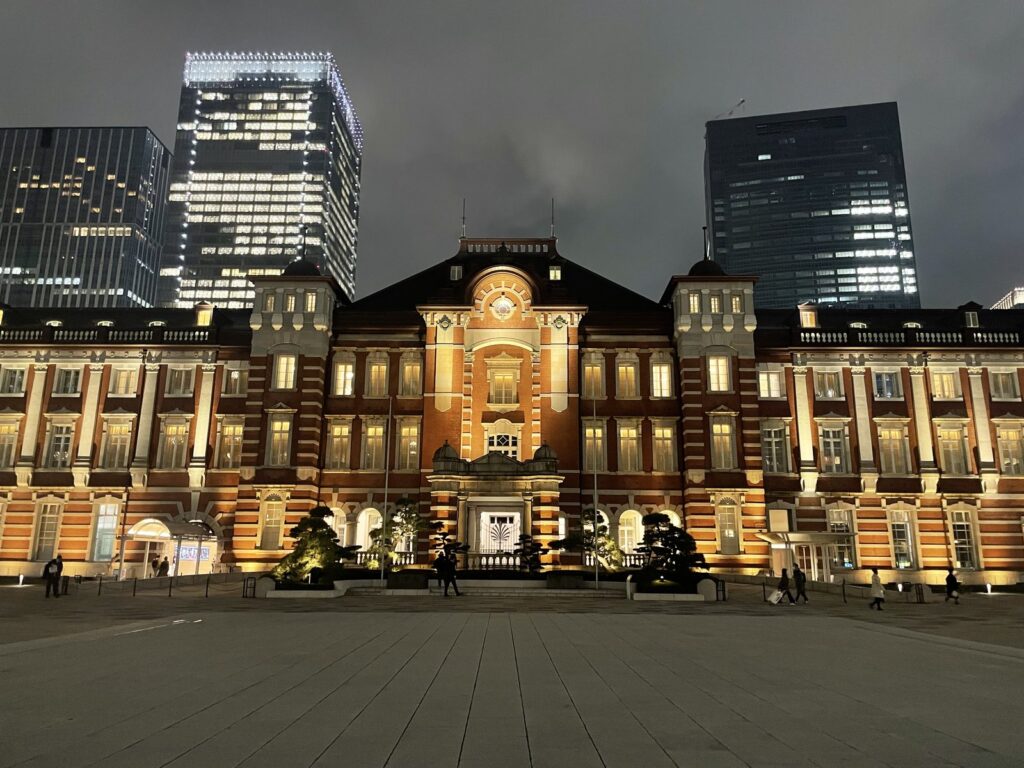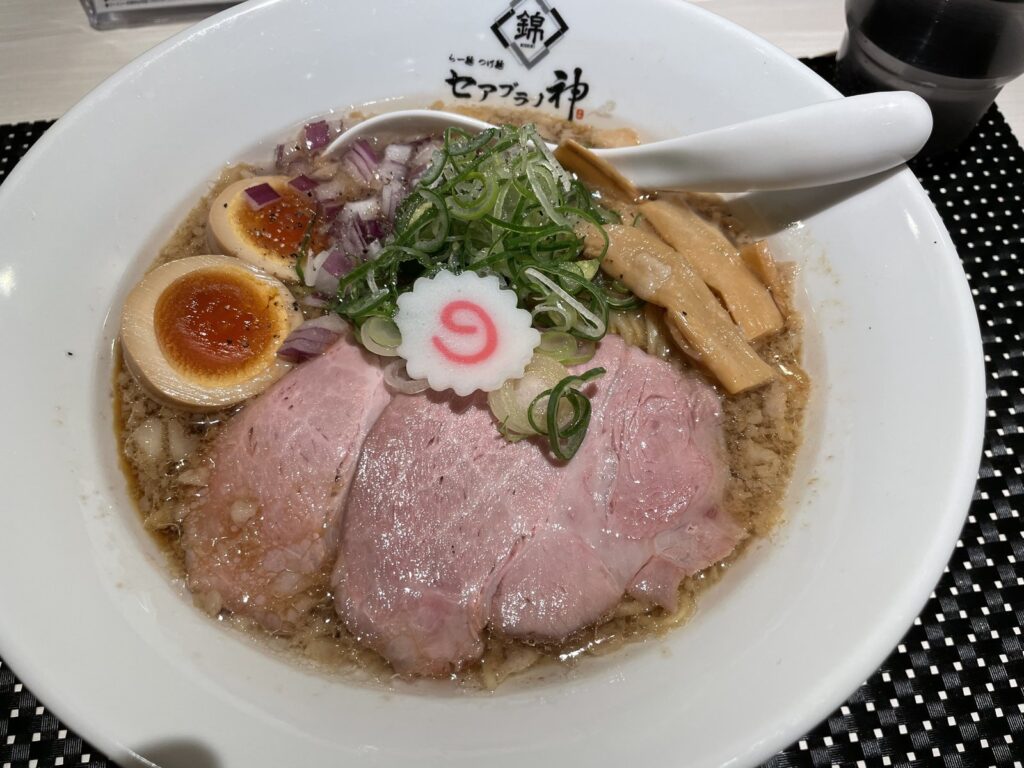
I live in Japan, and ramen is one of those foods where “just get ramen” undersells what’s actually on offer. Walk into a shop in Fukuoka and you’ll get something completely different from a bowl in Sapporo, and both are completely different from what most people picture when they hear the word “ramen” back home. There’s no single dish here — there are regional traditions, broth philosophies, and shop-by-shop obsessions that Japanese diners take as seriously as wine regions. You don’t need to become an expert before your trip, but knowing the basics will help you order with confidence and actually pick the bowl you’ll enjoy most.
The quick answer
- Want a classic, balanced bowl? Order shoyu (soy sauce) ramen — savory, aromatic, and the most common style nationwide, especially in Tokyo.
- Want something rich and filling? Order tonkotsu (pork bone) ramen — creamy, intense pork broth, associated with Fukuoka and Hakata.
- Want something hearty and warming? Order miso ramen — a Sapporo specialty, thick and nutty, great in cold weather.
- Want something light and delicate? Order shio (salt) ramen — the oldest style, clean and simple, good if you want to taste the noodles and toppings clearly.
- Want to try something different from soup ramen? Order tsukemen — noodles and a concentrated dipping broth served separately, best in warmer months.
The four base styles, explained
Almost every ramen shop in Japan builds its menu around one of four broth bases. Understanding these four gets you 90% of the way to ordering confidently anywhere in the country.
| Style | Broth base | Flavor | Where it’s most associated |
|---|---|---|---|
| Shoyu | Soy sauce, usually with chicken or pork stock | Savory, slightly tangy, clear-ish brown broth | Tokyo and nationwide |
| Shio | Salt, chicken or seafood stock | Light, clean, delicate | Hakodate and coastal areas |
| Miso | Fermented soybean paste | Rich, nutty, hearty | Sapporo, Hokkaido |
| Tonkotsu | Pork bones, simmered for hours | Creamy, thick, intensely porky | Hakata/Fukuoka, Kyushu |
Shoyu is the style most Japanese people default to when you say “ramen” with no qualifier — a soy-based broth, usually built on a chicken or pork stock, with medium-thick curly or straight noodles. It’s savory rather than heavy, and a safe first order if you’re not sure what you want.
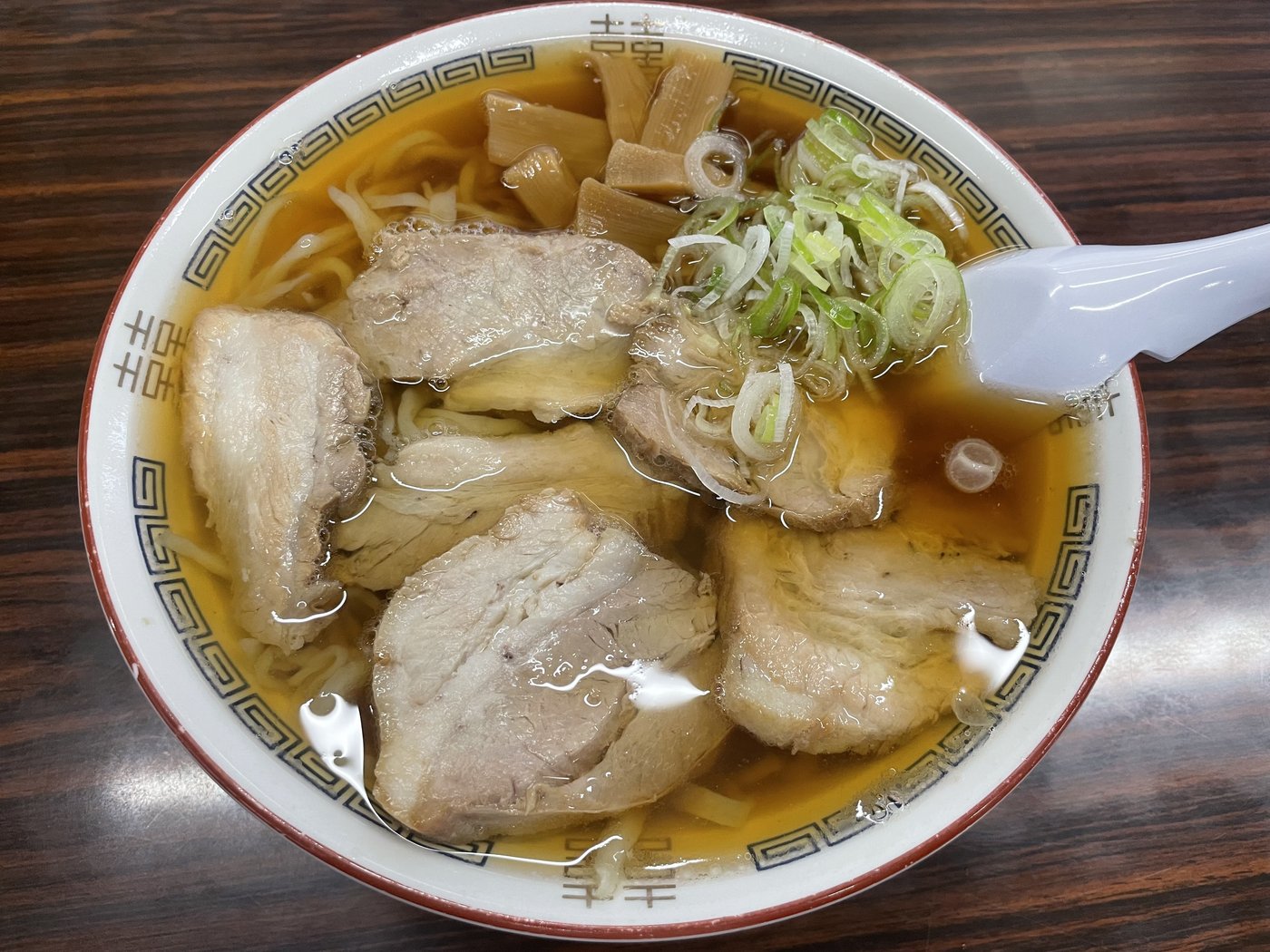
Shio is actually the oldest of the four styles historically, built on a clear chicken or seafood stock seasoned mainly with salt. It’s the lightest option on this list, and a good choice if you want the noodles and toppings — bamboo shoots, soft-boiled egg, chashu pork — to come through clearly rather than being masked by a heavy broth.
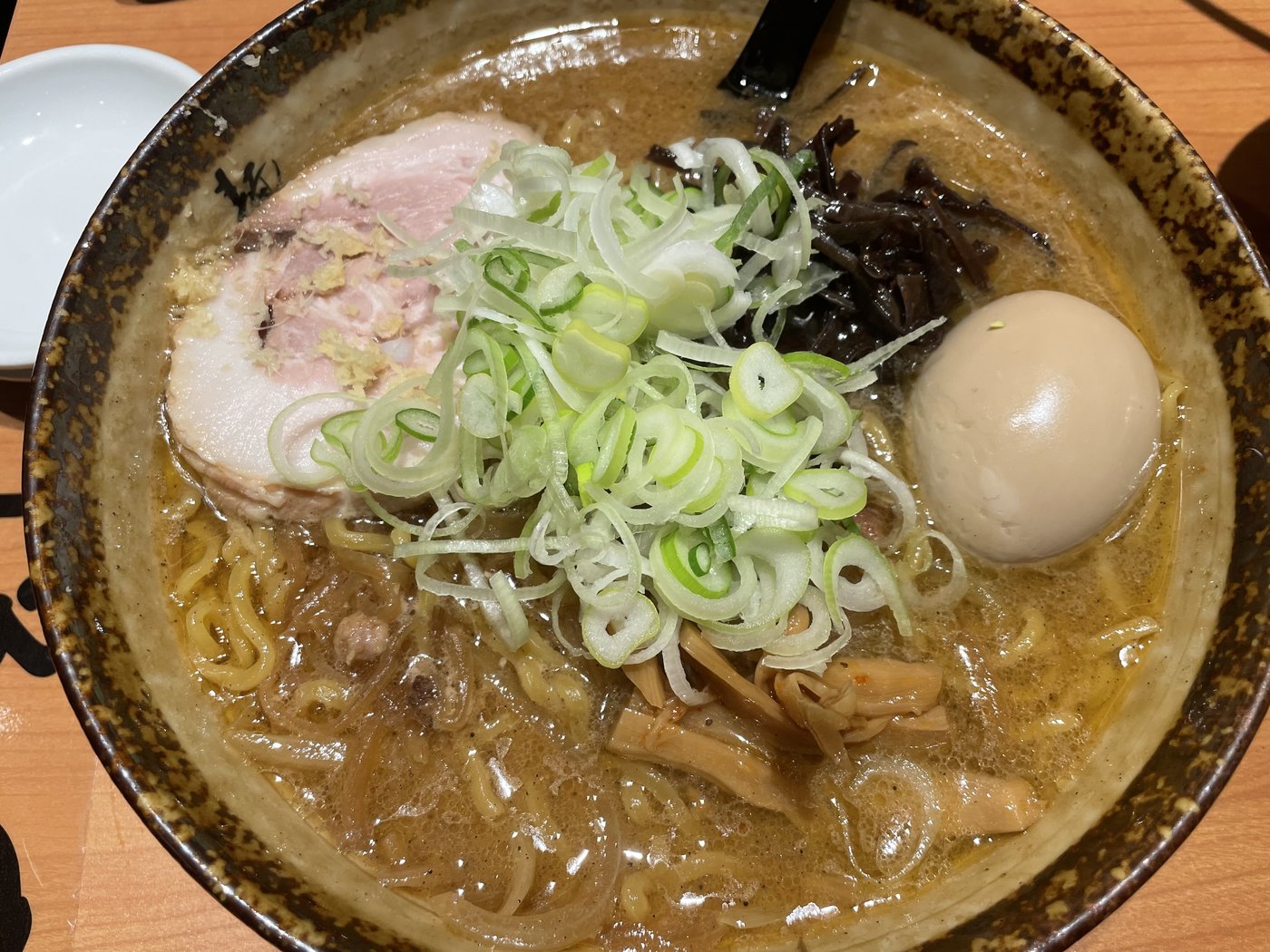
Miso ramen is a Hokkaido specialty that spread nationwide from Sapporo. The broth is thick enough to cling to the noodles, often built with garlic, ginger, and sometimes butter or corn as toppings, which makes it feel more like a stew than a soup on a cold day.
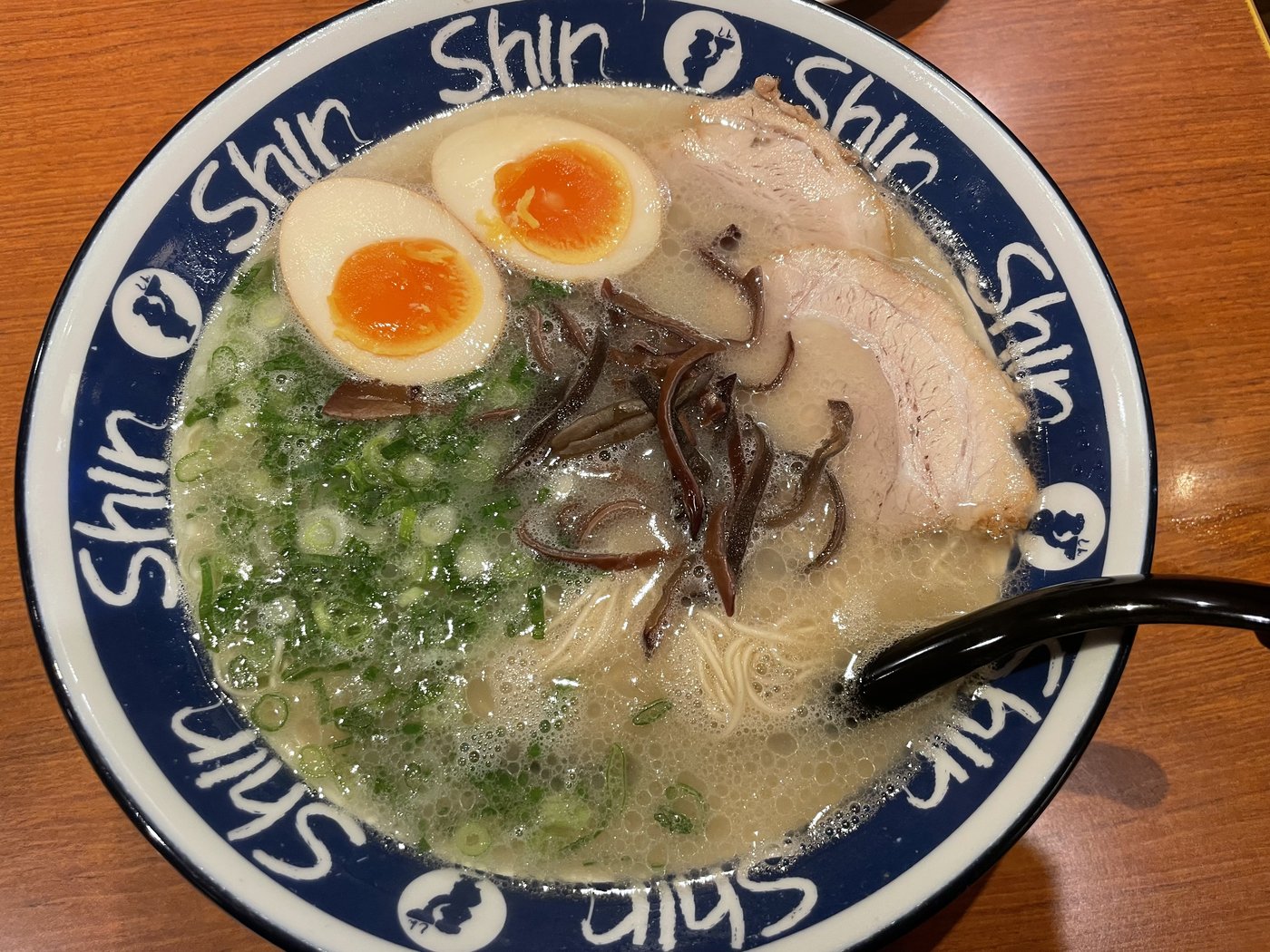
Tonkotsu is the style most visitors already recognize, thanks to Hakata-style shops that have opened branches worldwide. Pork bones are boiled for 10-plus hours until the broth turns cloudy white and thick. It’s rich and filling, usually served with thin, straight noodles and pickled ginger (beni shoga) on the side.
Regional styles worth seeking out
Beyond the four base broths, Japan has strong regional ramen traditions tied to specific cities — worth planning a bowl around if you’re passing through.
- Hakata ramen (Fukuoka) — the most famous tonkotsu style, with very thin noodles and a system called kaedama, where you order a small refill of noodles once you finish the first batch, so the noodles never sit too long in the broth and go soft.
- Sapporo miso ramen (Hokkaido) — thick, buttery, and built for cold weather; a trip to Hokkaido is a good excuse to also try Hakodate’s shio and Asahikawa’s shoyu, giving you three distinct Hokkaido styles in one visit.
- Kitakata ramen (Fukushima) — a lighter soy-based broth with flat, wavy noodles, often eaten for breakfast locally.
- Yokohama Iekei ramen — a hybrid style that blends tonkotsu richness with a soy base, usually topped with a slab of nori and spinach.
- Wakayama ramen — sits between Tokyo’s shoyu and Hakata’s tonkotsu in richness, with a soy-pork broth that’s heavier than shoyu but clearer than tonkotsu.
If you want to sample several regional styles without traveling around the country, the Shin-Yokohama Ramen Museum, about 30 minutes from central Tokyo by train, recreates a 1958 Japanese streetscape with shops representing different regional styles under one roof.
👉 Klook Shin-Yokohama Ramen Museum ticket
Beyond soup ramen: tsukemen and other variations
Not every ramen-adjacent dish comes as a bowl of noodles swimming in broth.
- Tsukemen serves the noodles cold or at room temperature on a separate plate, with a small bowl of concentrated, often thicker broth for dipping. It’s popular in Tokyo, especially in warmer months when a hot bowl of soup is less appealing.
- Tantanmen is Japan’s take on Sichuan dan dan noodles — a spicy, sesame-forward broth, often with ground pork, and usually spicier than standard ramen styles.
- Abura soba (mazesoba) skips broth entirely — noodles are tossed in a savory sauce and oil instead, then mixed tableside.
- Tsukemen and mazesoba shops are common around Shinjuku and Shibuya if you want to try something beyond a classic soup bowl during your trip. See 15 Best Things to Do in Tokyo for other food experiences worth booking ahead in the same neighborhoods.
How to actually order in Japan
Most ramen shops — especially casual ones — use a ticket vending machine (shokken-ki) by the entrance rather than table service. You pick your bowl and any add-ons (extra chashu, egg, noodle portion) from buttons on the machine, pay with cash or increasingly IC card, and hand the ticket to staff when you sit down. Machines are usually in Japanese only, but photos above the buttons make it manageable even without reading kanji, and staff are used to helping confused visitors point at what they want.
A few practical notes:
- Most bowls run ¥800–¥1,300, with tonkotsu and specialty bowls with extra toppings landing toward the higher end.
- Slurping is normal and not rude — it’s how locals cool the noodles and is considered part of enjoying the dish.
- Meals move fast at counter-style shops; lingering to chat after finishing is uncommon, especially at lunch.
- If you’re using an IC card like Suica or PASMO to pay elsewhere in the city, check whether the shop’s machine accepts it — many older, smaller shops are still cash-only. See Suica vs PASMO vs Welcome Suica if you haven’t set one up yet.
If you’d rather have a guide walk you through ordering, a tasting menu, and shop-hopping in one evening, a food tour through neighborhoods like Shinjuku’s Omoide Yokocho covers ramen alongside other local specialties.
👉 GetYourGuide Tokyo ramen food tour
FAQ
What’s the most popular type of ramen in Japan? Shoyu (soy sauce) ramen is the most common nationwide and the default most Japanese people picture, though tonkotsu is probably the best-known style internationally thanks to Hakata-style chains that have expanded abroad.
Which ramen style is spiciest? Tantanmen is typically the spiciest mainstream option, built on a sesame-and-chili broth inspired by Sichuan dan dan noodles. Some tonkotsu shops also offer a spicy version with chili oil or miso.
Is ramen a full meal or a snack in Japan? It’s treated as a proper meal, usually eaten quickly at lunch or as a late dinner, often after drinking. It’s rarely a shared or lingering dining experience the way it might be framed abroad.
Do I need to know Japanese to order ramen? No — most shops use picture-based ticket machines, and staff are accustomed to helping visitors. Learning “ramen,” the broth name (shoyu, shio, miso, tonkotsu), and “arigatou” covers most interactions.
Is ramen from a convenience store or instant packet close to the real thing? It’s a reasonable snack in a pinch, but nothing like fresh shop ramen — the noodles and broth are both simplified for shelf life. Worth trying once for curiosity, but don’t let it replace an actual shop visit.
The verdict
If you only try one style, make it whatever your city is known for — tonkotsu in Fukuoka, miso in Sapporo, shoyu almost anywhere else. Beyond that, the fun is in comparing: order shio one day and tonkotsu the next, and you’ll start noticing the differences that Japanese diners debate endlessly. Don’t overthink the vending machine, don’t worry about slurping too loudly, and don’t skip a shop just because the line looks long — in Japan, a line outside a ramen counter is usually the best recommendation you’ll get.
Next: 15 Best Things to Do in Tokyo and Suica vs PASMO vs Welcome Suica (internal links).
Written from Japan by the Wayfarer Japan team. Some links are affiliate links that support the site at no extra cost to you.