I live in Japan, and the question I get asked most often by friends planning a visit is not “what should I see” — it’s “how much money do I need?”
The honest answer is that Japan has stopped being the bargain it was in 2023 and 2024, but it has not become expensive in the way people fear. Hotels have gone up a lot. Food has barely moved. Trains have crept up. And in 2026 there are three specific changes — a tripled departure tax, Kyoto’s new lodging tax, and a complete overhaul of tax-free shopping in November — that will quietly affect what you pay.
Here is what things actually cost, in yen, with the caveat that every number below is approximate and worth confirming before you book.
The quick answer
- Mid-range, excluding international flights: roughly ¥20,000–30,000 per person per day. That’s a business hotel, three proper meals, trains and a paid attraction or two.
- Backpacking it: ¥8,000–13,000 a day is genuinely liveable here. Comfortable: ¥45,000–70,000+.
- Accommodation is the line that moved. Tokyo’s average nightly rate hit about ¥33,000 in May 2026, up roughly 13% year on year. Kyoto is not far behind.
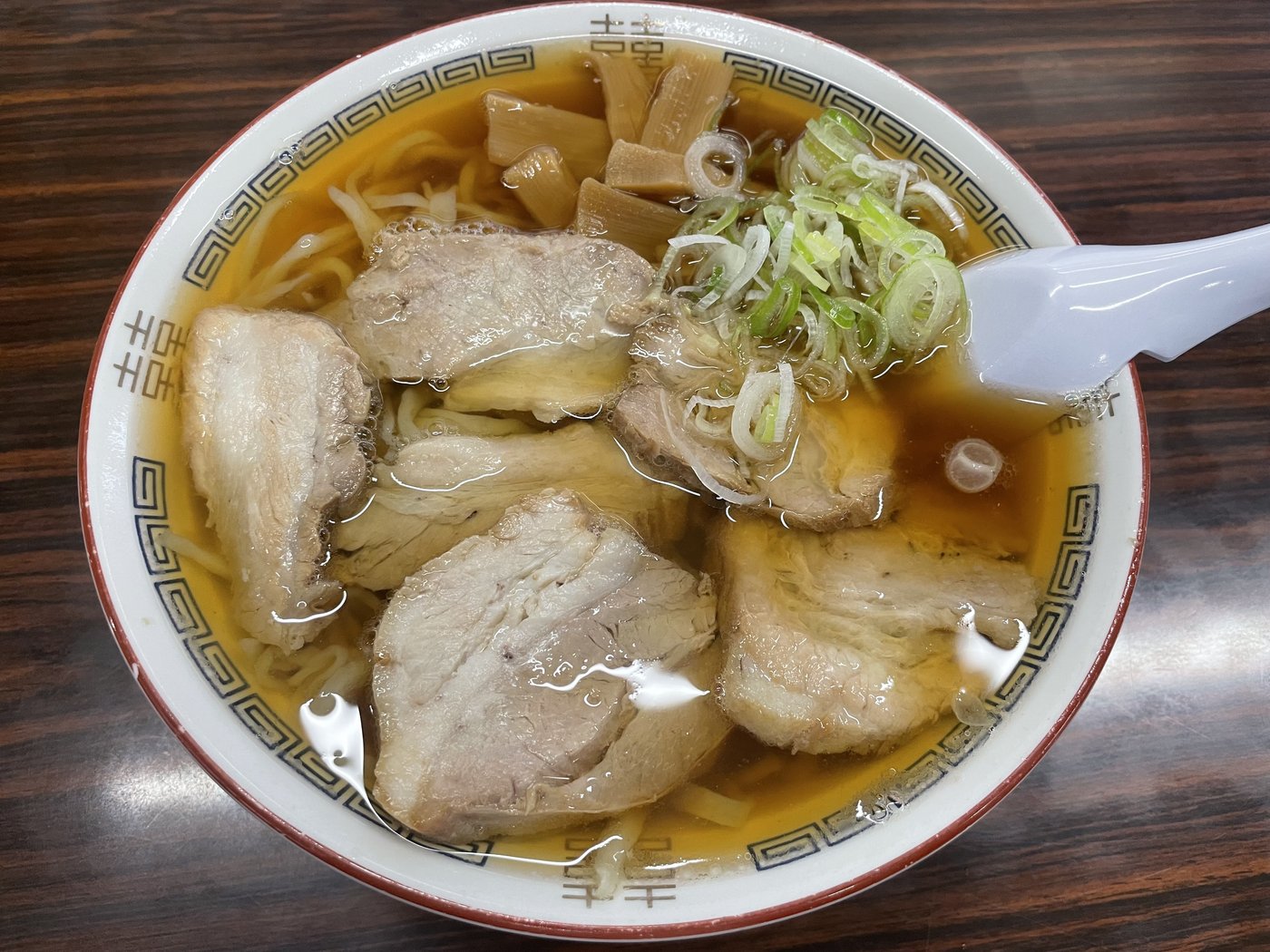
- Food is still the bargain. A very good bowl of ramen is ¥1,000–1,400. That has hardly changed in a decade.
- The Japan Rail Pass is ¥53,000 for 7 days, up from ¥50,000 since 1 October 2026 — and for most first trips it does not pay for itself.
- New in 2026: departure tax is now ¥3,000, Kyoto’s lodging tax runs up to ¥10,000 a night, and from 1 November tax-free shopping becomes a refund-at-the-airport system.
At around ¥159 to the US dollar in mid-2026, ¥10,000 is roughly $63. Check the live rate before you convert anything below.
What the average visitor actually spends
Japan’s tourism agency surveys this, and the number is a useful sanity check. In the April–June 2026 quarter, the average foreign visitor spent about ¥244,457 during their stay — around ¥221,000 in the January–March quarter. That figure excludes international airfare and covers trips of wildly different lengths, but it tells you something: the typical visitor is spending roughly a quarter of a million yen on the ground, not a million.
If your own plan lands in that neighbourhood, you are normal.
Flights: the part you can’t control
Return fares from Europe or North America swing from about ¥90,000 to ¥250,000 depending on season and how far ahead you book. Peak is late March to early April (cherry blossoms), Golden Week (late April to early May), and mid-August. Cheapest is typically late January, February, and early December.
One structural tip that saves real money and a wasted day: fly into Tokyo and out of Osaka Kansai, or the reverse. Airlines price these open-jaw tickets at roughly the same as a return, and you skip the backtrack. My Perfect 7-Day Japan Itinerary is built around exactly this.
Accommodation: the biggest line in 2026
This is where Japan got expensive, and there is no point pretending otherwise. Inbound numbers hit record highs in 2025, and hotel rates followed.
| Type | Realistic 2026 nightly rate |
|---|---|
| Hostel dorm bed | ¥4,000–7,000 |
| Capsule hotel | ¥5,000–9,000 |
| Business hotel (regional city, off-peak) | ¥8,000–14,000 |
| Business hotel (central Tokyo/Kyoto) | ¥13,000–22,000 |
| Mid-range Western-style hotel | ¥25,000–40,000 |
| Ryokan with dinner and breakfast | ¥30,000–60,000 per person |
Averages run higher than that table suggests — Tokyo’s average daily rate was about ¥33,168 in May 2026 and Kyoto’s hit a record ¥31,296 in April — because averages include luxury properties and peak dates. You can still book well under the average by avoiding cherry blossom season, Golden Week and the mid-August Obon window.
Two ways to cut this line meaningfully. First, sleep one or two stops outside the centre: in Tokyo, staying near Ueno, Asakusa or Kinshicho rather than Shinjuku routinely saves ¥4,000–6,000 a night for a five-minute difference in commute. Where to Stay in Tokyo breaks the areas down properly. Second, mix accommodation types — most people do not want six nights of ryokan, and one well-chosen ryokan night is the memory anyway. Hotel vs Ryokan covers when each is worth it.
Food: still the cheapest good food in the developed world
Nothing about eating in Japan has become expensive. These are the prices I pay, this month:
- Convenience store onigiri ¥150–250, a decent bento ¥500–750, conveni drip coffee ¥120–180
- Gyudon or a standing soba bowl ¥500–800
- Ramen ¥1,000–1,400
- A set lunch (teishoku) at a normal restaurant ¥900–1,500
- Izakaya dinner with a couple of drinks ¥3,000–5,000 per person
- Department store basement food hall, after 7pm, when everything is discounted: whatever you want, for half price
A realistic food budget is ¥3,500–6,000 per person per day eating well and sitting down for dinner. You can do ¥2,000 comfortably on convenience store breakfasts and cheap lunches without it feeling like deprivation — konbini food here is genuinely good, which is not a claim most countries can make.
Consumption tax is 10%, or 8% on food and drink taken away. Tipping does not exist here, and leaving cash on the table will get you chased down the street.
Transport: and why the Japan Rail Pass usually isn’t the saving
City transport is cheap. A Tokyo subway ride is ¥180–330, and most days of walking-plus-trains come to ¥800–1,500. Load an IC card and stop thinking about it — Suica vs PASMO vs Welcome Suica explains which card applies to you.
Intercity is where the money is. Tokyo to Kyoto on the Nozomi is about ¥14,170 reserved; the Hikari, which the Japan Rail Pass covers, is about ¥13,850 reserved and ¥13,320 unreserved. Japanese train pricing is a base fare plus an express surcharge, which is why the numbers look odd until someone explains it — Japan Train Fares Explained does that.
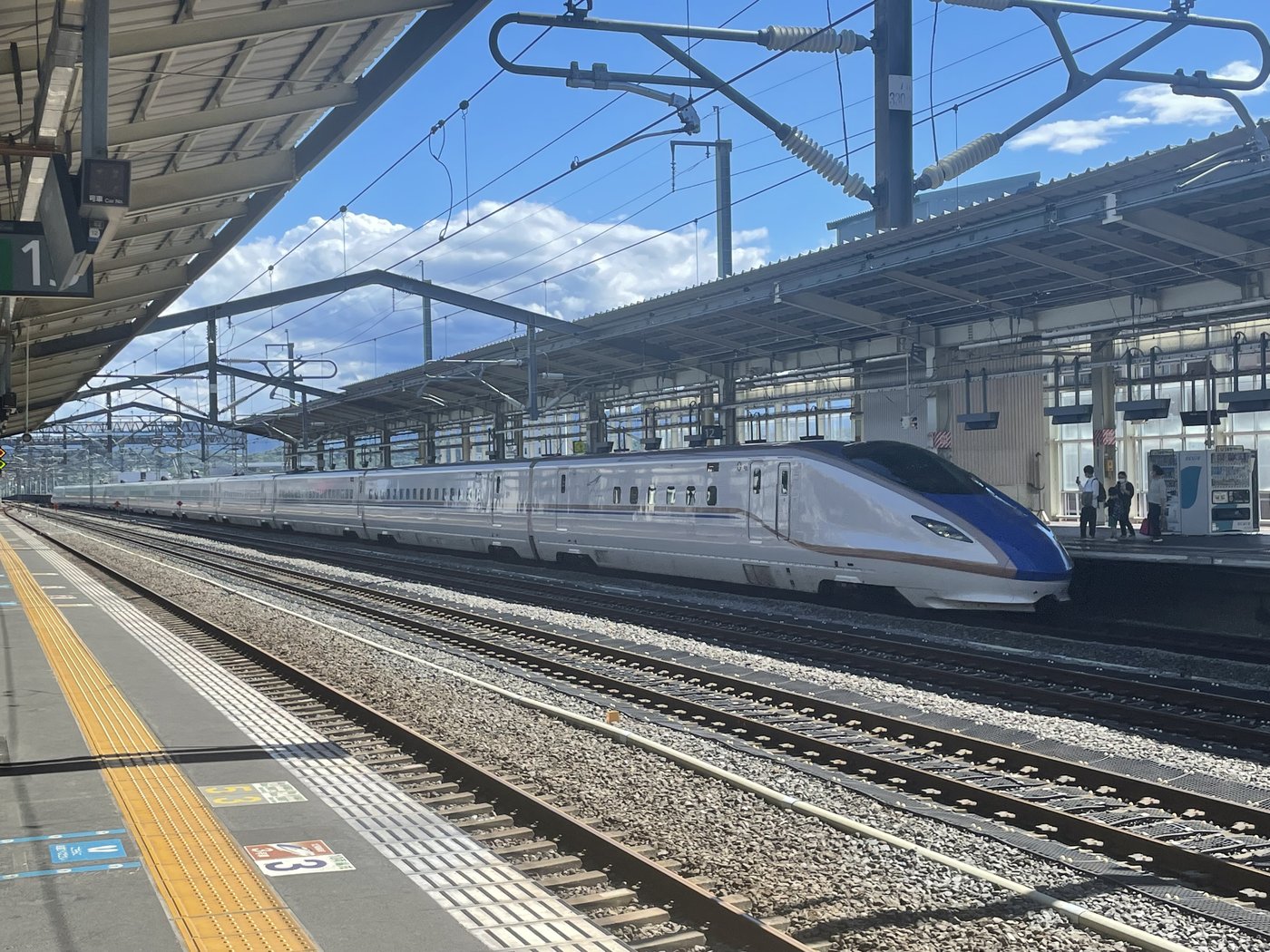
Now the pass. The nationwide Japan Rail Pass (commonly called the JR Pass) is ¥53,000 for 7 days, ¥84,000 for 14 and ¥105,000 for 21, up from ¥50,000/¥80,000/¥100,000 before 1 October 2026. The break-even is high. A classic Tokyo–Hakone–Kyoto–Osaka first trip generates roughly ¥19,000 of JR travel. Buying the pass for that route costs you ¥34,000 for nothing.
The pass wins when you are genuinely covering distance — Tokyo to Hiroshima and back inside a week, or a loop that adds Kanazawa or Tohoku. I go through the arithmetic properly in Is the Japan Rail Pass Worth It?. If your route does clear the threshold, buying online before you arrive is the cheapest and least painful route.
Regional passes are the underrated middle ground — a Kansai-area or Hakone-area pass often saves more than the national one, at a fraction of the price.
Attractions, connectivity and the small stuff
Most temples and shrines cost ¥300–800 to enter, and many of the best ones are free. Museums run ¥1,000–2,500. The expensive tickets are the specific attractions people fly in for: teamLab around ¥3,600–5,600, theme parks ¥8,000–12,000, a half-day guided tour ¥8,000–15,000.
Data is a small line that people over-budget. A travel eSIM for a two-week trip typically runs ¥1,500–4,000 depending on data volume. As a resident I use a domestic carrier plan, not a tourist eSIM, so I judge these on what visiting friends report back and on independent speed tests rather than personal use — that comparison lives in Best eSIM for Japan.
And the reassuring part: you do not need to buy everything before you fly. Forgot an umbrella? ¥700 at any convenience store. Underpacked for the weather? Uniqlo or GU, ¥2,000–4,000, in every city. No power bank? Electronics stores sell them cheaply and ChargeSPOT rental lockers are all over the place for a few hundred yen. Budget for a little slack rather than for a shopping list.
The 2026 taxes nobody mentions
Departure tax: ¥3,000. Tripled from ¥1,000 for departures from 1 July 2026. It is collected inside your airfare, so there is nothing to pay at the airport, but it is real money on a family of four.
Lodging tax. Tokyo and Osaka have charged a modest per-night tax for years. Kyoto revised its system on 1 March 2026 into five tiers, per person per night: ¥200 under ¥6,000, ¥400 up to ¥20,000, ¥1,000 up to ¥50,000, ¥4,000 up to ¥100,000, and ¥10,000 above that. For normal hotels this adds ¥400–1,000 a night. For a luxury stay it is significant. It is often collected at check-in rather than in your booking total, so read the fine print.
Tax-free shopping changes on 1 November 2026. Until then, you show your passport at a registered store and the 10% consumption tax simply comes off at the till. From 1 November, you pay the full price including tax and claim the refund at the airport before departure. Nothing about the total cost changes, but your cash flow during the trip does — if you are planning serious shopping after that date, budget for paying the extra 10% up front and getting it back later, and leave real time at the airport.
Three budgets for a 10-day trip
Per person, excluding international flights, assuming two people sharing a room where relevant.
| Shoestring | Mid-range | Comfortable | |
|---|---|---|---|
| Accommodation | ¥45,000 | ¥95,000 | ¥250,000 |
| Food | ¥25,000 | ¥45,000 | ¥90,000 |
| Transport | ¥25,000 | ¥40,000 | ¥55,000 |
| Attractions & tours | ¥8,000 | ¥25,000 | ¥60,000 |
| Data, taxes, extras | ¥8,000 | ¥12,000 | ¥20,000 |
| Total | ¥111,000 | ¥217,000 | ¥475,000 |
The mid-range column is close to the national average visitor spend, which is a good sign it is honest.
Where the money actually leaks
Four things, in the order I see them happen:
- Taxis. Tokyo flagfall is around ¥500 and it climbs fast. Three taxi rides a day is a hotel night.
- Moving hotels too often. Every change costs half a day and often a paid luggage forwarding or locker fee.
- Airport express trains, twice a day, out of habit. They are worth it on arrival when you are exhausted. They are not always worth it otherwise.
- Peak dates. Cherry blossom season, Golden Week and Obon can double accommodation for identical rooms. Shifting your trip by ten days is the single largest saving available to you.
FAQ
Is Japan more expensive than Europe? Cheaper for food and city transport, comparable for hotels in Tokyo and Kyoto now, cheaper for intercity travel if you avoid the pass trap. Overall, most visitors find it lands somewhere near southern Europe.
Do I need cash? Less than you used to. Cards and IC cards work almost everywhere in cities. Small restaurants, shrines, some markets and rural buses are still cash-only. Carrying ¥10,000–20,000 covers you.
Is the Japan Rail Pass ever worth it? Yes, when your route genuinely covers long distances in a short window. For a Tokyo–Kyoto–Osaka first trip, no.
How much should I budget for a family of four? Roughly 2.6–3× a solo mid-range budget, not 4× — rooms and some passes scale better than people expect, and children’s train fares are half price.
Are prices still rising? Hotels, yes. Food and transport, only slowly. Book accommodation early; leave everything else until closer.
The verdict
For a 10-day first trip in 2026, budget around ¥200,000–230,000 per person on the ground, plus flights, and you will have a comfortable trip without counting yen at dinner. Halve it and you will still eat well and see everything — Japan is unusually kind to a small budget, because the cheap options here are good rather than merely cheap.
Spend your money on accommodation in the right neighbourhood and on the two or three experiences you actually flew here for. Do not spend it on a rail pass you will not use, or on buying in advance what a convenience store will sell you for ¥500 on the corner.
Written from Japan by the Wayfarer Japan team. Prices are approximate and change — confirm current fares and rates before booking.