Shinjuku is the single most popular place to stay in Tokyo, and it sits on the opposite side of the Yamanote loop from Haneda. That one geographic fact is why this journey is slightly more annoying than Haneda to Shinagawa or Ginza, and why the direct bus — which I would usually tell you to skip — is genuinely worth considering here.
I live in Japan and travel through Haneda regularly, and I have made this exact trip in most of the ways described below. Nothing here takes more than about an hour. But the gap between the cheapest option and the most comfortable one is bigger than you might expect, and it depends almost entirely on how much luggage you are dragging and which side of Shinjuku Station your hotel is on.
The quick answer
- Cheapest and usually fastest: Keikyu to Shinagawa, then the JR Yamanote Line. About ¥590 total, roughly 45 minutes, one transfer, no reservation, trains every few minutes.
- Most comfortable: the Airport Limousine Bus to Busta Shinjuku. ¥1,400, 35 to 60 minutes depending on traffic, luggage in the hold, no stairs at all.
- On a Saturday, Sunday or public holiday: the Monorail & Yamanote Line Discount Ticket at ¥590 for adults and ¥290 for children makes the monorail route cost the same as Keikyu — and children travel for less.
- Holding a Japan Rail Pass (commonly called the JR Pass)? Take the Tokyo Monorail to Hamamatsucho, then the Yamanote Line. Both are covered; Keikyu is not.
- Late arrival? The last useful train leaves Haneda around 23:49 and reaches Shinjuku about 00:44. After that it is a night bus around 01:00, or a taxi.
- Taxi: the Haneda flat fare to Shinjuku Ward is about ¥9,000 by day and ¥10,700 late at night, plus the expressway toll.
- Prices are approximate for 2026. Confirm before you travel.
The routes compared
| Keikyu + Yamanote | Monorail + Yamanote | Limousine bus | Keikyu + Toei Oedo | Taxi | |
|---|---|---|---|---|---|
| Cost | ~¥590 | ~¥780 (¥590 weekend ticket) | ¥1,400 | ~¥650 | ~¥9,000 + toll |
| Time | 45 min | 50 min | 35–60 min | ~47 min | 30–60 min |
| Transfers | 1 (Shinagawa) | 1 (Hamamatsucho) | 0 | 1 (Daimon) | 0 |
| Arrives at | Shinjuku Station | Shinjuku Station | Busta Shinjuku / hotels | West Shinjuku, Tochomae | Your door |
| Japan Rail Pass | No | Yes | No | No | No |
Keikyu plus the Yamanote Line: the default
This is what I take. Ride the Keikyu line from any Haneda terminal to Shinagawa — 11 minutes from Terminal 3, about 14 from Terminals 1 and 2, ¥330 (¥327 by IC card) — then change to the JR Yamanote Line for Shinjuku, 20 minutes and ¥260 (¥253 by IC). Total, about ¥590 and 45 minutes.
What makes it good is not the speed, it is the lack of decisions. No Keikyu train from Haneda requires a reserved seat or a surcharge. The Airport Limited Express, the Limited Express and the local all cost exactly the same; the fast ones just skip more stops. You tap in with Suica or PASMO, get on whatever is at the platform, and go. If you arrive at Terminal 3 you also board at the first stop on the line, so you will usually get a seat before the domestic terminals fill the train.
The transfer at Shinagawa is the weak point. Keikyu and JR share a building and the walk is short and well signposted in English, but it is a busy station and there are stairs unless you look for the lifts. With one carry-on it is nothing. With two 23kg suitcases and a jet-lagged child it is the reason the bus exists.
One caution worth repeating: check the destination on the front of the train. Some Keikyu services turn south at Keikyu Kamata toward Yokohama instead of continuing to Shinagawa. Destinations are displayed in English on the platform and on the train itself.
Tokyo Monorail: for pass holders and weekends
The Tokyo Monorail runs from all three terminals to Hamamatsucho in 13 minutes for ¥520 (¥519 by IC), where you change to the Yamanote Line for Shinjuku — another ¥260 and about 28 minutes on the outer loop. Around ¥780 and 50 minutes in total, so it is both slower and dearer than Keikyu for this particular destination.
Two situations flip that.
You have a Japan Rail Pass. The monorail is run by a JR East group company and the pass covers it in full, as it covers the Yamanote Line onward. That makes the whole trip to Shinjuku free at the point of use. Activate the pass at the JR East Travel Service Center in Terminal 3.
It is a Saturday, Sunday or public holiday. The Monorail & Yamanote Line Discount Ticket costs ¥590 for adults and ¥290 for children and takes you from any Haneda terminal to any station on the JR Yamanote Line, Shinjuku included. It is sold from the ticket machines at the airport monorail stations, is valid on the day of purchase only, and runs on weekends, public holidays and designated peak-season dates through to the end of March 2027. At ¥590 it matches the Keikyu route on price, and for a family it is clearly better — a child pays ¥290 rather than roughly ¥300 in separate fares with two sets of gates to navigate.
The monorail is also simply a nicer ride, elevated along the bay with the Tokyo skyline assembling itself in front of you. If it is your first hour in the country, that is not nothing.
The limousine bus: the honest case for paying more
The Airport Limousine Bus runs direct from all Haneda terminals to Busta Shinjuku — the terminal above the station’s New South Exit — and to the Shinjuku Tokyu Kabukicho Tower, with hotel stops including the Keio Plaza, Hilton Tokyo, Hyatt Regency, Century Southern Tower and Shinjuku Washington along the way. ¥1,400 one way, roughly 35 minutes on an empty road and closer to an hour in real traffic. From Haneda, departures run from about 06:15 to around 23:40.
It is more than twice the price of the train and it can be slower. I would still send plenty of people onto it. An attendant loads your cases into the hold and hands you a tag, you sit in an assigned seat, and you get out either at your hotel’s door or on the fourth floor of Busta with a lift down to street level. There are no stairs, no transfer, no crowd, and no chance of ending up in the wrong half of Shinjuku Station — which, with over 200 exits, is a real hazard on day one. If you are travelling with a stroller, elderly parents, a wheelchair or three checked bags, ¥1,400 is cheap.
Seats are sold on the day at the counters and machines in the arrivals halls, and you can board without a reservation if there is space. Booking ahead is sensible at peak hours.
If you would rather have a car meet you and take you to the door of a specific building, private transfers can be booked in advance:
👉 Klook Haneda Airport private transfer
Keikyu plus the Toei Oedo Line: for west Shinjuku
Worth knowing if your hotel is in the skyscraper district rather than by the station. Keikyu trains run through onto the Toei Asakusa Line, so you can stay on board to Daimon, cross to the Toei Oedo Line, and come up at Tochomae or Shinjuku-nishiguchi — right among the west-side hotels and the Metropolitan Government Building. About ¥650 and 47 minutes, one change.
This route also matters if you are buying a Tokyo Subway Ticket, since the Toei and Metro networks are what it covers. Keikyu sells combination sets pairing a round-trip airport ticket to Sengakuji with a 24, 48 or 72-hour subway pass, typically in the ¥1,400 to ¥2,600 range depending on version and where you buy it. If you plan to use the subway heavily, run the numbers before you buy separate tickets.
Taxi: only for four people or a bad night
Haneda taxis use approved flat fares to central wards rather than the meter. For Shinjuku Ward the flat fare is around ¥9,000, rising to about ¥10,700 for journeys falling entirely within the 22:00 to 05:00 late-night window, plus the expressway toll, which you pay on top. Fares were revised in March 2026, so treat these as current-but-approximate.
Use the official rank rather than flagging one down, since the flat fare applies there, and confirm the destination and the word teigaku (flat fare) before you set off. For four adults sharing at midnight it is defensible. For one person it is not.
If you land late
The last train that gets you to Shinjuku leaves Haneda at about 23:49 and arrives around 00:44, via Keikyu and the Yamanote Line. Immigration, baggage and customs can easily take 45 minutes, so a 23:00 landing is not a safe bet for that train.
After it goes, your options are the late-night access bus, which has historically departed Haneda around 01:00 and reached Shinjuku Station West Exit about 01:35 before continuing to Ikebukuro — check it is running before you rely on it, as individual routes get suspended — or a taxi at the late-night flat fare. The third option is to wait: Terminal 3 has 24-hour convenience stores, showers and somewhere to sit, and trains restart around 05:00.
If you are still choosing flights, our comparison Haneda vs Narita: Which Tokyo Airport Is Better for You? covers how much the arrival time should weigh on that decision.
Getting to the right part of Shinjuku
Shinjuku Station is the busiest railway station in the world and the exits are a genuine problem for first-timers.
- Yamanote Line arrivals — for the west-side skyscraper hotels use the West Exit; for Kabukicho, Golden Gai and the east side use the East Exit; for Takashimaya and the Southern Terrace, the New South Exit.
- Limousine bus — Busta Shinjuku is directly above the New South Exit, an easy walk to the south and west sides.
- Toei Oedo Line — Tochomae puts you inside the west-side hotel cluster with no station crossing at all.
Not decided where to stay yet? Where to Stay in Tokyo compares Shinjuku against Shibuya, Ginza and Ueno for what each is actually like to wake up in.
Two things to sort before you leave the airport
Get an IC card. Suica or PASMO covers Keikyu, the monorail, JR, the subway and most convenience stores, and it removes the need to work out fares at all. If your phone supports it, add Suica to Apple Wallet or Google Wallet before you fly — that is what I use, and it means skipping the machines entirely. Suica vs PASMO vs Welcome Suica explains which version to get.
Get connected. An eSIM installed before you fly activates on landing, so maps and train apps work while you are still walking through the terminal. As a resident I use a normal Japanese carrier plan rather than a tourist eSIM, but the visitors I have pointed at Airalo have had no trouble with it, and it beats queueing at a rental counter.
What you do not need to sort out at the airport is anything you forgot at home. Shinjuku has electronics superstores, pharmacies, Uniqlo and 24-hour convenience shops within a few minutes of the station. An umbrella, a charger or a shirt is a five-minute errand once you arrive.
FAQ
What is the cheapest way from Haneda to Shinjuku? Keikyu to Shinagawa then the Yamanote Line, about ¥590. On weekends and holidays the ¥590 Monorail & Yamanote Line Discount Ticket matches it, and is cheaper for children at ¥290.
What is the fastest? Realistically they are all similar. The train combinations take about 45 to 50 minutes reliably; the bus can be 35 minutes at dawn or over an hour in traffic. Trains are the safer bet if you have a timed booking.
Is the bus worth ¥1,400? If you have heavy luggage, small children or mobility needs, yes, clearly. If you are travelling light, no — take the train.
Does the Japan Rail Pass cover this? Only via the Tokyo Monorail and the Yamanote Line. Keikyu, the Toei subway and the buses are not covered.
Do I need to reserve anything? No train from Haneda requires a reservation. Reserve the limousine bus only if you want a guaranteed seat at a busy hour.
Can I send my suitcase ahead to the hotel? Yes — the takkyubin counters in the arrivals halls forward bags to most Tokyo hotels, usually next day. What to Do With Your Luggage in Japan explains how it works and what it costs.
How early should I leave Shinjuku for a flight back? Allow two hours to the terminal on top of your check-in cut-off. The first bus from Busta Shinjuku leaves around 04:40; trains start around 05:00.
The verdict
Take Keikyu to Shinagawa and change to the Yamanote Line. It is about ¥590, it runs constantly, it needs no ticket and no forward planning, and it will have you at Shinjuku Station in roughly 45 minutes. That is the right answer for most visitors, most of the time.
Take the limousine bus to Busta Shinjuku if your luggage or your travelling companions make the transfer at Shinagawa a real obstacle. ¥1,400 to be carried from the terminal to the middle of Shinjuku with your bags in the hold is fair money on a first day.
Take the Tokyo Monorail if you hold a Japan Rail Pass, or if it is a weekend and the ¥590 combination ticket suits your group.
And if you land at midnight with three suitcases and no patience left, take the taxi. It is about ¥9,000 and nobody will judge you.
For the other central Tokyo destinations, our full guide Haneda Airport to Tokyo: Best Ways to Get In covers the same routes for Ginza, Asakusa, Tokyo Station and Yokohama.
Written from Japan by the Wayfarer Japan team. Fares and times are approximate for 2026 — please confirm current prices before booking.
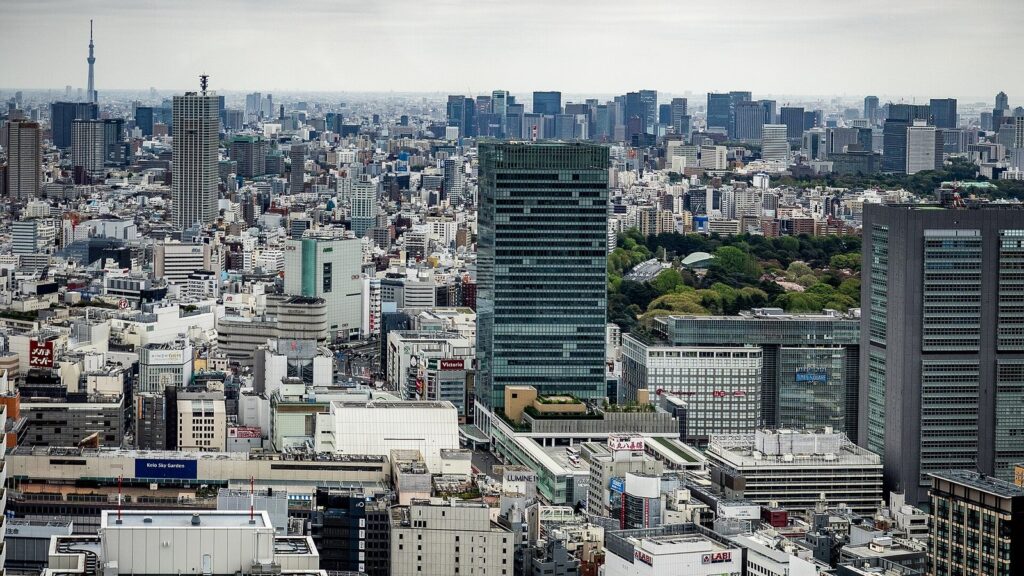
Featured image: “Shinjuku Skyline (40791984045)” by Ajay Suresh from New York, NY, USA, CC BY 2.0, via Wikimedia Commons