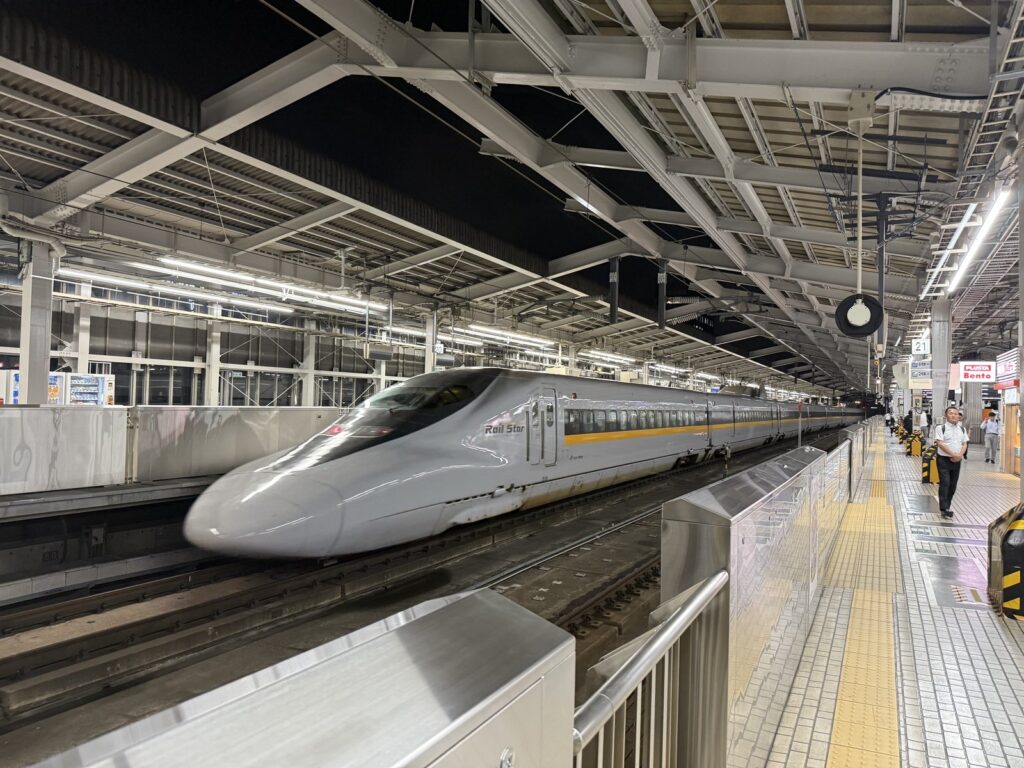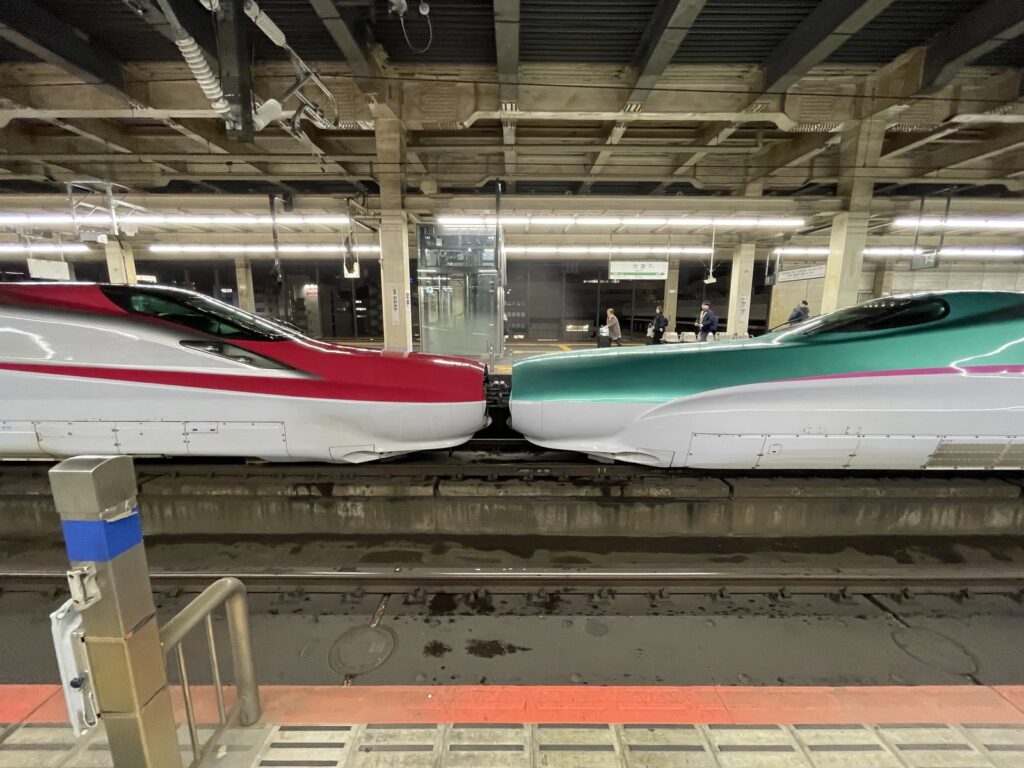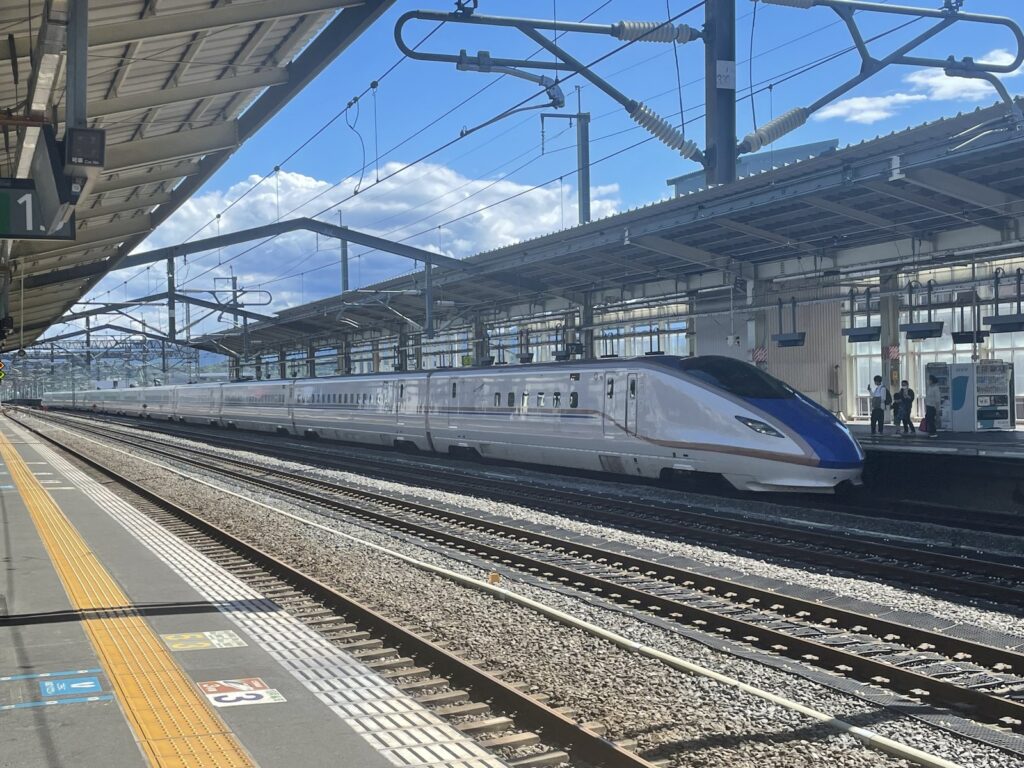
Since the big 2023 price jump, the Japan Rail Pass is no longer the automatic bargain it once was — and in 2026 the price is rising again. So the honest question isn’t “is the Japan Rail Pass good?” It’s “does it save you money on your route?” I live here and run these numbers for visiting friends all the time — a resident can’t even use the pass, but the maths is the same. Here’s how to know.
The quick answer
- Doing a fast, long-distance loop (e.g. Tokyo → Kyoto → Hiroshima → back) in 7 days? → The pass usually wins.
- Staying mostly in one city, or just Tokyo ↔ Kyoto and back? → The pass usually loses. Buy individual tickets.
- Not sure? → Add up your planned long-distance fares and compare to the pass price below. That’s the only test that matters.
2026 Japan Rail Pass prices (whole-Japan, adult)
| Duration | Ordinary | Green (first class) |
|---|---|---|
| 7 days | ¥50,000 | ¥70,000 |
| 14 days | ¥80,000 | higher |
| 21 days | ¥100,000 | higher |
⚠️ Price rise ahead: from October 1, 2026, overseas-agent prices go up — 7-day ordinary ¥50,000 → ¥53,000, 14-day ¥80,000 → ¥84,000, 21-day ¥100,000 → ¥105,000. If your trip is around that date, buying before the increase matters. (More in How to Buy the Japan Rail Pass Online — internal link.)
The only math that matters
The pass is worth it when your long-distance JR fares add up to more than the pass price. Some rough one-way Shinkansen fares to test against the ¥50,000 (7-day) pass:
- Tokyo → Kyoto: ~¥14,000
- Kyoto → Hiroshima: ~¥11,000
- Hiroshima → Tokyo: ~¥19,000
Add a couple of day trips and a classic Tokyo–Kyoto–Hiroshima–Tokyo week lands right around or above ¥50,000 — so the pass roughly breaks even to wins.
By contrast, a Tokyo → Kyoto return is about ¥28,000 — well under ¥50,000. Buying two tickets is far cheaper than the pass.
When the Japan Rail Pass wins
- Long, fast loops covering multiple far-apart cities in one to three weeks.
- You move almost every day over big distances.
- You’ll use JR a lot within cities too (e.g. Tokyo’s Yamanote line, which the pass covers).
- You value flexibility — hop on any covered train without buying tickets each time.
When the Japan Rail Pass loses
- One base, day trips only (e.g. a week in Tokyo).
- Just Tokyo ↔ Kyoto and back.
- Slow travel — a few days in each place with little backtracking.
- You’d take the Nozomi/Mizuho trains — the fastest services aren’t covered; the pass only covers slower Hikari/Sakura/Kodama, adding time.
Things people miss
- Nozomi isn’t included. The pass covers Hikari/Kodama on the Tokaido line — a bit slower. There’s now a paid add-on for Nozomi, but factor the extra time or cost.
- Regional passes are often better. If you’re only exploring, say, Kansai or Kyushu, a regional JR pass can be far cheaper than the whole-Japan pass. Don’t default to the national one.
- It’s calendar days, not 24-hour blocks. A “7-day” pass runs 7 consecutive calendar days from activation — plan the start date to cover your big travel days.
FAQ
Can I still buy it outside Japan?
Yes, through agents and the official site. Prices differ slightly and the increase timing differs — see How to Buy the Japan Rail Pass Online.
Kids?
Child passes (ages 6–11) are roughly half price.
Does it cover the airport?
It covers the Narita Express and some other JR airport routes — handy on arrival/departure days.
The verdict
In 2026, the Japan Rail Pass is worth it for fast, wide loops and not worth it for city-based or short back-and-forth trips. Don’t buy it out of habit — spend three minutes adding up your actual long-distance fares and compare to ¥50,000. If your total clears the pass price, buy it; if not, individual tickets (or a regional pass) will save you money.
Decided it’s worth it? Here’s the cheapest, fastest way to get one: How to Buy the Japan Rail Pass Online (internal link).
Written from Japan by the Wayfarer Japan team. Some links are affiliate links that support the site at no extra cost to you.