I live in Japan, and one of the questions visiting friends ask me most is “should we leave Tokyo for a day?” The answer is almost always yes — the trains make it easy, and a single day trip can show you mountains, temples, hot springs or old-town Japan without ever changing hotels. Here’s how I’d choose between the most popular options, and what’s actually worth booking in advance.
The quick answer
- Want mountains and hot springs? Go to Hakone — Mt. Fuji views, a lake cruise and onsen, about 85 minutes from Shinjuku.
- Want shrines and nature? Go to Nikko — UNESCO-listed shrines and waterfalls, about 2 hours from Tokyo (Asakusa or Ueno).
- Want the easiest, shortest trip? Go to Kamakura — beaches, the Great Buddha and old temples, about an hour from central Tokyo.
- Want an “old Edo” feel without the distance? Go to Kawagoe — a preserved merchant town about 30 minutes from Ikebukuro.
- Want your best shot at seeing Mt. Fuji up close? Book an organized tour rather than DIY-ing the trains (see Mt. Fuji Tours from Tokyo — internal link).
At a glance
| Destination | From | Travel time | Best for |
|---|---|---|---|
| Hakone | Shinjuku (Odakyu line) | ~85 min | Mt. Fuji views, onsen, lake cruise |
| Nikko | Asakusa/Ueno (Tobu/JR) | ~2 hrs | Shrines, forest, waterfalls |
| Kamakura | Tokyo/Shinagawa (JR) | ~55–60 min | Temples, the Great Buddha, beach town |
| Kawagoe | Ikebukuro (Tobu Tojo line) | ~30 min | Old Edo streets, close to the city |
| Mt. Fuji | Various (tour pickup) | ~2–2.5 hrs | Up-close mountain views, guided tour |
Hakone: mountains, onsen and Mt. Fuji views
Hakone is the classic escape from Tokyo, and it’s the one I recommend most often. You can ride a cable car and ropeway, cross Lake Ashi by pirate-ship cruise, soak in an onsen and — on a clear day — get postcard views of Mt. Fuji, all without a car.
- From: Shinjuku Station, via the Odakyu line.
- Time: About 85 minutes one-way on the Romancecar limited express.
- Worth booking ahead: The Hakone Freepass covers the local buses, ropeway and cable car in one ticket and pays for itself quickly if you’re doing the full loop.
If you’d rather not manage transfers yourself, a guided Hakone day tour handles the whole loop and often adds a Mt. Fuji viewpoint stop.
Nikko: shrines, forests and waterfalls
Nikko is a UNESCO World Heritage site built around the elaborate Toshogu Shrine, set in mountain forest that’s stunning in autumn. It’s a longer trip than Hakone or Kamakura, so I’d treat it as a full day rather than a half-day add-on.
- From: Asakusa Station (Tobu line) or Ueno.
- Time: Roughly 2 hours one-way by limited express.
- Worth booking ahead: The Tobu Nikko Pass bundles the round-trip train with local buses around the shrine area.
Kamakura: temples, the Great Buddha and the coast
Kamakura is the easiest day trip on this list, and a good choice if you’re short on time or traveling with kids. It’s a former capital with dozens of temples, the famous bronze Great Buddha, and a laid-back beach town feel around Enoshima nearby.
- From: Tokyo or Shinagawa Station, via JR lines.
- Time: About 55–60 minutes one-way.
- Worth booking ahead: Nothing essential — Kamakura is easy to do independently. A guided walking tour is a nice option if you want the history explained.
Kawagoe: “Little Edo” close to the city
If you want the atmosphere of old Japan without a long train ride, Kawagoe is the pick. Its preserved kurazukuri warehouse district, candy alley and bell tower give a strong sense of the Edo period, and it’s close enough to combine with a half-day in central Tokyo.
- From: Ikebukuro Station, via the Tobu Tojo line.
- Time: About 30 minutes one-way.
- Worth booking ahead: Nothing — this is a relaxed, walk-in trip. Go on a weekday if you can; weekends get crowded.
Mt. Fuji: your best shot without a rental car
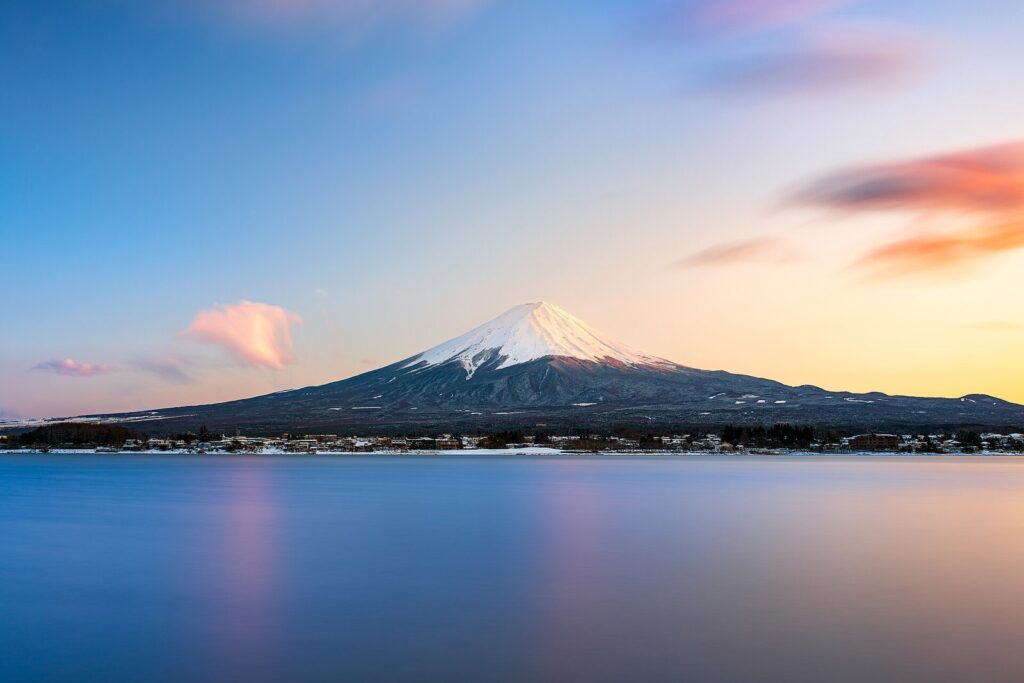
Fuji is visible from Hakone on a clear day, but if seeing the mountain up close is the priority, most visitors do better on an organized tour than trying to string together trains and buses themselves — I go into the trade-offs in Mt. Fuji Tours from Tokyo (internal link).
Getting there without stress
- Use a Suica or PASMO IC card for local trains and buses on any of these routes — tap in, tap out, no ticket machines to figure out (see Suica, PASMO and Welcome Suica — internal link).
- Reserved seats aren’t required on most of these routes, but a limited express like the Hakone Romancecar is worth the small extra fee for the view and guaranteed seat.
- Check whether the Japan Rail Pass makes sense first. Kamakura and Nikko are partly covered by JR lines, but a single day trip rarely justifies the pass on its own (see Is the Japan Rail Pass Worth It? — internal link).
- Start early. All of these are doable as a single day, but the first train out (rather than a leisurely 10am start) buys you real breathing room.
- Check the weather the night before, especially for Hakone — Mt. Fuji only shows itself on clear days, and cloud cover is common in summer.
- Forgot a jacket or an umbrella? Don’t stress about it — convenience stores and any train station kiosk have you covered.
- Pack light. Coin lockers at the departure station let you stash anything bulky instead of hauling it around temples and hiking trails all day.
FAQ
Which day trip is best for first-timers? Kamakura if you want simple and short, Hakone if you want scenery and onsen. Both work well with just a day pack.
Do I need to book train tickets in advance? No — for these routes you can buy tickets same-day, though a reserved seat on a limited express is worth grabbing at the station in the morning if you’re traveling on a weekend or holiday.
Can I see Mt. Fuji on a Tokyo day trip? Only from a distance, weather permitting, mainly from Hakone. For a closer view, a dedicated Mt. Fuji tour is the more reliable option.
Can I combine two of these in one day? Kamakura and Enoshima pair naturally. Otherwise, stick to one destination — Hakone and Nikko both deserve a full day.
The verdict
You don’t need to leave Tokyo behind to see a completely different side of Japan — you just need a train ticket and a full day. Choose Hakone for mountains and onsen, Nikko for shrines and forest, Kamakura for the easiest half-day-that-becomes-a-full-day, and Kawagoe if you want old Japan without leaving the city’s edge. Get an IC card, start early, and let the JR and private lines do the rest.
Next: Mt. Fuji Tours from Tokyo and Suica, PASMO and Welcome Suica (internal links).
Written from Japan by the Wayfarer Japan team. Some links are affiliate links that support the site at no extra cost to you.