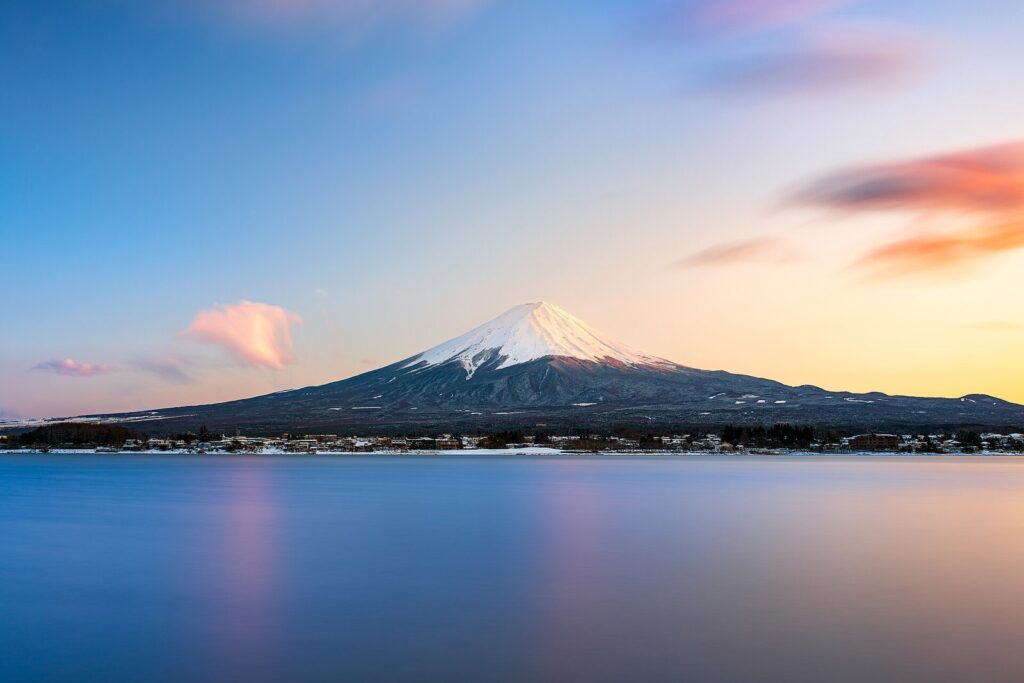
I live in Japan, and Mt. Fuji is the one thing almost every visiting friend asks me about first: “will we actually see it, and how do we get close?” The honest answer is that Fuji is shy — it hides behind cloud more often than postcards suggest — and the train-and-bus route to a good viewpoint is fiddly enough that most first-timers are better off on an organized tour. Here’s how I’d choose between them.
The quick answer
- Want the easiest option with no planning? Book a day bus tour from Tokyo to the Fuji Five Lakes or Hakone area — pickup included, fixed itinerary, budget-friendly.
- Want flexibility and fewer stops? Book a small-group or private tour — you choose the pace, and a car can chase clearer weather more easily than a coach.
- Want views without leaving Tokyo’s orbit? Do Hakone instead — Fuji is visible on clear days from Lake Ashi, and it doubles as a day trip in its own right (see Best Day Trips from Tokyo).
- Traveling in winter? Winter has the clearest air and best odds of seeing the summit — better than a hazy summer day.
- Don’t want to gamble on weather at all? Pick a tour that includes another strong reason to go (onsen, a ropeway, a lake cruise) so the day isn’t wasted if clouds roll in.
Why most people don’t DIY this one
Mt. Fuji isn’t a single station you can ride to. The mountain sits between several access points — Kawaguchiko, Fujiyoshida, Gotemba, Fujinomiya, and Hakone to the east — each reached by a different train or bus combination, and each with a different “best view” spot. Add in the fact that the summit is cloud-free only some of the year, and a lot of independent travelers end up spending a full day in transit only to see grey sky.
A tour solves two problems at once: it picks a route with a real shot at a view, and it builds in a backup (an onsen, a lake, a shopping outlet) so the day still delivers if Fuji doesn’t show. That’s the main reason I point visiting friends toward a tour rather than the trains, even though I’d normally tell people to DIY everything else in Japan (see Japan Trains Explained).
Option 1: Day bus tours from Tokyo
This is the default choice for most visitors, and for good reason — it’s the cheapest and least effort. A coach picks up from a central Tokyo hotel or station, runs a fixed loop through one or two Fuji viewpoints (often the Fuji Five Lakes area, sometimes combined with Hakone or Gotemba Premium Outlets), and returns you to Tokyo by evening.
- Time: A full day, typically 9–10 hours door to door.
- Cost: The most affordable of the three options here, especially with lunch included.
- Downside: Fixed schedule, fixed stops, and you’re on the bus’s timeline rather than your own — if the mountain is clouded in at your scheduled photo stop, there’s no chasing a better angle. 👉 Klook Mt. Fuji day bus tour
Option 2: Small-group or private tours
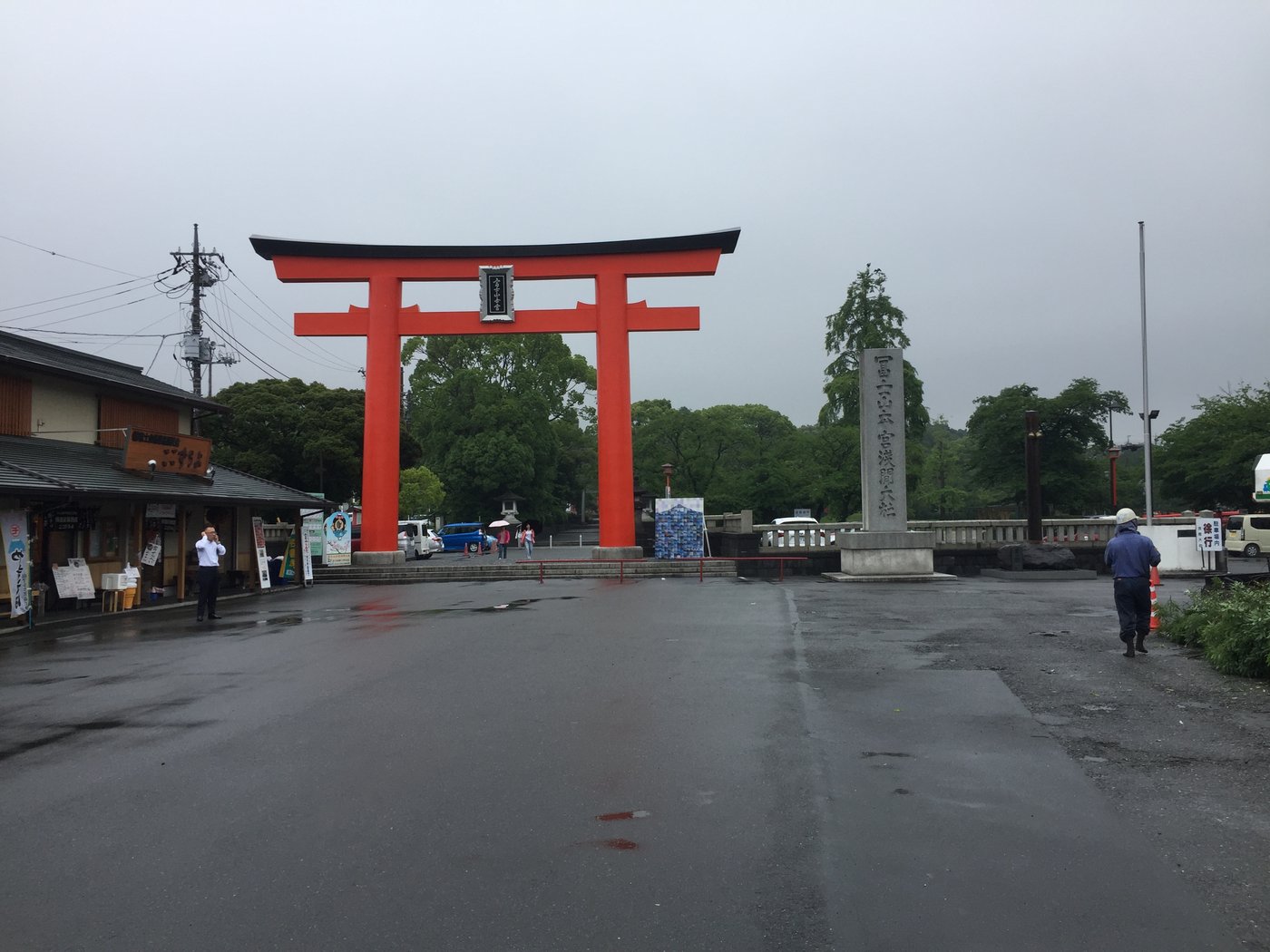
If budget allows, a smaller van or a private car with driver gives you real flexibility — fewer passengers means fewer scheduled stops, and a private driver can sometimes adjust the route toward the clearer side of the mountain that day. These tours often add extras a bus can’t, like a short hike, a specific shrine (Fujisan Hongu Sengen Taisha is the head shrine of all Fuji shrines and worth a stop if your route passes near Fujinomiya), or a more relaxed lunch.
- Time: Similar to a bus tour, but often more flexible on start time.
- Cost: Noticeably higher than a shared bus tour, more for private options.
- Worth it if: You’re traveling with a small group or family and don’t want to share the day with 30 strangers, or you specifically want a photographer-friendly schedule (sunrise or golden hour stops). 👉 Klook private Mt. Fuji tour
Option 3: Hakone as your Fuji day (and more)
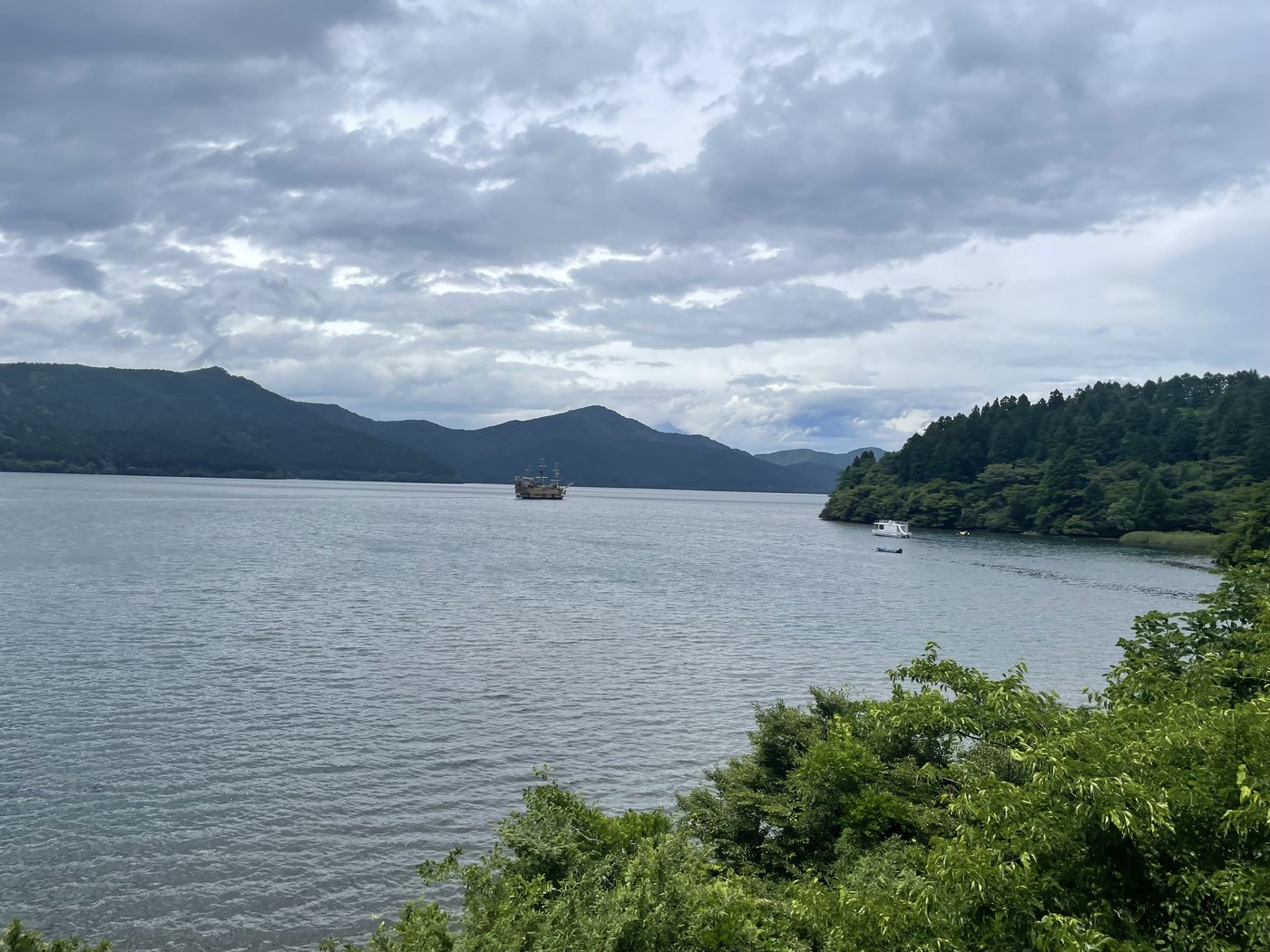
If you’ve already read about day trips from Tokyo, you’ll know Hakone comes up constantly — and it’s a legitimate way to see Fuji without booking a Fuji-specific tour at all. On a clear day, Lake Ashi and the Hakone ropeway both offer views of the mountain, and you get an onsen town, a pirate-ship lake cruise and (often) a volcanic valley thrown in. It’s an easier train journey than most Fuji routes, since Hakone is a well-worn route from Shinjuku on the Odakyu line.
- Time: About 85 minutes to Hakone from Shinjuku, then a full day exploring.
- Cost: Train fare plus the Hakone Freepass, generally cheaper than a dedicated Fuji tour.
- Downside: You’re farther from the mountain than a Fuji Five Lakes tour, so the view is more distant, even on a clear day. 👉 Klook Hakone day tour
Which viewpoint actually gives the best view?
Ask ten people and you’ll get ten answers, but as a rough guide:
| Area | Distance to Fuji | Vibe | Best paired with |
|---|---|---|---|
| Kawaguchiko / Fuji Five Lakes | Closest | Classic postcard shots, Chureito Pagoda | A dedicated Fuji tour |
| Hakone | Moderate | Onsen town, lake cruise | A relaxed day trip |
| Gotemba | Moderate | Outlet shopping plus a view | A bus tour with a shopping stop |
| Fujinomiya / Fujinomiya-side | Close | Shrine, local yakisoba, quieter | A tour that swings south |
None of these guarantee a clear sky. Fuji is famously visible only about a third of days on average, with the odds improving in winter and dropping in the humid summer months — so build in flexibility if you can, and don’t schedule your only shot at the mountain on your last possible day in Japan.
Getting ready without overthinking it
- Book the tour, not the DIY train route, unless you’re comfortable navigating multiple transfers and don’t mind a fully independent pace.
- Check the weather forecast a day or two out and, if your itinerary allows it, hold off booking until you have a reasonably clear-sky day in view.
- Pack layers. It’s noticeably cooler near Fuji than in central Tokyo, especially at higher viewpoints — and if you forgot a jacket, Uniqlo or GU in Tokyo will sort you out before you go.
- Bring cash in small bills for local snacks and shrine offerings — some smaller stalls near Fuji don’t take cards.
- Consider combining with Hakone if your schedule only allows one day trip — you get an onsen and a Fuji view in the same outing (see Best Day Trips from Tokyo).
- Don’t skip the Japan Rail Pass math if a Fuji tour is one of several day trips you’re planning — see Is the Japan Rail Pass Worth It? for how the numbers usually work out.
FAQ
Is Mt. Fuji visible from Tokyo? Occasionally, on very clear winter days, from certain tall buildings or open areas — but it’s not reliable. A dedicated trip to Hakone or the Fuji Five Lakes area is the only real way to count on seeing it.
Can I climb Mt. Fuji on a day tour from Tokyo? The official climbing season is only roughly July to early September, and climbing is a separate, much longer undertaking (usually an overnight hike) from the sightseeing day tours covered here.
What’s the best season to see Fuji clearly? Winter, generally December through February, has the driest air and the best odds of a clear summit. Summer is the cloudiest season.
Do I need to book a Fuji tour in advance? Yes, especially in peak seasons (cherry blossom season and autumn foliage) — popular bus tours and private drivers can sell out days ahead.
Is Hakone or a Fuji Five Lakes tour better for first-timers? Hakone if you want an easier train journey and extra things to do; a Fuji Five Lakes tour if seeing the mountain up close is your top priority.
The verdict
Mt. Fuji rewards a little planning and a lot of luck with the weather. For most first-timers, a day bus tour to the Fuji Five Lakes area is the simplest, most affordable option; a small-group or private tour is worth the extra cost if flexibility matters to you; and Hakone is the smart pick if you’d rather combine your Fuji chances with a fuller day out. Whichever you choose, check the forecast, pack a layer, and don’t stake your only Japan memory of Fuji on a single cloudy afternoon.
Next: Best Day Trips from Tokyo and Is the Japan Rail Pass Worth It? (internal links).
Written from Japan by the Wayfarer Japan team. Some links are affiliate links that support the site at no extra cost to you.