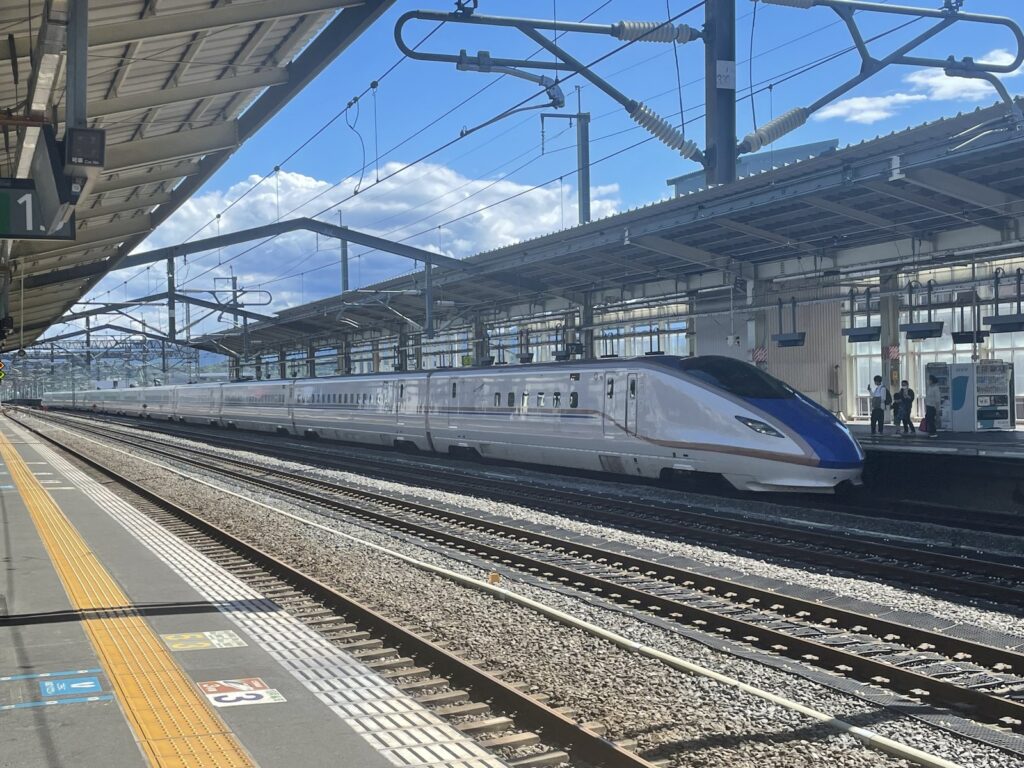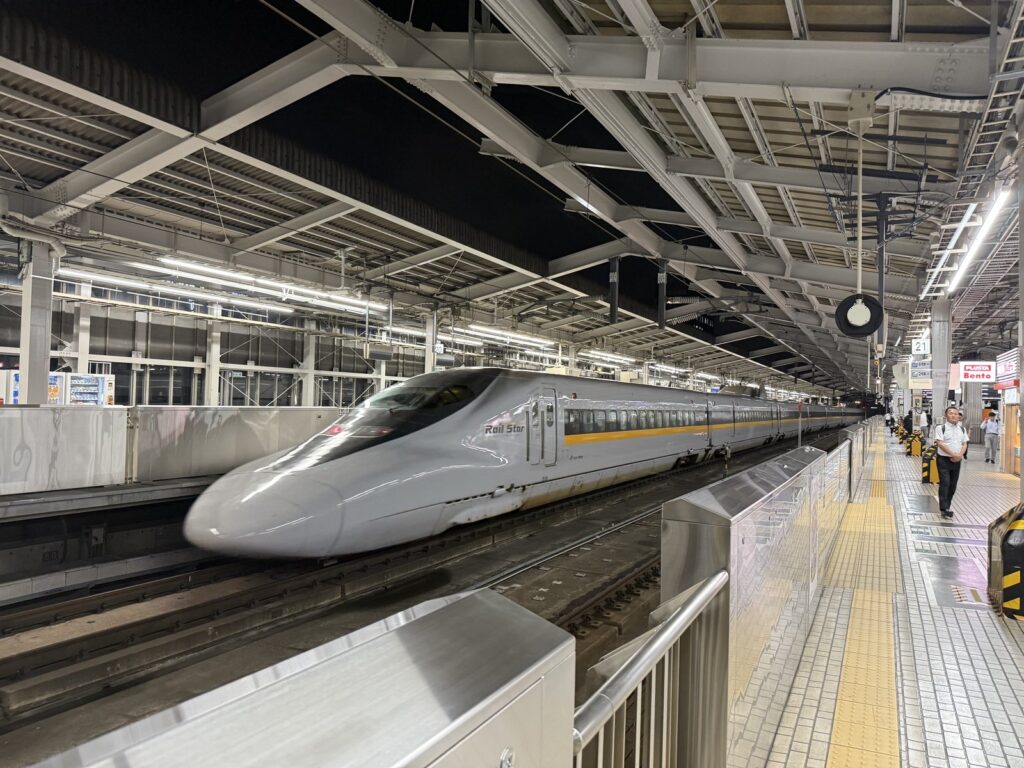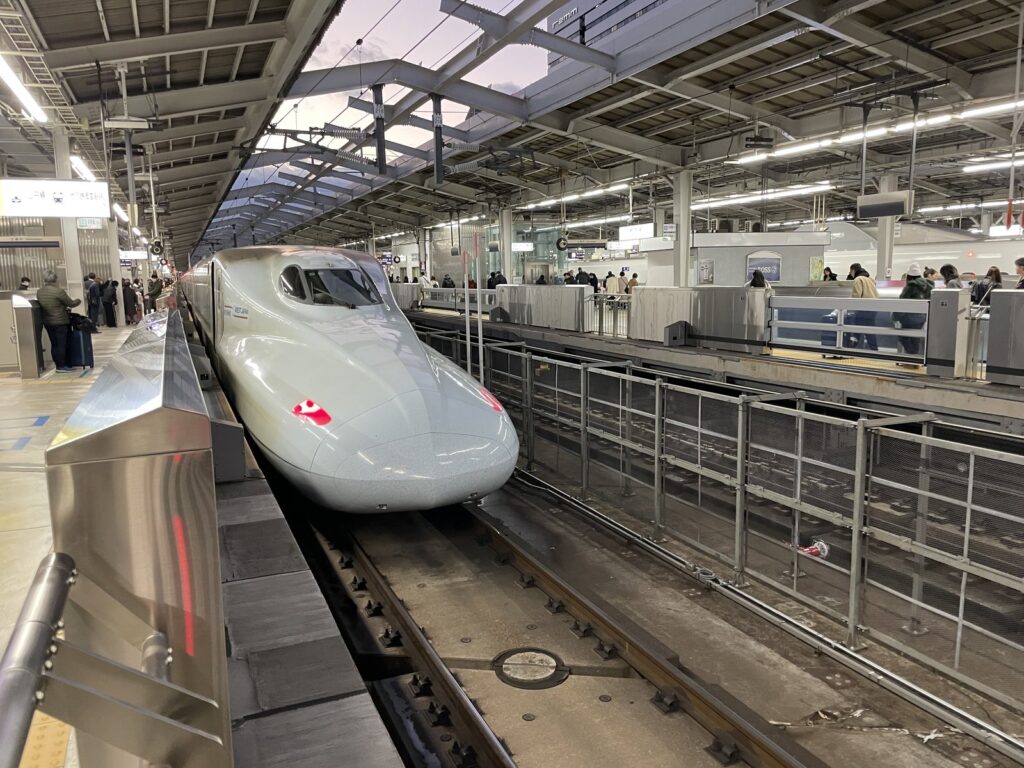
I live in Japan, and the Tokyo-to-Kyoto question is one I get asked constantly by visiting friends: “should we just fly, or is the bullet train worth it?” I’ve done this route more times than I can count, by all three methods, and the honest answer depends entirely on your budget and how much of your trip you’re willing to spend sitting down. Here’s how the numbers actually break down.
The quick answer
- Want the fastest, most comfortable option and don’t mind paying more? Take the Shinkansen — about 2 hours 15 minutes, city center to city center, no security lines.
- On a tight budget and traveling overnight anyway? Take a night highway bus — it’s the cheapest option by far, and you sleep through the travel time instead of losing a day to it.
- Already have flight miles or found a cheap fare? A flight can work, but once you add airport transfers on both ends, it rarely saves real time over the train.
- Doing multiple long-distance trips around Japan? Check whether a Japan Rail Pass (commonly called the JR Pass) makes the Shinkansen effectively free for this leg — see Is the Japan Rail Pass Worth It?.
- Booking one-off Shinkansen tickets? You can buy them the same day at the station, but reserving ahead online removes the guesswork — see How to Buy a Japan Rail Pass Online.
The three options at a glance
| Shinkansen | Highway bus | Flight (Haneda–Itami) | |
|---|---|---|---|
| Travel time | ~2h 15m (Nozomi) | 7–9 hours | ~1h 5m–1h 20m flight |
| Door-to-door | ~2.5–3 hours | 7–9 hours | ~4–4.5 hours with transfers |
| One-way cost | Roughly ¥13,000–14,000 unreserved/reserved | Roughly ¥2,800–¥12,000 depending on operator and season | Roughly ¥8,000–¥30,000+ depending on airline and how far ahead you book |
| Comfort | High — wide seats, luggage racks, no security | Varies — reclining seats, but a long haul | High in the air, but airports add hassle |
| Best for | Most travelers | Budget travelers, especially overnight | Miles/points users, or combining with a Japan flight already booked |
Prices shift with season and how far ahead you book, so treat these as a starting point and check current fares before you commit — especially bus and flight prices, which move a lot more than Shinkansen fares do.
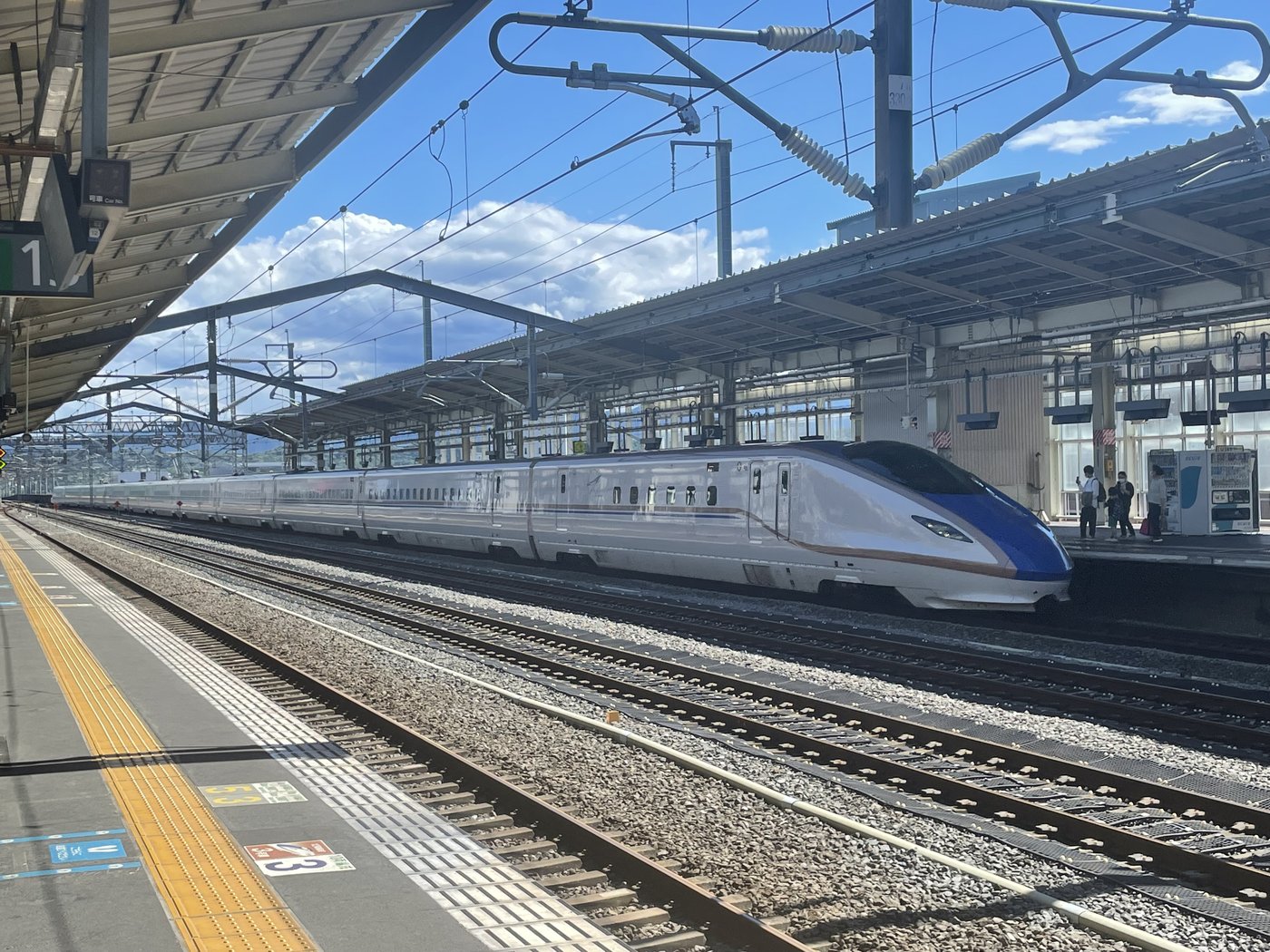
Option 1: The Shinkansen (bullet train)
This is what most first-time visitors picture when they think of Japan, and for the Tokyo–Kyoto route it’s genuinely the best all-around choice. The Tokaido Shinkansen runs frequently — often several trains an hour — connecting Tokyo Station (or Shinagawa) to Kyoto Station in roughly 2 hours 15 minutes on the fastest Nozomi service.
A few practical notes I give every friend who asks:
- A Japan Rail Pass doesn’t include Nozomi or Mizuho trains — it covers the slightly slower Hikari (about 2 hours 40 minutes) and Kodama (about 3 hours 40 minutes) services instead, which still beat the bus by hours. If you want a Nozomi, you can ride one with the pass by buying a supplement ticket — ¥4,960 for Tokyo–Kyoto.
- Unreserved (jiyuseki) seats are available on most Nozomi and Hikari trains outside of peak periods and cost a little less than reserved seats — fine off-peak, riskier during holidays like Golden Week or Obon when trains sell out.
- No security screening. You walk onto the platform, find your seat, and you’re moving — the single biggest quality-of-life advantage over flying.
- Both Tokyo Station and Kyoto Station are genuinely central, so there’s no airport-style trek at either end — see Tokyo Travel Guide and Kyoto Travel Guide.
If you’re only doing this one long-distance leg, a single reserved ticket usually costs less than a 7-day Japan Rail Pass — the pass only pays off once you’re covering multiple long trips. Run the numbers in Is the Japan Rail Pass Worth It? before you buy, and see Japan Train Fares Explained if the ticket-buying process itself feels confusing.
Option 2: The highway bus (day or overnight)
If budget matters more than time, the highway bus between Tokyo and Kyoto is the clear winner. Operators like Willer Express and JR Bus run frequent daily and overnight services, mostly departing from the Busta Shinjuku terminal, with some pickups at Tokyo and Shibuya stations too.
- Overnight buses are the smarter pick — they typically leave Tokyo around 9pm to midnight and arrive in Kyoto by early morning, so you’re not burning a full sightseeing day on the road, and you skip a night of hotel cost.
- Daytime buses take longer because of traffic, generally landing in the 7–9 hour range, and they eat into a day you could otherwise spend exploring.
- Seat comfort varies by operator and fare class — the cheapest tickets get a standard reclining seat, while pricier options add privacy curtains or extra legroom. If you’re tall, it’s worth paying up.
- This is the one route where I’d genuinely tell a budget-conscious friend to skip the train — the savings are large enough to matter, and an overnight bus effectively doubles as your hotel for the night.
👉 Klook Tokyo to Kyoto bus ticket
Option 3: Flying (Haneda or Narita to Osaka)
Kyoto has no airport of its own, so flying means landing at Osaka’s Itami or Kansai airport and then taking a train or limousine bus onward — usually 45 minutes to an hour from Itami, longer from Kansai. That connection is why flying rarely beats the Shinkansen on total door-to-door time, even though the flight itself is short.
- Flight time between Haneda and Itami is around 1 hour 5 minutes to 1 hour 20 minutes, with frequent daily departures on ANA and JAL, plus budget carriers on some routes.
- Add in airport check-in, security, boarding, deplaning, and the onward bus or train into Kyoto, and you’re realistically looking at 4 to 4.5 hours door to door — noticeably longer than the Shinkansen.
- Fares vary widely. Full-service airline tickets booked close to departure can cost more than a Shinkansen ticket, while advance-purchase or budget-carrier fares can undercut the train.
- When it makes sense: you have miles to redeem, you’re connecting from an international flight that lands at Haneda or Narita and want to continue same-day, or you found a genuinely cheap fare.
I don’t fly this domestic route myself when the Shinkansen is right there, but for visitors juggling a tight international itinerary, it’s worth pricing out.
What I’d actually book
For a first Japan trip with a reasonable budget, I point people to the Shinkansen every time — the time savings and lack of hassle are worth the extra cost, and it’s an experience in itself (see How to Ride the Shinkansen). If the budget is genuinely tight, the overnight bus is a smart trade: you save money and don’t lose a sightseeing day. Flying only earns its place with a specific reason — miles, a connecting flight, or an unusually cheap fare.
One more thing that trips people up: if you forgot to pack something for the journey — snacks, a neck pillow, a phone charger — don’t stress. Every station and convenience store along the way sells exactly what you need.
Related guides on Wayfarer Japan
FAQ
Is the Shinkansen from Tokyo to Kyoto worth the extra cost over the bus? For most travelers, yes — you save five to seven hours of your trip, which is usually worth more than the fare difference. It comes down to how tight your budget is.
Can I use a Japan Rail Pass for this route? Yes. Hikari and Kodama services are fully covered. Nozomi and Mizuho aren’t included in the pass itself, but pass holders can ride them by buying a supplement ticket — ¥4,960 for Tokyo–Kyoto.
Do I need to reserve a Shinkansen seat in advance? Not strictly — unreserved cars exist on most trains — but reserving ahead guarantees a seat, which matters during busy travel periods.
How early should I book a highway bus? A few days ahead is usually enough outside peak seasons, but book further in advance around cherry blossom season, Golden Week, and Obon, when popular departure times sell out.
Is flying ever actually faster than the Shinkansen? Rarely, once you count airport transfers on both ends. The flight itself is short, but the total door-to-door time usually loses to the train.
The verdict
For most visitors, the Shinkansen is the right call — it’s fast, comfortable, and drops you in the center of both cities with none of the airport hassle. If money matters more than time, take an overnight highway bus and treat it as free lodging for the night. Flying only makes sense with a specific reason to do it, since the connection to Kyoto usually erases whatever time the flight itself saves. Whichever you choose, book ahead during peak travel seasons and double-check current fares before you commit.
Next: Is the Japan Rail Pass Worth It? and Kyoto Travel Guide (internal links).
Written from Japan by the Wayfarer Japan team. Some links are affiliate links that support the site at no extra cost to you.