I live in Japan, and Osaka is the city I recommend to people who found Tokyo a bit intimidating and Kyoto a bit reverent. It is loud, flat, cheap to eat in, and unusually friendly by Japanese standards — strangers actually talk to you here. It is also compact: most of what a first-timer wants to see sits inside two neighbourhoods that are eight minutes apart by subway. Here’s how I’d plan a first trip, including the things I’d skip.
The quick answer
- Two full days is enough for a first visit — one for the Namba/Dotonbori side, one for the castle, Umeda and whatever else you fancy.
- Base yourself in Namba or Umeda. Namba for food and nightlife, Umeda for transport links north to Kyoto and the Shinkansen.
- Get an IC card (Suica, PASMO or a Welcome Suica) rather than a rail pass for the city itself — Osaka’s subway is simple and cheap.
- From Kansai Airport, Nankai to Namba is the cheapest fast route; JR Haruka makes more sense if you’re heading to Shin-Osaka or straight on to Kyoto.
- Book Universal Studios Japan tickets before you fly if it’s on your list. Prices vary by date and popular days sell out.
How many days do you actually need
Two full days covers Osaka properly. The city has fewer must-see sights than Kyoto and less sprawl than Tokyo, so you’re not spending an hour in transit between things. Day one: Osaka Castle in the morning, Umeda or Shinsekai in the afternoon, Dotonbori at night when the neon is on. Day two: Kuromon Market, Namba, Amerikamura, and time for whatever caught your eye. Add a third day only if you’re doing Universal Studios Japan, which eats an entire day.
Plenty of people visit Osaka as a day trip from Kyoto, and that works — the two cities are around 30 minutes apart by ordinary JR train, or 14 minutes by Shinkansen from Kyoto to Shin-Osaka. But Osaka is genuinely better at night than in daylight, so I’d give it at least one overnight if the itinerary allows.
Getting to Osaka
From Kansai International Airport (KIX). Two railways serve the airport and the right one depends on where you’re sleeping. Nankai’s Airport Express reaches Namba in about 45 minutes for roughly ¥970, and the faster Rapi:t limited express does it in 35–40 minutes for around ¥1,520–1,670. JR’s Haruka limited express is the better choice for Tennoji (about 30 minutes, roughly ¥1,820 unreserved) or Shin-Osaka (about 50 minutes, roughly ¥2,540 unreserved), and it continues to Kyoto. There’s also a discounted Haruka ticket sold to foreign passport holders that brings the Osaka and Shin-Osaka fare down to about ¥1,800. Prices change, so treat all of these as approximate and check before you book. 👉 Klook Kansai Airport train tickets
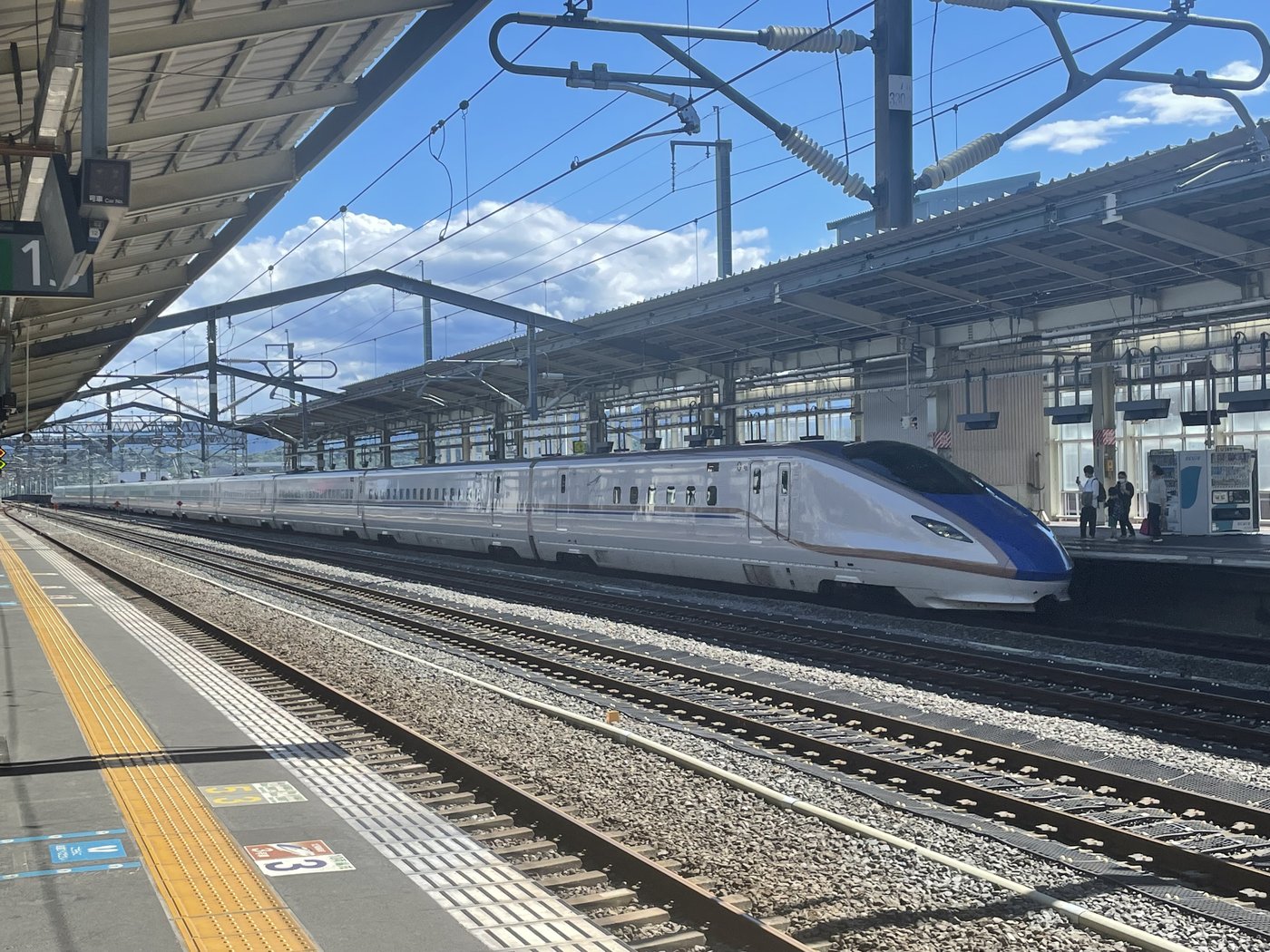
From Tokyo. The Shinkansen runs Tokyo to Shin-Osaka in about 2 hours 30 minutes. Buses and flights are cheaper but slower door to door — I compare all three on the neighbouring route in Tokyo to Kyoto: Shinkansen vs Bus vs Flight, and the same logic applies here.
Where to stay
Namba (Minami) is where I’d put a first-timer. You’re walking distance from Dotonbori, Kuromon Market and Shinsaibashi’s shopping arcade, and Nankai’s airport line terminates here. It’s noisy — that’s the point.
Umeda (Kita) is the business and department-store district around Osaka Station, and it’s the smarter base if you’re day-tripping to Kyoto, Kobe or Nara, or catching the Shinkansen from Shin-Osaka. It’s had a serious upgrade recently with the Grand Green Osaka development and its large new park right beside the station.
Shin-Osaka is convenient for trains and dull for everything else. Only worth it if you’re arriving late and leaving early.
Osaka hotels are noticeably cheaper than Tokyo or Kyoto for the same standard, which is one reason a lot of people base here and day-trip out. If you’re weighing a night in a traditional inn somewhere on your trip, I go through the trade-offs in Hotel vs Ryokan. 👉 Booking.com Osaka hotels
Getting around
Osaka Metro’s subway is the backbone, and it’s easier than Tokyo’s — fewer operators, fewer transfers. Tap in and out with an IC card and don’t think about it. If you haven’t sorted a card, see Suica, PASMO and Welcome Suica; any of them work here, and Osaka’s own ICOCA card does too.
Two passes are worth knowing about. The Enjoy Eco Card is a one-day subway, New Tram and city bus pass at ¥820 on weekdays and ¥620 at weekends — it only pays off if you’re making four or more rides in a day, which most people don’t. The Osaka Amazing Pass (¥3,500 for one day, ¥5,000 for two) bundles unlimited city transport with free entry to around 40 attractions including Osaka Castle, the Umeda Sky Building observatory and the Tombori River Cruise. That one genuinely pencils out if you’re an attraction-hopper: three paid sights in a day usually clears the cost. If your plan is mostly eating and walking, skip it and use an IC card. It doesn’t include Universal Studios Japan. 👉 Klook Osaka Amazing Pass
What to actually see
Dotonbori is the postcard: the Glico running man, the giant mechanical crab, canal reflections and a wall of restaurant signage. Go after dark. It’s touristy and it’s still worth it. The river cruise is a pleasant twenty minutes if your feet have given up.
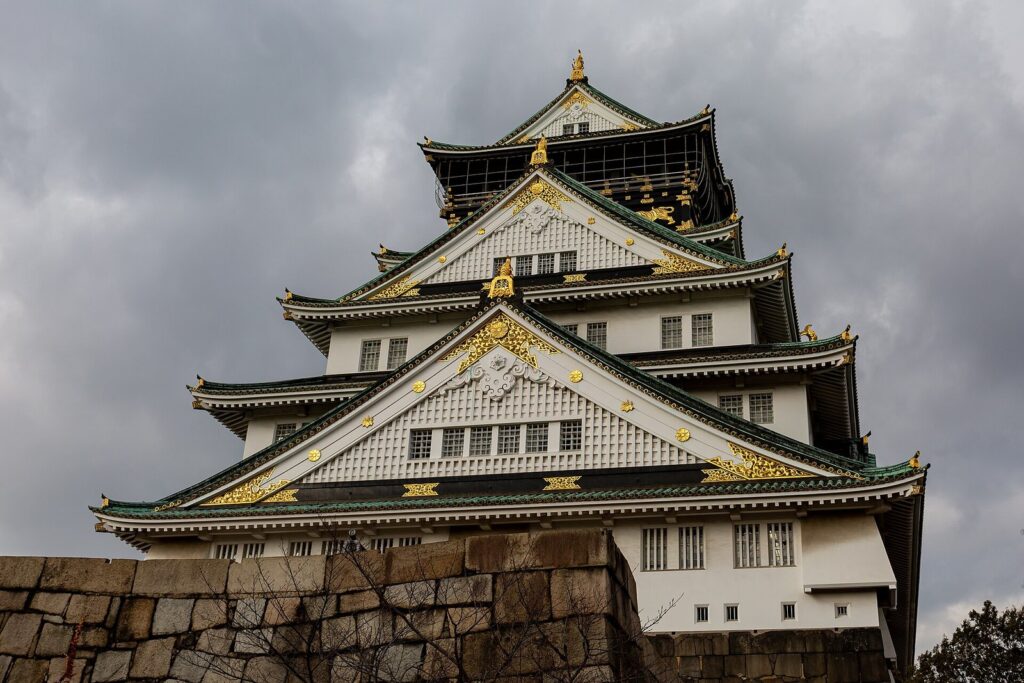
Osaka Castle is a concrete reconstruction inside, so manage expectations — the museum is decent and the top-floor view is good, but the grounds and moats are the real attraction and they’re free. Entry to the tower is ¥1,200 for adults as of 2026.
Umeda Sky Building has the best skyline view in the city from its Floating Garden Observatory, an open-air ring 173 metres up, for about ¥2,000. Sunset is the slot to aim for.
Shinsekai and Tsutenkaku is the old-Osaka district — retro signage, kushikatsu restaurants, a slightly rough-around-the-edges charm that photographs beautifully.
Kuromon Ichiba Market is a covered food street near Nipponbashi — very tourist-oriented and priced accordingly, but an easy grazing lunch. I’d skip the bay-side aquarium unless you’re travelling with kids; it’s good, it’s just a long trip for something you can see at home. 👉 Klook Osaka attraction tickets
Eating in Osaka
This is the actual reason to come. Osaka’s nickname is kuidaore — roughly, “eat until you drop” — and the local food is street food rather than fine dining.
Takoyaki (octopus dumplings), okonomiyaki (a savoury cabbage pancake cooked on a griddle in front of you), and kushikatsu (deep-fried skewers, in Shinsekai, where the no-double-dipping rule on the shared sauce is taken seriously) are the three to prioritise. Add kitsune udon, which was invented here, and Osaka’s own take on ramen — I break down the regional styles in Types of Ramen in Japan.
Practical notes from living here: the queue outside a takoyaki stand moves faster than it looks, small places are often cash-only, and the good okonomiyaki restaurants take reservations. If you’d rather have someone walk you through it on your first night, a Dotonbori food tour is a reasonable way to spend two hours and get past the language barrier. 👉 GetYourGuide Osaka food tour
Universal Studios Japan
USJ is a full day and a genuine highlight for a lot of visitors — Super Nintendo World and the Wizarding World are excellent. One-day Studio Pass prices vary by date, generally in the ¥8,400–¥11,900 range for adults in 2026, and tickets go on sale roughly two months ahead. Buy in advance: popular dates sell out, and the queues at the gate on a busy morning are grim. Express Passes are sold separately and are expensive, but on a peak day they change the experience completely. 👉 Klook Universal Studios Japan tickets
Day trips from Osaka
Osaka is the best-placed base in western Japan. Nara is 45 minutes away and has the deer park and Todai-ji’s giant Buddha. Kyoto is 30 minutes on a JR Special Rapid — see the Kyoto Travel Guide for First-Timers if you’re building a day around it. Kobe is 20 minutes west for beef and a harbour view. Himeji Castle, the real, original, white-plastered thing, is about an hour away by Shinkansen and worth the trip if Osaka Castle left you cold.
When to go
Spring and autumn are the best weather and the biggest crowds — the pattern is the same across Japan, and I go through it in Best Time to Visit Japan. Osaka in midsummer is hot and humid in a way that catches people out; if you’re coming in July or August, read Japan in Summer first and plan indoor afternoons. Winter is mild, quiet and underrated here.
Practical prep
- Data. Land with connectivity working rather than hunting for airport wifi — options compared in Best eSIM for Japan.
- Rail pass. A Japan Rail Pass is rarely worth buying for Osaka alone; it makes sense only if you’re doing several long Shinkansen legs. See Is the Japan Rail Pass Worth It?
- Cash. More of Osaka’s small food places are cash-only than in Tokyo. Carry a few thousand yen.
- Packing. Don’t over-plan it. Forgot an umbrella? Any convenience store. Underdressed? There’s a Uniqlo in Umeda and another in Namba. Full list in Japan Packing List. 👉 Airalo Japan eSIM
FAQ
Is Osaka worth staying in, or should I day-trip from Kyoto? Stay at least one night. Osaka’s best hours are between 6pm and midnight, and hotels are cheaper than Kyoto’s.
Is the Osaka Amazing Pass worth it? If you’ll visit three or more paid attractions in a day, yes. If you’re mainly eating and wandering Dotonbori, no — an IC card is cheaper.
How many days for Osaka and Kyoto together? Five nights is comfortable: three in Kyoto, two in Osaka, with Nara as a day trip from either.
Do I need Japanese? Less than anywhere else in Japan. Tourist areas have English menus, and Osaka people are famously willing to gesture their way through a conversation.
The verdict
Osaka rewards low expectations and an empty stomach. It doesn’t have Kyoto’s density of world-class sights or Tokyo’s scale, and it doesn’t need them — you come for the street food, the neon canal and a city that’s easier to relax in than either. Give it two days and one late night, stay in Namba, keep an IC card in your pocket, and don’t plan dinner too carefully. The best meal you eat in Japan may well be a ¥600 tray of takoyaki eaten standing up.
Written from Japan by the Wayfarer Japan team. Prices and times are approximate and change — please confirm before booking.