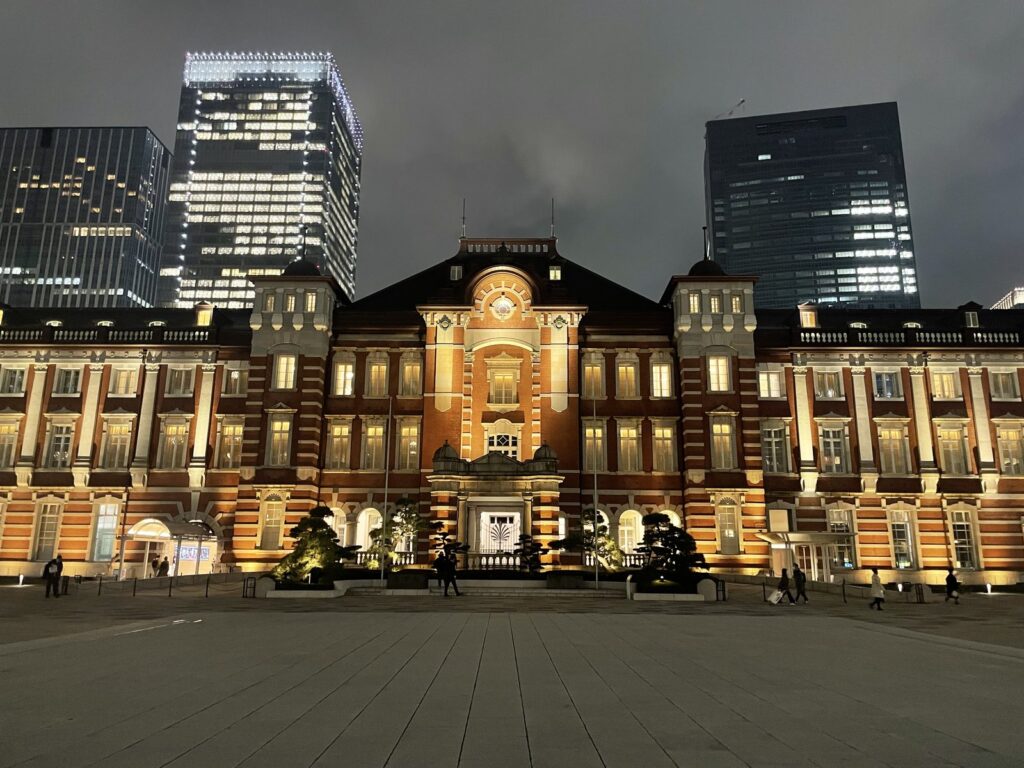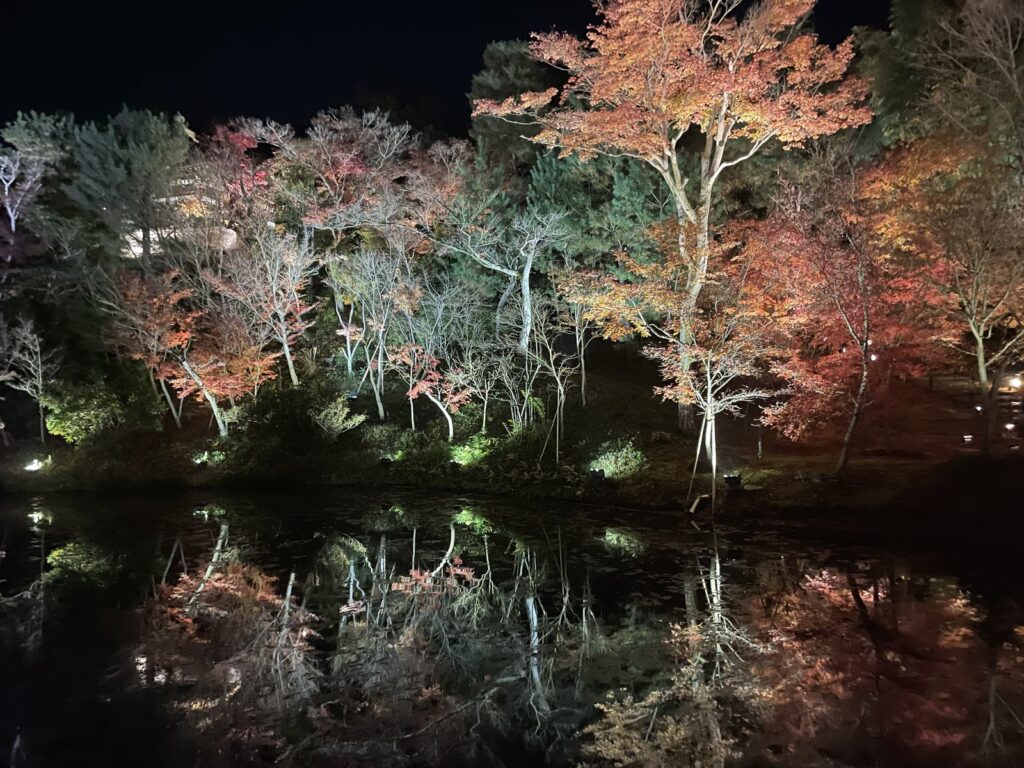
Cherry blossoms get the international attention. Autumn is the season people who live here quietly prefer. It lasts weeks instead of days, the weather is dry and mild instead of drizzly, and the colour comes in layers — yellow ginkgo in the city, deep red maple in the temple gardens, whole mountainsides turning at once. It is the one time of year I actively rearrange my own weekends around the forecast.
The catch is that koyo (autumn colour) is far more spread out than sakura. There is no single national week — Hokkaido can be finished before Kyoto has even started. Here is how to line up your dates with the right place.
The quick answer
- Japan’s autumn colour moves north to south and high to low, starting in Hokkaido’s mountains in mid-to-late September and finishing in Kyoto and Tokyo in late November or early December.
- 2026 is forecast to run late. After another hot summer, forecasters expect peaks roughly three to five days behind the long-term average, so the safe window for Tokyo, Hakone and Kyoto is around 18 November to early December.
- Kyoto is the classic, but late November there is the busiest travel week of the Japanese domestic year. Book accommodation months ahead; good hotels and ryokan for that window are typically gone by late summer.
- Elevation is your friend. If your dates land early, go up into the mountains rather than waiting for the cities.
- You do not need a perfect peak. The gardens look superb at 60 percent.
If you are still choosing between seasons entirely, my full comparison is in Best Time to Visit Japan: Cherry Blossoms, Seasons & Crowds.
How the koyo front actually works
Maples turn when nights get cold — roughly when the daily minimum drops below 8°C — and the colour is most vivid when warm days sit against cold nights.
That means altitude matters as much as latitude. Kamikochi in the Japan Alps sits at 1,500 metres and turns in mid-October, while Kyoto — 500 kilometres southwest, near sea level — waits until the very end of November. A rough rule I use: every 100 metres of elevation pulls the peak about two days earlier.
Japanese weather companies publish koyo forecasts from about September and revise them through the season. Do not treat any date you read in August as fixed, including mine.
2026 timing, region by region
Approximate peak windows — confirm against the current-year forecast before committing to non-refundable travel.
| Region | Typical 2026 peak | Signature spot |
|---|---|---|
| Hokkaido (Daisetsuzan, mountains) | Mid–late September | Daisetsuzan National Park |
| Hokkaido (Sapporo, lowland) | Mid–late October | Jozankei Onsen |
| Tohoku (Aomori, Akita) | Mid–late October | Oirase Gorge, Naruko Gorge |
| Japan Alps (Kamikochi, Norikura) | Early–mid October | Kamikochi |
| Nikko (Irohazaka, Lake Chuzenji) | Mid–late October | Irohazaka winding road |
| Hakone / Mt. Fuji lakes | Early–mid November | Kawaguchiko Maple Corridor |
| Tokyo | Late November | Rikugien, Meiji Jingu Gaien ginkgo |
| Kyoto / Osaka / Nara | Late November – early December | Tofuku-ji, Eikando |
| Kyushu (Fukuoka, Kumamoto) | Late November – early December | Mount Aso area |
The practical takeaway: an October trip and a late-November trip both give you excellent autumn colour, just in completely different places. October is mountains and onsen towns. Late November is temples and cities.
Kyoto: the classic, and how to handle the crowds
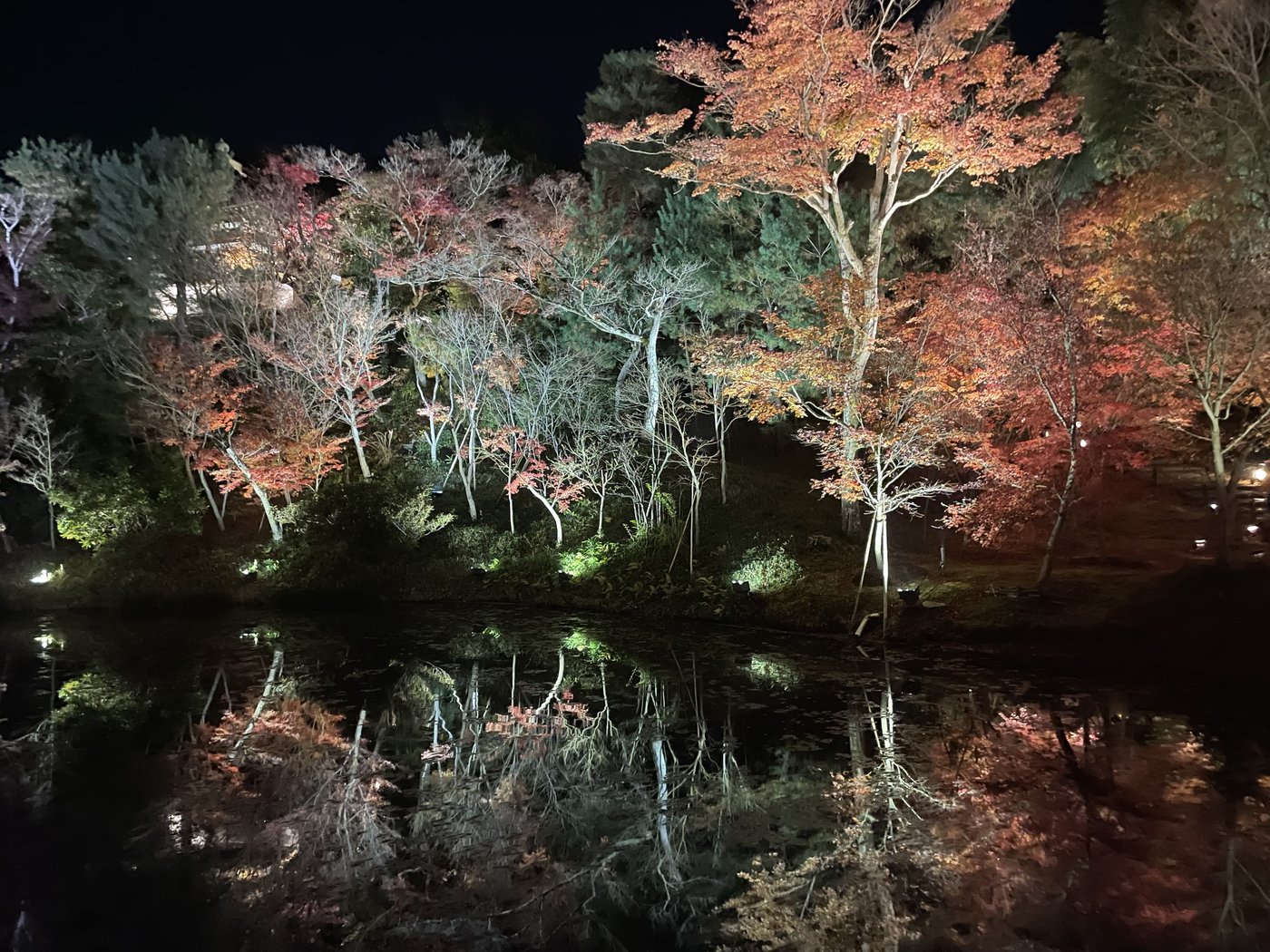
Kyoto in late November is genuinely one of the most beautiful things in this country. Tofuku-ji, where the wooden Tsutenkyo bridge floats above a valley of maples. Eikando (Zenrin-ji), which most locals will tell you is the best maple temple in the city. Arashiyama, where the whole hillside turns. Kiyomizu-dera, lit up at night above the city.
It is also the most crowded week of the year. Tofuku-ji at 11am in late November is a queue, not a garden.
What actually works:
- Go at opening. Most temples open at 8:30 or 9:00, and the first hour is a different place entirely. Several, including Tofuku-ji, run paid early-morning viewings before general opening at around ¥1,800 — on a peak weekend, money well spent.
- Split day and night. Light-ups run roughly mid-November to early December. Eikando’s evening viewing is about 17:30–21:00 at around ¥1,000; Kiyomizu-dera holds a late-November light-up at around ¥500. Times and prices shift each season, so check the temple’s own site.
- Use the smaller temples. For every famous garden there are three quiet ones a ten-minute walk away with the same maples and a tenth of the people.
Accommodation is the real bottleneck. Kyoto has never had enough beds for peak koyo demand, and the good mid-range places for late November go early. If your dates are near that window, book something refundable now and refine later. 👉 Booking.com Kyoto My area-by-area breakdown is in Where to Stay in Kyoto: Best Areas & Ryokan for First-Timers, and the wider city guide is Kyoto Travel Guide for First-Timers.
Around Tokyo, without a hotel change
Tokyo peaks late, usually the last week of November, and you can see excellent colour without leaving the city. Rikugien is a classic strolling garden with an evening light-up, Meiji Jingu Gaien becomes a 300-metre tunnel of golden ginkgo, and Koishikawa Korakuen and Shinjuku Gyoen are both maple-heavy and easy to reach.
For a day trip, Nikko is the strongest option, though it peaks earlier — mid-to-late October around Lake Chuzenji and the Irohazaka switchback road. Go on a weekday; the Irohazaka traffic jam on an autumn Sunday is legendary in the wrong way. Hakone peaks in early-to-mid November and pairs colour with onsen. Both are covered in Best Day Trips from Tokyo You Can Book Online, and a guided coach removes the timetable stress on a busy weekend. 👉 Klook Nikko and Hakone day tours
Mt. Fuji and Kawaguchiko
If you want the postcard — red maples in front, snow-dusted Fuji behind — this is where you go. The Fujikawaguchiko Autumn Leaves Festival runs through November, centred on the Momiji Kairo (Maple Corridor), a canal path lined with big old maples lit up in the evening. Peak colour at lake level is usually early-to-mid November.
Two honest warnings. Fuji hides behind cloud more often than photos suggest, so mornings are your best odds. And the last bus back is earlier than you think — if you want the evening illumination, either stay the night or book transport that waits for you. 👉 Klook Mt. Fuji Kawaguchiko autumn day tour from Tokyo More on choosing an operator is in Mt. Fuji Tours from Tokyo: Which One to Book.
Three places worth the detour
Korankei (Aichi) — a valley near Nagoya with around 4,000 maples and a late-November night light-up. Spectacular, and still mostly a domestic destination.
Kamikochi (Nagano) — larch and birch against the Hotaka peaks at 1,500 metres, early-to-mid October, closing for winter in mid-November. The one I would pick for an October trip.
Miyajima (Hiroshima) — Momijidani Park is, as the name says, a maple valley, peaking in late November behind the floating torii.
Getting there
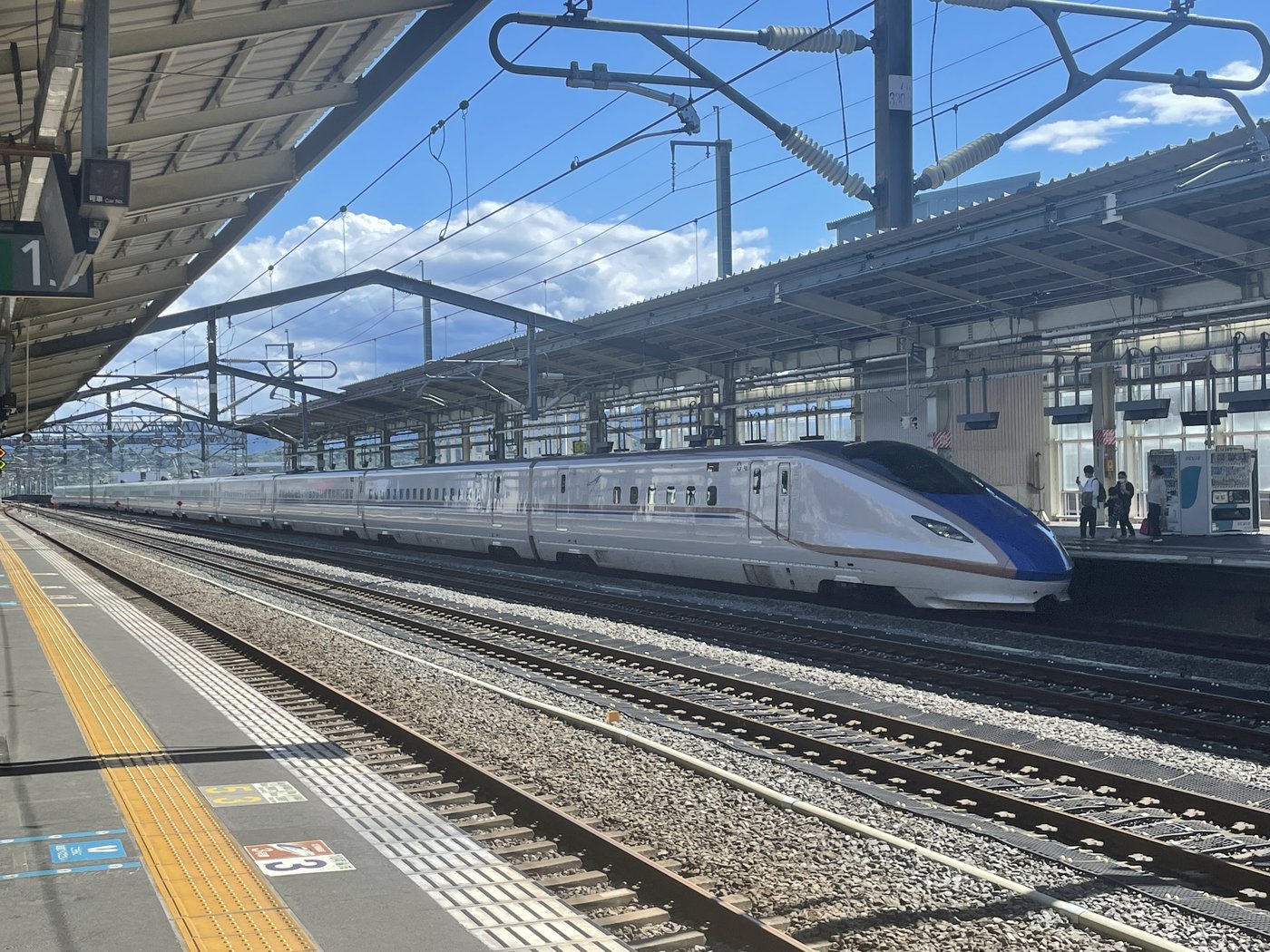
Reserved shinkansen seats for late-November weekends fill up. Reserve as soon as your dates are fixed — reservations open exactly one month ahead.
Whether a rail pass pays off depends entirely on your route. The nationwide 7-day Japan Rail Pass (commonly called the JR Pass) sits at around ¥50,000, and overseas purchase prices are set to rise from October 2026, so check the current figure before assuming. A Tokyo–Kyoto–Tokyo trip alone does not justify it; a Tokyo–Kyoto–Hiroshima loop starts to. Run your own numbers with Is the Japan Rail Pass Worth It in 2026? and Tokyo to Kyoto: Shinkansen vs Bus vs Flight. If it works out for you: 👉 Klook Japan Rail Pass
One practical note: autumn mornings in the mountains are genuinely cold, often near freezing at Kamikochi or Lake Chuzenji, while afternoons in Kyoto can still hit 20°C. Pack layers — and if you underpack, Uniqlo is in every mid-sized station and sells a packable down jacket for about ¥8,000. Not worth stressing over before you fly.
FAQ
When exactly will the leaves peak in 2026? Nobody knows in August. Current expectations put Kyoto and Tokyo around 18 November to early December, a few days later than average. Check the revised forecasts two weeks before you travel.
Is autumn more crowded than cherry blossom season? For Kyoto specifically, late November rivals early April, and it is more domestic-driven. Everywhere else, autumn is noticeably easier.
How long does the colour last in one place? Roughly two to three weeks from first turn to fallen leaves, versus about one week for cherry blossoms. That is why autumn is more forgiving to plan around.
Do I need to book temple tickets in advance? Almost never for daytime entry — you pay at the gate, usually ¥500–¥1,000 in the autumn season. Special early-morning viewings and some night light-ups do sell timed tickets.
What if I arrive and the leaves are still green? Go up. From Kyoto, Kurama and Ohara turn a week or more before the city. From Tokyo, Nikko and Hakone are ahead of the lowlands.
The verdict
If you can only pick one autumn week, aim for late November and base yourself in Kyoto, accepting the crowds in exchange for the best maple gardens in the country — and book accommodation months ahead. If your dates land in October, do not try to force city koyo; go to the mountains, where Kamikochi, Nikko and Tohoku will be at their best while Kyoto is still green.
Either way, treat the forecast as a live document, keep one flexible day, and start early. Autumn rewards people who get up.
Written from Japan by the Wayfarer Japan team. Prices and dates are approximate and change — always confirm before booking.