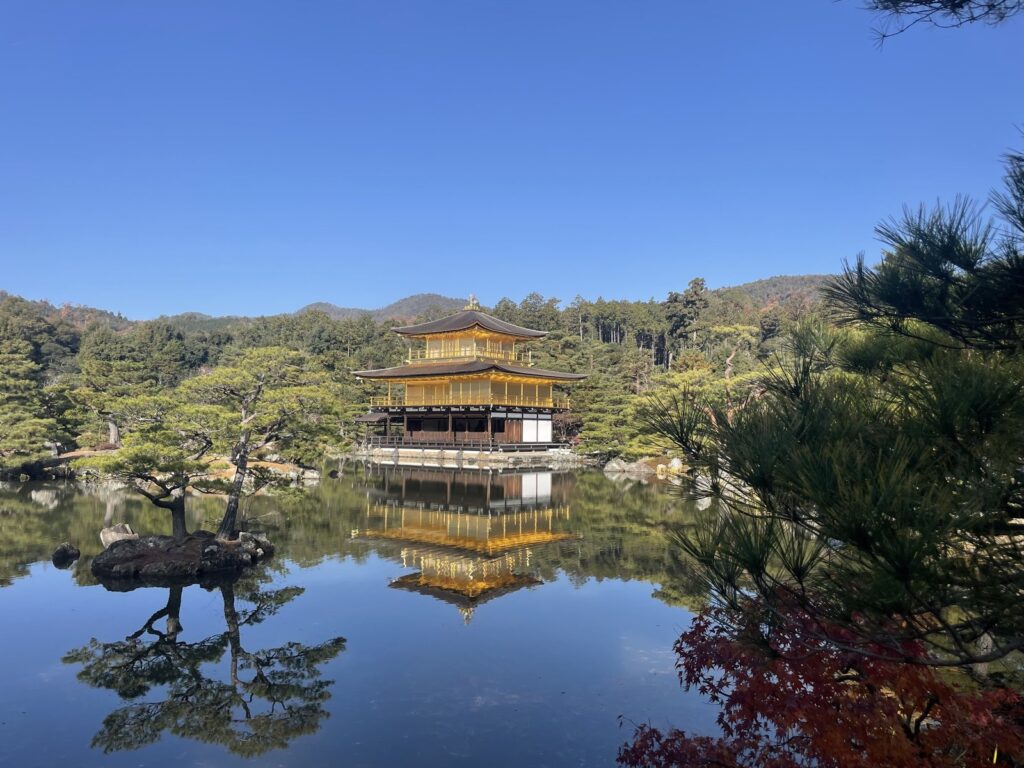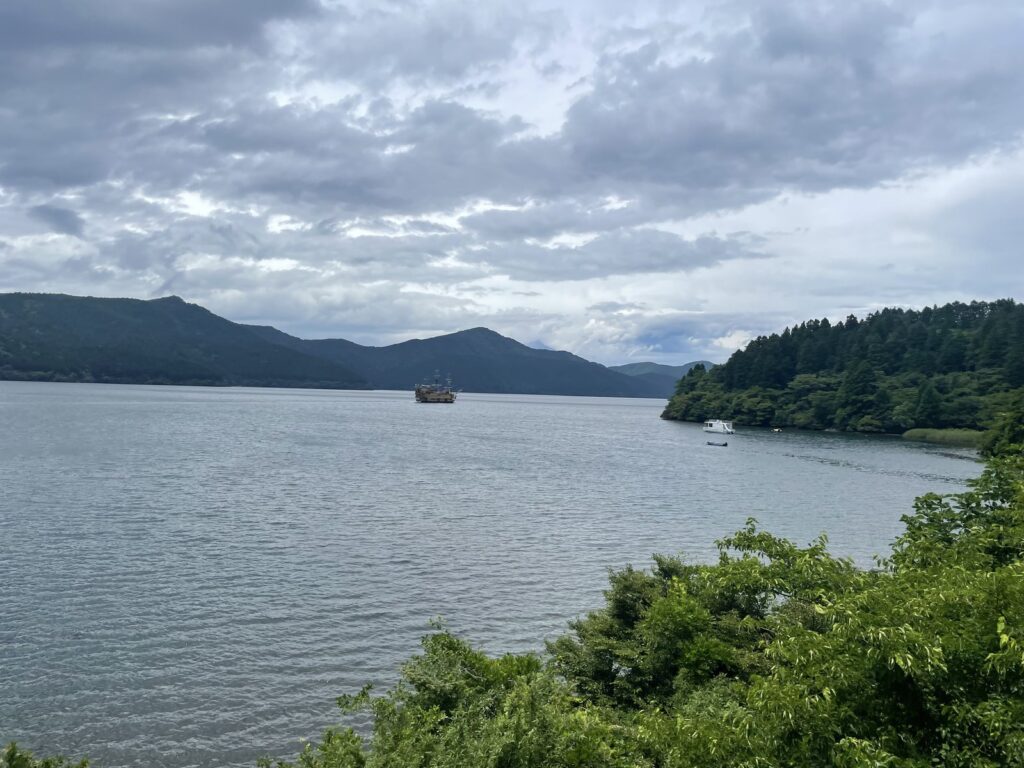
I live in Japan, and Hakone is where I go when Tokyo gets too hot, too loud, or too flat. It sits about 90 minutes from Shinjuku in the volcanic hills above Odawara, and it packs an improbable amount into a small area: sulphur vents, a caldera lake, one of the country’s best sculpture museums, hot spring water piped into almost every hotel, and — on a clear day, which is not most days — Mt. Fuji sitting on the horizon like a stage backdrop.
It is also the single most misunderstood day trip from Tokyo. Visitors arrive expecting a village and find a scattered mountain district connected by seven different modes of transport. Here’s how it actually works.
The quick answer
- Hakone is a region, not a town. The sights are spread over the hills, and you move between them by mountain railway, cable car, ropeway, boat and bus.
- Buy the Hakone Freepass. From Shinjuku it’s ¥7,100 for two days (child ¥1,600), or ¥6,000 from Odawara if you’re arriving by Shinkansen. It covers eight transport services and almost always beats paying per leg.
- The Romancecar is an extra ¥1,200 each way from Shinjuku — worth it for a reserved seat and the front-window view, but not required.
- One day works. Two is much better, because the whole point of Hakone is soaking in an onsen after dark.
- Mt. Fuji is not guaranteed. Winter mornings are the best odds; summer afternoons the worst. Plan the trip around the art, the lake and the water instead, and treat Fuji as a bonus.
Getting there from Tokyo
By Odakyu from Shinjuku. This is the standard route and the reason most people buy the Freepass. Ordinary express trains take about 100 minutes to Hakone-Yumoto with one easy transfer at Odawara, and they’re fully covered by the pass. The Limited Express Romancecar runs the same route in roughly 80–90 minutes with no transfer, but needs a separate reserved-seat ticket: +¥1,200 for adults, +¥600 for children, one way. Reservations open at 10:00 JST exactly one month before departure, online through Odakyu’s EMot system or at any Odakyu station machine. The front-row observation seats behind the driver’s cab go within minutes of release on weekends; the rest of the train is usually fine a few days out. 👉 Klook Odakyu Romancecar tickets
By Shinkansen via Odawara. Tokyo to Odawara on a Kodama takes about 35 minutes, and it’s covered if you’re travelling on a Japan Rail Pass (commonly called the JR Pass). From Odawara you switch to the Hakone Tozan line for the last 15 minutes to Hakone-Yumoto. If you’re doing it this way, buy the Odawara version of the Freepass at ¥6,000 rather than the Shinjuku one — no point paying twice for the same stretch of track. Whether the rail pass is worth buying at all is a separate question, and I go through the maths in Is the Japan Rail Pass Worth It?.
By bus. Odakyu’s Hakone Kōsoku Bus runs from Shinjuku to the Lake Ashi side directly, which is genuinely useful if your hotel is at Togendai or Moto-Hakone. Slower in traffic, but no transfers.
The Hakone Loop, explained
Almost everyone does a circuit, and there’s a reason: each leg is a different vehicle, and each one is part of the experience rather than just transport.
- Hakone Tozan Railway — Hakone-Yumoto to Gora, about 40 minutes. A two-carriage mountain train that climbs 400 metres using three switchbacks, where the driver and conductor swap ends while you sit still. Hydrangeas line the track in late June and early July.
- Hakone Tozan Cable Car — Gora to Sōunzan, 10 minutes, a funicular up a steep slope.
- Hakone Ropeway — Sōunzan over Owakudani to Tōgendai, about 30 minutes. This is the best bit: the gondola crests the ridge and the whole sulphur-stained valley opens up beneath you, steam pouring out of the hillside. Get off at Owakudani and eat a kuro-tamago, an egg boiled black in the volcanic springs. Local lore says each one adds seven years to your life. They cost about ¥500 for four.
- Lake Ashi sightseeing boat — Tōgendai to Hakone-machi or Moto-Hakone, roughly 30 minutes, on a cheerfully absurd replica pirate ship. Sit on the open upper deck; the Fuji view, if there is one, is behind you as you sail south.
- Bus back to Hakone-Yumoto — about 40 minutes down the valley, and the last leg your Freepass covers.
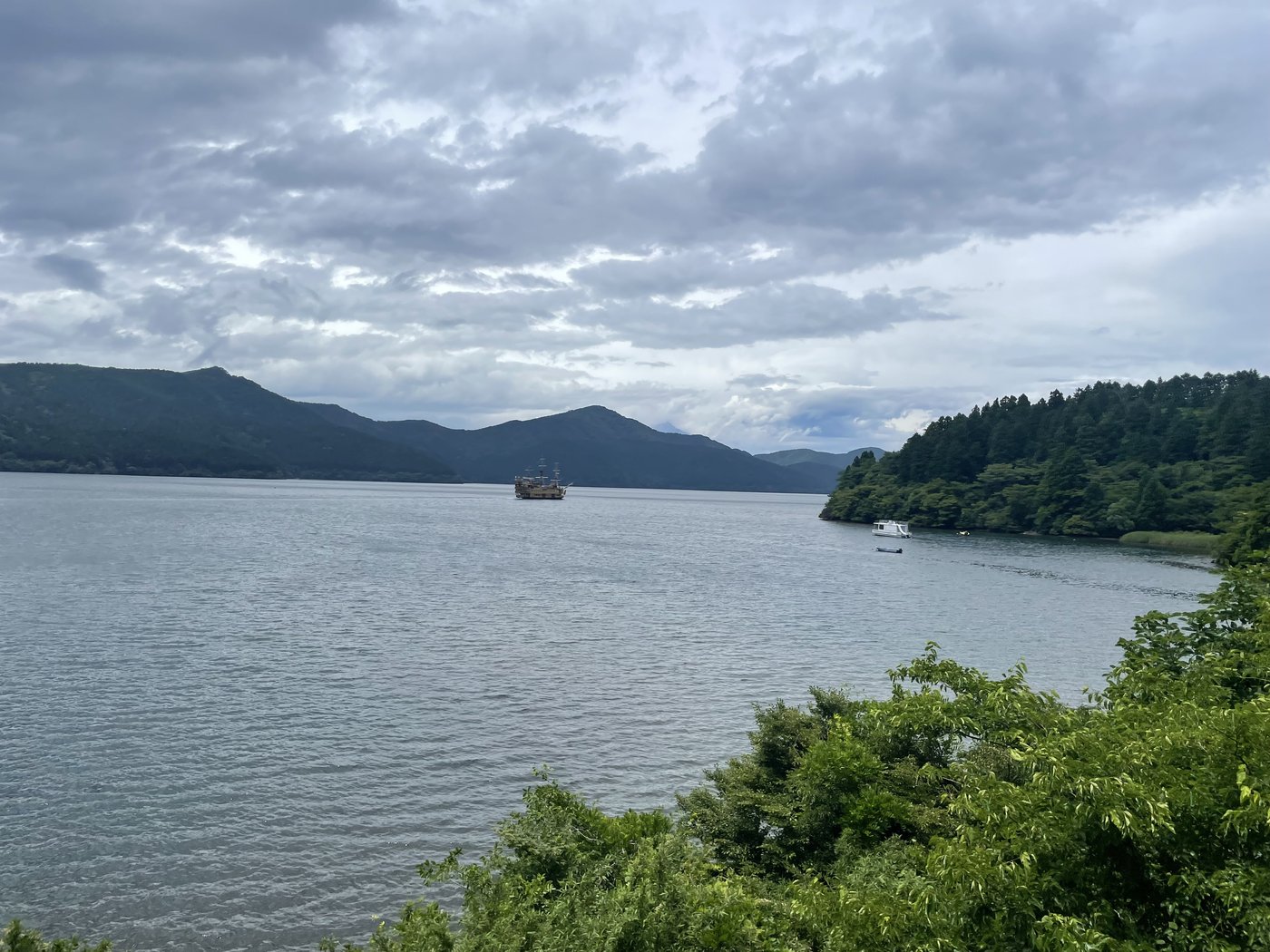
Doing the full loop at a walking pace with stops takes six to seven hours. Going anticlockwise (boat first, ropeway last) is quieter in the morning but means you’re descending the ropeway into the afternoon haze.
One important caveat: Hakone is an active volcano. The Japan Meteorological Agency has it at alert level 1 as of mid-2026 — normal, no restrictions — but the ropeway suspends service for high winds, elevated volcanic gas, or scheduled maintenance, which in early 2026 closed sections for several weeks in January and February. Substitute buses run when it happens. Check the ropeway’s operating status the morning you go rather than assuming.
Where Mt. Fuji actually appears
Three reliable vantage points, all on the loop: the ropeway between Owakudani and Tōgendai, the northern end of Lake Ashi around Tōgendai, and the lake shore at Moto-Hakone looking north-west.
The honest part: Fuji hides. Visibility is best from December through February, when the air is dry and cold — often 60–70% of mornings. In summer it’s frequently under cloud by 9am and you may see nothing at all for two days. If a Fuji photograph is the actual goal of your trip, Hakone is a gamble and a dedicated tour is a better bet — I compare the options in Mt. Fuji Tours from Tokyo.
Onsen: day visit or overnight
Hakone’s water is the reason the region exists. Seventeen separate hot spring sources feed the district, and most hotels and ryokan pipe it straight into their baths.
Staying the night is the version I’d recommend. You get the bath twice — before dinner and again before breakfast — and a proper kaiseki meal in between. Hakone ryokan run from around ¥18,000 to ¥60,000 per person per night including two meals, and rooms with a private open-air bath on the balcony cost more but remove the tattoo and modesty questions entirely. If you’re undecided about the format, Hotel vs Ryokan walks through what you’re actually paying for. 👉 Booking.com Hakone ryokan
Day bathing (higaeri onsen) is easy here — many ryokan open their baths to non-guests for roughly ¥1,500–2,500 in the early afternoon, and Hakone-Yumoto has several bathhouses within five minutes of the station. Hakone Kowakien Yunessun is the outlier: a swimsuit-on water park with wine, coffee and green tea baths, ¥2,500–3,000 for adults, plus a traditional nude section called Mori no Yu at ¥1,500–1,800. It’s silly and children love it.
Tattoos remain an issue at some traditional baths. Private rooms, family baths and Yunessun’s swimsuit area sidestep the problem.
The art, which surprises people
The Hakone Open-Air Museum in Gora is the one to prioritise even if museums aren’t normally your thing. Seventy hectares of hillside with Henry Moore and Rodin sculptures on the grass, a Picasso pavilion, a stained-glass tower you climb, and a free foot bath at the end fed by hot spring water. Admission is ¥2,000 at the gate or ¥1,800 booked online in advance through the museum’s own site — worth doing, since it’s the official channel and the only discount going.
The Pola Museum of Art near Sengokuhara is quieter, largely underground, and holds a serious Impressionist collection — Monet, Renoir, Van Gogh. Around ¥2,200. There’s a good forest walking path attached.
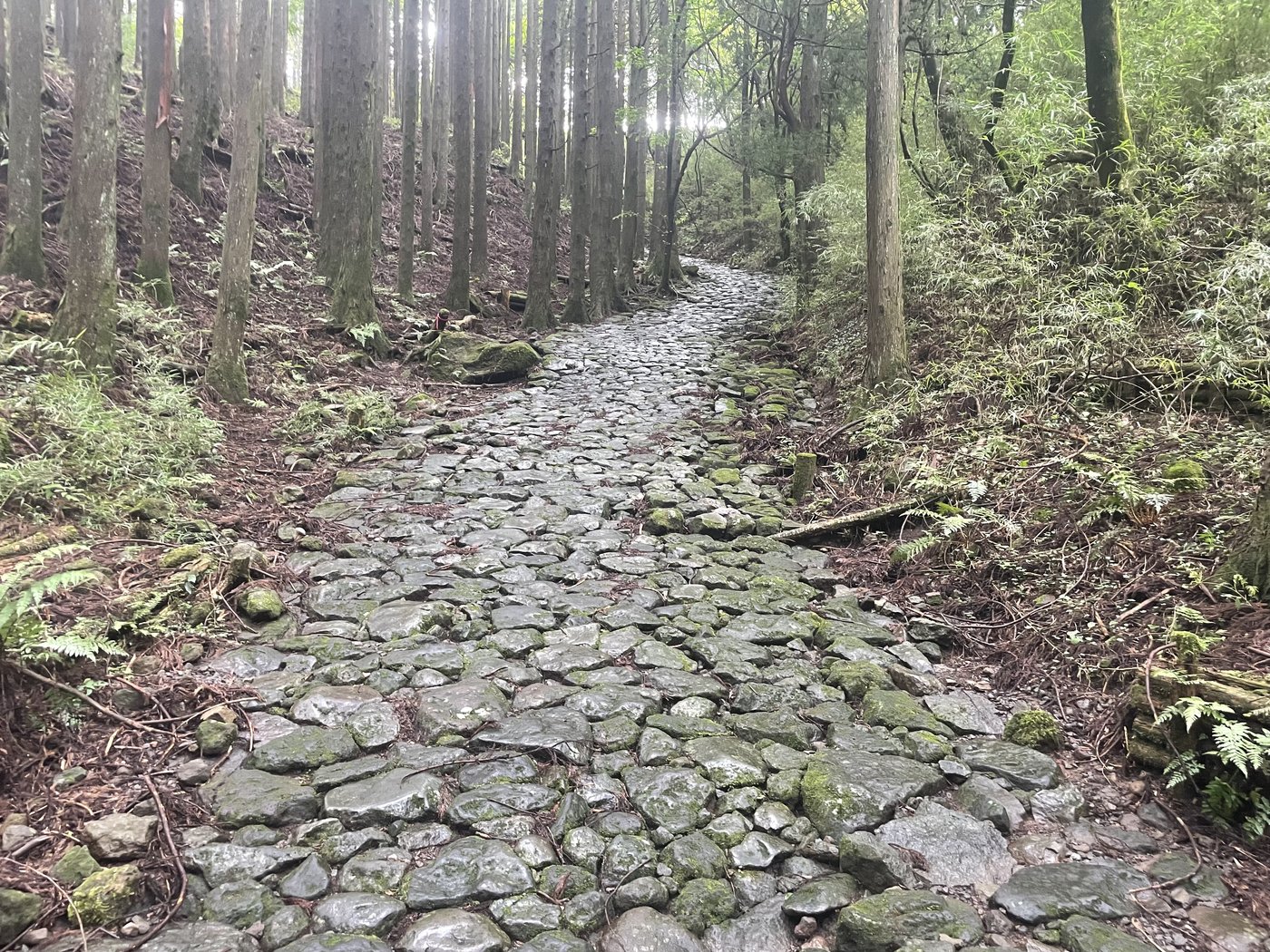
If you’d rather walk than look at art, the stone-paved Old Tōkaidō Road between Moto-Hakone and Hakone-Yumoto is the original Edo-period highway, still surfaced with the same uneven stones. The two-hour cedar-lined section down to Hatajuku passes Amazake Chaya, a 400-year-old thatched teahouse serving sweet non-alcoholic rice amazake and mochi. It has been run by the same family for thirteen generations.
Costs at a glance
| Item | Approximate 2026 cost |
|---|---|
| Hakone Freepass, 2-day from Shinjuku | ¥7,100 adult / ¥1,600 child |
| Hakone Freepass, 2-day from Odawara | ¥6,000 adult / ¥1,500 child |
| Hakone Freepass, 3-day from Shinjuku | ¥7,500 adult |
| Romancecar surcharge (Shinjuku, one way) | ¥1,200 adult |
| Hakone Open-Air Museum | ¥1,800 online / ¥2,000 gate |
| Pola Museum of Art | ¥2,200 |
| Yunessun (swimsuit zone) | ¥2,500–3,000 |
| Ryokan with two meals, per person | ¥18,000–60,000 |
These are approximate and change with the season and the operator — confirm before you book. 👉 Klook Hakone Freepass
FAQ
Is the Hakone Freepass worth it? Almost always yes. The individual legs of the loop alone — mountain train, cable car, ropeway, boat, bus — run past ¥5,000 before you’ve added the trip from Tokyo, and the pass also gets you small discounts at museums and some baths. The only case where it doesn’t pay is if you’re going straight to one ryokan and staying put.
Can I do Hakone as a day trip? Yes, and plenty of people do. Leave Shinjuku by 8am, do the loop clockwise, and you’ll be back around 7pm. You’ll skip the evening bath, which is the best part. Other options for a single day out of the city are in Best Day Trips from Tokyo.
Do I need cash? Less than you used to. IC cards and credit cards work on the Odakyu line, most museums and the larger hotels, but small teahouses, some buses and the black-egg stand at Owakudani are cash-only. Carry ¥5,000–10,000 in notes. See Suica, PASMO and Welcome Suica if you haven’t sorted a card.
When is Hakone best? Late June for hydrangeas along the mountain railway, November for autumn colour (see Best Autumn Leaves Spots in Japan), and January or February for the clearest Fuji. August is hot everywhere in Japan, but Hakone runs several degrees cooler than Tokyo thanks to the elevation, which is why I go — more on surviving that in Japan in Summer.
Is there luggage storage? Yes. Hakone-Yumoto station has coin lockers, and Odakyu runs a same-day baggage delivery service from the station to participating hotels if you book by late morning. Dragging a suitcase onto the ropeway is a bad idea.
The verdict
Hakone earns its reputation, but not as a checklist of sights — as a day of moving through a landscape by unlikely means, ending in hot water. Buy the Freepass, book the Romancecar if you can, stay one night if the itinerary has room, and go in expecting the volcano and the art rather than the mountain. If Fuji shows up, that’s the trip you’ll tell people about. If it doesn’t, you’ll still have had a good one.
Written from Japan by the Wayfarer Japan team. Prices and schedules are approximate for 2026 — please confirm before booking.