I live in Japan, and August is the month when the country stops pretending it is a quiet, orderly place. Streets that are silent in February fill with drum towers, dance lines, shaved-ice stalls and 200,000 people all trying to reach the same station at 20:35. It is loud, sweaty, deeply strange to a first-time visitor, and genuinely one of the best things you can do here.
It is also the part of Japan travel that guidebooks handle worst, because the useful information is not “here are ten beautiful festivals.” The useful information is: which dates are locked in, how the ticket system works, and what happens when the show ends and the trains cannot absorb the crowd. That is what this guide covers.
The quick answer
- Two different things share the word “festival.” Matsuri are shrine or community festivals with floats, dancing and food stalls. Hanabi taikai are fireworks competitions and displays. Both peak in late July and August.
- The big ones are on fixed or near-fixed dates. Aomori Nebuta runs August 2–7. Sendai Tanabata is August 6–8. Tokushima’s Awa Odori is August 12–15. Kyoto’s Gozan no Okuribi is always August 16.
- In 2026, the headline events are Aomori Nebuta (Aug 2–7), Sendai Tanabata (Aug 6–8), the Jingu Gaien fireworks in Tokyo (Aug 8), Awa Odori (Aug 12–15), Gozan no Okuribi (Aug 16), and the Omagari national fireworks competition plus Tokyo’s Koenji Awa Odori, both on August 29.
- Paid fireworks seats sell out months early and are mostly sold through Japanese ticketing sites, not international platforms. Free viewing areas are the realistic option for most visitors.
- Obon (roughly August 13–16) is the single busiest travel week of the Japanese summer. Reserve shinkansen seats the moment booking opens, or plan to stay put.
- Bring nothing special. A hand towel, a drink and cash for the stalls. Everything else you can buy at a convenience store on the way.
Matsuri and hanabi are not the same event
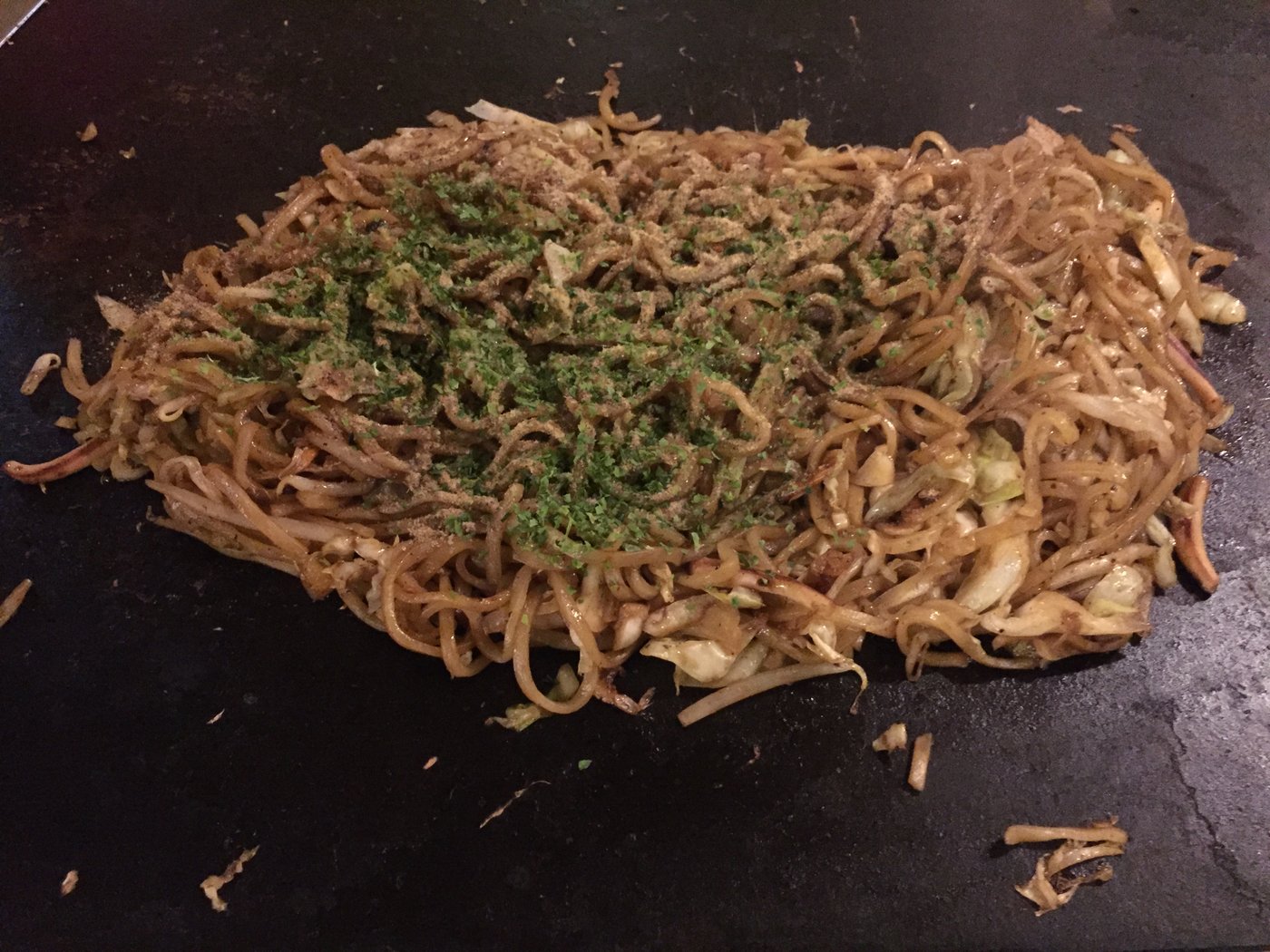
This trips people up constantly. A matsuri is tied to a shrine or a neighbourhood: portable shrines carried through the street, taiko drums, dance troupes, rows of yatai food stalls selling yakisoba, grilled squid and chocolate-covered bananas. It runs for hours across an afternoon and evening, and you wander through it.
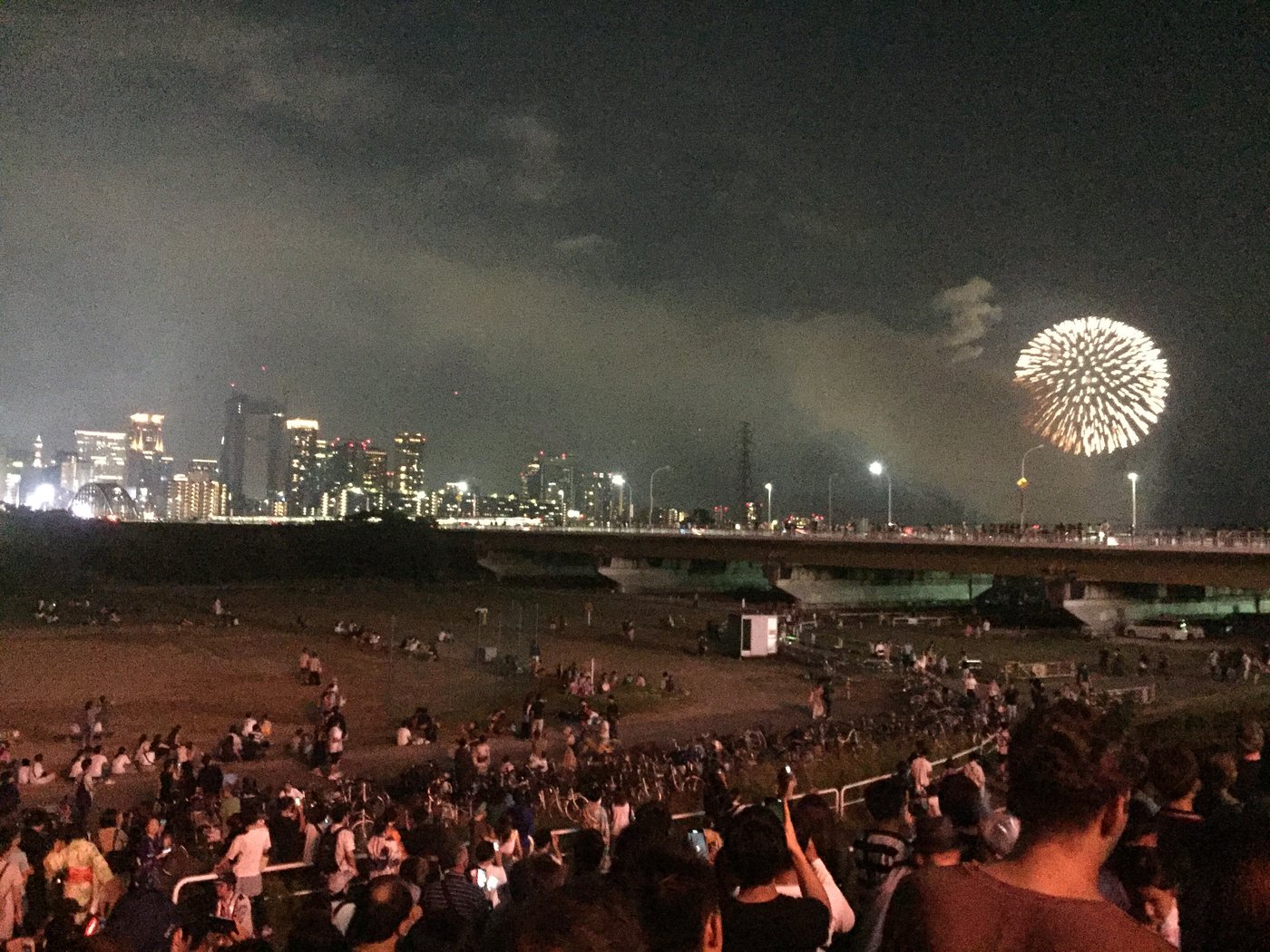
A hanabi taikai is a scheduled display, usually 60 to 90 minutes, on a riverbank or bay. You claim a spot, you sit, you watch. Japanese fireworks are built differently from Western ones — the classic warimono shell opens as a perfect sphere of concentric rings, and competitions like Omagari are judged on that precision. If you have only ever seen fireworks as background to a music show, the silence between shells here will surprise you.
Some events are both. Many regional matsuri end their final night with fireworks.
The 2026 dates worth planning around
| Event | Where | 2026 dates |
|---|---|---|
| Aomori Nebuta Matsuri | Aomori, Tohoku | August 2–7 |
| Sendai Tanabata Matsuri | Sendai, Tohoku | August 6–8 |
| Jingu Gaien Fireworks | Tokyo (Shinjuku) | August 8 (rain date Aug 9) |
| Tokushima Awa Odori | Tokushima, Shikoku | August 12–15 |
| Gozan no Okuribi | Kyoto | August 16 (every year) |
| Omagari National Fireworks Competition | Daisen, Akita | August 29 |
| Koenji Awa Odori | Tokyo (Suginami) | August 29–30, 17:00–20:00 |
Aomori’s Nebuta is the one to see if you can only see one: enormous illuminated paper warrior floats pulled through the streets by teams, with haneto dancers leaping alongside. Tokushima’s Awa Odori is 400 years old and takes over an entire city. Kyoto’s Gozan no Okuribi is the quiet one — five giant character-shaped bonfires lit on the mountains around the city to send ancestors’ spirits home at the close of Obon. No stalls, no music, just the hillsides burning.
Dates for 2027 and beyond generally repeat: Nebuta is always August 2–7, Sendai Tanabata always August 6–8, Awa Odori always August 12–15, Okuribi always August 16. Fireworks dates move with the calendar, so confirm those each year.
How paid fireworks seating actually works
This is the part visitors get wrong. At Japan’s largest hanabi, the good riverside ground is sold as reserved seating, and it is not sold the way concert tickets are sold abroad.
At the Omagari competition, for example, 2026 seating included chair seats around ¥7,000, four-person table seats around ¥30,000 for the group, and photographer positions around ¥10,000, with online advance sales opening in June. Popular categories sold out within minutes. Tokyo’s Jingu Gaien fireworks went further: the entire viewing area inside Jingu Stadium and Chichibunomiya Rugby Stadium is reserved paid seating, sold through Japanese ticket agencies. Treat all of those figures as approximate and confirm on the official event site before you commit to anything.
Three honest points:
- Most of these tickets are not listed on international booking platforms. They go through Lawson Ticket, Pia, e-plus, or hometown-tax schemes, several of which want a Japanese address or phone number. If you find a viewing-seat package on a tour platform, great, but do not build your trip around assuming one exists.
- Free areas are genuinely fine. Every major display has open riverbank or park viewing. Arrive two to three hours early with a picnic sheet, and you will see the same sky.
- Sold out is sold out. There is no walk-up option at the gate for the big ones.
If a festival is the anchor of your trip, book the hotel before you think about seats. Rooms in Aomori during Nebuta and Daisen during Omagari go months in advance, and prices double.
Getting there, and the Obon problem
Obon, roughly August 13–16, is when much of the country travels home at once. Combined with Mountain Day on August 11, it produces the heaviest domestic travel week of the summer. Reserved shinkansen seats in the Obon window disappear early, non-reserved cars run standing-room only, and expressways jam.
Plan around it in one of two ways: reserve your seats the moment the booking window opens (one month ahead), or stay in one metro area that week and use local trains. If your itinerary does involve several long-distance legs in August, it is worth running the numbers on a rail pass — I walk through when it pays off in Is the Japan Rail Pass Worth It? and how to buy one in How to Buy the Japan Rail Pass Online.
The bigger practical issue is the end of the night. When a display finishes, 100,000 people walk to one station simultaneously and staff hold the crowd in queues outside the gates for 30 to 60 minutes. This is normal and orderly. Do not fight it, do not plan a connection you cannot miss, and if you are travelling as a group, agree on a meeting point in advance — mobile networks get congested enough at these events that messages arrive late. Having your own data helps; see Best eSIM for Japan for the options.
What to wear and what to bring
You will see visitors in yukata, the light cotton summer kimono, and it is entirely welcome — festivals are the one setting where nobody will think twice about it. Rental shops near festival areas will dress you for roughly ¥3,000–6,000, and hotels sometimes arrange it. Wear it with the left side over the right; the reverse is used for funerals.
If you would rather not, normal summer clothes are completely fine. What actually matters:
- A small towel. Everyone carries one. August in Japan runs above 33°C with humidity to match.
- Cash. Food stalls are still overwhelmingly cash-only, in small notes and coins.
- Comfortable shoes. Traditional geta sandals look right and destroy your feet over four hours of standing.
- A cheap plastic picnic sheet if you are going to fireworks. Sold at any 100-yen shop.
Forgot something? Do not stress about it. Convenience stores sell towels, drinks, fans and cooling sheets; drugstores sell everything else; a fan and a sheet cost a few hundred yen. Nothing on this list is worth packing from home.
For the heat itself, the tactics in Japan in Summer and Where to Escape Japan’s Summer Heat apply — and note that festival evenings are the coolest, most bearable hours of an August day, which is exactly why they exist.
If you cannot travel far
Tokyo and Osaka both run neighbourhood festivals through July and August that require no planning at all. Koenji’s Awa Odori on August 29–30 brings roughly 10,000 dancers to a few streets in west Tokyo, free, no ticket, ten minutes from Shinjuku. Local shrine festivals happen constantly in August — if you see red-and-white bunting or paper lanterns strung along a shopping street, there is one on that week. Walk in. They are open to anyone, and the etiquette is simply the ordinary etiquette covered in Japan Etiquette: 15 Dos and Don’ts for Visitors.
For deciding where to base yourself for a festival-heavy August, Where to Stay in Tokyo covers which areas keep you closest to late-night train lines.
FAQ
Do I need a ticket to attend a matsuri? No. Street festivals like Nebuta, Awa Odori and neighbourhood matsuri are free to watch. Paid grandstand seats exist at the largest ones and give you a guaranteed view of the parade route, but the free standing areas work.
Can foreigners join in the dancing? At Awa Odori, yes — there are open niwaka-ren groups anyone can join, no experience needed. Aomori Nebuta lets you dance as a haneto if you wear the proper costume, which can be rented locally. Both are among the best experiences available to a visitor in Japan.
How early should I arrive at a fireworks display? For a free spot at a major show, two to three hours. For a small local one, 45 minutes is plenty.
What happens if it rains? Most fireworks displays have a designated rain date, usually the following day. Matsuri generally proceed regardless. Check the official site the morning of.
Is it worth travelling to Tohoku or Shikoku just for a festival? If your dates line up with Nebuta or Awa Odori, yes. These are not tourist re-enactments; they are the single biggest event of the year in those cities, and the atmosphere reflects it.
The verdict
If you are in Japan in August, build one festival into the trip. It does not have to be a famous one — a neighbourhood matsuri with fifty lanterns and a yakisoba stall shows you something about how this country works that no temple visit will.
If you want a famous one, pick your date first, book the hotel second, and treat paid fireworks seating as a bonus rather than a plan. Arrive early, carry cash and a towel, accept that getting home will take an hour longer than it should, and eat something questionable from a stall. That is the whole formula, and it has not changed in a very long time.
Written from Japan by the Wayfarer Japan team. Prices, dates and ticketing rules are approximate and change year to year — always confirm on the official event site before booking.
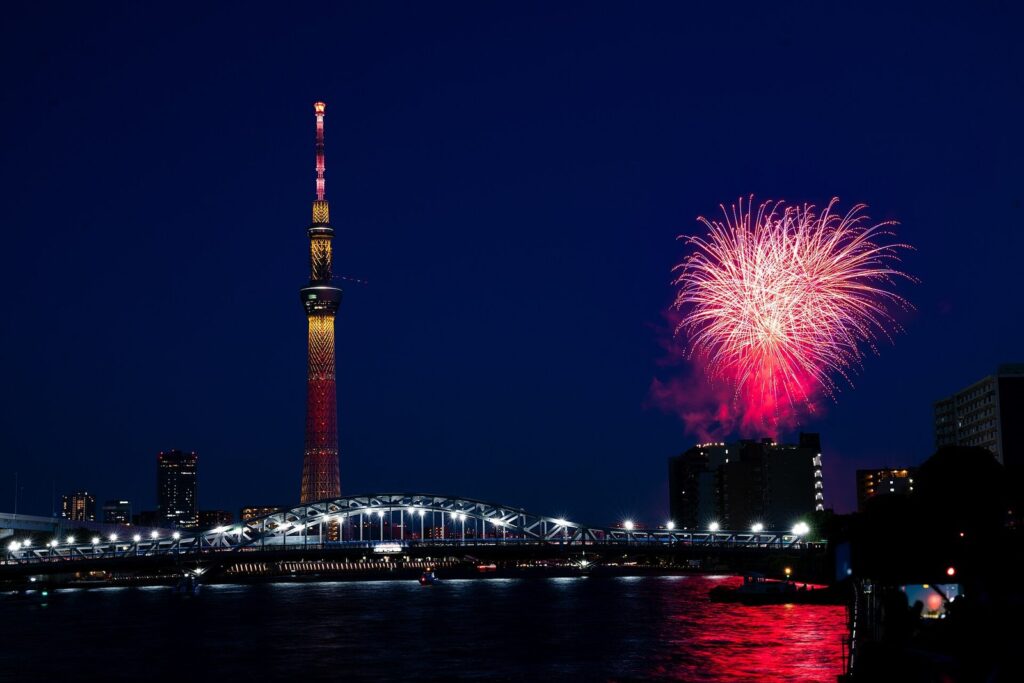
Featured image: “Sumidagawa Fireworks Festival 2023 (53328807751)” by Dick Thomas Johnson from Tokyo, Japan, CC BY 2.0, via Wikimedia Commons