I live in Japan, and almost every friend who visits asks me the same question before they land: how much cash should I actually bring? The honest answer has changed a lot in the last few years. Japan used to have a reputation as a stubbornly cash-only country, and parts of that are still true, but the gap has closed faster than most guidebooks admit. The trouble is that nobody tells you which parts are still cash-only, so people either over-pack envelopes of yen they never touch, or assume a credit card will work everywhere and get stuck at a shrine offering box or a tiny ramen counter with nothing but a ¥10,000 note and no change machine in sight.
The quick answer
- Japan’s cashless payment ratio hit roughly 58% in 2025, and tourists will find cards, contactless and IC cards (Suica/PASMO) accepted at nearly every convenience store, chain restaurant, department store, train station and taxi in Tokyo, Osaka, Kyoto and other major cities.
- Visa and Mastercard contactless (including Apple Pay and Google Pay) have the widest acceptance of any payment method for visitors.
- Cash is still required at small independent restaurants, shrine and temple offering boxes, festival food stalls, some vending machines, coin laundromats, and many guesthouses outside big cities.
- 7-Eleven’s Seven Bank ATMs are the most reliable way to withdraw yen on a foreign card — available 24/7, with an English menu, in nearly every konbini nationwide.
- A good rule of thumb: carry ¥10,000–20,000 in cash per person as a buffer, more if you’re heading into smaller towns, and let cards and IC cards handle the rest.
Cards work in more places than people expect
The old advice to “bring lots of cash to Japan” is outdated for anyone sticking to cities. As of 2026, every major convenience store chain — 7-Eleven, Lawson, FamilyMart — takes Visa, Mastercard, Amex and JCB, plus contactless and Suica. Chain restaurants, supermarkets, department stores, JR ticket machines, Shinkansen reservations, and most taxis and rideshare apps in Tokyo, Osaka, Kyoto and Hiroshima all take cards or contactless now too.
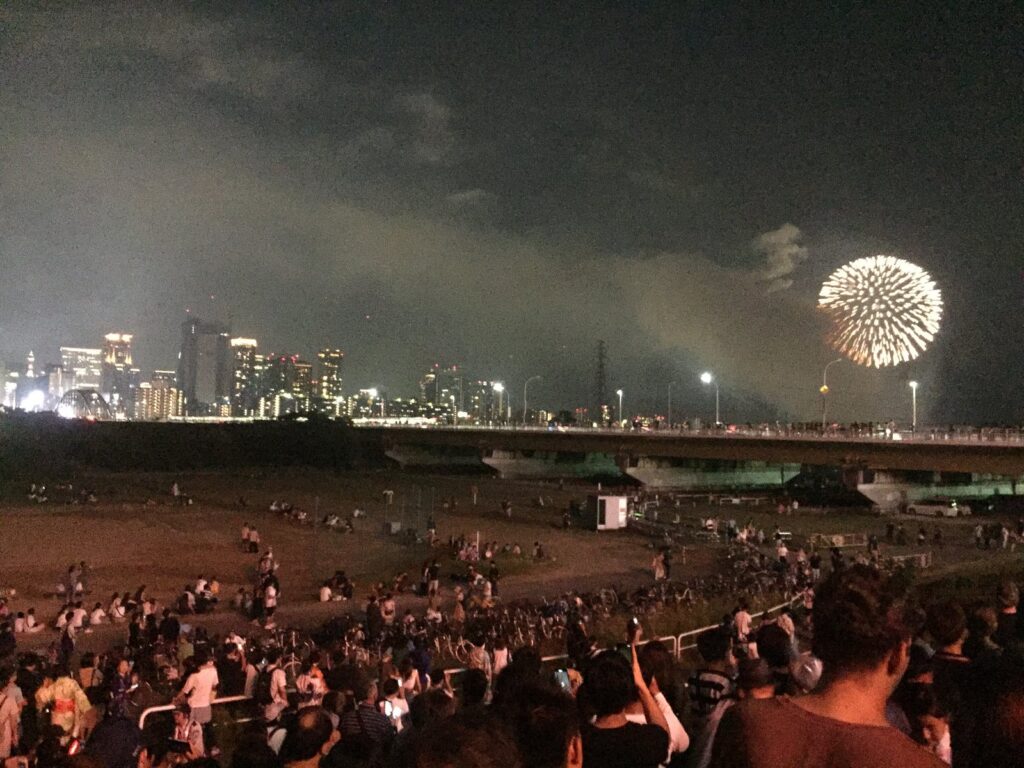
Where this breaks down is the small, independent places that make Japan worth visiting in the first place: the six-seat ramen counter, the family-run izakaya, the shrine’s offering box, a festival yakitori stall, or the vending machine outside your ryokan. Many of these still only take coins and bills, and a handwritten “cash only” sign is sometimes in Japanese only. Rural areas and smaller towns lag the big cities noticeably, so if your itinerary includes somewhere like a mountain onsen town or a small fishing village, assume you’ll need more cash than you would in central Tokyo.
Before you leave home, check whether your card charges a foreign transaction fee — typically 1–3% per purchase. A handful of travel-focused cards waive this entirely, and if you’re getting a new card specifically for the trip, that’s the detail worth comparing, more than the exact exchange rate.
ATMs: where to withdraw, what it costs
Seven Bank ATMs, inside almost every 7-Eleven, are the default recommendation for a reason: they’re everywhere, they run 24 hours, and the English-language menu is straightforward. The fee structure depends on your card network. For Visa, it’s ¥110 for withdrawals of ¥10,000 or less, and ¥220 for anything above that. Mastercard, Maestro and Cirrus cards currently pay no ATM fee at all at Seven Bank, which makes a Mastercard debit card worth considering if you’re choosing a card specifically for this trip. On top of whatever Seven Bank charges, your home bank usually adds its own foreign transaction fee, so check that separately — it’s often the bigger cost of the two.
Seven Bank limits withdrawals to ¥50,000 per transaction and ¥300,000 per day, which is plenty for most trips but worth knowing if you’re withdrawing for a group. Japan Post Bank ATMs are the other reliable option for foreign cards and are common even in smaller towns, though hours at some branches are more limited than a 24-hour konbini. Lawson and FamilyMart ATMs (run by a different network, E-net) are more inconsistent about accepting foreign-issued cards, so don’t count on them as your primary plan.
A card that doesn’t charge you a foreign transaction fee on top of the ATM fee — several online-first banks and travel cards offer this — will save a meaningful amount over a week-long trip if you’re making several withdrawals.
IC cards: Suica and PASMO handle the small stuff
For day-to-day small payments — trains, buses, vending machines, konbini snacks — an IC card is more convenient than cash or a credit card. Suica and PASMO work interchangeably across nearly the entire country for transit and are now accepted at most vending machines and convenience stores too. If your phone supports it, Apple Pay now lets many travelers add a Suica directly to their Wallet and top it up with a foreign credit card, skipping the physical card and the queue at a ticket machine entirely. If you’d rather have a physical card, a Welcome Suica aimed at short-term visitors is sold at major airports and stations — we cover the setup in detail in our guide to Suica, PASMO and Welcome Suica.
Exchanging cash: airports are the worst place to do it
If you want physical yen before you’ve even left the airport, exchange counters there typically offer the worst rates of any option in the country — they know arriving travelers are a captive audience. A Seven Bank ATM withdrawal, even with its small fee, usually beats an airport currency exchange counter on the actual amount of yen you end up with. If you do want some cash in hand before you land, exchanging a small amount at your home bank ahead of time, or using an ATM once you arrive, both tend to work out better than converting a large sum at the airport the moment you touch down.
FAQ
Is Japan still a cash-first country? Not in the cities. Cards and contactless now cover the large majority of everyday tourist spending in Tokyo, Osaka and Kyoto. Cash still matters for small shops, shrines, festivals and rural areas.
How much cash should I carry? ¥10,000–20,000 per person as a working buffer is reasonable for a city-based trip; carry more if your plans include smaller towns or rural areas with fewer card terminals.
Which ATM is most reliable for foreign cards? Seven Bank ATMs inside 7-Eleven stores. They’re nationwide, open 24 hours, and have a dependable English menu.
Do Mastercard holders really pay no ATM fee? At Seven Bank specifically, yes — Mastercard, Maestro and Cirrus currently withdraw with no Seven Bank fee, though your own bank’s foreign transaction fee may still apply.
Can tourists use PayPay or other Japanese QR payment apps? Generally no — most require a Japanese bank account or phone number to set up, so they’re not a practical option for short-term visitors. Stick to cards, IC cards and cash.
The verdict
Bring a card with no foreign transaction fee, plan to withdraw yen from a Seven Bank ATM once or twice during your trip rather than exchanging a big stack at the airport, and keep a modest cash buffer in your wallet for the shrine box, the festival stall and the tiny restaurant that’s cash-only for reasons that have nothing to do with you. Cities will take your card almost everywhere; it’s the small, memorable places that still want yen.
All fees and figures checked against current 2026 rates — confirm with your own bank before you travel, since terms vary by card issuer.
Written from Japan by the Wayfarer Japan team.