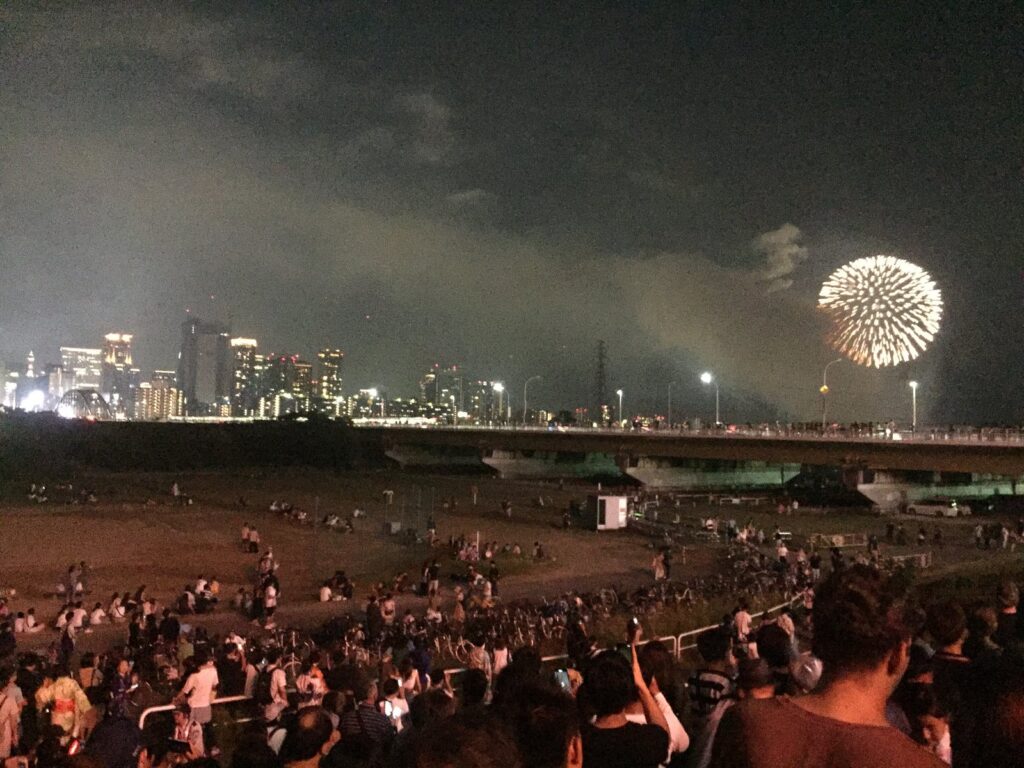
I live in Japan, and winter is the season I find myself recommending to people who think they’ve already “done” Japan. The crowds thin out, the air turns crisp and clear instead of hazy, and on a good morning you can see Mt. Fuji from a Tokyo train platform with a sharpness August never gives you. Unlike the other three seasons here, winter has almost no single bad stretch to dodge — just two short, predictable spikes, and a long calm middle most visitors never plan around well enough to use.
That doesn’t mean winter is simple. The cold surprises people who assume “Japan” means mild, Tokyo and Hokkaido are functionally different trips, and the biggest single trap — the New Year holiday — catches first-timers almost every year. Here’s what I’d tell a friend booking a December, January or February trip.
The quick answer
- Tokyo, Kyoto and Osaka hover around 10°C (50°F) by day and 1–3°C by night from December through February, with January the coldest month. It’s a dry cold, not a damp one — closer to a clear winter day than a grey one.
- Hokkaido and the Japan Alps are a different climate entirely, with regular snow, sub-zero days, and some of the best skiing in the world.
- The one period to actively plan around is December 29–January 4, when much of the country shuts down for Oshogatsu (New Year). Book trains, flights and hotels for this window early, or avoid it.
- A second, smaller spike hits in the first half of February, driven by the Sapporo Snow Festival and the Lunar New Year travel surge — this one affects Hokkaido and major cities, not the whole country.
- Outside those windows, winter is the least crowded season at major sights in Kyoto, Tokyo and Osaka — shorter lines, easier reservations, cheaper hotels.
- You don’t need to arrive with a suitcase full of thermal gear. Japan sells excellent, cheap winter clothing everywhere, and I say that as someone who still buys a new coat here most years.
How cold it actually gets
In the three cities almost every first-time itinerary runs through, the numbers are milder than people expect, but the feeling of the cold is sharper. Tokyo and Osaka run about 12°C by day in December, dropping to around 10°C in January and climbing back slightly by February; Kyoto runs a degree or so colder, since it sits in a basin that holds the chill. Night lows across all three sit between 1°C and 5°C — cold enough that an unheated old building, a temple hall or some ryokan corridors can feel colder than the street outside.
Hokkaido and the Sea of Japan side of Honshu are a different trip. Sapporo sits well below freezing for most of January and February, and heavy, reliable snowfall is the point, not a hazard to work around. If skiing or the famous Hokkaido powder is the reason for your trip, I’ve written a dedicated guide — Skiing in Japan — covering Niseko, Hakuba and Nozawa Onsen, so I won’t repeat it here.
Okinawa sits at the opposite end: daytime highs still in the high teens to low 20s°C through winter, the honest answer for anyone who finds 10°C genuinely unpleasant. Okinawa Travel Guide covers getting there and what the beaches look like out of season.
The New Year shutdown: the one trap that catches people every year
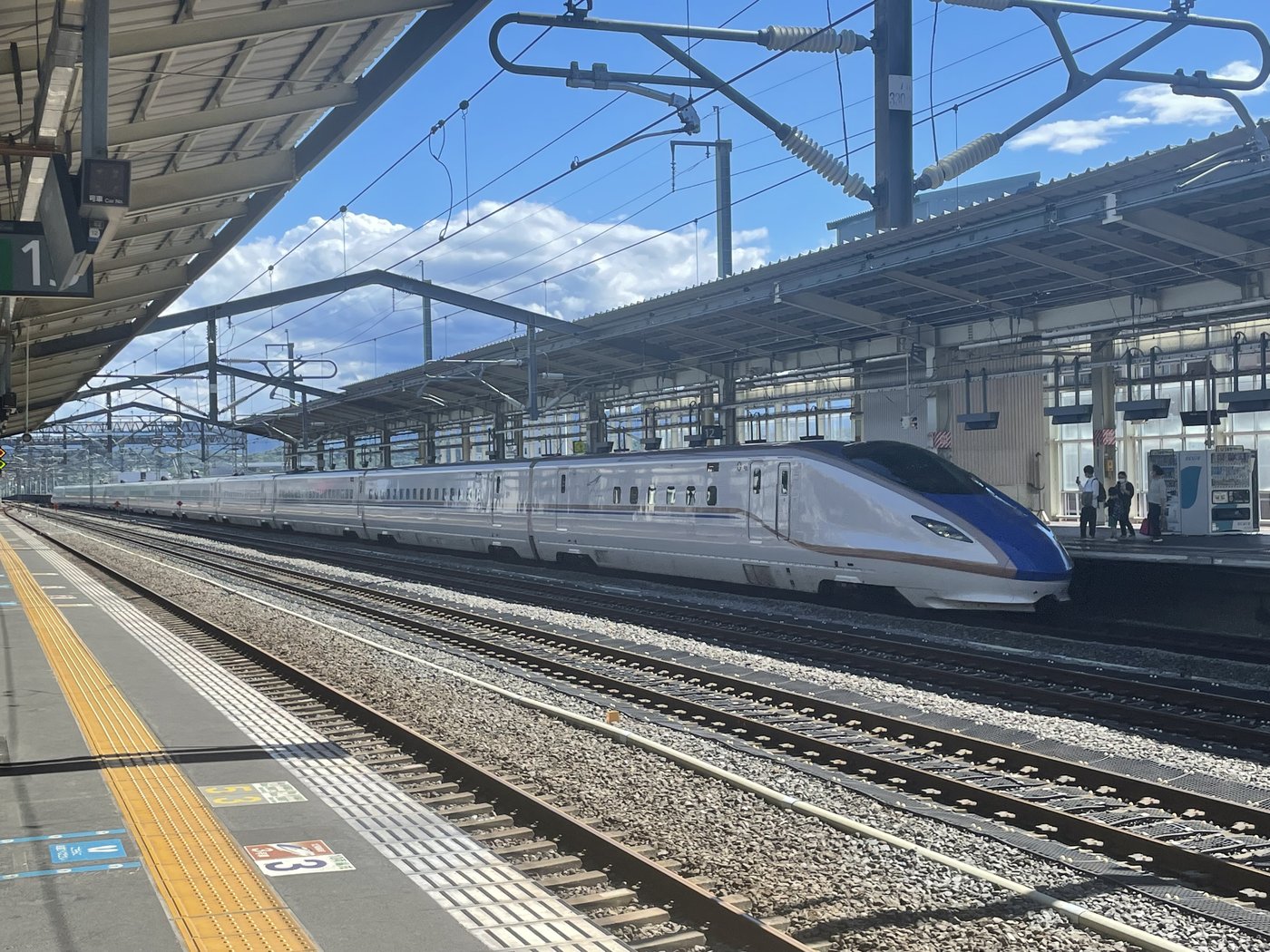
Here is the thing almost no generic “visit Japan in winter” article explains clearly: from around December 29 through January 3, a meaningful share of the country closes. Many restaurants, museums, smaller shops and some tourist facilities shut for several days, train and flight schedules compress (especially very early on January 1), and hotel and shinkansen prices climb for the whole surrounding week as domestic travelers head home for the holiday.
What stays open and busy: major shrines, packed with people doing hatsumode (the first shrine visit of the year) in the days either side of January 1 — Meiji Shrine in Tokyo and Fushimi Inari in Kyoto are the two best-known examples, part of the experience if you want it, worth avoiding if you don’t. Convenience stores never close. Department stores typically reopen January 2 for fukubukuro — mystery “lucky bags” at a steep discount, a genuinely fun thing to witness even if you don’t buy one.
If your trip lands in this window, book your Tokyo or Kyoto stay and any long-distance shinkansen legs early; seats and rooms around New Year’s sell out well before the date itself. 👉 Klook Tokyo hotels For the backstory on why this holiday eclipses Christmas here, see Japanese New Year: Why It Matters More Than Christmas. For the festive run-up without the shutdown, the weeks before Christmas are easier — Christmas in Japan and Tokyo Winter Illuminations cover that stretch, when the light displays in Tokyo, Kobe and Sapporo are arguably at their best.
The quieter spike: early February
A second, more localized rush lands in the first half of February, for two overlapping reasons. The Sapporo Snow Festival runs February 4–11, 2027, pulling domestic and international visitors to Hokkaido, so Sapporo hotel prices and flights spike hard for that window. Separately, Lunar New Year (Chinese New Year falls on February 6, 2027) brings a surge of visitors from mainland China, Hong Kong and Taiwan traveling during their own extended holiday — Tokyo, Osaka and Kyoto’s shopping districts get noticeably busier for roughly the surrounding week, though nothing shuts down like New Year’s. Coming of Age Day — the second Monday of January, January 11 in 2027 — is worth knowing for a different reason: not a crowd problem, but the one day you’ll reliably see 20-year-olds in formal furisode kimono outside shrines, making for some of the best street photography of the season.
Where winter actually works in your favor
Outside those two windows, winter is the off-season almost everywhere that matters to a first-time visitor. Fushimi Inari and Arashiyama in Kyoto, usually clogged with tour groups, have real gaps on a January weekday morning. Hotel rates in Tokyo, Kyoto and Osaka drop from their autumn and spring peaks. Mt. Fuji views from Tokyo and Hakone are at their clearest all year, since winter air carries far less haze than summer’s humidity. And hot spring towns — Hakone, Kinosaki Onsen, snow-covered Zao Onsen near the famous “snow monster” frost-covered trees — are arguably better in winter than any other season, since sitting in an outdoor onsen with snow falling around you is the experience most people picture when they imagine a Japanese hot spring. Best Ryokan Near Tokyo with a Private Onsen and Hotel vs Ryokan: Which Should You Book in Japan? help with the practical side of booking one.
What to actually pack — and what not to worry about
The honest packing answer is: less than you think, and almost nothing you can’t buy here if you forget it. A proper insulated coat matters more than most people assume, because indoor heating is less universal than in Europe or North America — some restaurants, shops and older buildings run cooler than you’d expect. Layer with a thin thermal base layer (Uniqlo’s HEATTECH, sold everywhere, is genuinely good and absurdly cheap) under a normal sweater and a proper coat, rather than one heavy layer.
Forgot gloves, a hat or hand warmers? Convenience stores sell disposable kairo heat packs for about ¥100, and drugstores and Uniqlo/GU stock the rest. If your phone battery drains faster in the cold, ChargeSPOT rental power banks and electronics stores like Bic Camera and Yodobashi are everywhere. The one thing worth sorting before you land is connectivity for checking weather and train updates on the go — the comparison of tourist options is in Best eSIM for Japan in 2026. 👉 Airalo Japan eSIM
FAQ
Is Japan too cold to visit in winter if I’m not into skiing? No. Tokyo, Kyoto and Osaka sit around 10°C by day — cold-coat weather, not survival-gear weather. Hokkaido is genuinely cold; the rest of the main tourist route isn’t.
Will everything be closed if I visit around New Year’s? Not everything, but enough to plan for: many restaurants, smaller shops and some sights close for a few days around January 1–3, while convenience stores and major shrines stay open and busy.
Is winter a good time to see Mt. Fuji? Yes, arguably the best — winter’s dry, clear air gives visibility rates from Tokyo and Hakone that summer’s humidity rarely matches.
Do I need snow boots for Tokyo and Kyoto? Not usually. A warm coat and normal shoes are fine in the big cities most winters; snow boots matter in Hokkaido, the Japan Alps, or if heavy snow is specifically forecast.
When is winter cheapest to visit? Early-to-mid December before the Christmas rush, and mid-to-late January after New Year’s and before the early-February spike.
The verdict
Winter rewards planning around two short windows rather than avoiding the season. Dodge the New Year shutdown (December 29–January 4) unless you want the hatsumode and fukubukuro experience, keep early February on your radar if Hokkaido or a snow festival is part of the plan, and otherwise you’ll find Japan’s three biggest cities quieter, cheaper and clearer than almost any other time of year. Pack a real coat, layer with thermal base wear, and trust the convenience stores for everything else.
Written from Japan by the Wayfarer Japan team — practical, honest travel guidance from people who actually live here.
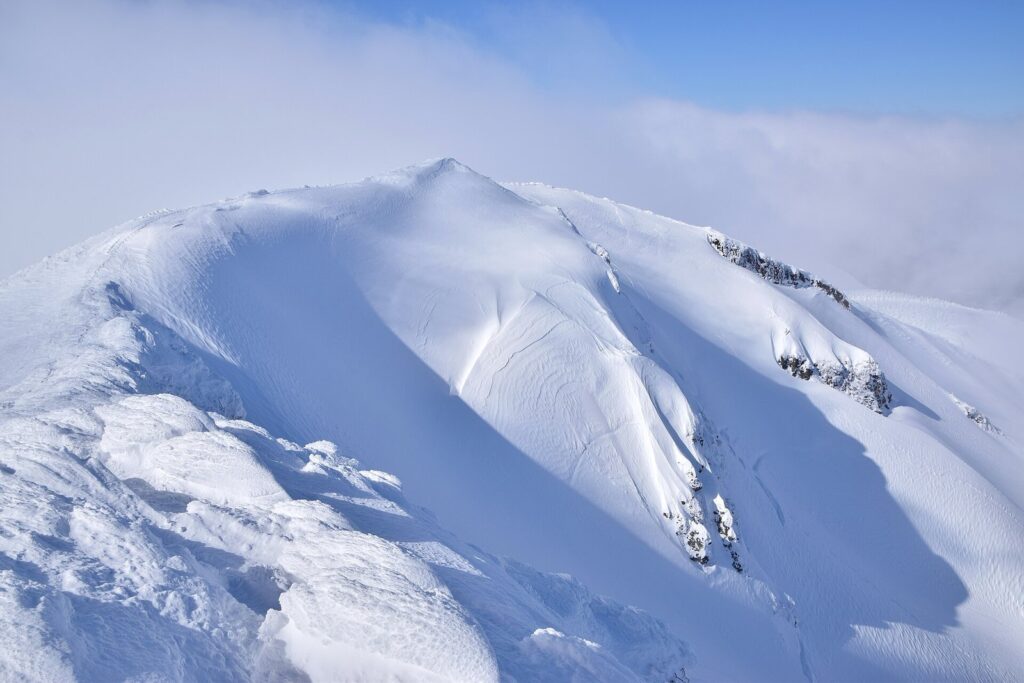
Featured image: “Hakkoda winter landscape – Flickr – 雷太” by Raita Futo from Tokyo, Japan, CC BY 2.0, via Wikimedia Commons