There is a moment that happens to almost every first-time visitor to Japan, usually around day four. You checked out of your Tokyo hotel at 10am, your shinkansen to Kyoto is at 4pm, and you have six hours and two large suitcases. The station lockers are all full. Nobody warned you about this part.
I live in Japan, and what surprised me most after moving here was not the trains or the vending machines. It was how completely the country is set up to take your bags off your hands. People here travel light domestically not because they pack better than you, but because they send their luggage ahead. Once you understand that system, the day-four problem stops existing.
The quick answer
- Coin lockers: roughly ¥300–¥1,000 per calendar day. Fine for a daypack and a few hours, unreliable for suitcases at busy stations.
- Booked storage (ecbo cloak): ¥500 per bag / ¥800 per suitcase per day, reserved in an app. Since December 2025 that includes about 378 7-Eleven stores, many open 24 hours.
- Takkyubin forwarding (Yamato’s TA-Q-BIN): sends a suitcase hotel-to-hotel for about ¥2,200–¥2,700, next day. This is the answer most travellers actually want.
- Airports: you can send bags from arrivals to your hotel, but add a ¥660 counter fee at Narita, Haneda and Kansai, and assume next-day delivery.
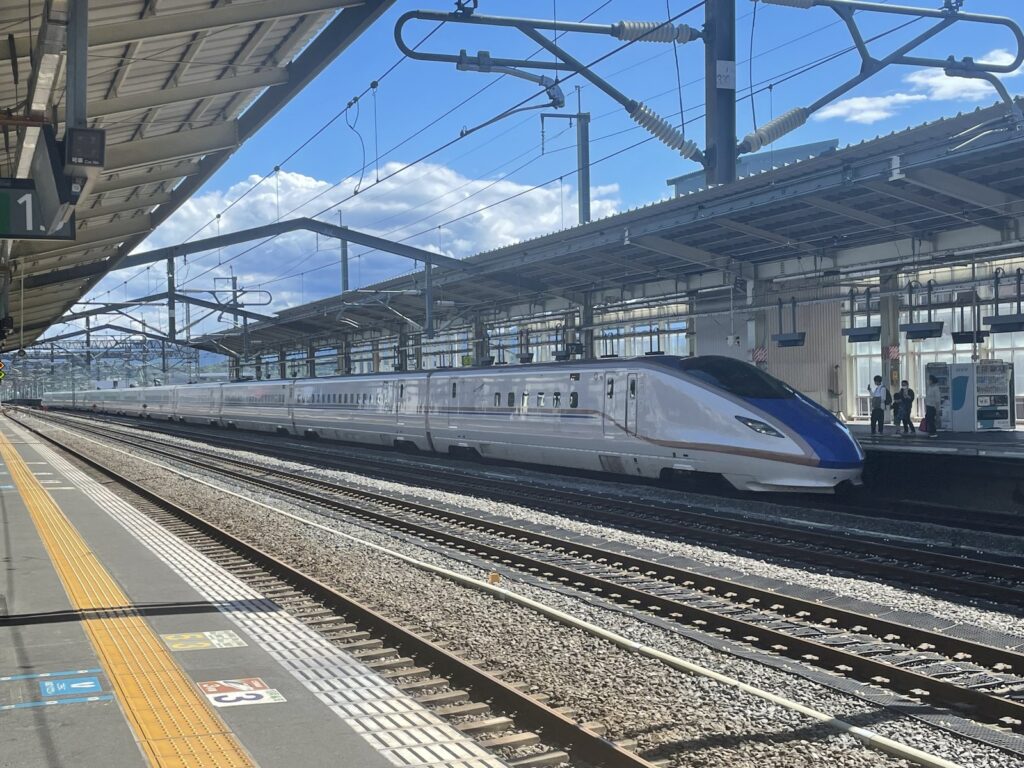
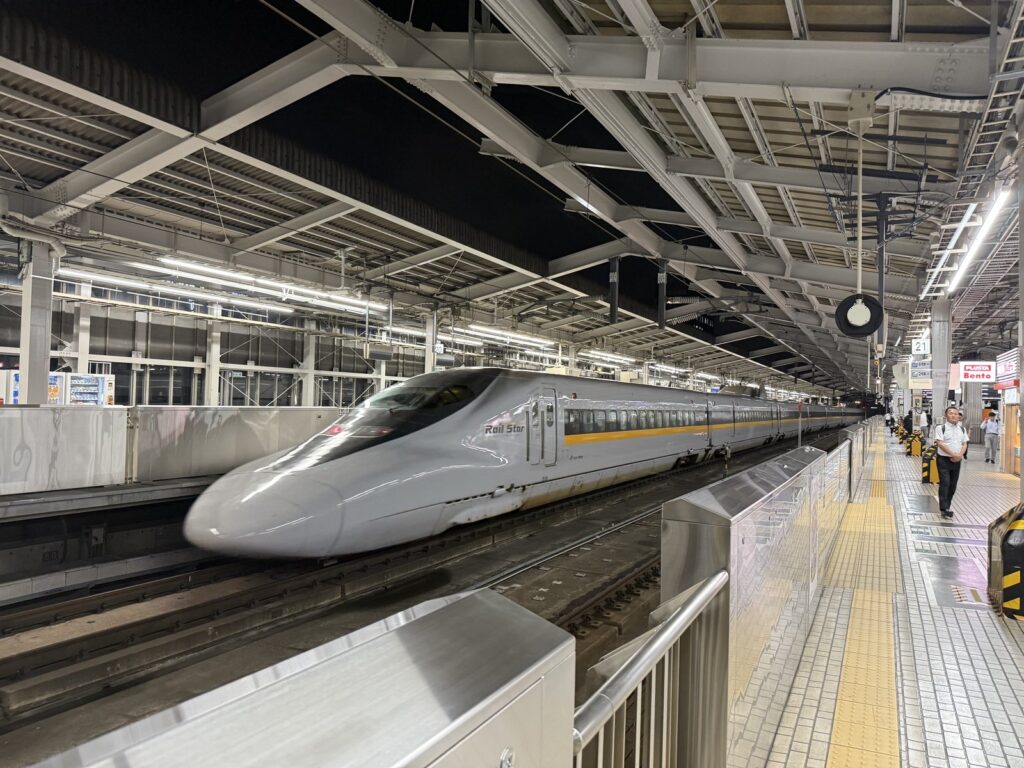
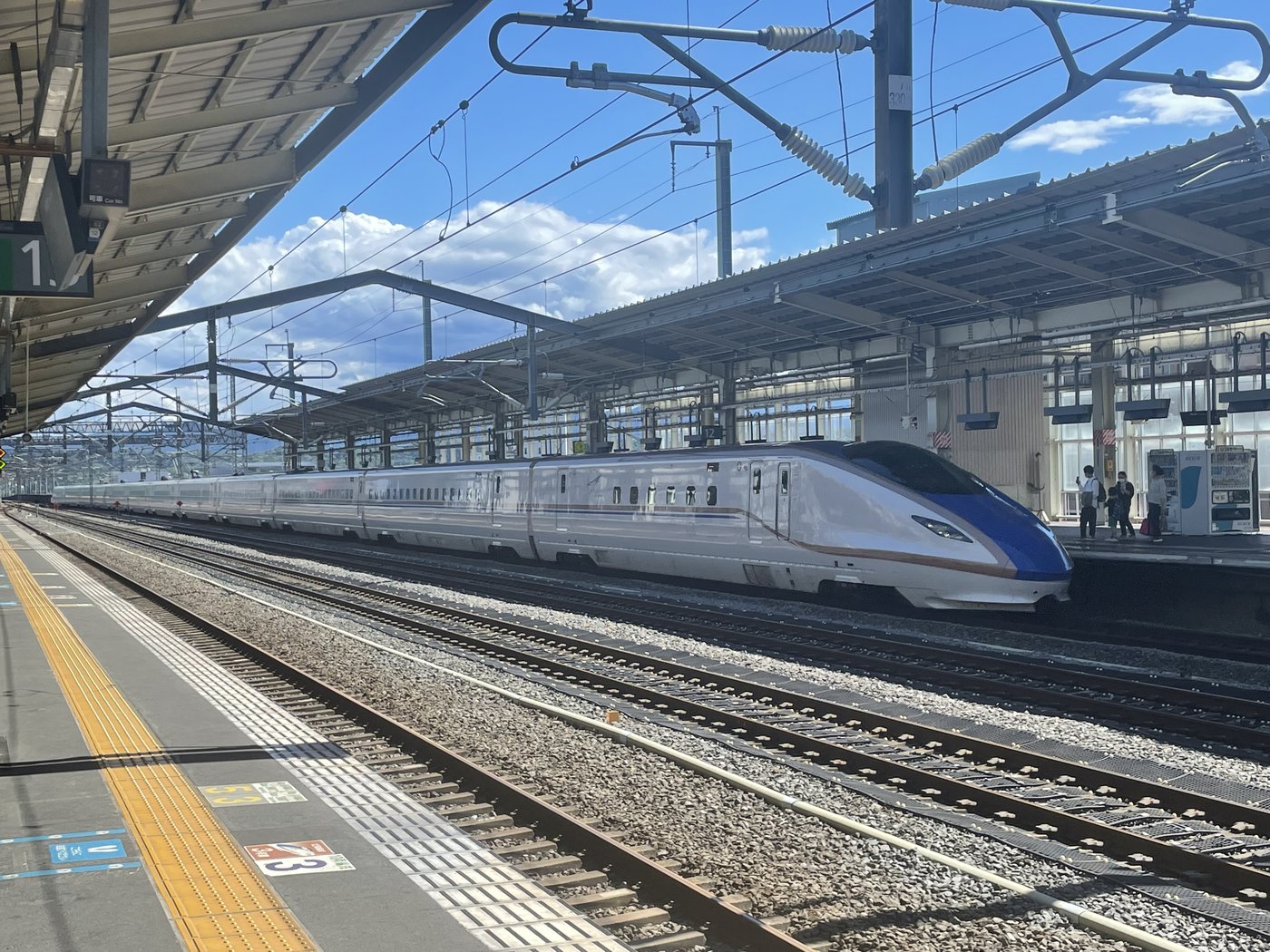
- Shinkansen: if your bag’s length + width + height tops 160cm, you need a free oversized-baggage seat reservation on the Tokaido, Sanyo, Kyushu and Nishi Kyushu lines, or pay ¥1,000 on board.
Coin lockers: useful, but do not build a plan around them
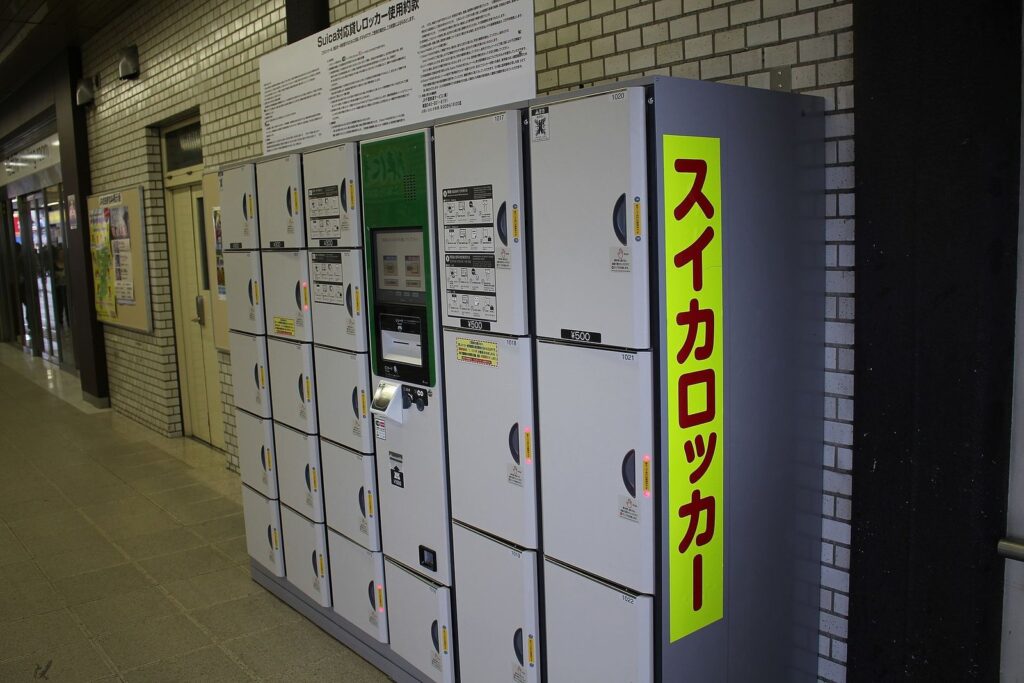
Coin lockers are everywhere: stations, department stores, tourist information centres. Prices vary, but expect about ¥300 for an extra-small locker, ¥500–¥700 for a medium one, and ¥700–¥1,000 for a large one that will swallow a suitcase. Newer touchscreen banks take Suica, PASMO and most regional IC cards, which saves hunting for ¥100 coins.
Two things catch people out. Lockers charge per calendar day, not per 24 hours — the clock resets at midnight, so a bag left in overnight costs two days. And the large lockers at major stations genuinely run out in peak season. Tokyo Station has over 1,500 lockers across more than 100 locations and they still fill up on an August Saturday.
Treat lockers as a tool for small bags and short gaps, not as your luggage strategy.
Booked storage: ecbo cloak, and now 7-Eleven
The fix for the “all lockers full” problem is booking storage in advance. ecbo cloak is the main service: an app that lets cafés, shops, hotels and stations rent out their spare corner. You reserve and pay in the app, show the screen, hand over the bag. Pricing is ¥500 per day for bag-sized items (longest side under 45cm) and ¥800 per day for suitcase-sized items. Some locations, notably certain JR station counters, charge a flat ¥1,000 per item.
The genuinely new thing for 2026: in December 2025, 7-Eleven Japan partnered with ecbo cloak to offer storage at around 378 branches across 26 prefectures, including Tokyo, Kyoto, Osaka, Hokkaido, Hiroshima and Fukuoka. Many are open 24 hours, which quietly solves the late-arrival and early-departure problem lockers never could. You still have to book in the app first — you cannot walk in off the street with a suitcase.
Takkyubin: the thing you actually want
This is the part that changes how you travel in Japan. Takkyubin is next-day parcel delivery, and a suitcase is just a parcel. You hand your bag to your hotel’s front desk when you check out, and it is waiting at the next hotel’s front desk when you arrive.
Yamato Transport’s published rates are by “size”, meaning the sum of length + width + height in centimetres. Current official prices for a Size 140 bag (total dimensions up to 140cm): ¥2,190 within the Kanto region, ¥2,310 from Kanto to Kansai, ¥2,710 to Hokkaido. For a Size 160 bag, which covers most large check-in suitcases: ¥2,510, ¥2,630 and ¥3,030 respectively. The service limit is 200cm total and 30kg.
In context: shipping a big suitcase from Tokyo to Kyoto costs about the price of two coffees and a sandwich, and it means riding the shinkansen with a daypack instead of wrestling a 25kg case through Tokyo Station at rush hour. On a standard route like the one in our 7-Day Japan Itinerary, it is the best ¥2,600 you will spend.
How to do it: ask at your hotel front desk for takkyubin and say where it is going. They fill in the Japanese address for you — normal, expected, and staff at any mid-size hotel do it several times a day. You pay at the desk and keep the receipt with the tracking number.
The rule that matters: hand the bag over before the hotel’s afternoon cut-off (often around 2–3pm) and it typically arrives the following afternoon. Never ship a bag on the morning you need it that evening, and allow two days for anywhere rural or on another island. Keep with you: passport, medication, charger, and one change of clothes.
When choosing hotels, favour properties with a staffed front desk over keypad self-check-in apartments, because the front desk is what makes this system work. Unstaffed rentals often cannot receive parcels — the one situation where takkyubin gets complicated.
From the airport to your hotel
Narita, Haneda and Kansai all have Yamato counters in the arrivals halls, clearly signed in English, and you can send your checked bags straight to your hotel. Two caveats: a counter usage fee of ¥660 (tax included) applies at all three airports on top of the shipping rate, so budget roughly ¥3,000–¥3,700 for a large suitcase to a Tokyo hotel, and delivery is normally next day. If you land at 3pm and want your bag that night, take it with you — see our Narita Airport to Tokyo guide for the fastest routes.
Airport forwarding really shines on the reverse trip: send your bag to the airport a day or two before your flight, and your last day in Japan is spent shopping rather than guarding a suitcase.
Kyoto has a same-day service
Kyoto, which understands its own crowding problem better than most cities, runs a hands-free luggage scheme with Yamato. Complete the paperwork by 10:00am and bags can be delivered the same day between Kyoto Station and your accommodation, or between two hotels, within Shimogyo, Nakagyo, Minami and Higashiyama wards. Published rates include ¥2,540 for a 140-size bag and ¥2,860 for a 160-size bag; staffed storage counters charge about ¥1,000 per bag per day. That 10am deadline is strict, so sort your bags before breakfast rather than after.
The shinkansen rule people get fined for
If you do carry your suitcase on the bullet train, know this one. On the Tokaido, Sanyo, Kyushu and Nishi Kyushu Shinkansen, baggage with total dimensions between 160cm and 250cm requires a reservation for a “seat with an oversized baggage area”. The reservation is free when you book your ticket. Turn up without one and there is a ¥1,000 onboard baggage fee, plus your bag gets moved far from your seat. Conventional (non-shinkansen) lines have no such rule.
Since 1 July 2025, JR has run a trial letting the oversized baggage compartments on some cars be used as general luggage space without a prior reservation — helpful, but it does not remove the reservation requirement for bags over 160cm.
Measure your own case first. A typical 70-litre check-in suitcase comes to roughly 70 + 48 + 30 = 148cm, comfortably under the limit. An oversized sports bag or a golf travel case may not be.
Comparing your options
| Option | Cost | Best for | Watch out for |
|---|---|---|---|
| Coin locker | ¥300–¥1,000/day | Daypacks, a few hours | Fills up; resets at midnight |
| ecbo cloak / 7-Eleven | ¥500–¥1,000/day per bag | Guaranteed storage, 24h drop-off | Must book in the app first |
| Takkyubin hotel-to-hotel | ¥2,190–¥3,030 | Moving cities | Next-day, not same-day |
| Airport TA-Q-BIN | Rate + ¥660 fee | Arrival and departure days | Next-day delivery |
| Kyoto same-day | ¥2,540–¥2,860 | Kyoto hotel changes | 10:00am deadline |
Forgot something? You can buy it here
If you realise you left something in a forwarded bag, do not panic. Umbrellas are ¥700 at any convenience store, basic clothes are cheap and well-made at Uniqlo or GU, and ChargeSPOT power bank rentals sit in almost every station. As our Japan Packing List puts it, Japan is the easiest country in the world in which to have forgotten something.
FAQ
Is takkyubin safe? Yes. Parcels are insured, and lost bags are close to unheard of. I have never had one go missing, and neither has anyone I know here.
Can I send a bag to an Airbnb or unstaffed apartment? Risky — delivery needs someone to sign. Send to a staffed hotel, or use a nearby ecbo cloak point instead.
Can I send luggage internationally on my way home? Domestic takkyubin does not cross borders. Send your bag to the airport before your flight and collect it at the counter, or check it at the airline desk as normal.
Do I need to speak Japanese? No. Hotel front desks handle the form, airport counters have English-speaking staff, and the ecbo cloak app is in English.
What about skis or golf clubs? Use takkyubin. Oversized sports gear is exactly what it was designed for, and it also solves the shinkansen 160cm problem.
The verdict
If you are staying in one city, book an ecbo cloak spot for your check-out day and forget about it. If you are moving between cities — which almost everyone is — send your big bag ahead by takkyubin the day before and travel with a daypack. It costs about ¥2,500, takes five minutes at the front desk, and it is the closest thing Japanese travel has to a cheat code. See our Japan’s Trains Explained guide for how the rest of the network fits together.
All prices are approximate and were checked in August 2026. Fares and fees change, so confirm at the counter before you ship.
Written from Japan by the Wayfarer Japan team.
Featured image: “スイカロッカー 2014 (16305010372)” by sodai gomi, CC BY 2.0, via Wikimedia Commons