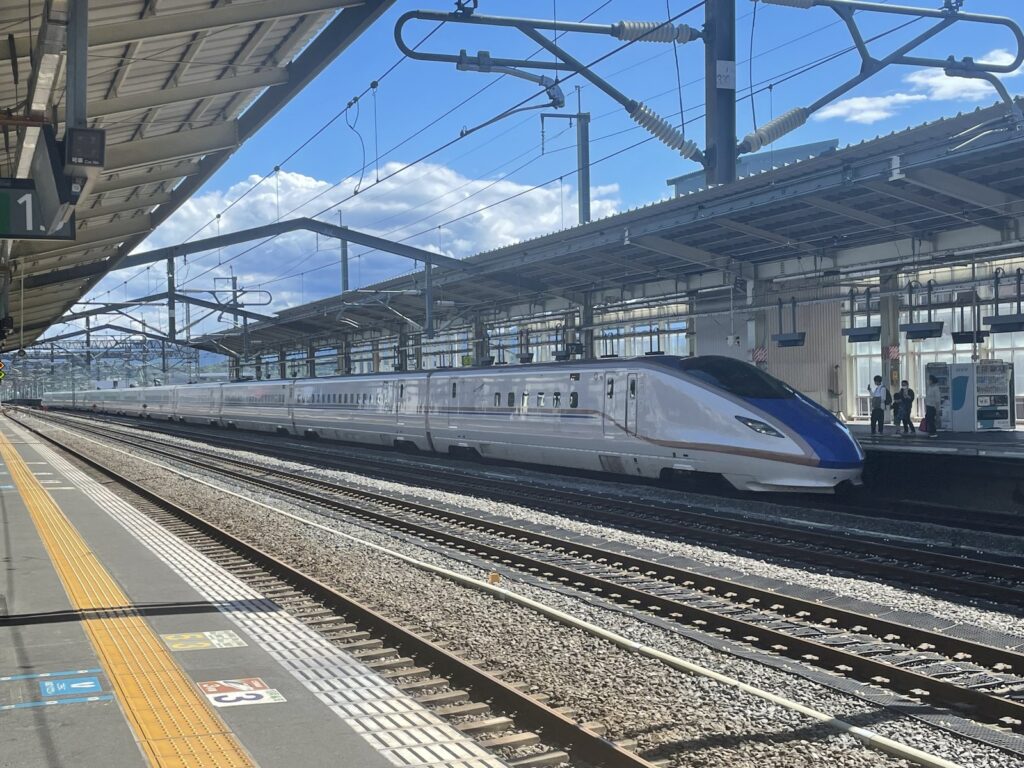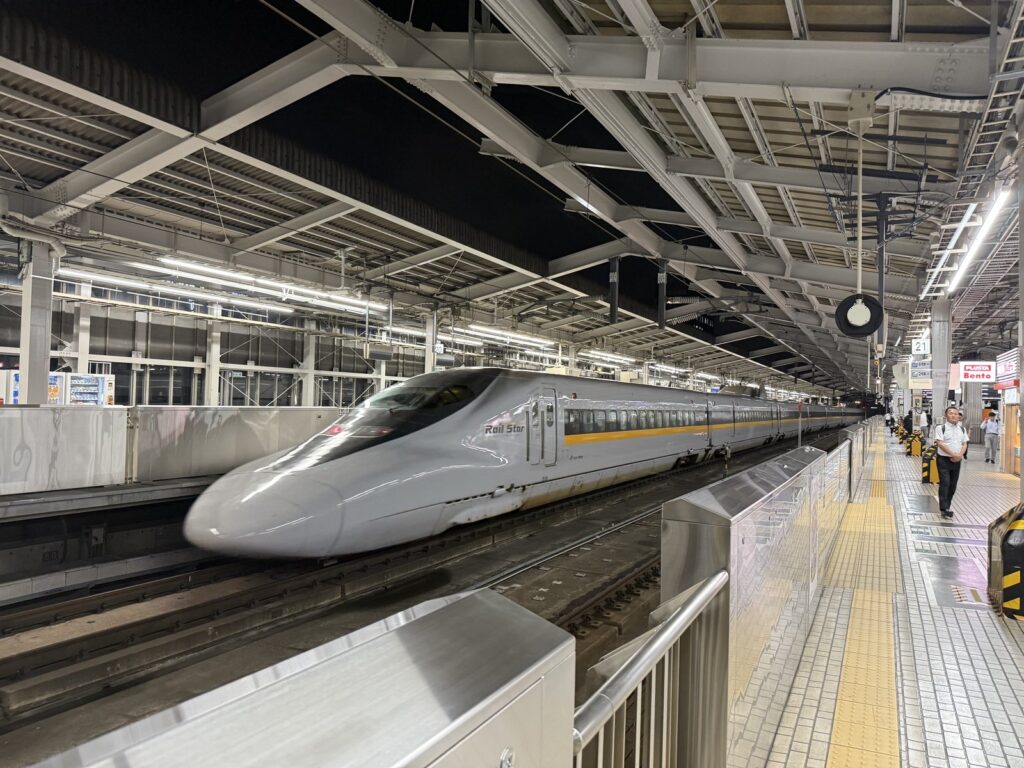
I live in Japan, and I forward luggage more often than I carry it. Between narrow train station corridors, stairs with no elevator, and Shinkansen platforms that give you about ninety seconds to board, dragging a full-size suitcase through a travel day here is more effort than most first-time visitors expect. The fix almost every resident uses is takuhaibin — same-day and next-day parcel delivery — and it works just as well on a suitcase as it does on a package.
It isn’t complicated once you’ve done it once, but it does need a little lead time. Here’s how it actually works, what it costs, and when it’s worth arranging.
The quick answer
- Takkyubin (or takuhaibin) is Japan’s courier network, run mainly by Yamato Transport (Kuroneko Yamato). You can hand over a suitcase at an airport counter, hotel front desk, or convenience store, and it gets delivered to your next hotel, airport, or even a train station locker.
- Delivery is next-day, not same-day, for almost every route. Send it in the afternoon or evening and it typically arrives by the following morning or early afternoon.
- Airport to a Tokyo or Osaka hotel runs roughly ¥2,000–2,500 per bag, plus a ¥660 counter handling fee at Narita and Haneda. Hotel-to-hotel between cities (Tokyo–Kyoto, for example) is usually ¥1,650–2,600 depending on bag size.
- You need your passport and the destination hotel’s name, address, and check-in date — most counters have English-language forms and staff who handle foreign visitors daily.
- Not sure which IC card to pair this with for the rest of your trip? Suica vs PASMO vs Welcome Suica covers that separately.
How it actually works
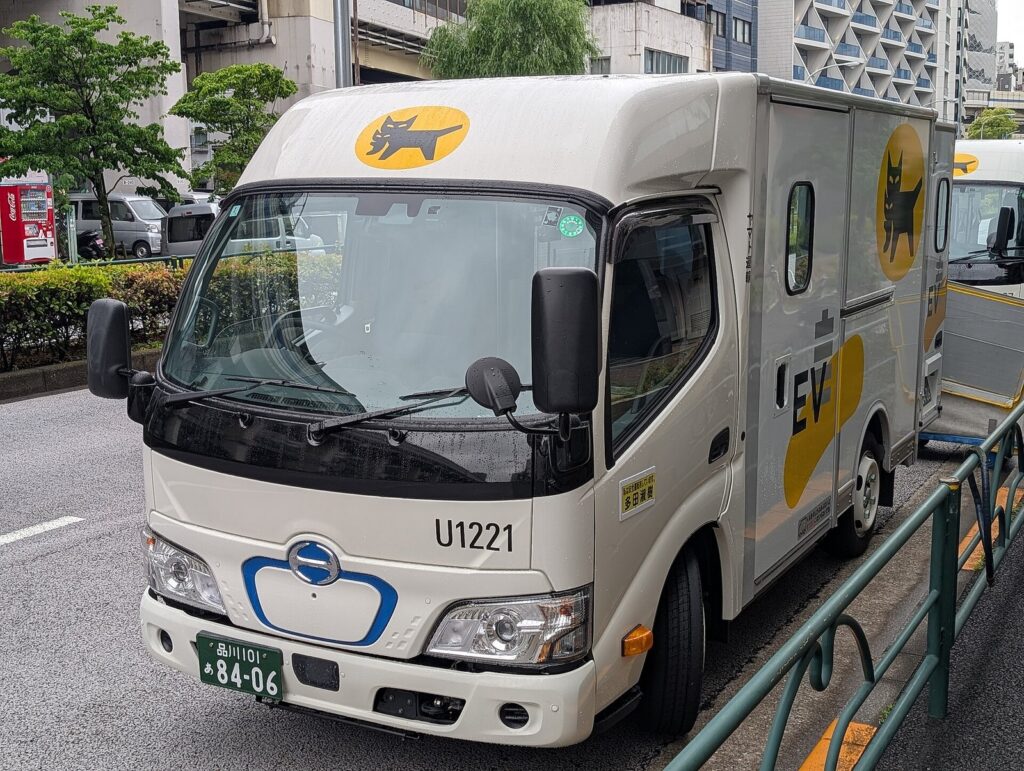
You’ll see Yamato’s black cat logo — Kuroneko, “black cat” — at counters in the arrivals hall of Narita, Haneda, Kansai, and Chubu airports, plus a desk or drop-off point in most hotel lobbies. You fill out a short form with the receiving address (your next hotel works fine, even if you haven’t checked in yet — just give the hotel name and your arrival date), pay in cash or card, and hand over the bag. You get a tracking slip with a number you can use to check delivery status online.
The bag doesn’t travel with you or on your flight — it moves through Yamato’s regional trucking network, which is why it takes a night rather than a few hours. Plan around that lead time rather than treating it as instant.
There’s also a same-day option in a few major-city corridors — Klook and similar platforms list Tokyo-area airport delivery services that promise same-day drop-off if you check in early enough, which matters if you’re catching a same-day connection and don’t want to wait a full night. For most itineraries, though, next-day is the default and the cheapest option.
👉 Klook Japan airport luggage delivery service
What it costs
Pricing is based on the bag’s combined dimensions (height + width + depth) and the distance traveled, not weight, so a large empty suitcase can cost the same as a small heavy one.
| Route | Typical price (per bag) |
|---|---|
| Narita or Haneda Airport → Tokyo hotel | ¥2,000–2,500 (+¥660 counter fee) |
| Kansai Airport → Osaka/Kyoto hotel | ¥1,600–2,500 |
| Tokyo hotel → Kyoto hotel | ¥1,650–2,530 |
| Tokyo hotel → Osaka hotel | ¥2,310–2,630 |
| Hotel → Okinawa | up to around ¥4,700 |
These are 2026 estimates for a standard-to-large suitcase and will vary by exact size and counter — treat them as ballpark figures and confirm the price when you hand the bag over, since it’s calculated and shown to you on the spot before you pay.
When it’s worth it
Forwarding earns its cost on the days when you’re switching cities and doing something else at the same time — a temple visit before your Shinkansen, a half-day in a city you’re only passing through, or a check-out morning where the train station has stairs and no locker big enough for a large case. Sending the bag ahead the evening before means you walk onto the platform with just a day bag.
It’s also the practical fix for Shinkansen’s size-limited luggage rule: bags over 160cm (combined dimensions) technically need a reserved seat with luggage space, booked in advance. Forwarding the big suitcase and carrying only a backpack sidesteps that limit entirely — see Shinkansen Luggage Rules for the full policy if you’re planning to bring a case that size on the train regardless.
It’s not worth it for a same-day airport-to-hotel arrival if you’re staying put for a few days afterward and don’t mind a taxi or the airport limousine bus handling the bag instead — in that case, you’re paying for a service you didn’t need. It’s also not a fit if your plans are still loose enough that you might change hotels; once a bag is in transit, redirecting it mid-route is possible but adds a phone call and a delay you don’t want on a travel day.
Where to send it, and what to do if you’re an early arrival
If you land in the morning and your hotel check-in isn’t until 3pm, you don’t have to carry the bag around all day. Forward it from the airport counter straight to the hotel — most hotels will hold a delivered bag at the front desk even if you’re not checked in yet, as long as you’ve given the counter your arrival date. Just confirm with the hotel first if you’re arriving very early, since a same-day delivery cutoff usually applies (typically bags accepted by late morning make it to city hotels that evening).
The reverse works too: on your last morning, forward your bag from the hotel to the airport (allow a full day, since same-day-to-flight is risky) or to an in-town city air terminal, then spend your final hours sightseeing luggage-free before a short trip to your gate.
FAQ
Is takkyubin the same as a locker service? No. Coin lockers are self-serve, same-location storage you use for a few hours; takkyubin is a courier delivery to a different address, usually overnight. They solve different problems — lockers for “get this off my back for the day,” takkyubin for “get this to my next city or hotel.”
Can I forward luggage on the same day I need it? Rarely for hotel-to-hotel forwarding, but some airport-specific same-day services exist for arrivals into Tokyo, if you drop the bag early enough at the counter. For anything else, plan on next-day.
What if my bag is oddly shaped, like a golf bag or a box of souvenirs? Yamato handles both — golf and ski equipment have their own standard rates, and you can also ship boxed souvenirs or even a full suitcase of items you’re not carrying home in your carry-on. Rates for oversized sports equipment run a bit higher than standard suitcase pricing.
Do convenience stores handle takkyubin drop-off too? Yes — many Lawson, FamilyMart, and 7-Eleven locations accept Yamato and other courier drop-offs, which is useful if you’re nowhere near a hotel or airport counter when you need to send something. Staff can walk you through the form even without much English.
The verdict
Forwarding a bag costs about what a couple of train tickets or a short taxi ride would, and what you get for it is a day where you’re not the person blocking the train doors with a suitcase. Send the big case ahead the night before a city change, keep a day bag for anything you need in transit, and let the black cat do the carrying.
Written from Japan by the Wayfarer Japan team — we live here, forward our own luggage the same way, and update this guide as prices change.