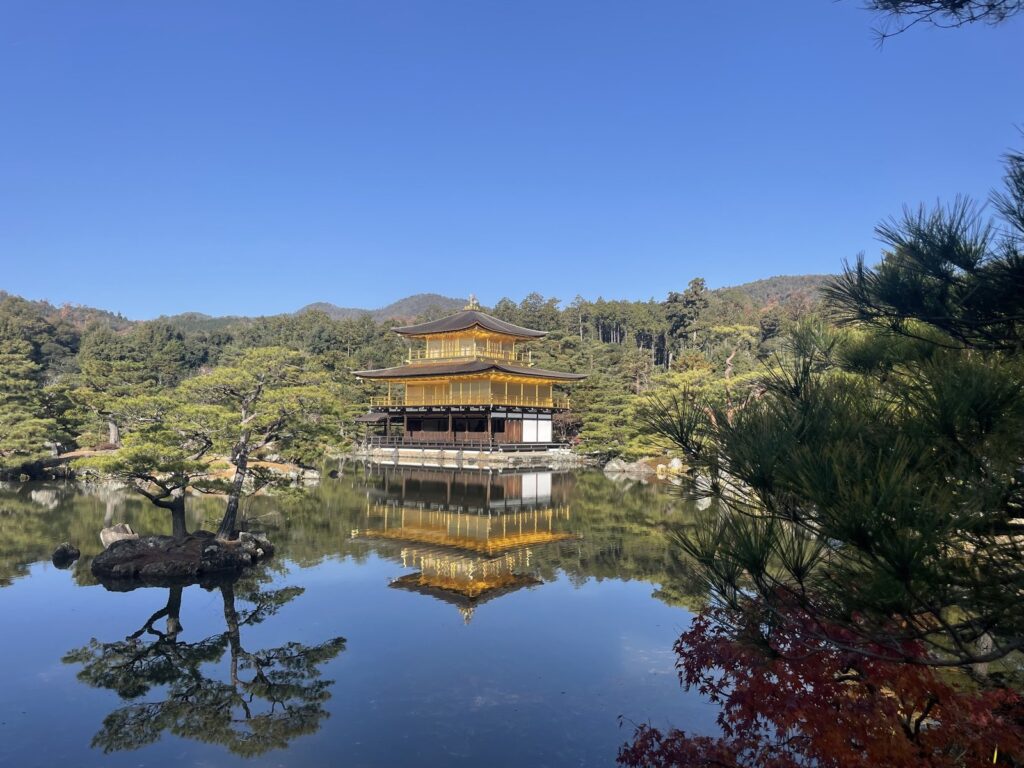
Most of my friends who visit Japan plan Tokyo, Kyoto, maybe Osaka — and never make it to Okinawa, because it feels like a separate trip rather than a stop on a Japan itinerary. In a way, it is. Okinawa was its own kingdom, the Ryukyu Kingdom, until Japan formally annexed it in 1879, and the islands still feel culturally distinct: different food, different pace, a subtropical climate with almost nothing in common with Tokyo’s winters. If your first Japan trip is short, mainland Honshu probably comes first. But if you’ve already done Tokyo and Kyoto, or you specifically want beaches and coral reefs over temples and neon, Okinawa is worth treating as its own destination.
This guide covers Okinawa’s main island (where most first-time visitors land and stay), how to get there and around, and when it’s worth continuing further out to the smaller islands.
The quick answer
- Okinawa’s main island (Okinawa-honto) is reached by flight only — there’s no Shinkansen or Japan Rail Pass coverage here, so budget a separate flight into Naha.
- Naha, the capital, works as a base for a day or two; Chatan and the west-coast resort towns (Onna, Nago) are better bases if beaches and snorkeling are the priority.
- Rent a car for anything beyond central Naha — the monorail only covers one line, and most of the island’s best spots have limited or no bus access.
- Shurijo Castle, Churaumi Aquarium, and the Kerama Islands (a ferry day trip from Naha) cover the main highlights in 3–4 days.
- Avoid late August and September if you can — that’s peak typhoon season, and disruption is common.
Getting to Okinawa
There’s no rail link to Okinawa — it’s a chain of islands roughly 1,500 km southwest of Tokyo, closer to Taiwan than to the mainland in some cases. Everyone arrives by air, into Naha Airport (OKA). From Tokyo Haneda, the flight takes about 2 hours 45 minutes, with dozens of daily departures on ANA and JAL plus cheaper options on Skymark, Solaseed, and Peach. Direct flights also run from Osaka, Fukuoka, and several other Japanese cities. Fares swing enormously with how far ahead you book — treat any specific number as an estimate and check current prices before committing dates.
One honest note if you’re combining this with a wider Japan trip: a Japan Rail Pass has no value here, since Okinawa has no JR lines at all. Don’t factor it into your rail-pass math.
👉 Booking.com Naha for hotels near the airport or Kokusai-dori if you’re arriving late or leaving early.
Getting around
Naha has one monorail line, the Yui Rail, running about 17 km from the airport through downtown to Tedako-Uranishi, with trains every 4–15 minutes from roughly 6:00 to 23:30. It covers the airport, Kokusai-dori (the main shopping street), and Shurijo Castle — genuinely useful for a Naha-only day or two, and not much beyond it.
Buses exist outside the monorail line but run infrequently and aren’t set up well for visitors without Japanese reading ability. If your plan includes the beaches, the aquarium, or anything outside central Naha, renting a car is the practical choice — roads are generally easy to drive, with English signage in most places. You’ll need an International Driving Permit (the 1949 Geneva Convention type) from home before you arrive; Japan doesn’t issue these on arrival, and rental counters will turn you away without one.
👉 Klook for rental car bookings on Okinawa if you don’t want to arrange one cold at the airport counter.
What to see on the main island
Shurijo Castle, the former royal palace of the Ryukyu Kingdom and a UNESCO World Heritage site, is the island’s signature landmark — with a caveat. The main hall burned down in a 2019 fire and has been under reconstruction since; the current target for reopening the rebuilt hall is around November 2026, so you may or may not catch it finished. The outer grounds and gates are free to walk through regardless, and the paid inner zone (a few hundred yen) includes an exhibition room showing recovered roof tiles and the rebuilding process.
Kokusai-dori, Naha’s mile-long main street, is the easiest way to spend an evening — shops, izakaya, and the covered Makishi Public Market, which sells fresh Okinawan produce and fish downstairs and lets small eateries cook it for you upstairs.
Okinawa Churaumi Aquarium, on the Motobu Peninsula about 90 minutes north of Naha by car, is one of the best aquariums in Japan and the main reason many visitors drive north at all — its main tank holds whale sharks and manta rays behind one of the largest acrylic panels in the world. Adult admission runs a little over ¥2,000; booking a timed ticket in advance avoids the gate queue in peak summer.
👉 Klook for a skip-the-line Churaumi Aquarium ticket, sometimes bundled with transport from Naha.
If you’re driving that far north anyway, Cape Manzamo, a dramatic cliff formation a short detour from the aquarium, and the resort towns of Onna and Nago along the way are worth building into the same day.
Island hopping
Okinawa isn’t just the main island — it’s a long chain, and how far you go depends on how much time you have.
The Kerama Islands sit close enough (30–40 km offshore) to visit as a day trip by ferry from Tomari Port in Naha: around 35 minutes to Tokashiki, under an hour to Zamami or Aka. The water here is some of the clearest snorkeling and diving in Japan, realistic as an add-on without an overnight stay.
Miyako (45–55 minutes by plane) and Ishigaki (about an hour) are a different trip entirely — further-flung, less developed, and worth it mainly with 4+ extra days to dedicate just to them.
👉 Klook for a Kerama Islands snorkeling or diving day tour departing from Naha.
What to eat
Okinawan food is its own cuisine, shaped by the Ryukyu Kingdom’s trade history and a climate that grows different produce than the rest of Japan.
- Okinawa soba — wheat noodles (nothing like buckwheat soba elsewhere in Japan) in a pork-and-bonito broth, topped with stewed pork rib.
- Rafute — pork belly slow-braised in awamori (Okinawan distilled liquor), soy, and sugar until it falls apart.
- Taco rice — Mexican-style taco fillings over rice, a postwar invention from the islands’ long history hosting US military bases, and now a genuine local comfort food.
- Umi-budo (“sea grapes”) — a crunchy, briny seaweed served raw with vinegar.
- Sata andagi — Okinawan doughnuts, denser and less sweet than the mainland version, sold everywhere.
- Orion beer and awamori are the local drinks of choice; awamori bars around Kokusai-dori are a good way to spend an evening.
Where to stay
Naha makes sense if you want nightlife, the market, and easy access to Shurijo Castle and the airport, treating the beaches as day trips by car. If beaches and snorkeling are the actual point of the trip, staying in Onna or Chatan on the west coast cuts your daily driving and puts you walking distance from decent sand — Chatan’s American Village also has one of the island’s better sunset viewpoints, a legacy of sitting next to a US base.
👉 Booking.com Okinawa for beachfront resorts in Onna or hotels around Chatan and Kokusai-dori.
Best time to go
April, October, and November are the sweet spots — warm enough to swim, past the worst humidity, with lower typhoon risk than mid-to-late summer. Rainy season runs roughly mid-May to late June, with short, heavy showers rather than constant rain. Typhoons are most likely June through September, with August and September the riskiest for flight and ferry disruption; if your dates are flexible, that’s the window to avoid. Mobile coverage also gets patchier out on the smaller islands than on the mainland — see our guide to the Best eSIM for Japan for what actually holds up out here.
FAQ
Does the Japan Rail Pass work in Okinawa? No. Okinawa has no JR network and no Shinkansen; the pass has zero value here. Budget flights separately.
Do I need a car? For anywhere beyond central Naha, yes. The Yui Rail monorail only runs one line, and bus coverage for visitors is limited. Bring an International Driving Permit from home.
How many days should I plan? Three to four days covers Naha, Shurijo Castle, and a day trip north to Churaumi Aquarium, plus a Kerama Islands ferry day. Add more if you want to fly on to Ishigaki or Miyako.
Is Okinawa good for families? Generally yes — the beaches are calm, the aquarium is a genuine highlight for kids, and the pace is slower than Tokyo or Osaka. The main adjustment is that a rental car becomes close to essential.
The verdict
Okinawa isn’t an easy add-on to a first Tokyo-Kyoto-Osaka trip — it’s a flight away and culturally its own thing, closer in feel to a separate Southeast Asian beach trip than to the rest of Japan. That’s exactly its appeal. If your Japan trip has already covered the mainland highlights, or you specifically want beaches, coral reefs, and Ryukyu history rather than another temple circuit, it’s one of the more rewarding detours you can build into a longer itinerary.
Written from Japan by the Wayfarer Japan team — practical, honest travel guidance from people who actually live here.
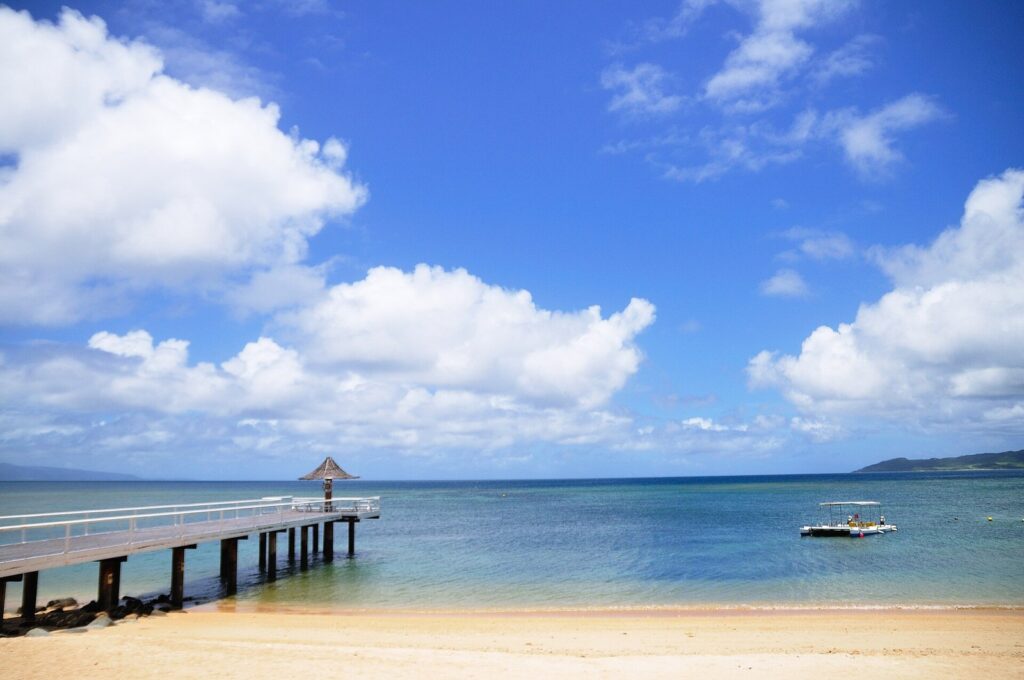
Featured image: “Fusaki-Beach Ishigaki Okinawa Japan” by Flickr user: ajari Japan https://www.flickr.com/people/ajari/, CC BY 2.0, via Wikimedia Commons