Kyoto is the city where first-timers most often over-plan. There are more than 1,600 temples here, and a list of “top 30 sights” will have you sprinting between neighbourhoods on a crowded bus instead of enjoying any of them. I live in Japan and go to Kyoto several times a year, and the advice I give visiting friends is always the same: pick two areas a day, book the two or three things that genuinely sell out, and leave the rest loose. Here’s what I’d actually prioritise in 2026, with current prices.
The quick answer
- Book ahead: the Nintendo Museum in Uji (lottery, official site only), a tea ceremony or kimono experience, the Sagano Romantic Train in autumn, and any kaiseki dinner you care about.
- Just turn up: Fushimi Inari, the Arashiyama bamboo grove, Nishiki Market, Kiyomizu-dera, Kinkaku-ji, the Philosopher’s Path. No tickets, no timed entry.
- Go early or late. Fushimi Inari at 7am and Kiyomizu-dera at opening are different places from the same spots at 1pm.
- Two districts a day, maximum. Kyoto’s sights are spread across a wide basin and the buses are slow.
- Sort your base and your travel card first — see Where to Stay in Kyoto and Suica vs PASMO vs Welcome Suica.
Things that genuinely need booking
The Nintendo Museum (Uji)
Nintendo’s museum sits in Uji, about 10km south of central Kyoto and easy to reach by train. Tickets are ¥3,300 for adults, ¥2,200 for ages 12–17 and ¥1,100 for ages 6–11 — and they’re sold by monthly lottery through the official Nintendo website only, with entries opening three months before your visit date. Cancellations sometimes appear for sale directly, up to about two months ahead.
There is no legitimate third-party seller for this one, and resale is explicitly banned, so ignore any site claiming to have tickets. Enter the lottery the moment your travel dates are fixed, and treat it as a bonus rather than a plan.
A tea ceremony, kimono rental or craft workshop
These are small-group by nature — a tea room fits eight people, not eighty — so the good ones fill up. A proper tea ceremony in a machiya townhouse is one of the few “cultural experiences” I think is genuinely worth the money in Kyoto, because you’re getting an explanation you can’t get by wandering. 👉 Klook Kyoto tea ceremony and kimono experiences
The Sagano Romantic Train (and the boat back)
The open-sided scenic railway runs along the Hozu gorge from Arashiyama, and it’s ¥880 for adults, ¥440 for children. In autumn it sells out weeks ahead; in low season you can often buy on the day. The classic loop is to take the train up to Kameoka and float back down the gorge on the Hozugawa river boat (¥6,000 per adult, about two hours) — a genuinely lovely half-day that most visitors skip. 👉 GetYourGuide Sagano Romantic Train and Hozugawa river boat
The temples worth the entry fee
Kyoto’s famous sights charge small, individual fees — cash still works everywhere, though most now take IC cards too. These are the ones I’d spend money on, and current 2026 prices:
| Sight | Adult admission | Worth it for |
|---|---|---|
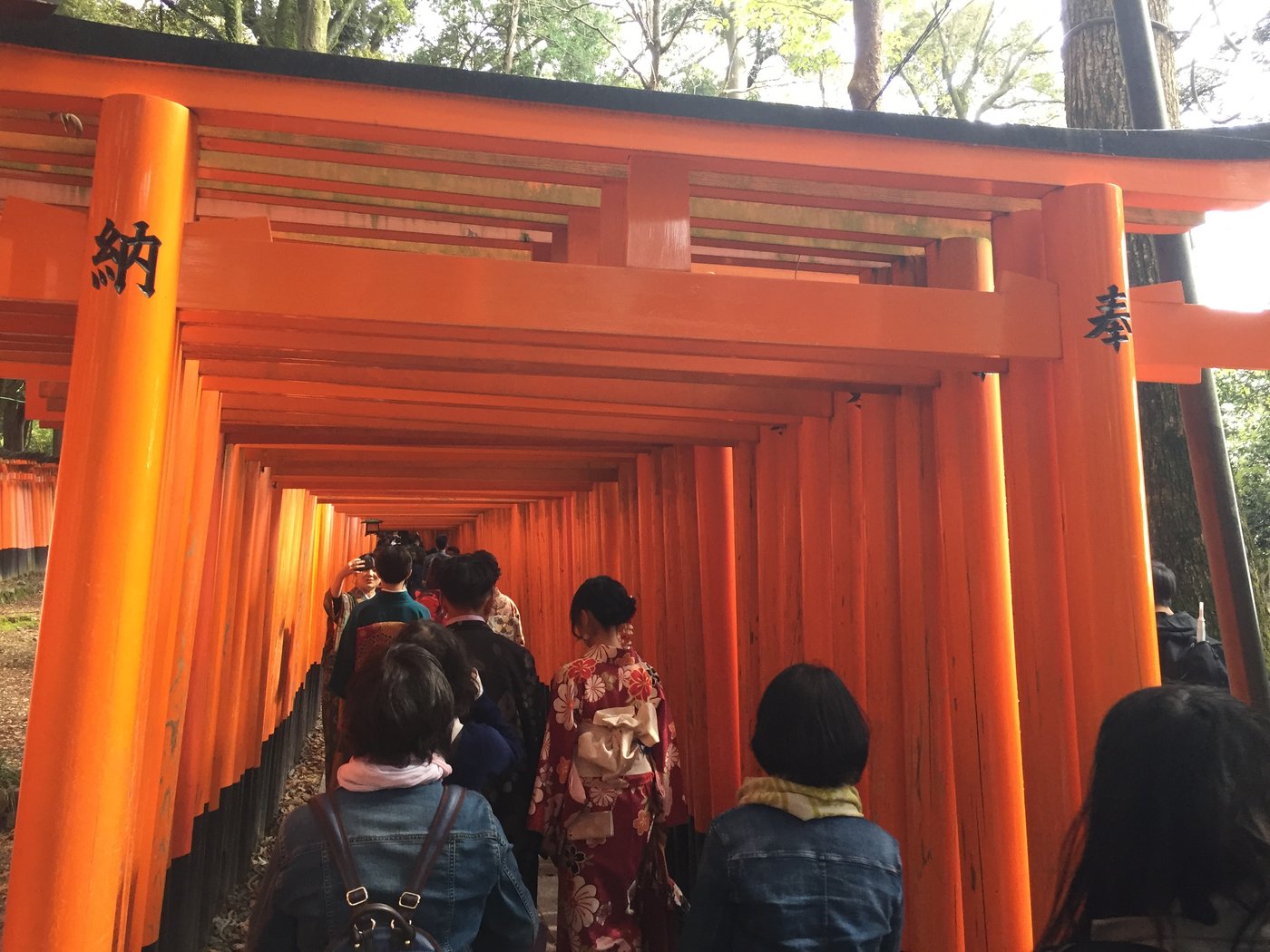
| Fushimi Inari Taisha | Free, open 24h | The endless vermilion torii tunnels |
| Kiyomizu-dera | ¥500 | The wooden stage and hillside approach |
| Kinkaku-ji (Golden Pavilion) | ¥500 | One perfect view; 30 minutes total |
| Ginkaku-ji (Silver Pavilion) | ¥1,000 | Moss, sand garden, Philosopher’s Path |
| Tenryu-ji (garden only) | ¥500 | Kyoto’s best-value garden, next to the bamboo |
| Nijo Castle | ¥1,300 | Nightingale floors and shogunate history |
Two things to flag. Ginkaku-ji doubled its admission to ¥1,000 in April 2026 (it was ¥500 for years), so older guides are wrong — it’s still a beautiful garden, but budget accordingly. And Fushimi Inari is free and never closes, which makes it the best sunrise activity in the city: get there by 7am and the lower torii gates are almost empty.
Kinkaku-ji deserves an honest note: it’s a single view around a pond, on a one-way path, and you’ll be done in half an hour. Go, but don’t build a day around it. Pair it with Ryoan-ji’s rock garden nearby.
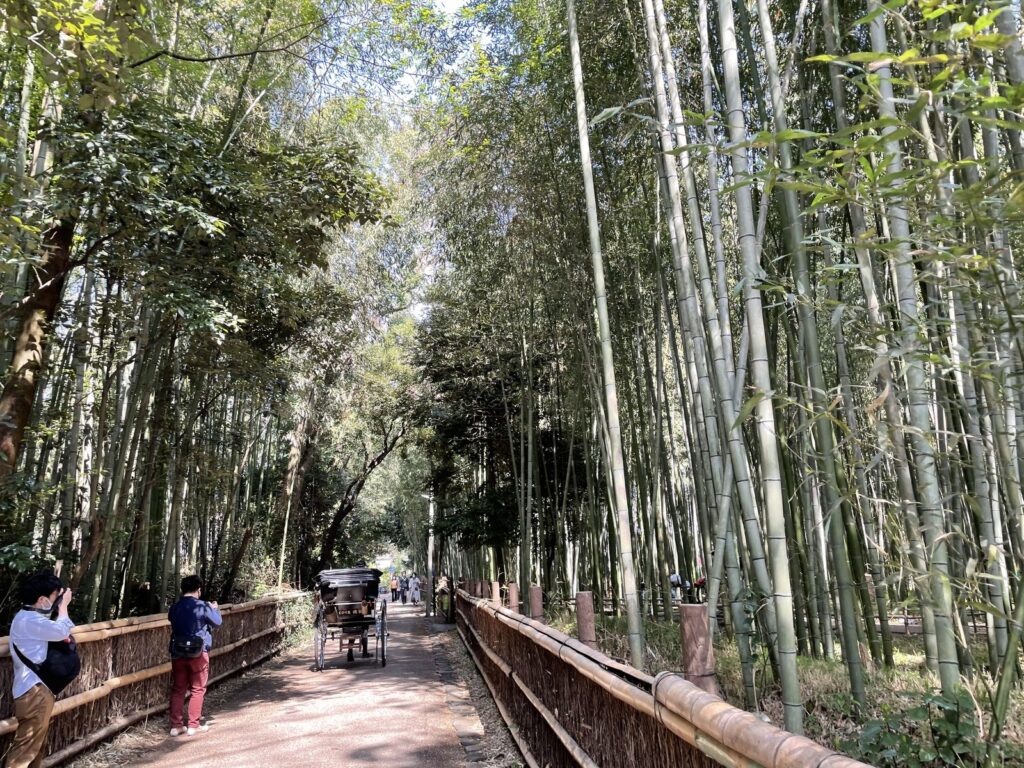
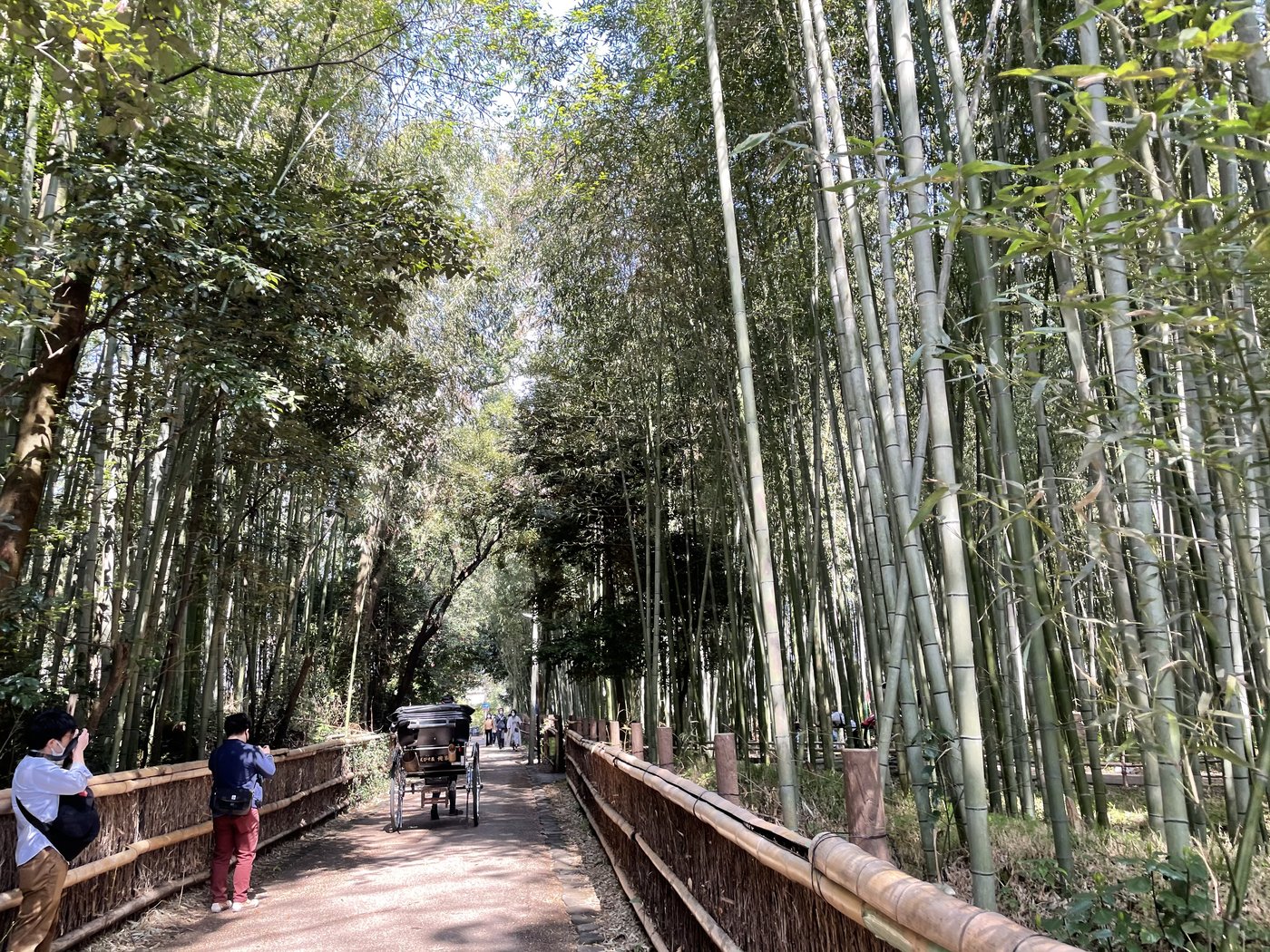
Arashiyama’s bamboo grove costs nothing and takes ten minutes to walk. It is also mobbed from about 9am onwards. Arrive before 8am or after 4pm, then use Tenryu-ji’s garden, the Togetsukyo bridge and the riverside as the real reason you came.
Beyond temples
Kyoto burnout is real, and the cure is doing something that isn’t a temple.
- Nishiki Market — a five-block covered food street. Eating while walking is discouraged here; buy, step aside, eat, move on.
- Kyoto Railway Museum — ¥1,500 for adults, a 15-minute walk from Kyoto Station, and far better than it sounds even if you don’t care about trains. Steam locomotives, a working turntable, and a Shinkansen you can sit in.
- Uji — 25 minutes by JR from Kyoto Station: Byodo-in (on the ¥10 coin), riverside walks, and the best matcha in Japan. Combine it with the Nintendo Museum if you win the lottery.
- Kurama and Kibune — a 30-minute train ride north into the mountains for a hike between two shrines. In summer, Kibune’s restaurants serve lunch on platforms built over the river.
- A cycling day. Central Kyoto is flat and grid-shaped, and a rental bike beats the bus between Nijo Castle, the Imperial Palace grounds and the Kamo River.
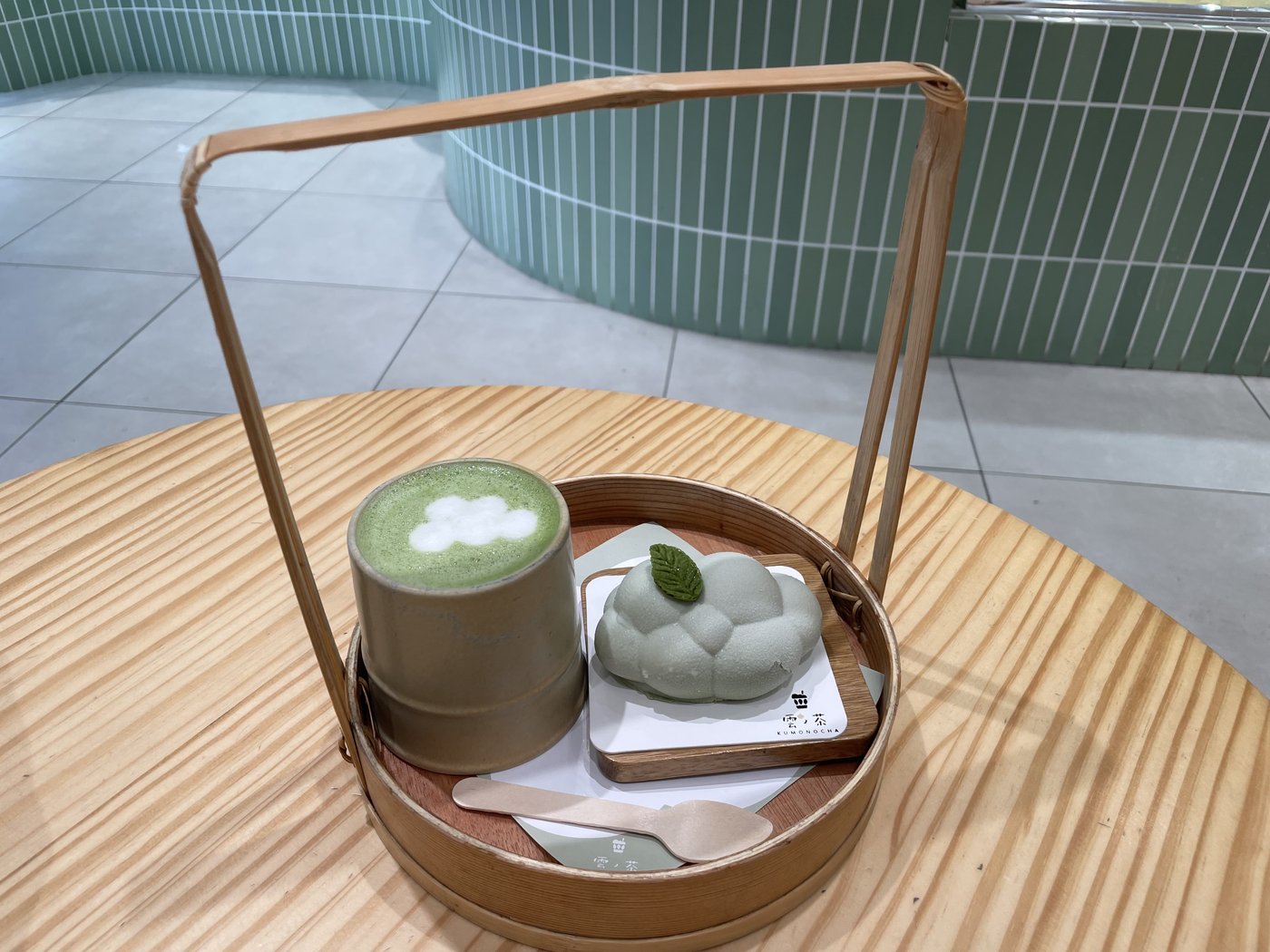
If you’re extending outwards, Nara Day Trip Guide covers the easiest add-on: 45 minutes away, deer, and the largest wooden building in the world.
Getting between it all
This is what actually decides whether your Kyoto day works.
- City buses are a flat ¥230 in the central zone. They are also slow and packed at peak times, and the routes to Kiyomizu-dera and Ginkaku-ji are the worst offenders.
- The Sightseeing Limited Express Bus (EX100) runs weekends and holidays only, connects Kyoto Station to Kiyomizu-dera, Gion, Heian-jingu and Ginkaku-ji, and costs ¥500 — a separate, higher fare, but it skips most stops.
- The subway is ¥220–¥360 and, unlike the bus, is never stuck in traffic. Use it for the north–south spine.
- The Subway & Bus 1-Day Pass is ¥1,100 and includes the EX100. It pays off from about five bus rides, which is a heavier day than most people actually do — buy it only if you’re genuinely criss-crossing the city.
- Taxis are reasonable for short hops between two or three people, especially Gion to Kyoto Station at the end of a long day.
Honestly, the single best Kyoto transport tip is to walk more than you think you should. Gion to Kiyomizu-dera, or Ginkaku-ji down the Philosopher’s Path to Nanzen-ji, are the walks people remember.
For getting to Kyoto in the first place, see Tokyo to Kyoto: Shinkansen vs Bus vs Flight — and if you’re doing a wider loop, Japan Rail Pass 2026: Is It Still Worth It?
Two 2026 rules to know
Gion’s private alleys are off-limits. Signs now mark them in English, Japanese and Chinese: “Private Road, Do Not Enter, Fine up to ¥10,000.” Hanamikoji’s main street is public and fine; the small side lanes are people’s homes and workplaces. Don’t photograph geiko or maiko without permission — chasing them down the street is the behaviour that caused the rules.
The lodging tax went up in March 2026. It’s now charged per person, per night on a sliding scale: ¥200 under ¥6,000, ¥400 up to ¥20,000, ¥1,000 up to ¥50,000, ¥4,000 up to ¥100,000, and ¥10,000 above that. On a normal mid-range hotel it’s a few hundred yen a night, collected at check-in and usually not included in your online booking total.
FAQ
How many days do I need in Kyoto? Three full days covers the highlights without rushing. Two works if you’re disciplined about districts. See Kyoto Travel Guide for First-Timers for a day-by-day shape.
What’s the single best free thing to do? Fushimi Inari at sunrise. No ticket, no queue, and the hike to the summit takes about two hours round trip if you want it.
Is a guided tour worth it? For Kyoto specifically, yes more often than elsewhere in Japan — the history behind these places isn’t self-evident, and English signage is thin. A half-day walking tour early in your trip makes everything afterwards make more sense.
When is Kyoto least crowded? Weekdays in early December, late January and June. Avoid the first week of April, the November koyo peak and Japanese public holidays — Best Time to Visit Japan has the full calendar.
Do I need cash? Less than you used to, but yes for temple admissions, small shrines and older restaurants. ¥10,000 in cash per person for a few days is plenty; convenience store ATMs take foreign cards.
The verdict
Kyoto rewards restraint. Book the Nintendo Museum lottery and one cultural experience, get to Fushimi Inari and the bamboo grove before the crowds, pay the ¥500 for Tenryu-ji’s garden, and spend the rest of your time walking between neighbourhoods rather than optimising a checklist. The city’s best moments — a quiet sub-temple, a riverside beer in summer, a lane in Gion at dusk — aren’t on anyone’s top-ten list.
Prices here are current for 2026 but do change; confirm on official sites before you book.
Written from Japan by the Wayfarer Japan team.