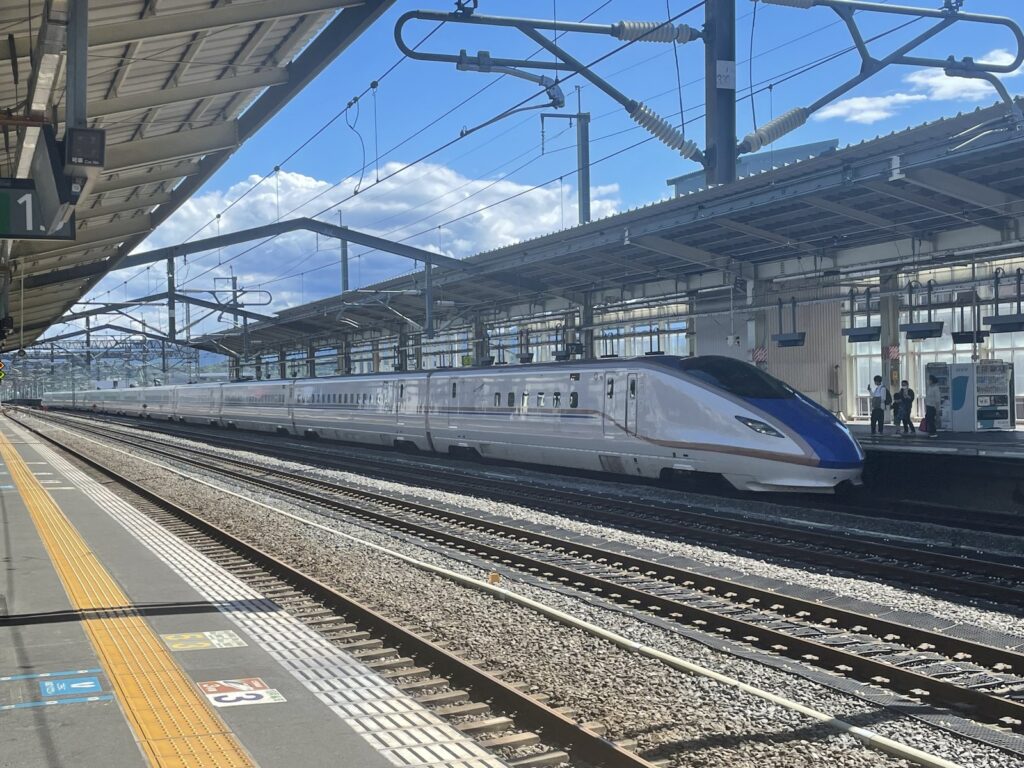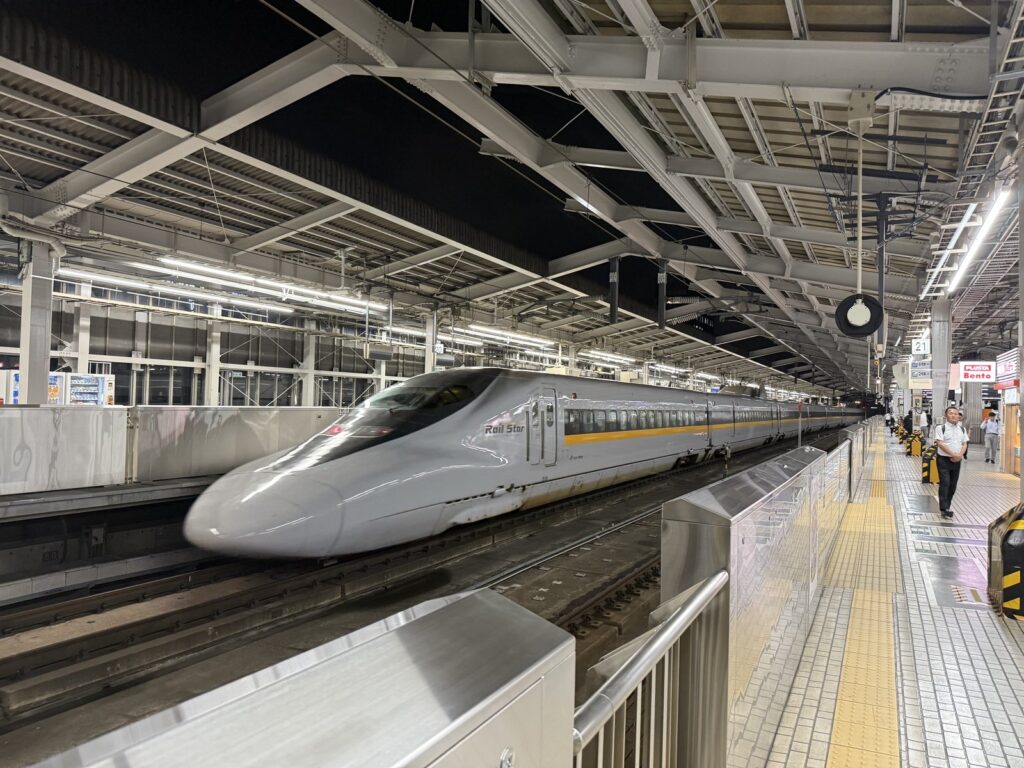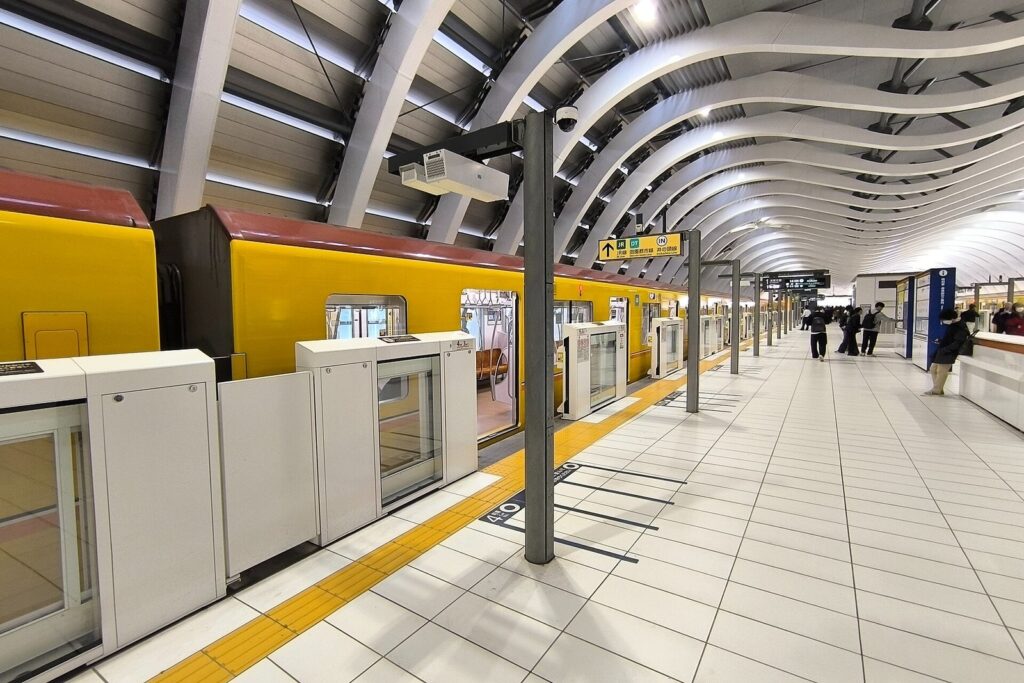
I live in Japan, and this is one of the most common questions friends ask me before a Tokyo trip: should they buy an unlimited subway pass, or just tap an IC card and pay as they go? The honest answer depends entirely on your itinerary, and most of the guides that recommend the pass to everyone skip the one detail that actually decides it — which train company runs the line you need.
Tokyo’s rail map is split between Tokyo Metro, the Toei network, and JR East, all operated separately, and the Tokyo Subway Ticket only covers two of the three. Get that wrong and you have paid for unlimited rides on lines you barely use.
The quick answer
- The Tokyo Subway Ticket gives unlimited rides on all Tokyo Metro and Toei Subway lines (13 lines, roughly 285 stations) for a flat price: ¥1,000 for 24 hours, ¥1,500 for 48 hours, ¥2,000 for 72 hours.
- Children aged 6–11 pay exactly half; under-6s ride free.
- The clock is rolling, not calendar-based: it starts the moment you first tap in and runs for a full 24/48/72 hours, not until midnight.
- It does not cover JR lines, including the Yamanote Line loop that circles central Tokyo — the single biggest reason people end up disappointed with it.
- Rough rule of thumb: it pays for itself at around five subway rides in a 24-hour window. Fewer than that, and an IC card is cheaper.
What the ticket actually covers, and what it doesn’t
Tokyo Metro runs nine lines (Ginza, Marunouchi, Hibiya, Tozai, Chiyoda, Yurakucho, Hanzomon, Namboku, Fukutoshin), and the Toei network runs four (Asakusa, Mita, Shinjuku, Oedo). Together that’s the Tokyo Subway Ticket’s full coverage — 13 lines reaching most of the places first-time visitors want: Asakusa, Ginza, Shibuya, Shinjuku, Ueno, Roppongi and the Oedo Line’s loop under the city.
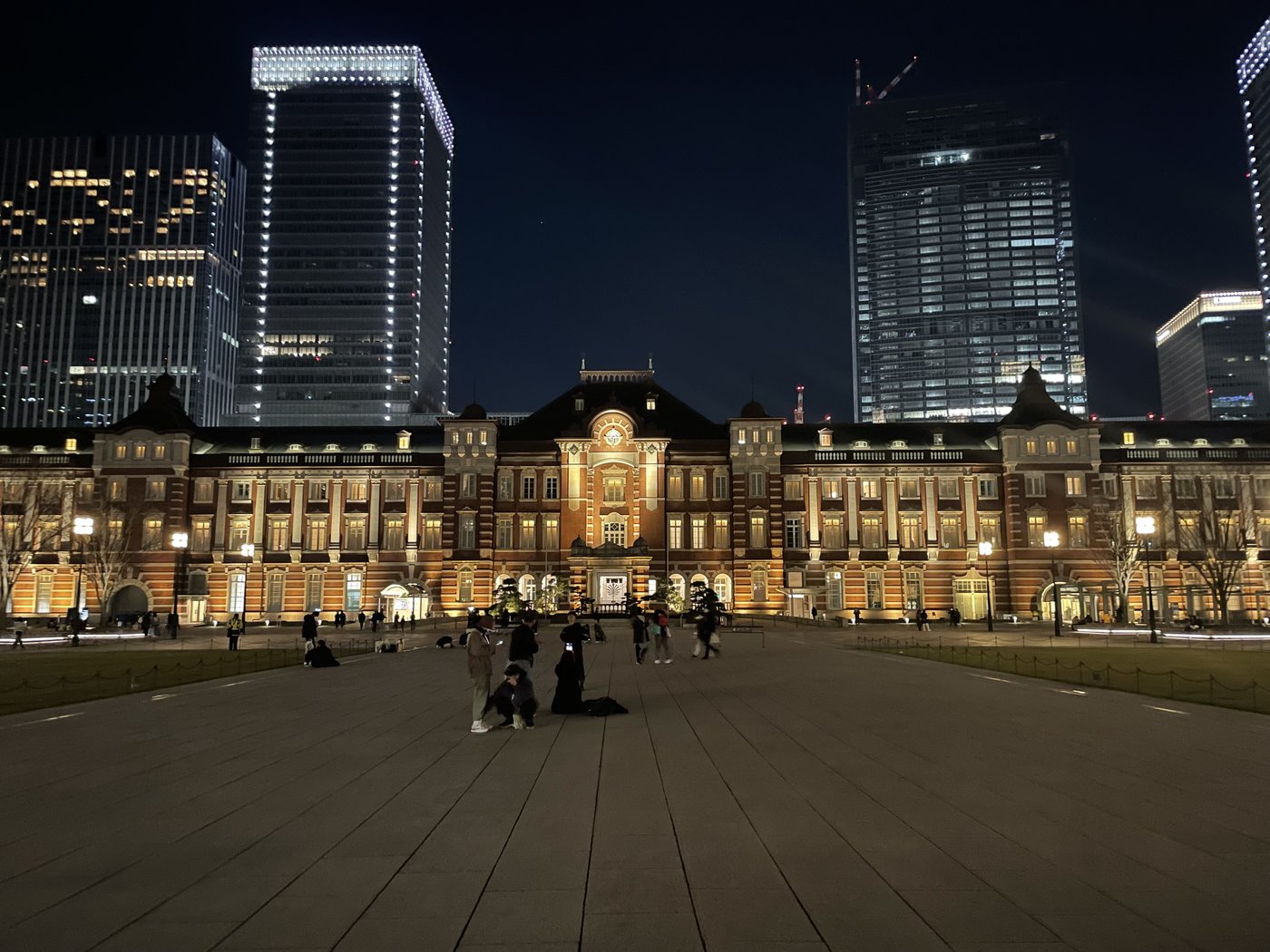
What it does not touch is JR East: no Yamanote Line, no Chuo Line, no Keihin-Tohoku Line, and no Narita Express or Skyliner. That matters because a lot of natural sightseeing routes lean on the Yamanote Line to hop between Tokyo Station, Akihabara, Ueno and Shinjuku. If your day mixes subway stops with a couple of Yamanote hops, you’ll still be tapping a separate IC card fare on top of the pass — which quietly erodes the math in the ticket’s favor.
Is it actually worth it? Doing the math
A single Tokyo Metro or Toei ride for an adult typically runs ¥180–260 depending on distance. At ¥1,000 for 24 hours, you break even at roughly five rides in a day — realistic if you’re darting between neighborhoods (say, Asakusa in the morning, Ginza for lunch, Shibuya in the afternoon, back to your hotel at night, plus a subway-only detour to Roppongi). Below that, a Suica or Welcome Suica IC card, where you simply tap and pay each fare with no upfront commitment, usually costs less overall.
The 48-hour (¥1,500) and 72-hour (¥2,000) versions are a better deal per hour than the 24-hour ticket, so if you know you’ll be doing subway-heavy days on back-to-back days, buying the longer version up front is usually cheaper than buying two or three 24-hour tickets separately.
How it compares to Tokyo’s other passes
| Pass | Covers | Price (adult) | Duration |
|---|---|---|---|
| Tokyo Subway Ticket | Tokyo Metro + Toei Subway only | ¥1,000 / ¥1,500 / ¥2,000 | 24h / 48h / 72h, rolling |
| Common One-Day Ticket | Tokyo Metro + Toei Subway only | ¥1,100 | One calendar day |
| Toei One-Day Economy Pass | Toei Subway, bus, Arakawa tram, Nippori-Toneri Liner only | ¥700 | One calendar day |
| Tokyo 1-Day Ticket (Tokyo Furii Kippu) | JR East (23 wards) + Tokyo Metro + Toei | ¥1,600 | One calendar day |
The pattern worth noticing: the moment your day includes JR lines like the Yamanote, the Tokyo 1-Day Ticket at ¥1,600 is the only pass here that actually covers you end to end, even though it costs more upfront. If your day is genuinely subway-only, the Tokyo Subway Ticket’s rolling clock makes it the better buy over the near-identical Common One-Day Ticket, because a 24-hour pass bought at 3pm is still valid at 3pm the next day, not just until midnight.
Where to buy it
The Tokyo Subway Ticket is aimed at overseas visitors and isn’t sold at every ordinary ticket machine — you’ll find it at Narita and Haneda airport counters (via Travel CUBE), the Tokyo Metro Pass offices at major stations like Ueno, Asakusa, Shinjuku and Ikebukuro, and bundled with airport transport like the Keisei Skyliner or Narita Express at a small discount. Booking ahead through Klook is the simplest option if you’d rather not hunt for a counter on your first jet-lagged day — you get a voucher to exchange for the physical ticket, or in some cases a QR pass you use directly.
Who should just use an IC card instead
If your trip is mostly slow sightseeing — a couple of temples and a market, with long lunches in between — you’re unlikely to hit five rides a day, and a Suica or Welcome Suica card is simpler: no upfront calculation, no worrying about which company runs which line, and it works on JR, Metro, Toei, private railways and most buses everywhere in Japan. I cover the differences between the IC card options in Suica vs PASMO vs Welcome Suica, and the full picture of how JR, private lines and subways fit together in Japan’s Trains Explained.
And if you’re weighing this against Tokyo’s broader transport picture — including how to get in from the airport in the first place — our guide to Getting Around Tokyo is the wider version of this same question.
Whatever you decide, don’t overthink packing for the trip itself: if you forget a portable charger or an umbrella, Bic Camera and any convenience store near a subway exit will have you covered in five minutes.
FAQ
Does the Tokyo Subway Ticket cover the airport trains? No. The Narita Express, Keisei Skyliner and Keikyu Airport Line to Haneda are all separate tickets, though some are sold in a discounted bundle with the Tokyo Subway Ticket.
Can I buy it at any subway station? Not any station — only at designated Tokyo Metro Pass offices and a handful of tourist ticket counters, plus airports and online sellers like Klook. Check the current list before you land, since it changes.
Is the 24-hour ticket really 24 hours, not one calendar day? Yes — it starts counting from the moment you first pass through a ticket gate, and stays valid for a full 24, 48 or 72 hours from that point, not just until midnight.
What about kids? Ages 6–11 pay exactly half the adult price for any duration; children under 6 ride free.
Is it cheaper than just tapping an IC card each time? Only if you’re taking around five or more subway rides within the ticket’s validity window. For a lighter sightseeing pace, an IC card usually works out cheaper.
The verdict
The Tokyo Subway Ticket is a good deal for a specific kind of day: subway-heavy, JR-light, hopping between neighborhoods like Asakusa, Ginza, Shibuya and Shinjuku without needing the Yamanote Line to connect them. Do a rough count of your planned rides before buying — around five in 24 hours is the break-even point — and if JR lines are baked into your route, look at the Tokyo 1-Day Ticket or just an IC card instead. It’s a small calculation, but it’s the difference between a pass that pays for itself and one that sits half-used in your wallet.
All prices checked against current 2026 fares — confirm before you travel, since Tokyo’s operators do revise pricing.
Written from Japan by the Wayfarer Japan team.
Featured image: “SHIBUYA STATION SUBWAY TOKYO (54562846668)” by ERIC SALARD, CC BY-SA 2.0, via Wikimedia Commons