I live in Japan, and the question I get most from people planning a two-week trip is some version of “should we just do the ten-day route but slower?” You could, but that wastes the extra time. Four more days than the ten-day version is enough to add a whole region the shorter trips can’t fit, and it changes the shape of the trip rather than just padding it. This itinerary builds on our Perfect 10-Day Japan Itinerary, keeping its Tokyo–Hakone–Kyoto–Hiroshima–Osaka spine but swapping Hakone for a loop through Nikko, Kanazawa and Takayama before rejoining the same route into Kyoto.
The quick answer
- Fly into Tokyo, out of Osaka (Kansai). Same logic as the shorter itineraries — an open-jaw ticket usually costs the same as a return.
- Six bases over 13 nights: Tokyo 4 nights, Kanazawa 2, Takayama 1, Kyoto 4, Hiroshima 1, Osaka 1.
- This is the length where the 14-day Japan Rail Pass (commonly called the JR Pass) genuinely competes with point-to-point tickets, because the route now covers four regions instead of two.
- Book early: Kyoto and Kanazawa accommodation, plus teamLab tickets. Everything else can wait until you land.
- Realistic mid-range budget: ¥25,000–40,000 per person per day excluding flights, slightly higher than the 10-day trip because of the extra long-distance travel days.
Why Kanazawa and Takayama instead of just more Kyoto
Kyoto rewards a third or fourth day, but the marginal temple starts to feel like the last one. Kanazawa and Takayama don’t have that problem — they’re different enough from Tokyo and Kyoto that they feel like a second country inside the same trip. Kanazawa escaped World War II bombing, so its castle town, geisha district and gardens are the real thing rather than postwar reconstructions, and our full Kanazawa Guide: Gardens, Geisha Districts and Crafts covers it in depth. Takayama and the nearby thatched-roof village of Shirakawa-go add mountain Japan — the Takayama and Shirakawa-go guide has the fuller route if you want to extend this leg.
Days 1–4: Tokyo, with a day trip you can’t fit on the shorter trips
Day 1 is for landing and nothing else. Sort your data connection before leaving the airport — see Best eSIM for Japan — and pick up an IC card; Suica vs PASMO vs Welcome Suica explains which one suits you.
Day 2: Senso-ji in Asakusa before 8am, then Ueno Park, Akihabara, and either Yanaka or Shibuya to close the day. Where to Stay in Tokyo is worth reading before you book.
Day 3: Meiji Jingu, Harajuku and Shinjuku in daylight, then teamLab in the evening — it sells out days ahead, so book this before anything else on the Tokyo leg. How to Get teamLab and Ghibli Museum Tickets Before They Sell Out covers the timing.
Day 4 is the day the seven- and ten-day trips can’t spare: a day trip to Nikko. The Tobu limited express from Asakusa takes about two hours each way to Toshogu Shrine and Kegon Falls. Our Nikko Day Trip from Tokyo guide has the full planning details, including which combination ticket is worth buying.
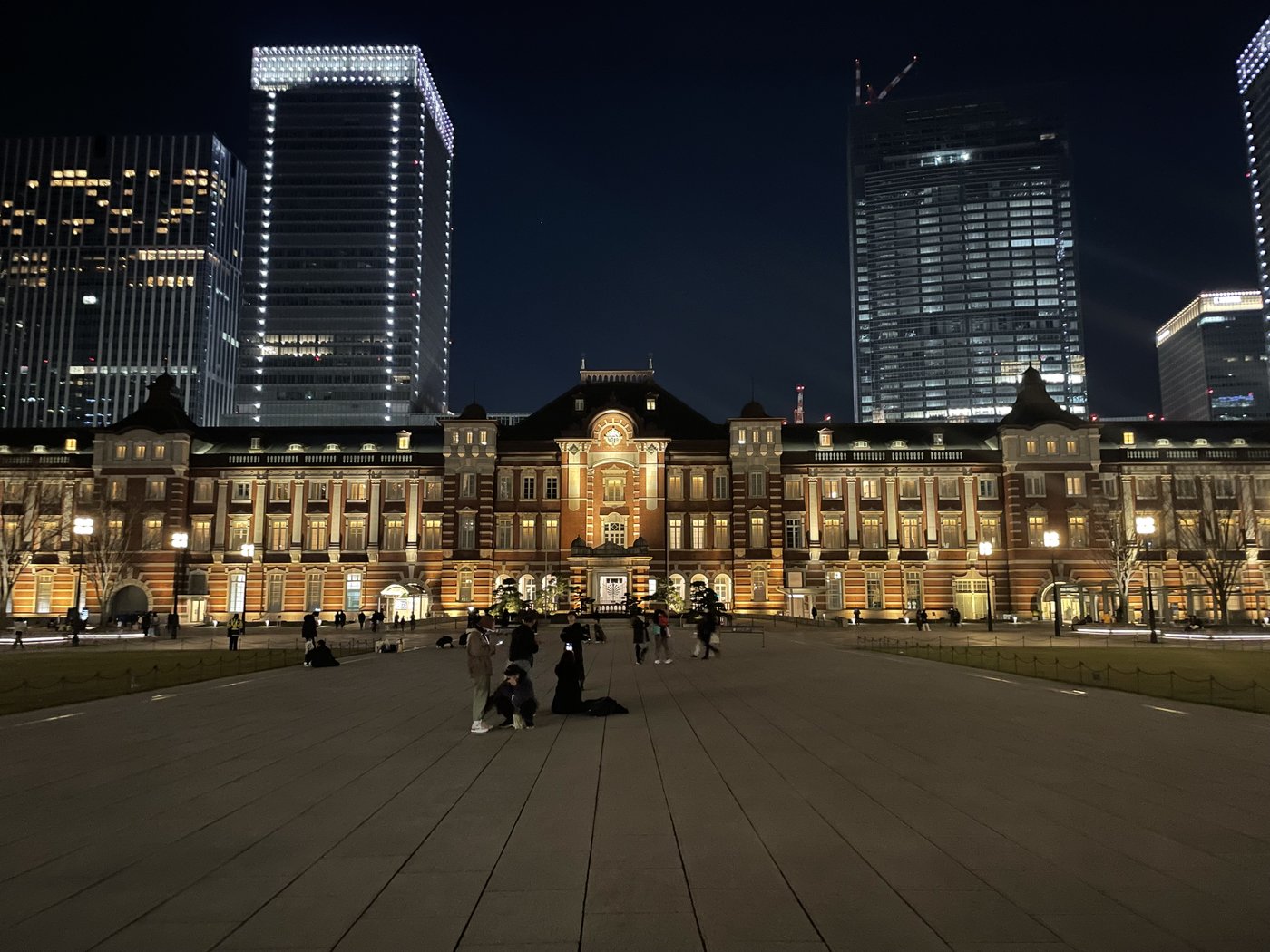
Days 5–8: Tokyo to Kyoto, the long way round
This is the stretch that makes the 14-day version a genuinely different trip, not just a longer one.
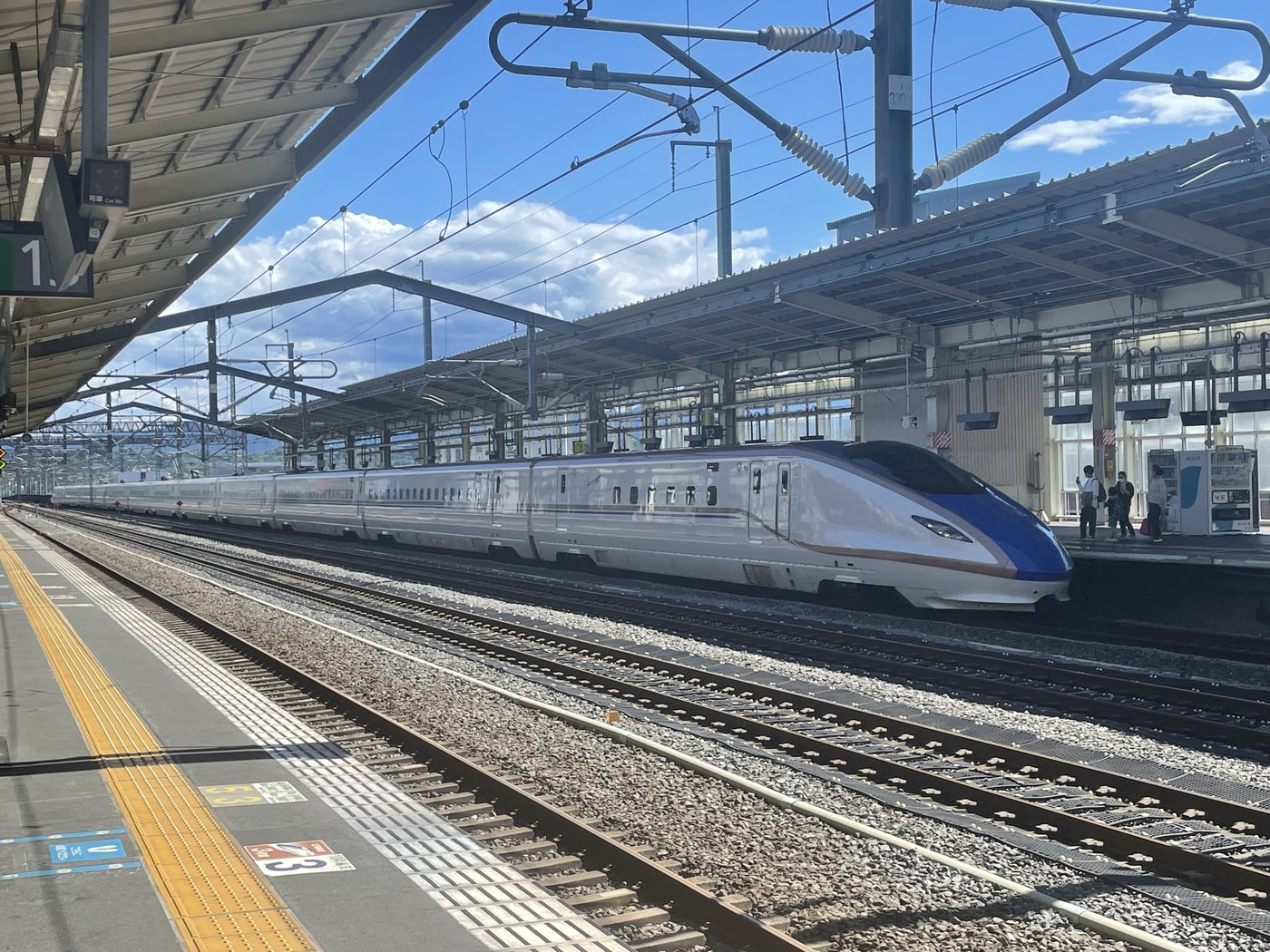
Day 5: The Hokuriku Shinkansen from Tokyo to Kanazawa takes about two and a half hours on a Kagayaki service. Arrive by early afternoon and spend the rest of the day in Kenroku-en, one of Japan’s three great gardens, followed by the Higashi Chaya geisha district at dusk. Tokyo to Kanazawa: Hokuriku Shinkansen Guide covers seat reservations and fares in detail.
Day 6: A full day in Kanazawa — the 21st Century Museum of Contemporary Art, Omicho Market for lunch, and the samurai district of Nagamachi in the afternoon.
Day 7: A Nohi bus from Kanazawa to Takayama takes roughly two and a half to three hours and should be booked a day or two ahead in peak seasons. Spend the afternoon in Takayama’s beautifully preserved old town, with its sake breweries and Edo-era merchant houses.
Day 8: A morning bus to Shirakawa-go (about 50 minutes) to see the thatched-roof farmhouses, then back to Takayama to catch the limited express Hida to Nagoya and a connecting Shinkansen on to Kyoto, arriving by early evening. It’s a long travel day — build in a buffer rather than booking a tight connection.
Days 9–11: Kyoto and Nara
Day 9: Fushimi Inari at sunrise, free and close to empty before 7am. Then Arashiyama in the afternoon — the bamboo grove first, the quieter and better Tenryu-ji garden second.
Day 10: A second Kyoto day for Kinkaku-ji in the morning and Gion/Higashiyama at dusk, when the lanterns come on and the day-trip crowds have mostly left. Kyoto’s accommodation tax, raised sharply on 1 March 2026, now runs ¥200–¥10,000 per person per night depending on room rate.
Day 11: Nara, unhurried. Kintetsu from Kyoto runs ¥760 local or ¥1,280 with a reserved limited-express seat.
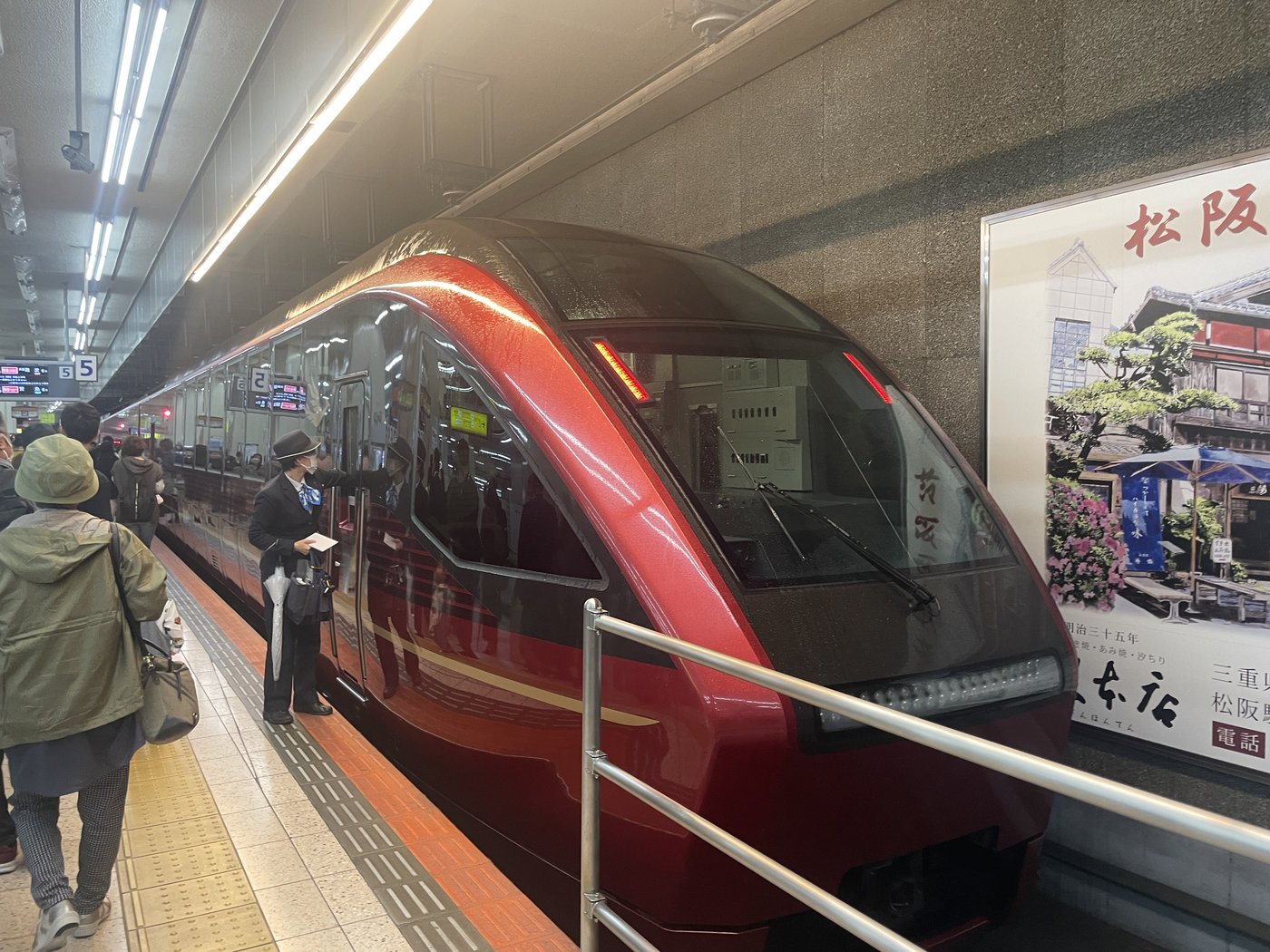
Spend the morning with Todai-ji’s Great Buddha and the deer of Nara Park, then wander Nara-machi before heading back to Kyoto for the evening. Our Nara Day Trip Guide has the fuller route.
Days 12–14: Hiroshima, Osaka and home
Day 12: A direct Nozomi covers Kyoto to Hiroshima in around 95 minutes. Drop your bag, then head to Miyajima — the JR ferry from Miyajimaguchi costs ¥180 one way plus a ¥100 island visitor fee. Time it for late afternoon to catch the floating torii of Itsukushima Shrine at high tide as the day-trippers leave.
👉 Klook Hiroshima Miyajima tour
Day 13: The Hiroshima Peace Memorial Park and Museum in the morning, then the Shinkansen on to Osaka — about 80–90 minutes. Settle in and spend the evening in Dotonbori.
Day 14: Osaka Castle or Kuromon Ichiba Market in the morning, then leave a generous buffer for Kansai Airport. The Haruka limited express runs roughly ¥2,900–3,600 and takes 45–70 minutes depending on your starting station.
What this actually costs in 2026, and whether to buy a rail pass
Approximate per person, worth confirming before you book anything non-refundable.
| Leg | Rough cost |
|---|---|
| Airport to central Tokyo | ¥500–650 |
| Tokyo local transport, 4 days | ¥4,000–5,000 |
| Nikko day trip (Tobu limited express return) | ¥4,000–5,000 |
| Tokyo–Kanazawa (Hokuriku Shinkansen) | ~¥14,000 |
| Kanazawa local transport | ¥1,000–1,500 |
| Kanazawa–Takayama bus | ¥3,900–4,500 |
| Takayama–Shirakawa-go bus return | ~¥4,900 |
| Takayama–Kyoto (Hida + Shinkansen via Nagoya) | ¥12,000–13,000 |
| Kyoto local transport, 4 days | ¥3,500–4,500 |
| Kyoto–Nara return (Kintetsu) | ¥1,520 |
| Kyoto–Hiroshima (Shinkansen) | ~¥10,800 |
| Miyajima ferry + visitor fee | ~¥280 |
| Hiroshima–Osaka (Shinkansen) | ~¥10,000 |
| Osaka to Kansai Airport (Haruka) | ¥2,900–3,600 |
| Transport total | ≈ ¥73,000–81,000 |
That total lands close enough to the 14-day Japan Rail Pass — ¥84,000 through overseas agencies as of 1 October 2026, though the official site had not raised its own price at the time of writing, so it’s worth comparing both — that the decision usually comes down to convenience rather than cost. The pass wins if you’d rather not think about reserving every Shinkansen leg individually; point-to-point tickets win if any part of your route sticks to local trains and buses where the pass adds no value, like the Kanazawa–Takayama bus. Japan Rail Pass 2026: Is It Still Worth It? runs the fuller comparison, including which seats the pass does and doesn’t cover.
Mistakes I watch people make on this version
Treating the Takayama–Kyoto travel day as a quick hop rather than what it is — three trains and a bus transfer — is the most common one; build in slack rather than a same-day teamLab-style booking right after you arrive. The second is skipping Nikko to “save a day” and then wondering why the trip feels identical to the ten-day one. And don’t overpack for the mountain leg — Takayama gets cold at night even when Tokyo and Kyoto are mild, but fleece and rain layers are easy to buy at any convenience store or Uniqlo if you’re short, which is why our Japan Packing List stays deliberately short.
FAQ
Is this itinerary too much train time? It’s roughly six to seven hours of train and bus travel spread across three dedicated travel days, out of fourteen. That’s more than the 10-day version, but less than it sounds, since the Takayama and Kanazawa legs are themselves part of the sightseeing.
Could I swap Nikko for Kamakura instead? Yes — Kamakura is shorter (about an hour from Tokyo) and coastal rather than mountainous. Either works; Nikko suits people who haven’t done temples yet, Kamakura suits people adding a beach-adjacent day.
When should I avoid these dates? Golden Week (late April–early May), Obon (mid-August) and New Year, when both the Kanazawa–Takayama bus and Kyoto hotels fill up weeks in advance.
The verdict
Tokyo four nights with a Nikko day trip, Kanazawa two, Takayama one, Kyoto four with a Nara day trip, Hiroshima one, Osaka one, flying home from Kansai. Compare the 14-day Japan Rail Pass against point-to-point tickets before you book — this is the first itinerary length on this site where that comparison is genuinely close — and don’t let the Kanazawa–Takayama loop get cut for a slower Kyoto instead; it’s the leg that makes this trip different from simply stretching the ten-day one.
Written from Japan by the Wayfarer Japan team. Prices and times are approximate and change — confirm before booking.