I live in Japan, and Narita is the airport I’ve picked friends and family up from more times than I can count. It’s also the airport that trips people up the most, because unlike Haneda it isn’t close to central Tokyo — you’re looking at 60 to 90 minutes into the city no matter which way you go. The good news is there’s an option for every budget and every level of jet lag. Here’s how I’d actually choose, depending on who’s asking.
The quick answer
- Want the fastest, most comfortable ride and don’t mind paying for it? Take the Keisei Skyliner — about 36–41 minutes to Nippori or Ueno, the quickest way into the city by far.
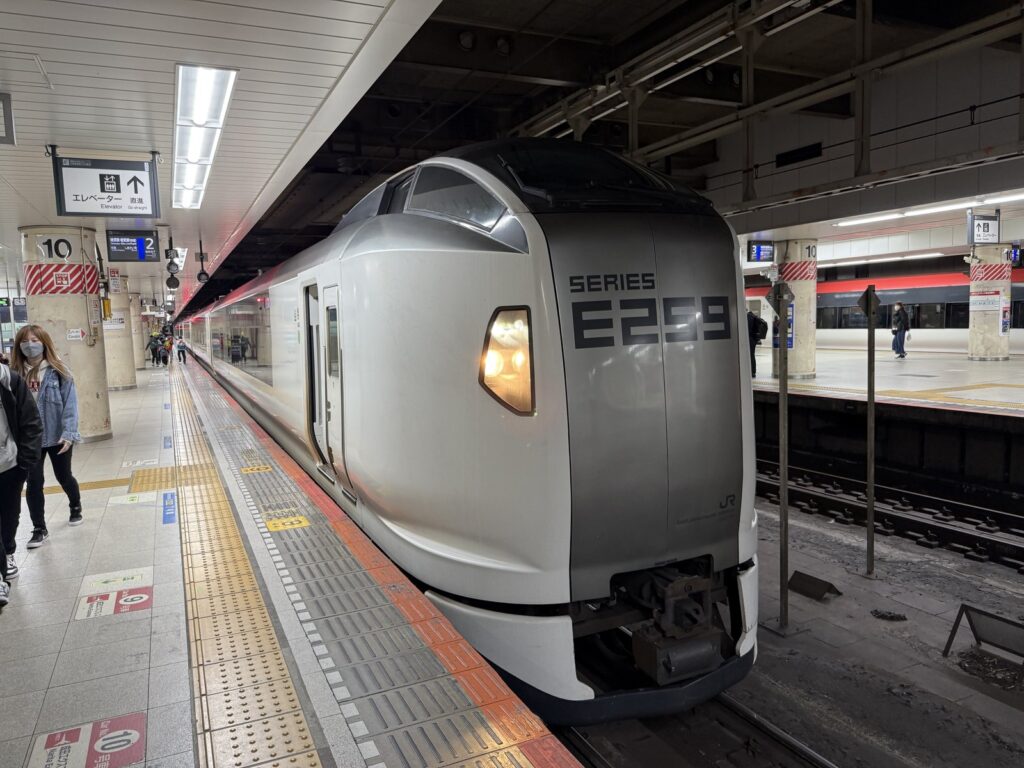
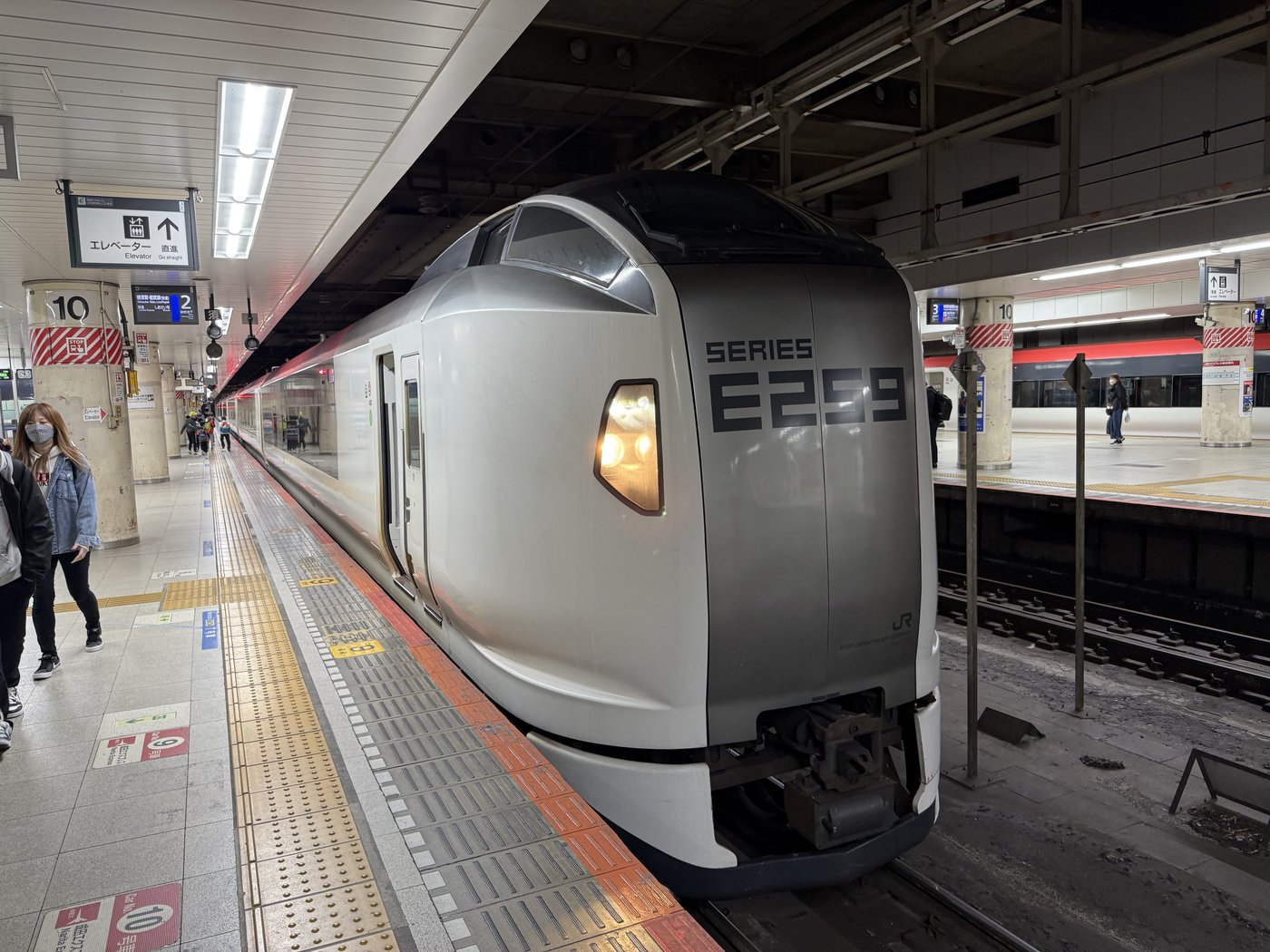
- Heading straight to a hotel near Tokyo, Shinagawa, or Shinjuku Station and want one seat, no transfers? Take the Narita Express (N’EX) — a bit slower than the Skyliner, but it reaches more stations directly.
- Traveling on a tight budget and don’t mind one extra minute on the platform? The Keisei Access/Limited Express trains are the cheapest rail option, roughly a third of the Skyliner’s price.
- Got heavy luggage, multiple stops, or a hotel that’s awkward to reach from a train station? The Airport Limousine Bus drops you at named hotels and terminals with no stairs or transfers.
- Arriving very late, traveling in a group, or just want door-to-door with zero thinking involved? A taxi or fixed-fare private transfer costs more but removes all the guesswork — see Where to Stay in Tokyo for context on where you’re actually headed.
The five options at a glance
| Skyliner | Narita Express (N’EX) | Keisei Access/Ltd. Express | Limousine Bus | Taxi / private transfer | |
|---|---|---|---|---|---|
| Travel time | ~36–41 min to Ueno/Nippori | ~55–90 min depending on station | ~65–80 min to Nippori | ~55–90 min depending on traffic | ~60–90 min depending on traffic |
| One-way cost | Roughly ¥2,300–2,600 | Roughly ¥3,100–3,350 | Roughly ¥1,050–1,300 | Roughly ¥2,900–3,200 | Roughly ¥25,000–35,000 metered, or a fixed-fare private car from around ¥24,000 |
| Reservations | Reserved seat, buy ahead or at station | Reserved seat required | No reservation, just tap and go | Reserved seat recommended in peak season | Book ahead for fixed-fare, or queue at the taxi rank |
| Best for | Speed, Ueno/Nippori area | Direct to Tokyo, Shinagawa, Shinjuku, Yokohama | Budget travelers, no rush | Big luggage, specific hotels | Late arrivals, groups, zero hassle |
Prices move a little with fare revisions and seasonal promotions, so treat these as a starting point — they’re accurate as of writing but worth a quick check before you book.
Option 1: The Keisei Skyliner (fastest)
The Skyliner is the one I recommend to anyone who values their time over their yen. It runs on a dedicated fast track between Narita and Nippori/Ueno, covering the distance in about 36–41 minutes with almost no stops. From Ueno or Nippori you transfer onto the Tokyo Metro or JR Yamanote Line to reach most other parts of the city.
- Buying online in advance is a little cheaper than buying at the station counter, and it guarantees you a seat during busy arrival windows.
- It only serves Ueno and Nippori directly — if your hotel is near Tokyo Station, Shinjuku, or Shibuya, you’ll need one more train after getting off.
- Seats have generous luggage space built in, which matters more than it sounds like after a long flight.
👉 Klook Keisei Skyliner ticket
Option 2: The Narita Express (N’EX)
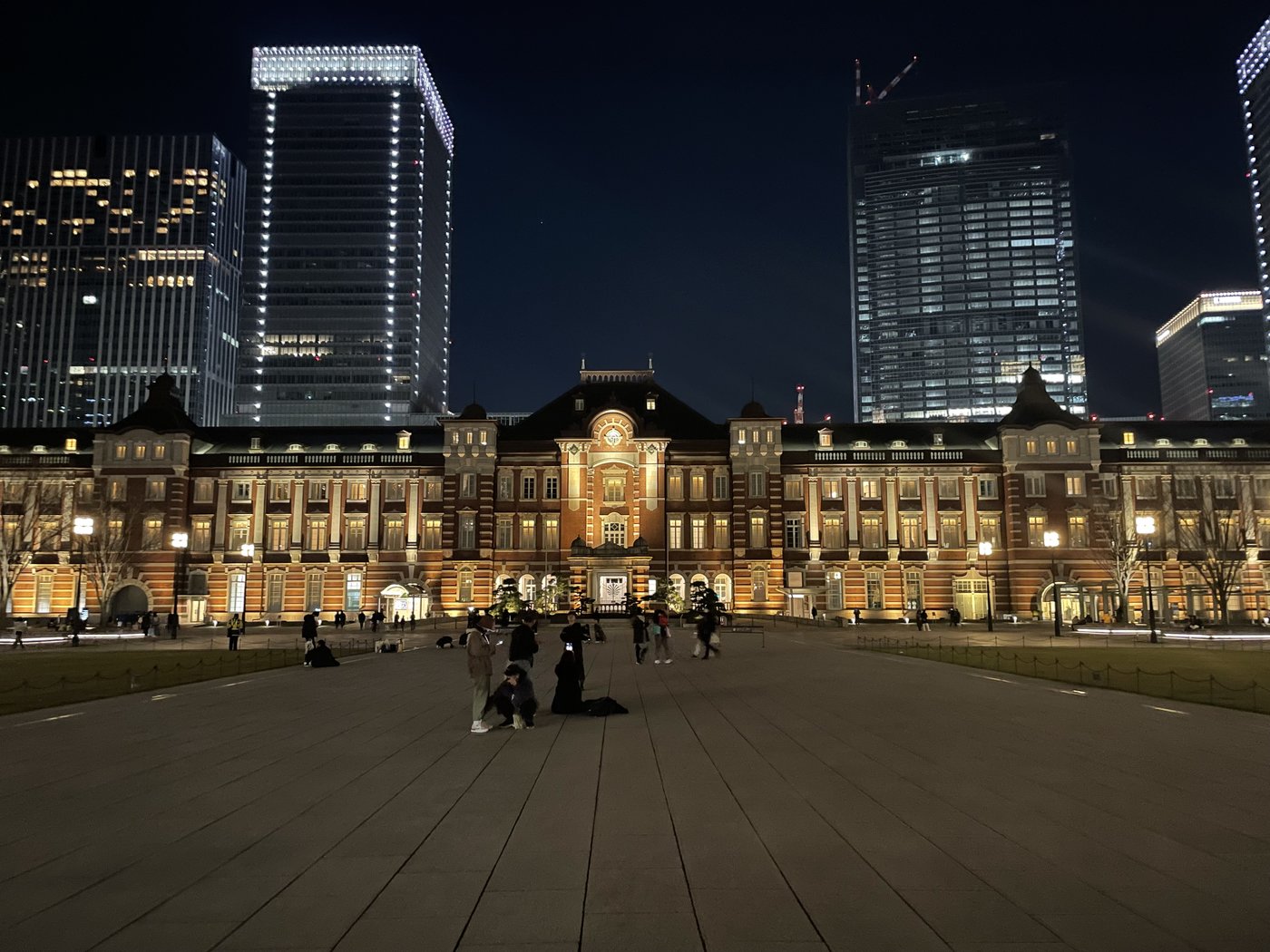
This is the option I point most first-time visitors toward, because it’s a single reserved seat that takes you directly to Tokyo Station, Shinagawa, Shinjuku, Ikebukuro, or Yokohama — no transfer required if your hotel is near one of those. It’s operated by JR, so it’s covered by the Japan Rail Pass, which matters if you’re activating your pass on arrival.
- If you’re buying a round-trip ticket for your return flight too, the N’EX round-trip fare is meaningfully cheaper than two separate one-way tickets — worth locking in if you already know your departure date.
- Trains run roughly every 30–60 minutes depending on time of day, so it’s not as frequent as the Skyliner, but reservations are easy to make same-day at the JR ticket office or via the app.
- If you already have a Japan Rail Pass, the N’EX from Narita to Tokyo is a genuinely good way to start your trip — see Is the Japan Rail Pass Worth It? if you haven’t decided yet, and How to Buy a Japan Rail Pass Online for activating it before you land.
Option 3: Keisei Access/Limited Express (cheapest train)
This is the one most guidebooks skip, and it’s the one I actually recommend to friends who are backpacking or just don’t want to spend train fare they don’t have to. These are regular Keisei commuter trains, not premium services, so there’s no reserved seat and no ticket gate fuss — you tap your IC card and go.
- It takes about 65–80 minutes to Nippori, roughly double the Skyliner’s time, for around a third of the price.
- If you’ve already set up a Suica or Pasmo on your phone, or picked up a Welcome Suica at the airport, you tap in and out like any local commuter — see Suica, Pasmo, and the Welcome Suica for how that works.
- The trade-off is standing room during busy periods and no dedicated luggage racks, so it’s a better fit for one bag than a family with four suitcases.
Option 4: The Airport Limousine Bus
The Limousine Bus is what I tell people to take when they’re heading somewhere a train station doesn’t conveniently reach, or when they’re traveling with enough luggage that stairs and transfers sound miserable. It runs directly to major hotels and transport hubs across the city — no need to figure out which subway exit is closest to your hotel.
- Fares are similar to the Narita Express, sometimes a little less if you travel outside peak hours, with discounted tickets for kids.
- Buses run frequently throughout the day, and during quieter late-night or early-morning windows the fare drops further.
- It’s the least stressful option if your hotel is directly on a bus route — check the operator’s stop list for your hotel name before you land, since not every hotel is served.
👉 Klook Narita Airport Limousine Bus ticket
Option 5: Taxi or private transfer
A metered taxi from Narita into central Tokyo is the most expensive option by a wide margin, and I genuinely don’t take one myself for this route — it’s simply not worth it when the train exists. That said, it earns its place for a specific type of traveler: arriving well after midnight when trains have stopped, traveling as a group of four where the per-person cost evens out, or just wanting zero decisions after a long-haul flight.
- A metered taxi runs considerably more than any train or bus option, plus tolls, and fares rise further during late-night hours.
- A pre-booked fixed-fare private transfer is usually cheaper than a metered taxi for the same distance, and you know the exact price before you land — no surprises on the meter.
- If you’re arriving with young kids, medical needs, or simply after 36 hours of travel, this is the one time I’d say the extra cost is worth it.
👉 Klook Narita Airport private transfer
What I’d actually book
For a first trip to Japan with normal luggage and a hotel near a major station, I point people to the Narita Express — one seat, no transfers, and it lands you exactly where you need to be. If speed matters more than convenience and you’re staying near Ueno, take the Skyliner. Backpacking or traveling solo with one bag? The Keisei Access/Limited Express saves real money for barely any extra hassle. Big group or serious luggage? The Limousine Bus. Landing at 11pm with a toddler? Just book the private transfer and don’t think twice about it.
And if you land and realize you forgot something for the ride in — a phone charger, a neck pillow, snacks — don’t panic. The airport itself has convenience stores and kiosks selling exactly what you need before you even reach the platform.
Related guides on Wayfarer Japan
FAQ
What’s the cheapest way from Narita to Tokyo? The Keisei Access/Limited Express train, at roughly a third of the Skyliner’s price, though it takes about twice as long.
What’s the fastest way from Narita to Tokyo? The Keisei Skyliner, at around 36–41 minutes to Ueno or Nippori.
Can I use my Japan Rail Pass for the Narita Express? Yes — the N’EX is a JR service and is covered by the Japan Rail Pass, making it a good way to activate your pass on arrival.
Is the Limousine Bus worth it over the train? If your hotel is directly on its route and you have a lot of luggage, yes — it saves you navigating stairs and transfers. Otherwise the train is usually faster and about the same price.
Should I just take a taxi from Narita? Only if you’re arriving very late, traveling in a group where the cost splits evenly, or specifically want door-to-door with no transfers. For everyone else, the train or bus options are far better value.
The verdict
For most visitors, the Narita Express is the easiest all-around choice — one reserved seat, no transfers, and it’s covered by the Japan Rail Pass. If speed is everything, take the Skyliner. If budget is everything, take the Keisei Access/Limited Express. The Limousine Bus earns its place with heavy luggage or a hotel that’s awkward to reach by train, and a taxi or private transfer is worth the extra cost only for late arrivals or groups. Whichever you pick, check current fares before you fly — schedules and prices shift with the season.
Next: Suica, Pasmo, and the Welcome Suica and Tokyo Travel Guide (internal links).
Written from Japan by the Wayfarer Japan team. Some links are affiliate links that support the site at no extra cost to you.