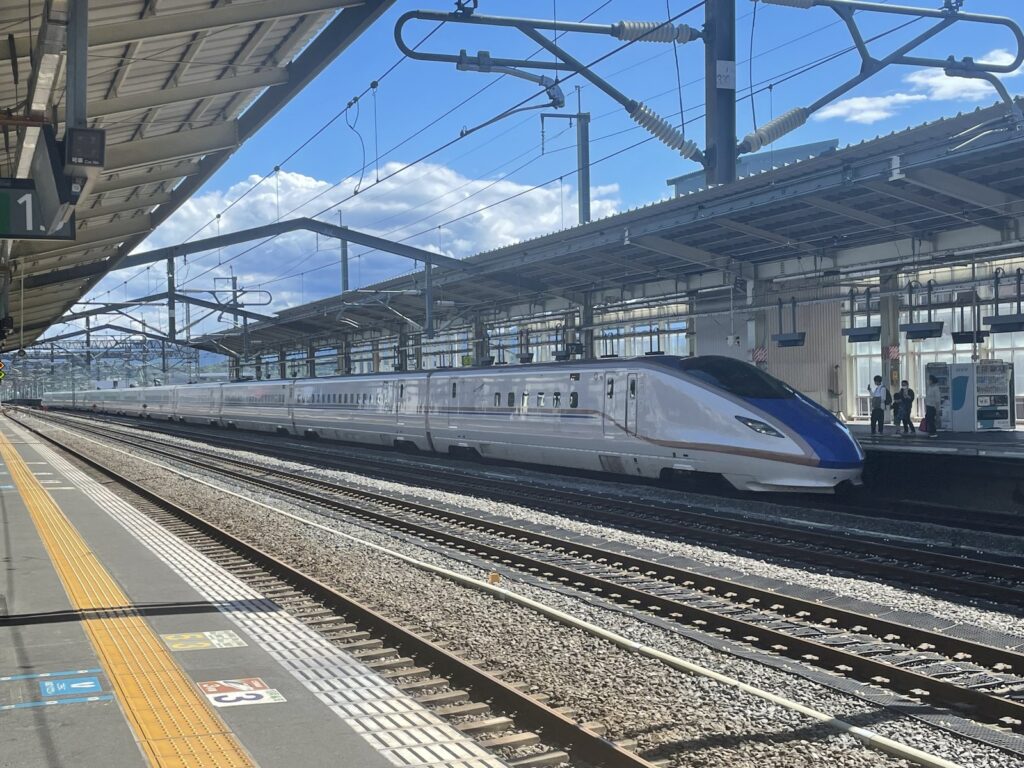
I live in Japan, and Kansai Airport is the one I use when I’m heading to Osaka or Kyoto. It sits on an artificial island in Osaka Bay, roughly 50 km from central Osaka, so there is no “quick hop” into town — every option takes between 35 and 90 minutes. The choice is simple once you know two things: which city you’re going to, and whether you qualify for the tourist-only discount tickets. That second point matters, because as a resident I can’t buy most of them and you can, which sometimes cuts the fare almost in half.
The quick answer
- Going to Kyoto? Take the Haruka limited express. It’s direct, about 75–80 minutes, and with the tourist-only HARUKA One-way Ticket it’s around ¥2,200 instead of roughly ¥3,000.
- Going to Namba, Shinsaibashi or Dotonbori? Take a Nankai train. The Airport Express is about ¥970 and 45–50 minutes; the Rapi:t limited express is faster and reserved-seat only.
- Going to Osaka Station, Umeda or Shin-Osaka? The Haruka (fast) or the JR Kansai Airport Rapid (cheap, about ¥1,200) both get you there.
- Heavy luggage or a hotel that’s awkward from a station? The airport limousine bus goes to Osaka Station, Kyoto Station and Universal Studios Japan with zero transfers and zero stairs.
- Late arrival, a group, or small children? A taxi or pre-booked private transfer removes all the guesswork — expensive, but occasionally worth it. If you haven’t picked a neighbourhood yet, Where to Stay in Osaka and Where to Stay in Kyoto will tell you which station you’re actually aiming for.
The options at a glance
| Haruka limited express | JR Kansai Airport Rapid | Nankai Rapi:t | Nankai Airport Express | Limousine bus | |
|---|---|---|---|---|---|
| Goes to | Tennoji, Osaka, Shin-Osaka, Kyoto | Tennoji, Osaka, Kyobashi | Namba | Namba | Osaka Station, Kyoto Station, USJ and more |
| Travel time | ~35 min Tennoji, ~50 min Shin-Osaka, ~75–80 min Kyoto | ~50 min Tennoji, ~65–70 min Osaka Station | ~35–40 min | ~45–50 min | ~60 min Osaka, ~85–100 min Kyoto |
| Normal fare | Roughly ¥1,800–3,100 depending on station | About ¥1,060 Tennoji, about ¥1,200 Osaka Station | ¥1,670 regular seat, ¥1,880 Super Seat | ¥970 | ¥1,800 Osaka, ¥2,800 Kyoto |
| Tourist discount | Yes — around ¥1,300–2,200 with the HARUKA One-way Ticket | No | Discounted digital tickets, roughly ¥1,520–1,560 | No | No |
| Seats | Non-reserved or reserved | Unreserved, can be standing at rush hour | All reserved | Unreserved | Reserved |
These are 2026 figures and they’re accurate as of writing, but Japanese fares get revised and promotions come and go. Treat every number here as a close estimate and confirm before you book.
Option 1: The Haruka limited express (best for Kyoto)
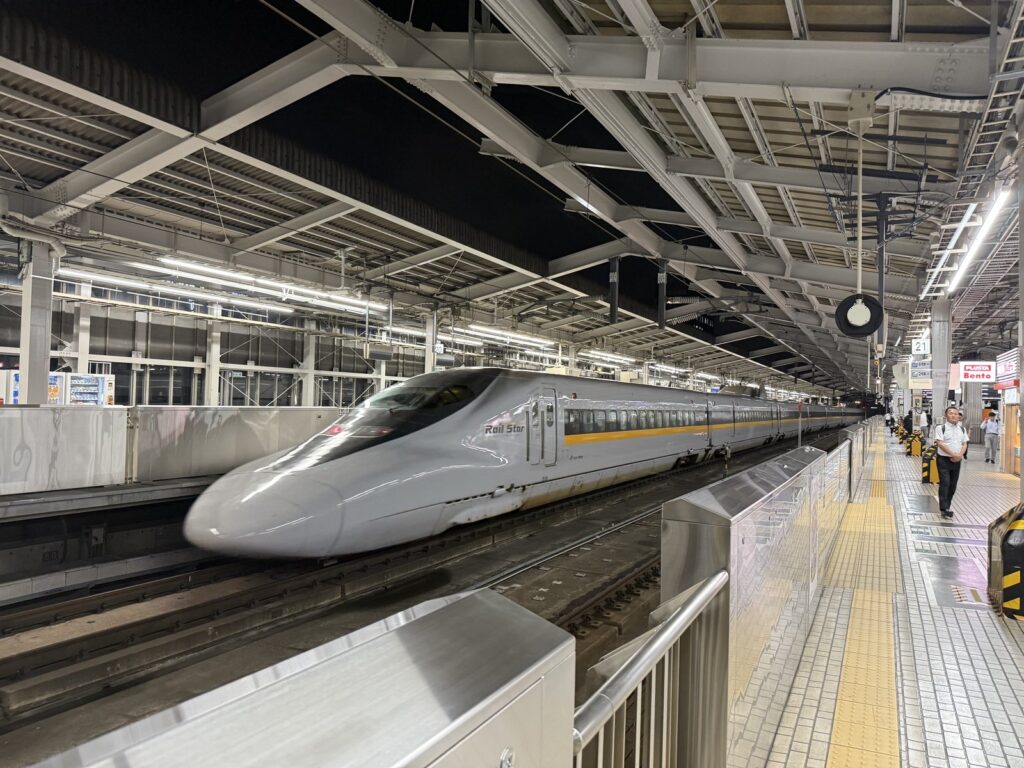
The Haruka is the airport express run by JR West, and it’s the only train that goes from the airport all the way to Kyoto without a transfer. It stops at Tennoji, Osaka Station and Shin-Osaka on the way, and it runs roughly every 30 minutes for most of the day.
At the regular fare, Kansai Airport to Kyoto is about ¥3,060 non-reserved or ¥3,590 with a reserved seat — which is why the discount matters so much. The HARUKA One-way Ticket is sold only to visitors holding a foreign passport with Temporary Visitor status, and the prices are roughly:
- Tennoji: about ¥1,300
- Osaka and Shin-Osaka: about ¥1,800
- Kyoto: about ¥2,200
- Kobe (Sannomiya): about ¥2,000
- Nara: about ¥1,800
That’s a non-reserved seat, which is fine outside of peak arrival windows; you can add a reserved seat separately at a machine if the train looks busy. You have to buy it before you travel — either online through JR West’s reservation site or through a booking platform — and then collect it at the airport station’s ticket office or a green ticket machine, passport in hand. What you can’t do is walk up to the counter after landing and buy one on the spot.
One thing worth knowing: the old ICOCA & HARUKA combo set, which lots of older blog posts still recommend, was discontinued back in 2023. If a guide tells you to buy it at the airport, that guide is out of date.
👉 Klook HARUKA one-way ticket to Kyoto
Option 2: The JR Kansai Airport Rapid (the cheap JR route)
If you’re heading to Osaka rather than Kyoto and you’d rather keep the money, the Kansai Airport Rapid runs on the same line and costs about ¥1,060 to Tennoji or roughly ¥1,200 to Osaka Station. It takes 50 minutes to Tennoji and 65–70 minutes to Osaka Station, because it stops at a lot of places the Haruka skips.
Two honest warnings. First, it’s a commuter train, so at rush hour you may be standing with your suitcase in front of you — not ideal after a long-haul flight. Second, and this is the classic KIX trap: the train splits at Hineno. Only the front carriages continue to the airport on the way out, and on the way in it joins up with another train. Follow the signs and the announcements, which are in English, and you’ll be fine.
You can tap in with an IC card for this one — ICOCA, Suica, PASMO, they all work interchangeably. See Suica vs PASMO vs Welcome Suica if you haven’t sorted a card yet.
Option 3: Nankai to Namba (best for the Osaka nightlife side)
If your hotel is anywhere near Namba, Shinsaibashi or Dotonbori, skip JR entirely. Nankai’s own line runs from the same airport station complex straight into Namba, which puts you on top of the Midosuji subway line and a short walk from most of the food you came to Osaka for.
- Airport Express (Kuko Kyuko): ¥970, about 45–50 minutes, no reservation needed. This is what I take. It’s a normal train with normal seats and it’s perfectly comfortable outside rush hour.
- Rapi:t limited express: ¥1,670 for a regular seat or ¥1,880 for a Super Seat, about 35–40 minutes, all seats reserved. Discounted digital tickets bring it down to roughly ¥1,520–1,560. The train itself looks like something out of a retro sci-fi film, and the guaranteed seat plus generous luggage space is the real selling point.
Ten minutes and a few hundred yen separate them, so it comes down to whether you want a guaranteed seat. With three suitcases and a tired family, I’d pay for the Rapi:t.
👉 Klook Nankai Rapi:t ticket to Namba
Option 4: The airport limousine bus
Buses leave from directly outside both terminals and go to Osaka Station/Umeda (about ¥1,800), Kyoto Station Hachijo-guchi (about ¥2,800), Universal Studios Japan, and a number of hotels. To Kyoto it’s slower than the Haruka — around 85 to 100 minutes depending on traffic — and services toward the airport generally need a reservation.
The bus wins in exactly one situation, but it’s a common one: you have big luggage and your hotel is near the drop-off point. One bag in the hold, one seat, no stairs, no transfers. For Universal Studios in particular it’s clearly the best option, since the train route involves a change at Nishikujo.
Option 5: Taxi or a private transfer
A metered taxi from Kansai Airport into central Osaka runs somewhere around ¥15,000, and closer to ¥18,000 late at night; Kyoto is considerably more. Hard to justify for one or two people, but for a group of four arriving at 11pm with a toddler, a pre-booked fixed-fare car can work out reasonable per head.
Do the rail passes make sense here?
Two passes are worth a thought, and both are tourist-only:
- The JR Kansai Area Pass (roughly ¥2,800 for 1 day, ¥4,800 for 2, ¥5,800 for 3, ¥7,000 for 4) covers the Haruka to or from the airport plus local JR trains around Osaka, Kyoto, Kobe, Nara and Himeji. If you land, ride the Haruka to Kyoto and then do a Nara or Himeji day trip, a 1- or 2-day pass can beat buying tickets separately.
- The nationwide Japan Rail Pass (commonly called the JR Pass) also covers the Haruka. If you already have one activated, just use it — but don’t buy one for the airport ride alone. Japan Rail Pass 2026: Is It Still Worth It? goes through the maths properly.
Note that the Kansai Area Pass and the Haruka discount ticket cover the same ride, so there’s no point buying both.
👉 Klook JR West Kansai Area Pass
Three things that catch people out
Terminal 2 has no train station. If you’re flying Peach or another low-cost carrier into Terminal 2, you need the free shuttle bus to Terminal 1 and Aeroplaza, which takes 7–9 minutes and runs every 10–15 minutes. Budget an extra 20–30 minutes on top of everything above.
The last trains are earlier than you think. Both JR and Nankai stop running from the airport around midnight. A delayed evening arrival can leave you looking at a very expensive taxi, so if your flight lands after 10pm it’s worth checking the timetable before you leave home.
You can sort connectivity on arrival. There’s free airport Wi-Fi and SIM counters in the arrivals hall, so nothing is lost if you land unconnected. Still, having data live the moment you switch your phone on makes reading platform signage and train times much less stressful — Best eSIM for Japan covers what actually works here.
Related guides on Wayfarer Japan
FAQ
Is the Haruka worth it over the Airport Rapid to Osaka?
With the tourist discount, yes — about ¥1,800 versus ¥1,200 for a reserved-capable express that’s 15–20 minutes faster and much less crowded. At the full undiscounted fare, the Rapid is the better value.
Can I use my Japan Rail Pass on the Haruka?
Yes, including reserved seats. It does not cover Nankai trains or the limousine bus, since those are private companies.
How do I get from Kansai Airport to Kyoto cheaply without the Haruka?
The limousine bus at about ¥2,800 is the main alternative, or you can ride the Kansai Airport Rapid to Osaka Station and change to a JR Kyoto Line rapid service. The latter is cheaper but involves a transfer with luggage, and the time saved is minimal.
Do I need to book airport transport in advance?
Not for the Airport Rapid or Nankai Airport Express — just tap in with an IC card. Reserved-seat services (Rapi:t, Haruka reserved seats, limousine buses toward the airport) are worth booking ahead in cherry blossom and autumn colour season.
The verdict
For Kyoto, take the Haruka and buy the discounted one-way ticket before you board — it’s the fastest option and, with the discount, not much more than the bus. For Namba and the south of Osaka, take a Nankai train and choose the Rapi:t only if you want a guaranteed seat. For Osaka Station and Umeda, either the Haruka or the cheaper Airport Rapid works, and the limousine bus is the right call if your luggage is winning.
Whatever you pick, buy nothing you don’t need. Kansai Airport is genuinely well signposted in English, the staff are used to arriving visitors, and every option here gets you into the city on the same day you land. Once you’re settled, Osaka Travel Guide for First-Timers and Kyoto Travel Guide for First-Timers pick up where this leaves off.
Written from Japan by the Wayfarer Japan team — we live here, ride these trains, and update this guide as fares change.