Osaka is the city I send people to when they tell me Kyoto was beautiful but a little exhausting. It’s louder, flatter, cheaper to eat in, and far less interested in whether you understand it. I live in Japan and I go to Osaka for food and for one specific thing at a time — a ballgame, a show, a plate of kushikatsu at 10pm — which is also, I think, the right way to visit it.
The mistake first-timers make is treating Osaka like a checklist city. It has fewer must-see sights than Kyoto or Tokyo and more must-do evenings. Here’s what earns a slot, what it costs in 2026, and the short list of things you have to book before you land.
The quick answer
- Book ahead, in this order: Universal Studios Japan, teamLab Botanical Garden, any cooking class or food tour. Everything else here you can decide on the morning of.
- USJ is the biggest cost and the biggest planning trap. A 1-Day Studio Pass runs roughly ¥8,600–11,900 by date, and there are no ticket booths at the gate any more — you buy online.
- The best sight is free. Osaka Castle’s grounds and moats beat the concrete-lined tower interior (¥1,200).
- Two days is the sweet spot, with Nara, Kobe or Himeji as an easy half-day extra.
- The Osaka Amazing Pass (¥3,500 for one day, ¥5,000 for two) pays off fast if you’re doing paid attractions — not if your plan is mostly eating and walking.
- Evening beats morning here. Dotonbori, Shinsekai and the standing bars are all better after dark.
Where you sleep changes how much of this you’ll actually do — my area-by-area breakdown is in Where to Stay in Osaka: Best Areas for First-Timers, and the wider city overview lives in Osaka Travel Guide for First-Timers.
The three things to book before you arrive
Universal Studios Japan. The headline attraction, and the one that punishes casual planning. Tickets go on sale about two months out, and since May 2025 the ticket booths at the entrance have closed entirely — there is no walk-up option. A 1-Day Studio Pass sits at roughly ¥8,600–11,900 depending on how busy the date is. The separate Express Pass, which skips queues on a fixed set of rides, starts around ¥9,800, climbs steeply on peak dates, and does not include park entry — which surprises people every single day.
Is Express worth it? On a quiet weekday, no. On a weekend, a Japanese school holiday or anywhere near Obon in August, without it you’ll ride four things in ten hours. Nintendo World and the Donkey Kong area are the bottlenecks. 👉 Klook Universal Studios Japan tickets and Express Pass
teamLab Botanical Garden. Osaka’s version of the digital-art phenomenon is outdoors, in Nagai Botanical Garden, and it runs at night — artworks projected across ponds, trees and lawns rather than inside a dark building. Entry is timed and sold online by date, and the opening hour shifts with the season (later in midsummer, earlier from September). Quieter than the Tokyo venues, and completely different. 👉 GetYourGuide teamLab Botanical Garden Osaka ticket The booking systems are compared in How to Get teamLab and Ghibli Museum Tickets Before They Sell Out.
A cooking class or a food tour. Osaka is the one Japanese city where a guided food evening genuinely earns its price, because the good places are tiny, unsigned and full by 7pm. Takoyaki and okonomiyaki classes are usually bookable a few days out. 👉 Klook Osaka food tour and takoyaki cooking class
The paid attractions worth the entry fee
| Attraction | 2026 adult price | Worth it? |
|---|---|---|
| Osaka Castle Tower | ¥1,200 | The grounds are free and better; pay only for the top-floor view |
| Umeda Sky Building | ¥2,000 | Yes — best skyline in the city, go at sunset |
| Osaka Aquarium Kaiyukan | ¥2,400 weekday / ¥2,700 peak | Yes if you have kids or want to see whale sharks |
| Tsutenkaku observation deck | ¥1,500 | Only if you’re already in Shinsekai |
Prices are approximate and several now use date-based pricing, so check before booking. Kaiyukan is the one I’d defend hardest: a single descending spiral around a central whale shark tank, and moving a visit from Saturday to Tuesday saves about ¥300 a head. Umeda Sky Building’s Floating Garden Observatory is an open-air ring 170 metres up, and the escalator through the gap between the towers is half the fun. Osaka Castle deserves honesty: the tower is a 1930s concrete reconstruction with a lift inside — the park, moats and stone walls are the real thing and cost nothing.
Eating is the actual attraction
Osaka’s nickname is tenka no daidokoro, the nation’s kitchen, and the food is the reason to be here. Prioritise three things: takoyaki, okonomiyaki cooked on the griddle in front of you, and kushikatsu in Shinsekai, where the no-double-dipping rule on the communal sauce is enforced with real feeling. Osaka also invented kitsune udon and has its own lighter take on ramen — the regional map is in Types of Ramen in Japan.
Where to go, in ascending order of local credibility: Dotonbori is the neon postcard, worth one evening despite being wall-to-wall tourists. Kuromon Ichiba Market is photogenic and priced for visitors — graze, don’t dine. Ura-Namba, the lanes behind Namba station, and Tenma, near Tenjinbashisuji, are where the standing bars and small izakaya are, and where I’d spend the second night. Neither needs reservations if you arrive before 7pm or after 9.
The free things that fill the gaps
Shinsaibashi-suji is a 600-metre covered arcade with well over 180 shops; Amerikamura next door is Osaka’s vintage and streetwear district. In April 2026, LUCUA SOUTH opened at Osaka Station with Characters World across floors 10–13 — Pokémon Center Osaka, Nintendo Osaka and the One Piece store all moved over from Daimaru Umeda, with more arriving in autumn. If anyone in your group cares about Japanese games or anime, that’s now one building instead of a citywide hunt. For something older, Sumiyoshi Taisha is one of Japan’s oldest shrines, in a style that predates Chinese influence, and it’s free.
Is the Osaka Amazing Pass worth it?
In 2026 it costs ¥3,500 for one day and ¥5,000 for two, and it bundles unlimited Osaka Metro and city bus travel with free entry to roughly 40 attractions, including Osaka Castle Tower, the Umeda Sky Building observatory (entry before 15:00), the Dotonbori river cruise and the Gozabune boat.
The maths is simple: castle tower (¥1,200) plus Umeda Sky (¥2,000) plus a day of metro rides already beats ¥3,500. Two limits to know — the days are calendar days, not 24-hour windows, and Kaiyukan and USJ are not included. If your Osaka plan is food, shopping and Dotonbori at night, skip it; a plain Enjoy Eco Card metro day pass is ¥820 on weekdays and ¥620 at weekends. 👉 KKday Osaka Amazing Pass
Half-days worth stealing from your itinerary
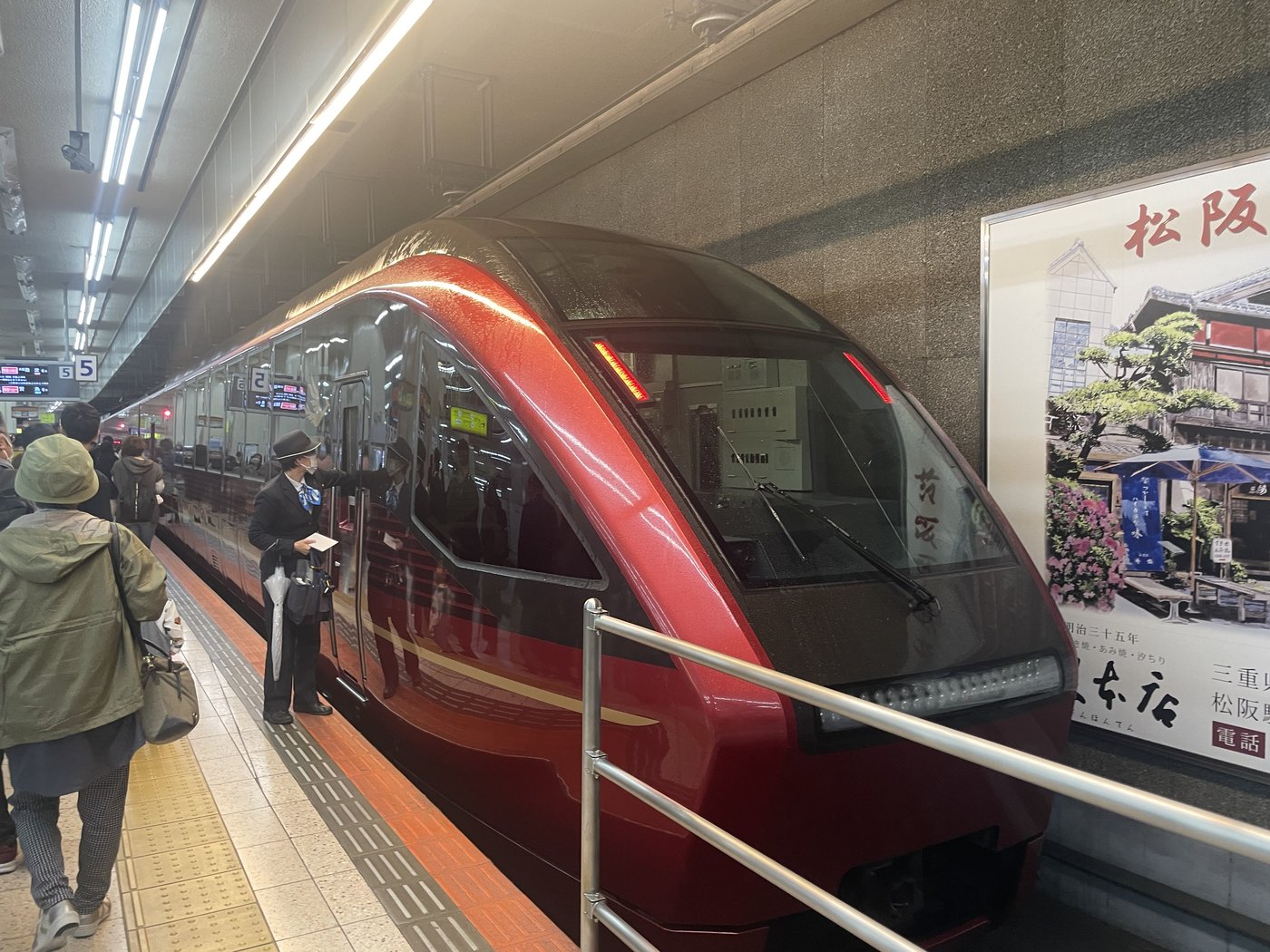
Osaka is the best base in Kansai because everything is under an hour. Nara is 45 minutes on the Kintetsu line from Namba — deer and Todai-ji, covered fully in Nara Day Trip Guide. Kobe is 30 minutes for beef and a harbour. Himeji Castle, an hour by shinkansen, is the original wooden castle that Osaka’s isn’t. Kyoto is 15 minutes from Shin-Osaka; see Best Things to Do in Kyoto.
Arriving from Kansai International Airport? The route options and current fares are in Kansai Airport to Kyoto and Osaka: All Options Compared.
FAQ
How many days do I need in Osaka? Two full days covers the city comfortably. Three if you’re doing USJ, because USJ eats an entire day and most of your energy.
Should I base myself in Osaka or Kyoto? Osaka, if you like eating at night and paying less for hotels. Kyoto, if you want to be at temples at 7am. They’re 15 minutes apart, so it matters less than people think.
Is USJ better than Tokyo Disney? Different, not better. USJ is denser, more thrill-ride focused and easier to do in one day. Teenagers or adults, USJ. Small children, Disney.
Do I need a rail pass for Osaka? Almost certainly not for the city itself — Osaka Metro isn’t JR. A nationwide pass only makes sense if you’re covering long shinkansen legs; the honest maths is in Japan Rail Pass 2026: Is It Still Worth It?
Can I pay for everything with a card? Mostly. Attractions, chains and department stores take cards and IC cards, but small izakaya, market stalls and older kushikatsu shops still want cash — carry ¥10,000 for an evening out.
Do I need mobile data to make this work? Timed-entry tickets, restaurant queue apps and Osaka’s genuinely confusing station exits all assume you’re online. I use a domestic Japanese plan rather than a travel eSIM, but for a short trip the tourist eSIMs are the simplest option — the comparison is in Best eSIM for Japan in 2026. 👉 Airalo Japan eSIM
The verdict
Book USJ and teamLab now; leave the rest of Osaka loose. The city rewards wandering more than scheduling, and its best hours — a griddle at eye level, a standing bar in Tenma, Dotonbori’s signage reflected in the canal — aren’t the kind of thing you reserve.
A clean two-day shape: day one, Umeda and the castle, then Dotonbori after dark. Day two, Kaiyukan or a half-day in Nara, then Shinsekai for kushikatsu. Add USJ as a third day if it’s on your list, and book the hotel early if your dates land near Obon in August. 👉 Booking.com Osaka
Written from Japan by the Wayfarer Japan team. Some links are affiliate links that support the site at no extra cost to you.