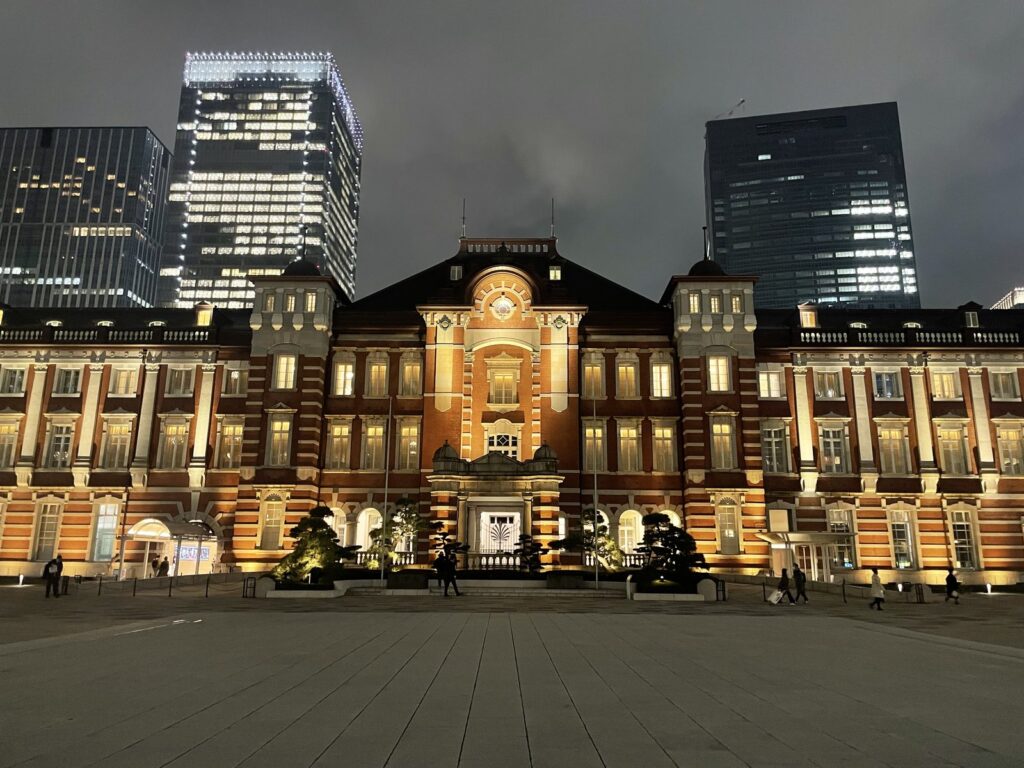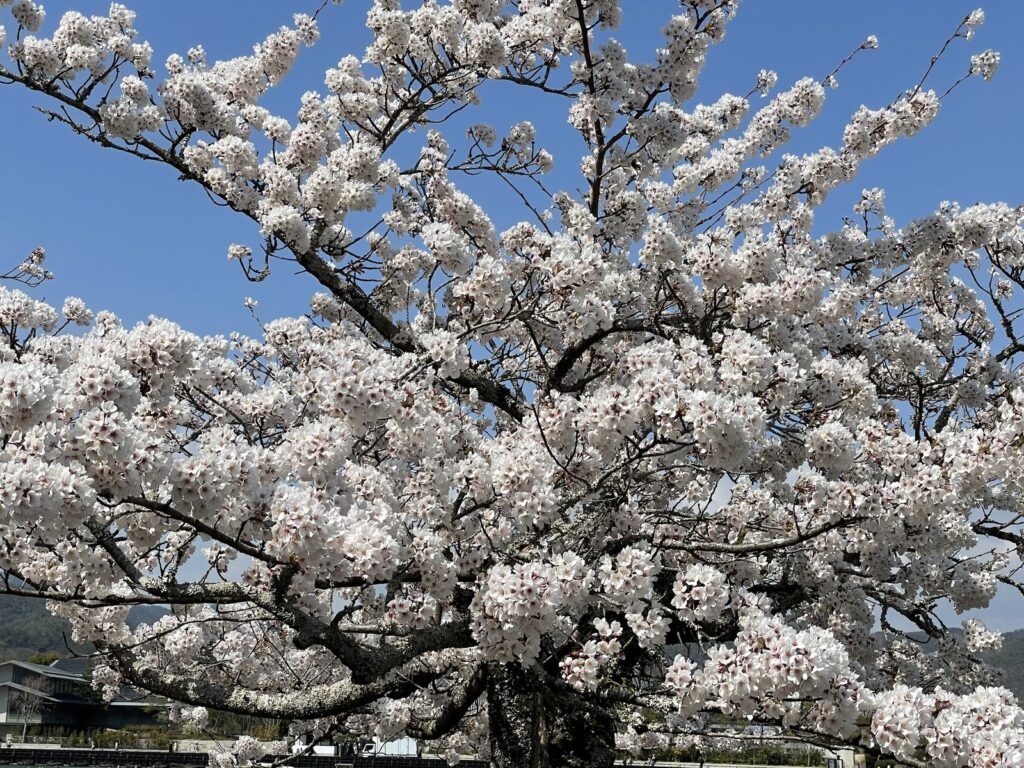
I live in Japan, and every spring I watch the same thing happen: the sakura forecast becomes the most-discussed topic on the news, ahead of the economy, ahead of politics. It sounds like an exaggeration until you’ve seen it. For about two weeks in any given city, ordinary parks turn into something that stops commuters mid-stride. If you’re planning a trip around cherry blossoms, the two things that matter most are picking the right places and getting your timing right, and the two aren’t quite the same problem.
The quick answer
- Tokyo: Shinjuku Gyoen, Ueno Park, Meguro River, and Chidorigafuchi are the classic four, each with a different mood.
- Kyoto: Maruyama Park, the Philosopher’s Path, and Arashiyama combine blossoms with temples and canals.
- Nara: Mount Yoshino is the single most famous mountainside in the country for sakura, with over 30,000 trees across four elevation zones.
- Aomori: Hirosaki Castle Park blooms about three to four weeks after Tokyo, so it’s the move if you land too late for the capital.
- Peak bloom moves from south to north over about a month; check an updated forecast a few weeks before you fly, not months ahead.
- Book accommodation in Tokyo and Kyoto early if your trip overlaps with likely bloom windows — hotels sell out well before the flowers do.
How the season actually works
Japan’s cherry blossom front, called sakura zensen, moves roughly from Kyushu and Shikoku in late March up through Tokyo and Kyoto, then Tohoku, and finally Hokkaido by early-to-mid May. Within any one city, “full bloom” (mankai) usually lasts about a week from the first flowers opening, and the truly picture-perfect days are a narrower window inside that.
Forecasts start in January but are little more than educated guesses that far out; they tighten up by mid-March, with the most reliable updates landing just days before bloom in each region. If your dates are flexible, check the forecast three or four weeks before departure rather than building your itinerary around a January prediction. If your dates are fixed, plan around the historical averages below and treat any particular year’s flowering as a bonus, not a guarantee — Japan itself, even without a single open blossom, is still Japan.
Tokyo: four spots, four different experiences
Shinjuku Gyoen is the most reliable option in the city because it holds over 1,000 trees of more than a dozen varieties with staggered bloom times, so you have a wider window to catch something in flower. Admission is 500 yen for adults (250 yen for seniors and high schoolers with ID, free under 15), and because it’s a fenced garden rather than an open park, it stays noticeably calmer than Ueno even on a warm Saturday. Skip-the-line entry tickets are also sold online through 👉 GetYourGuide if you’d rather not queue at the gate during peak weekends.
Ueno Park is the opposite experience — free, packed, and loud, with blue tarps claimed by office workers from early morning for evening hanami parties under lantern light. It’s touristy in the best sense: go once for the atmosphere.
Meguro River is about the walk, not the park. Roughly 800 trees line the banks for nearly four kilometers, with the branches arching low enough over the water that you’re walking through a tunnel of blossoms rather than looking at them from a distance. It’s especially good in the evening when the illuminations switch on.
Chidorigafuchi, the moat beside the Imperial Palace, lets you rent a rowboat and drift underneath the overhanging branches — same-day tickets run about 3,000 yen per boat for an hour (1,600 yen for 30 minutes), or you can reserve online in advance for around 12,000 yen to skip the line. Lines for same-day boats can start forming by 9am on weekends during peak bloom.
Kyoto: temples, canals, and mountainsides
Kyoto pairs sakura with the city’s usual strengths. Maruyama Park, next to Yasaka Shrine, is the traditional hanami gathering point and centers on a single, enormous weeping cherry tree lit up at night. The Philosopher’s Path, a stone walkway along a canal between Ginkaku-ji and Nanzen-ji, is lined with hundreds of trees and is genuinely one of the best short walks in the country in early April. Arashiyama, on the western edge of the city, combines blossoms with the bamboo grove and the Togetsukyo Bridge, though it draws heavy crowds — go at opening time if you can.
If you’re weighing Kyoto against other destinations for your trip overall, our Kyoto Travel Guide for First-Timers covers where to base yourself and what else to fit in around the blossoms.
Beyond the big two: Yoshino and Hirosaki
Mount Yoshino in Nara Prefecture is, by most measures, the most famous sakura destination in Japan and is on a different scale entirely from a city park. Over 30,000 trees cover the mountainside across four zones at increasing elevation, so as one zone finishes blooming, the next one higher up is just starting — stretching the viewing window to nearly a month across the whole mountain even though any single zone blooms for about a week. Shuttle buses run from Yoshino Station to the Naka Senbon area for 500 yen one-way during the season, with connecting minibuses further up for 400 yen, and a ropeway covers part of the route for 500 yen one-way. It’s a genuine hike in parts and gets crowded on weekends, but nothing else in Japan looks quite like it.
Hirosaki Castle Park, in Aomori Prefecture, is worth knowing about specifically because it blooms weeks after Tokyo — typically mid-to-late April, sometimes into early May. If your trip dates land after the Kanto and Kansai flowers have already dropped, this is where you go instead of giving up. Around 2,600 trees surround the castle moat, with the water often carpeted pink by fallen petals, plus nighttime illuminations during the festival. Entry to the inner castle grounds or the botanical garden runs 320 yen for adults (100 yen for children), or 520 yen for a combined ticket to both.
Comparing your options
| Spot | Region | Typical bloom | Vibe | Cost to enter |
|---|---|---|---|---|
| Shinjuku Gyoen | Tokyo | Late March–early April | Calm, fenced garden | ¥500 |
| Ueno Park | Tokyo | Late March–early April | Loud, festive, free | Free |
| Meguro River | Tokyo | Late March–early April | Romantic evening walk | Free |
| Chidorigafuchi | Tokyo | Late March–early April | Rowboats under blossoms | Free to view, ¥1,600–3,000 for a boat |
| Maruyama Park | Kyoto | Late March–early April | Traditional hanami hub | Free |
| Philosopher’s Path | Kyoto | Late March–early April | Quiet canal-side walk | Free |
| Mount Yoshino | Nara | Early–late April (by elevation) | Mountain of blossoms | Free to enter, transport extra |
| Hirosaki Castle Park | Aomori | Mid-to-late April | Castle, moat, illuminations | ¥320–520 |
Planning around the wave, not a single date
Because the bloom front moves north over roughly six weeks, a longer trip lets you chase it. A traveler spending ten days in Japan in late March could realistically catch late-stage blossoms in Kyoto or Tokyo at the start and still reach Hirosaki near peak by the end. If you’re building an itinerary around this, our guide to the Perfect 7-Day Japan Itinerary for First-Timers is a reasonable base to stretch or adjust around sakura timing.
Hotel demand spikes hard during the likely bloom window even before forecasts are finalized, so book your rooms as soon as your travel dates are set rather than waiting for a confident forecast — you can always adjust your day-to-day plans once the picture sharpens. Both 👉 Booking.com Tokyo and 👉 Booking.com Kyoto are worth checking early, with free cancellation options if you want to lock in a room before you’re sure of exact dates.
FAQ
When exactly should I visit for cherry blossoms? Historically, Tokyo and Kyoto peak somewhere between late March and the first week of April, Osaka and Nara similarly, and Hirosaki three to four weeks later. Exact dates shift year to year by up to a week or two, so treat these as planning ranges and check an official forecast closer to your trip.
Do I need to book anything in advance? Most viewing spots are free, open parks with no reservation needed. The exceptions are boat rentals at Chidorigafuchi, which get busy fast on weekends, and skip-the-line tickets at Shinjuku Gyoen if you want to avoid the entrance queue.
What if I arrive and the blossoms have already fallen? Move north or up in elevation. If Tokyo has finished, Tohoku destinations like Hirosaki are often still a few weeks out, and mountain spots like Yoshino bloom later at higher elevations even after the lower slopes are done.
Is hanami (flower viewing) etiquette a thing I should worry about? Mostly common sense — take your trash with you (bins are scarce in Japanese parks), don’t reserve a spot with a tarp and then wander off for hours, and keep noise reasonable after dark in residential-adjacent parks like Meguro River.
Which single spot would you recommend to a first-timer? If you only have time for one, Shinjuku Gyoen in Tokyo or Maruyama Park in Kyoto both give you a strong, easy-access introduction without needing to plan around a mountain shuttle schedule.
The verdict
There’s no single “best” cherry blossom spot in Japan because the spots serve different purposes: Shinjuku Gyoen for a calm garden walk, Ueno for the full festival energy, Yoshino if you want to see the phenomenon at its most overwhelming scale, and Hirosaki as your backup plan if your dates land late. The honest advice from someone who lives here is to pick two or three spots that fit your itinerary rather than chasing every famous name, and to book your hotel before the forecast is even confident. The blossoms are only ever open for about a week in any one place — everything else about your trip should be able to survive if you miss them by a few days.
Written from Japan by the Wayfarer Japan team — practical, honest travel advice from people who actually live here.