I live in Japan, and I’ve taken my share of long-distance buses here, mostly to save money on routes I wasn’t in a rush to finish. If you’ve been pricing out the Shinkansen for a trip like Tokyo to Osaka and flinched at the fare, the overnight bus is the answer almost nobody mentions to first-time visitors, and it’s a genuinely good option for the right traveler.
The quick answer
- Overnight buses (yakou bus, 夜行バス) connect most major cities — Tokyo, Osaka, Kyoto, Hiroshima, Nagoya and more — departing around 10–11pm and arriving 6–8am the next day.
- Fares run roughly ¥3,000–10,000 for standard seats, and up to ¥18,000–20,000 for fully private sleeper pods like the Dream Sleeper. Compare that to a reserved Shinkansen seat on Tokyo to Osaka, which runs well over ¥14,000 one-way.
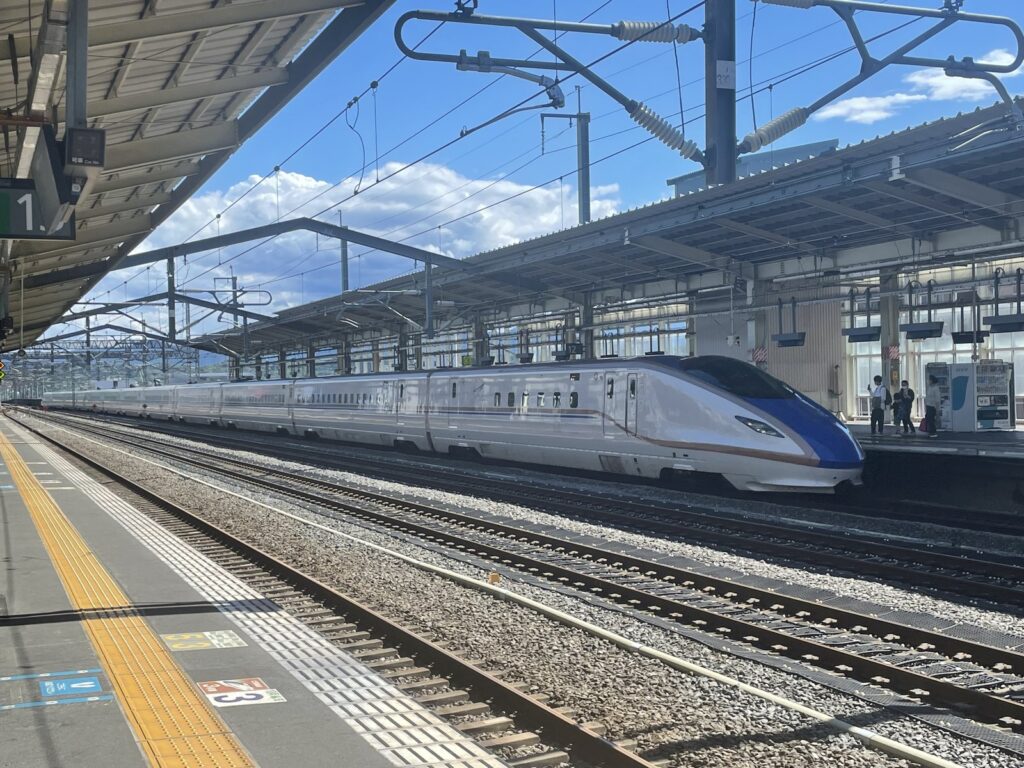
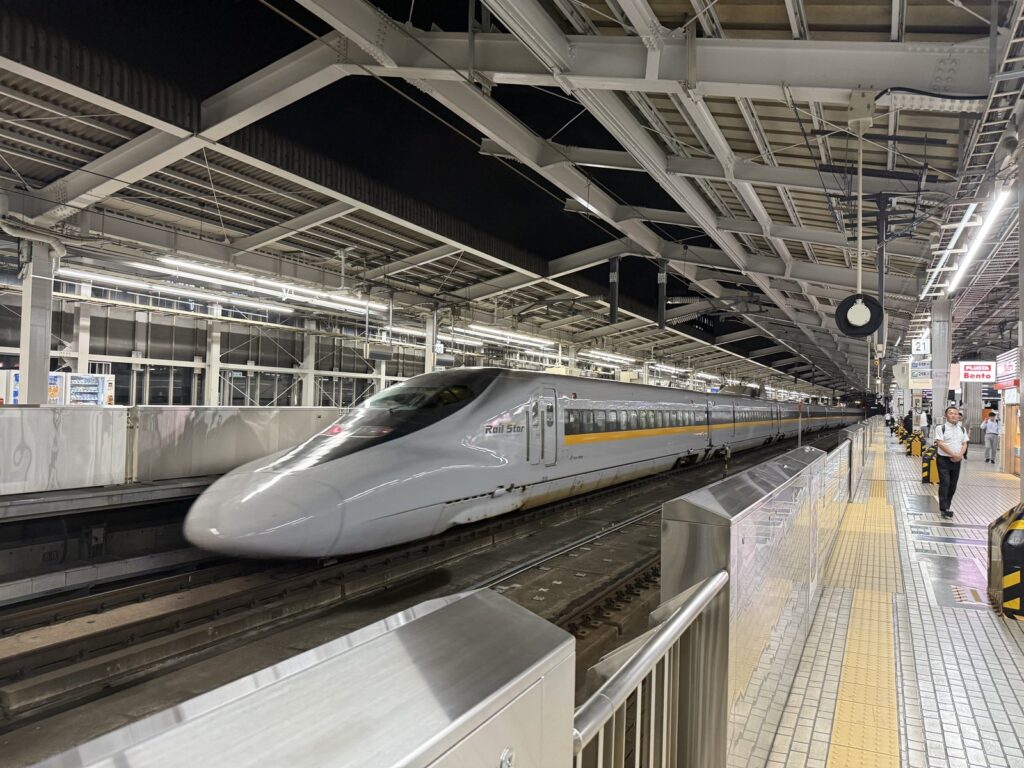
- You trade speed for savings: a night bus takes 8–9 hours versus roughly 2.5 hours by Shinkansen, but you’re traveling while you sleep, so it doesn’t cost you a waking day.
- Major operators include Willer Express, VIP Liner, and JR Bus (including the Dream Sleeper); you can book directly or through English-language sites.
- The Japan Rail Pass does not cover these buses — they’re almost entirely run by private companies, not JR.
Who overnight buses actually make sense for
Night buses solve a specific problem: you want to get between two cities without burning daylight hours or paying Shinkansen prices, and you don’t mind sleeping sitting up (or in a reclined seat) for a night. They’re popular with budget travelers, students, and anyone doing a multi-city trip on a tighter budget who’d rather spend the savings on a better hotel the next night instead.
They make less sense if you’re short on time overall, prone to motion sickness, or traveling with a lot of luggage — more on that below. If your main goal is covering ground fast and seeing more of Japan’s Trains Explained, stick with the rail network. If your goal is stretching a budget over a longer trip, the night bus is worth a look.
How it compares to the Shinkansen and night trains
Japan doesn’t really have proper overnight sleeper trains anymore for routes like Tokyo–Osaka (those mostly disappeared years ago), so the realistic overnight options are buses or just flying. On the classic Tokyo–Osaka corridor:
| Option | Travel time | Typical one-way cost | Notes |
|---|---|---|---|
| Shinkansen (reserved) | ~2.5 hours | ¥14,000–15,000 | Fastest, most comfortable, no night lost |
| Standard night bus | 8–9 hours | ¥3,000–8,000 | Saves money and a hotel night |
| Premium night bus (3-seat row, curtains) | 8–9 hours | ¥6,000–10,000 | More legroom, privacy curtain, reclining seat |
| Private pod sleeper (Dream Sleeper) | 8–9 hours | ¥15,000–20,000 | Fully enclosed single room, but pricier than a Shinkansen ticket |
If you’ve already decided Japan Rail Pass 2026: Is It Still Worth It?, note that none of these buses count toward it — the math for buses is entirely separate from your rail budget.
What the bus itself is actually like
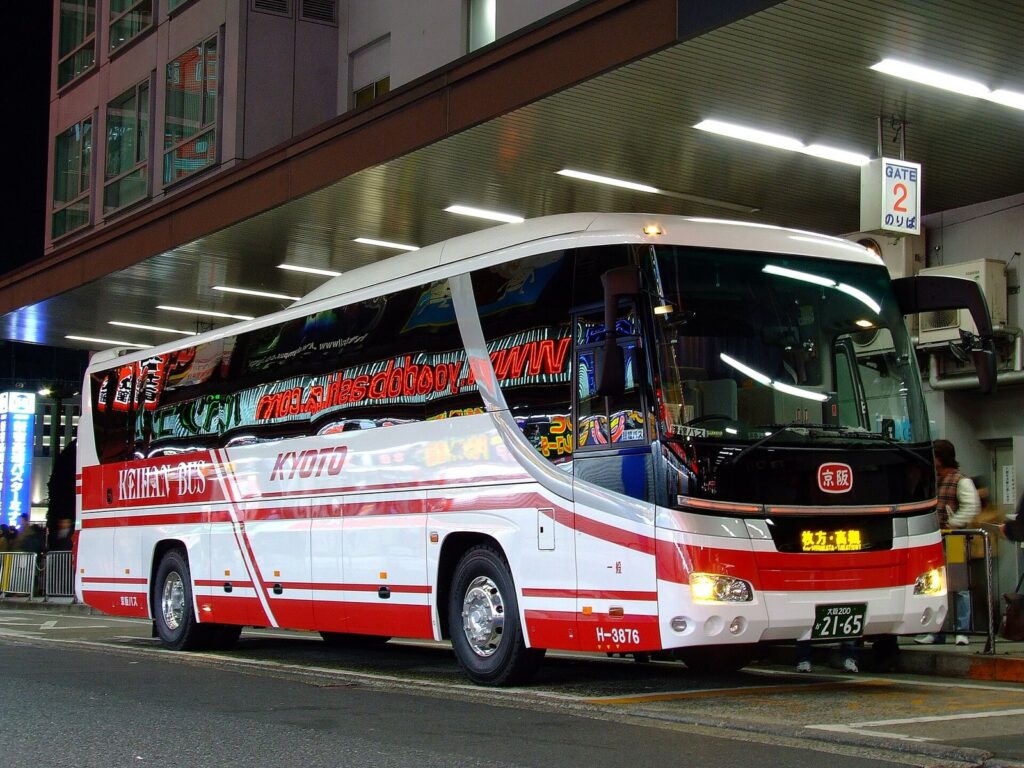
Standard night buses typically run with 3-seat or 4-seat rows per side, high-backed reclining seats, individual curtains or privacy screens, a reading light, a power outlet, and a small footrest. Better operators like Willer Express offer tiered seating: a basic “relax” seat, a wider “cocoon” seat with more recline, and in some cases women-only rows. The bus usually makes one or two rest-stop breaks at a highway service area partway through the night, where you can use the toilet, grab a drink, or stretch your legs for 10–15 minutes.
At the top end, the Dream Sleeper (run by JR Bus Kanto on the Tokyo–Osaka route) puts each passenger in a fully enclosed private compartment with a door, a “zero gravity” reclining seat, a personal light and table. It’s a genuinely novel way to travel, but at ¥18,000–20,000 round-trip-equivalent pricing, it’s no longer the budget option — you’re paying for the experience as much as the transport.
Booking: what you need to know
You can book directly through an operator’s own site (Willer Express has a full English interface), through a booking aggregator, or through 👉 Klook, which lists several Tokyo–Osaka/Kyoto and Tokyo–Nagoya night bus routes with English support and an e-ticket sent to your phone — no paper ticket pickup required. Booking windows usually open one to three months ahead, and popular Friday and holiday departures can sell out, so if you have specific dates, book a week or two in advance rather than waiting until the last minute.
You’ll need to show your e-ticket (or booking confirmation) to the driver or a staff member at the departure point, so keep your phone charged or print a copy as backup — again, something you can always sort out in Japan if you forget: convenience stores can print documents from a phone at the multi-copy machine for a few hundred yen.
Luggage, comfort and practical tips
- Luggage: Most buses have an underfloor luggage hold for one suitcase-sized bag per passenger, plus a small bag you keep with you. If you’re traveling with a large suitcase and multiple bags, check the operator’s size limits before booking, or consider Luggage Forwarding in Japan (Takkyubin) to send bulky bags ahead and travel light on the bus.
- Earplugs and an eye mask make a real difference — buses have reading lights and some rustling from other passengers, and these are easy to pick up at any convenience store or 100-yen shop if you forget them.
- Dress in layers. Air conditioning on these buses runs cold for some passengers and warm for others; a packable layer solves it either way.
- Bring a battery or use the outlet. Most seats have a USB or power outlet, but it’s not guaranteed on every bus, so a portable charger is a reasonable backup (and ChargeSPOT rental stations are everywhere if you end up needing one).
- Toilets: some buses have an onboard toilet; others rely entirely on the rest-stop breaks. Check before you book if this matters to you.
FAQ
Is it safe? Yes — Japan’s highway bus operators are professionally run, and major platforms like Willer Express and Klook only list licensed operators. Drivers are required to take rest breaks, and buses are well-maintained.
Will I actually sleep? Reasonably well in a “relax” or “cocoon” seat with a neck pillow; less well in a basic economy seat if you’re a light sleeper. The Dream Sleeper and similar private-pod services are built specifically to solve this, at a higher price.
Can I use my Japan Rail Pass? No. These are private bus operators, separate from the JR network, so the pass doesn’t apply.
What about Kyoto or Hiroshima instead of Osaka? The same operators run night buses to Kyoto, Hiroshima, and several other cities from Tokyo, usually at similar price points to the Osaka routes, sometimes with a slightly longer ride for Hiroshima.
Do I need to speak Japanese to book or board? No — Willer Express and Klook both operate in English, and drivers at major terminals are used to handling e-tickets from international visitors.
The verdict
Overnight buses aren’t for everyone, but they’re one of the best-value options in Japan if you’re flexible on comfort and want to save a meaningful amount of money on a long domestic leg, especially if it also saves you a hotel night. For a first trip where time matters more than budget, take the Shinkansen. For a longer, budget-conscious itinerary, it’s worth pricing out a night bus for at least one leg of your route.
Written from Japan by the Wayfarer Japan team — practical travel advice from people who actually live here.
Featured image: “Keihanbus-tokyouji-newselega-20070323” by Linearcity, CC BY-SA 3.0, via Wikimedia Commons