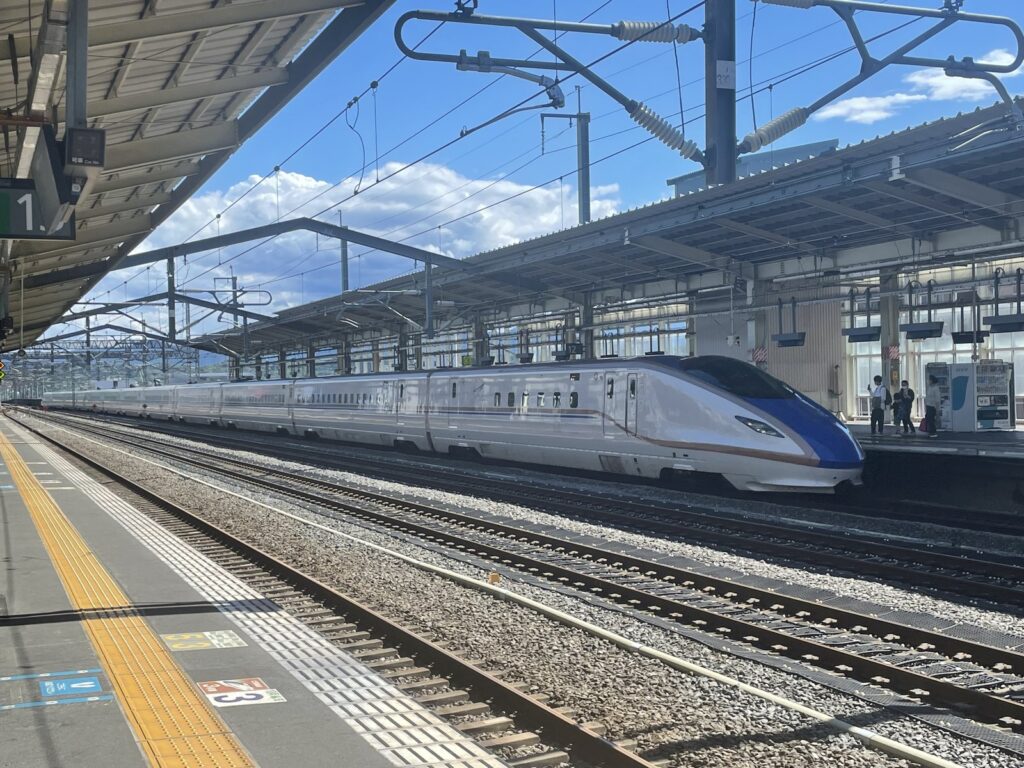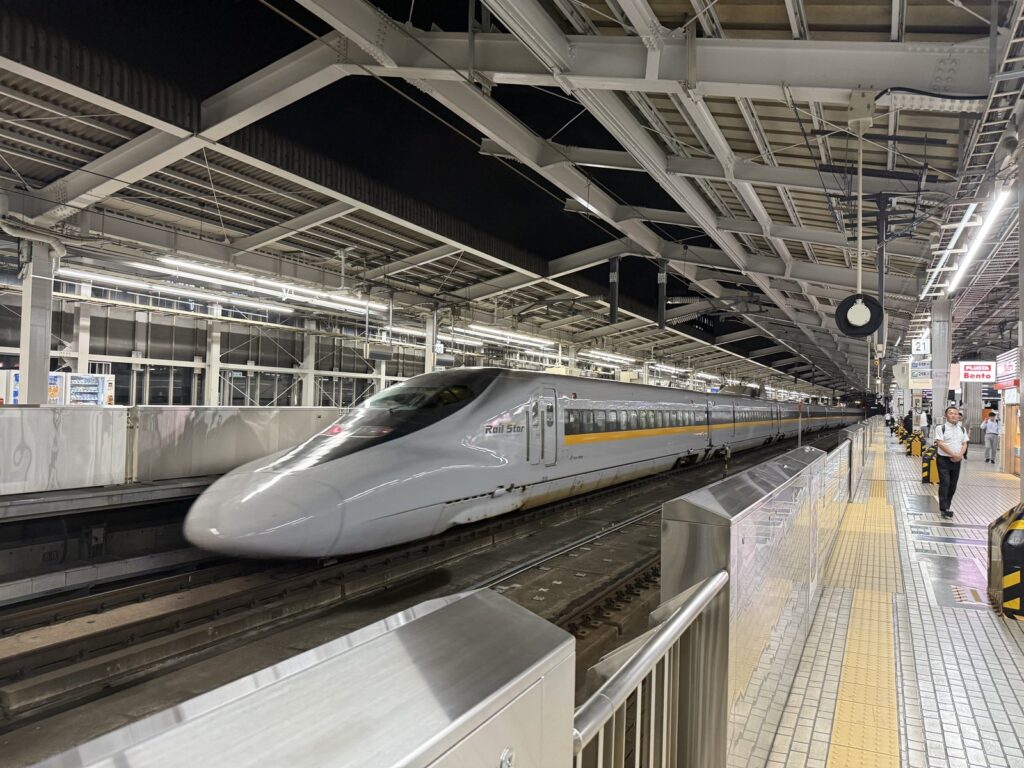
I live in Japan and, like most residents in cities, I get around almost entirely by train. But I’ve rented cars here for trips to places the rail network doesn’t reach well — rural Hokkaido, the Kii Peninsula, parts of the Japan Alps — and the process surprises a lot of visitors, mostly because the paperwork rules are strict and specific. If you’re planning to drive here, the permit you bring from home matters more than almost anything else about the rental.
The quick answer
- You need an International Driving Permit (IDP) issued in your home country before you arrive — Japan does not issue them on arrival, and you cannot get one at a rental counter.
- Japan only recognizes the 1949 Geneva Convention paper booklet IDP. Travelers from the US, Canada, UK, Australia, and most English-speaking countries qualify. A card-style or digital IDP is not valid, even if your home country issues it.
- Drivers from a short list of countries — Germany, France, Switzerland, Belgium, Monaco and Taiwan — can instead drive on their own national license plus an official JAF (Japan Automobile Federation) translation, no IDP needed.
- A standard compact car runs roughly ¥5,000–10,000 ($35–65) per day, more in Tokyo and during peak seasons; an ETC toll card adds about ¥330 per rental.
- Japan drives on the left, and most rental cars are automatic transmission — manual (“MT”) cars exist but you’ll need to request one specifically.
Do you actually need the IDP, or can you skip it?
Yes, you need it, and this is the one rule that trips up more visitors than anything else. Rental counters in Japan check the IDP and your home license together, and if the permit isn’t the right type, they can legally refuse to hand over the car — no refund negotiation, no exceptions made on the spot. I’ve seen this happen to a traveler at a counter in person: a printed PDF of an “international license” from an online service that isn’t a real IDP, and the rental was simply off.
The fix is straightforward: apply for your IDP from the appropriate body in your home country (AAA or your state DMV network in the US, CAA in Canada, your national motoring association elsewhere) before you fly. It typically takes a passport photo, a valid driver’s license and a small fee, and most offices issue it the same day. It’s valid for one year from issue, and in practice also capped at one year from your entry stamp into Japan, whichever is shorter.
What a car rental actually costs in 2026
Pricing depends heavily on location, season and car size, but as a rough guide:
| Car class | Typical daily rate | Best for |
|---|---|---|
| Kei car / mini (small boxy car) | ¥4,000–6,000 | Narrow rural roads, 1–2 people, light luggage |
| Compact (Toyota Yaris-class) | ¥5,000–9,000 | Most couples or small families |
| Standard / minivan | ¥9,000–15,000+ | Groups, lots of luggage, ski trips |
On top of the daily rate, budget for: a one-time ETC card fee (around ¥330) if you want automatic toll payment, fuel (return the car with a full tank or pay a refill surcharge), and usually Collision Damage Waiver insurance, which most companies bundle into the quoted price but is worth confirming. Major operators like Toyota Rent a Car, Nissan Rent a Car, Times Car and ORIX Rent a Car all have English-language booking sites and airport counters, and you can also compare and book through 👉 Klook, which lists several of these suppliers side by side with English support.
Tolls, ETC cards and the 2026 ETC-only gate change
Japan’s expressways are tolled, and the tolls add up fast on a long drive — Tokyo to Osaka via the Tomei/Meishin runs around ¥12,000 one-way, while shorter hops like Tokyo to Lake Kawaguchiko are closer to ¥3,000. Nearly every rental company offers an ETC card for a small flat fee; it goes into a reader on the dashboard and tolls are deducted automatically, then billed to you at drop-off — no cash needed at the gate.
This matters more in 2026 than it used to: in spring 2026, NEXCO Central and NEXCO West converted dozens of toll gates to ETC-only, meaning there’s no staffed booth and no way to pay cash at those gates at all. If you decline the ETC card to save ¥330, you risk driving up to a barrier with genuinely no way through. Take the card — it’s cheap insurance against getting stuck.
Where a car actually beats the train
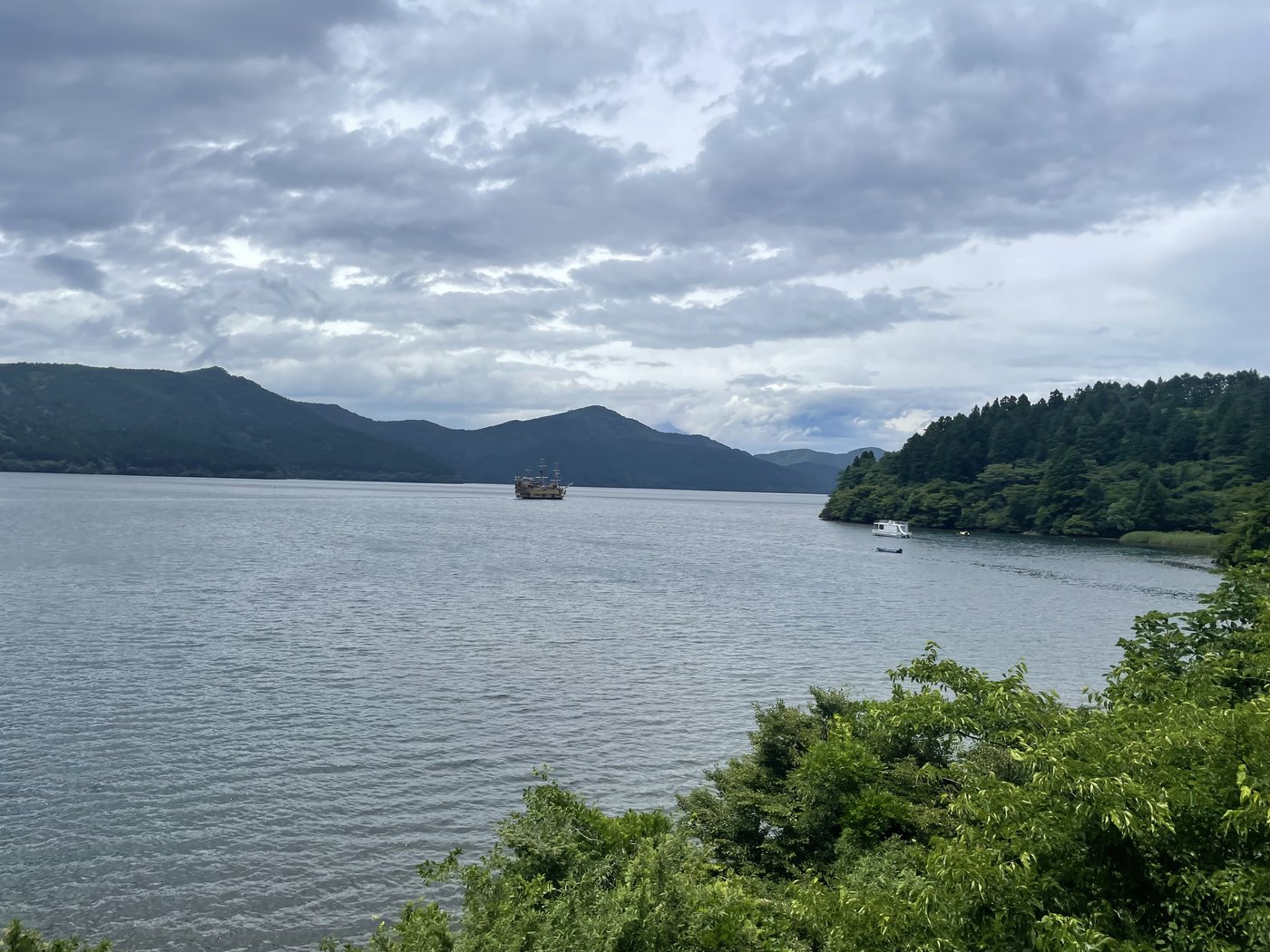
For city-to-city travel between Tokyo, Osaka, Kyoto and Hiroshima, the Shinkansen wins on every measure that matters — speed, stress, parking is a non-issue because there isn’t any. A car makes sense when you’re headed somewhere the rail network serves poorly or not at all:
- Rural Hokkaido — distances between towns are long and local trains run only a few times a day.
- The Kii Peninsula and Kumano region — many of the coastal and mountain routes have no direct rail line at all.
- The Japan Alps and Kamikochi approach roads, the Nagano/Gifu countryside, and onsen towns off the main lines.
- Island-hopping day trips where a car lets you cover multiple sights without waiting on an infrequent local bus.
If your whole trip is Tokyo–Kyoto–Osaka, skip the car; read How Japan’s Train Fares Work instead and stick to rail. If any part of your itinerary is genuinely rural, a rental is often the only practical way to see it.
Driving rules and city realities
A few things worth knowing before you pick up the keys: Japan drives on the left, speed limits are lower than many visitors expect (often 40–60 km/h on regular roads, around 80–100 km/h on expressways), and drunk driving laws are zero-tolerance — even one drink is a serious legal risk. Parking in central Tokyo, Osaka or Kyoto is expensive and often scarce; a paid parking lot in the middle of a big city can easily cost more per hour than the car itself costs per day, which is another reason a car is better suited to the countryside than the cities. GPS and navigation apps work well and most modern rental cars have an English menu option, but it’s worth double-checking at pickup if you don’t read Japanese.
FAQ
Can I use my regular foreign driver’s license without an IDP? No, unless you’re from one of the small number of countries with a reciprocal agreement (currently Germany, France, Switzerland, Belgium, Monaco and Taiwan, using a JAF translation instead). Everyone else needs the Geneva Convention paper IDP.
Is my IDP valid if it’s the card type, not the booklet? No. Japan only accepts the paper booklet format. Card-style and app-based international permits, even if legitimate in other countries, are not accepted here.
Do I need to be a certain age? Most rental companies require drivers to be at least 18, with some requiring 20–21 for larger vehicles, and some add a young-driver surcharge under 25. Check the specific company’s policy when booking.
Is automatic or manual more common? The large majority of rental cars in Japan are automatic. If you specifically want a manual transmission, you’ll need to search for it — it’s not the default.
What about returning the car with a different fuel level? Return it full, or the company will charge you a refueling fee that’s usually higher than pump price. Most rental counters are near a gas station for exactly this reason.
The verdict
Renting a car in Japan is easy once you clear the one real hurdle — getting the right International Driving Permit before you leave home — and it opens up genuinely beautiful parts of the country that the rail network simply doesn’t reach. For a city-focused trip, leave the car rental alone and let the trains do the work. For a rural leg of your itinerary, book the IDP first, then the car, and you’ll have one of the best tools for seeing the Japan that most first-time visitors never get to.
Written from Japan by the Wayfarer Japan team — practical travel advice from people who actually live here.
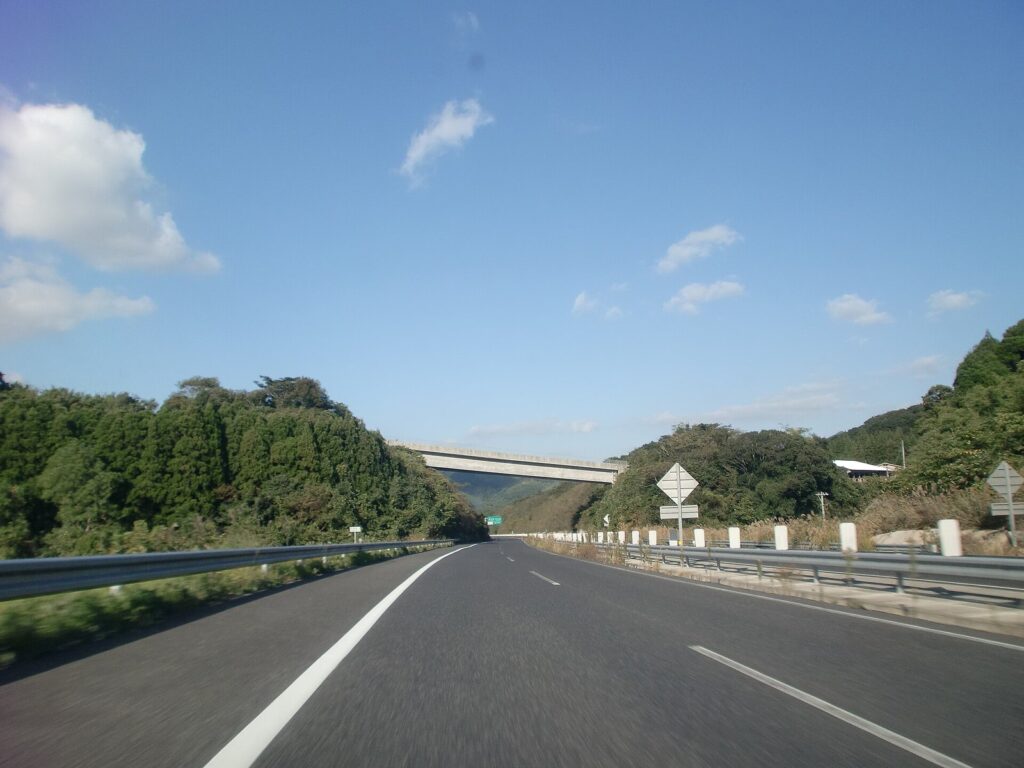
Featured image: “Minamikyushu Expressway at Kushikino” by Sakoppi, CC BY 3.0, via Wikimedia Commons