I live in Japan, and every winter I watch the same thing happen on social media: photos of waist-deep powder in Hokkaido, and a flood of messages from friends abroad asking “wait, Japan has skiing?” It does, and for a lot of snow fans it’s now a bigger draw than the cherry blossoms. The snow here is famously dry and light because of cold air blowing off Siberia across the Sea of Japan, which is a different kind of snow than most people have skied on before.
You don’t need to be an expert, and you don’t need to own gear. This guide covers where to go, when the season runs, how to get there on public transport, and roughly what it costs.
The quick answer
- Niseko (Hokkaido): the famous one, best for powder, very international, opens November 28, 2026
- Hakuba Valley (Nagano): closest big resort area to Tokyo, hosted the 1998 Winter Olympics, opens December 1
- Nozawa Onsen (Nagano): traditional hot spring village with skiing attached, more affordable, great after-ski
- GALA Yuzawa (Niigata): a ski resort built around its own shinkansen station — the easiest day trip from Tokyo
- Season runs roughly late November/early December through early May, with December 24–February 28 as peak (snowiest, busiest, priciest)
- You can rent everything — skis, boards, boots, even winter jackets — so don’t worry about packing gear
Where to actually go
Niseko is Hokkaido’s big name, and the reputation is earned — the snow quality is genuinely different from most ski destinations, with frequent dumps of light, dry powder through January. It’s split into four connected areas (Grand Hirafu, Hanazono, Niseko Village, Annupuri), and the town has English-speaking staff, Australian-run bars, and a long season running through early May at some lifts. It’s the furthest resort from Tokyo, though, and the most expensive.
Hakuba Valley is a cluster of resorts in Nagano, about three hours from Tokyo. It has a wider range of terrain than people expect — Happo-One is the big name, with serious off-piste for advanced skiers, but there are gentler resorts in the same valley for beginners. If you only have a few days and don’t want to fly to Hokkaido, this is the easiest serious option.
Nozawa Onsen is my personal pick for a first trip. It’s a real onsen village, not a purpose-built resort, so you ski all day and then soak in a free public hot spring bath in your pajamas at night. The skiing is more budget-friendly than Niseko or Hakuba, and the village has kept its old-town character.
GALA Yuzawa deserves a special mention because it solves a real problem: what if you just want to try skiing for one day without planning a whole trip? It’s attached directly to its own shinkansen station in Niigata, about 71 minutes from Tokyo on the Joetsu Shinkansen. You can leave Tokyo in the morning, ski all afternoon, and be back for dinner.
When the season runs (2026-27)
Most resorts open in late November or early December and run through late April or early May, though this depends heavily on snowfall and varies resort to resort — treat exact dates as a starting point and check closer to your trip:
- Niseko: opens November 28, 2026; Grand Hirafu and Annupuri run through May 5, 2027
- Hakuba (Happo-One): opens December 1
- GALA Yuzawa: opens December 19, 2026 through roughly May 5, 2027
Within the season, prices and crowds follow a pattern: “early/spring” dates are cheapest and quietest, late December through February is peak (best snow, highest prices, most crowded), and the tail end of the season is a quieter, cheaper option if you don’t mind slushier snow.
Getting there without a car
To Niseko: direct ski buses run from New Chitose Airport in winter, taking roughly 2.5 to 3.5 hours depending on the operator (Chuo Bus, White Liner, and others all run this route). Book your seat ahead of time, especially around the New Year holidays. There’s no direct train, though you can combine a train to Kutchan Station with a short taxi.
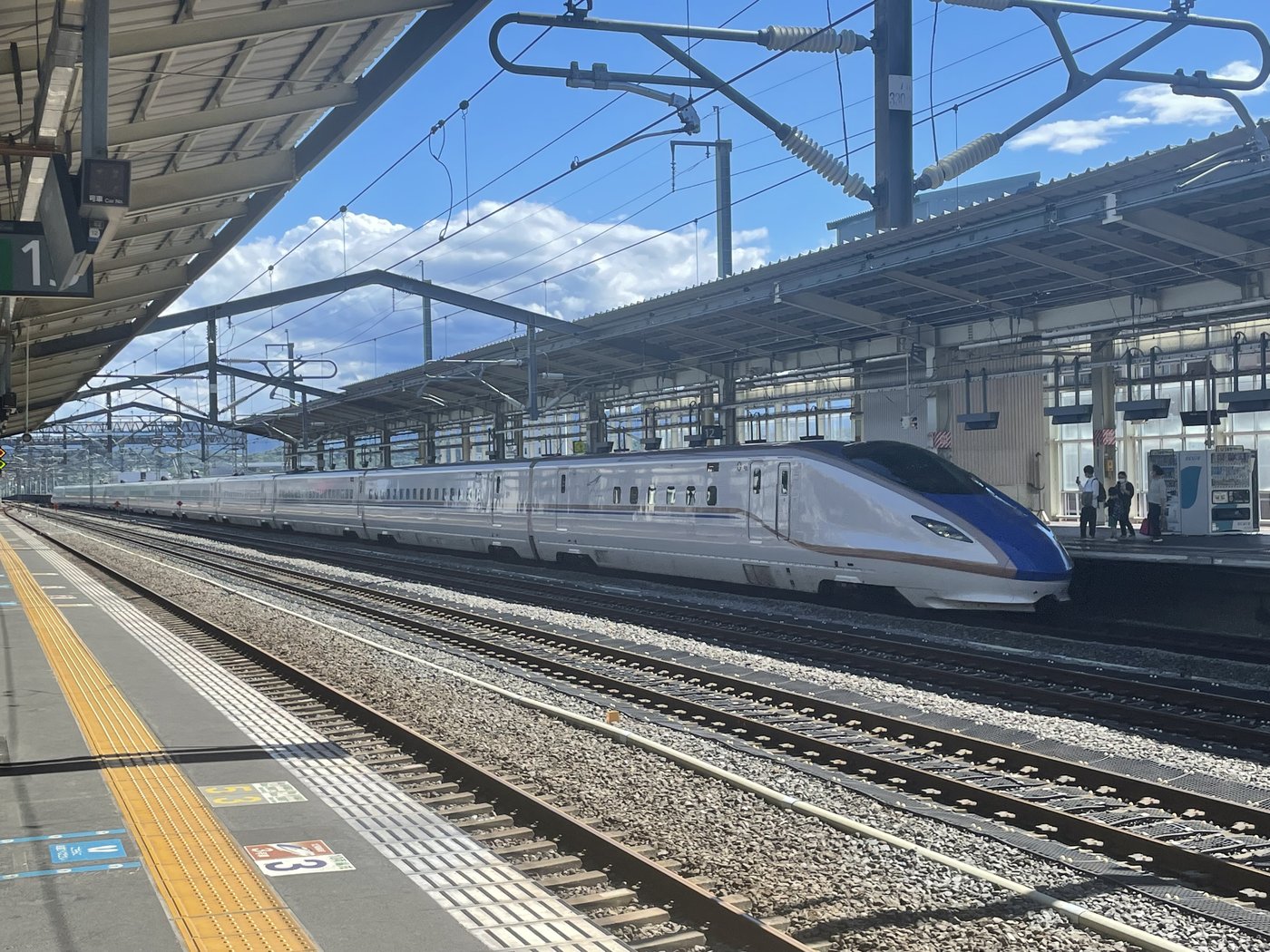
To Hakuba: take the JR Hokuriku Shinkansen from Tokyo to Nagano (about 100 minutes), then an express bus from Nagano Station to Hakuba (60–90 minutes). The whole trip takes about three hours door to door. Note that the Japan Rail Pass covers the shinkansen leg but not the bus.
To GALA Yuzawa: the Joetsu Shinkansen runs straight from Tokyo or Ueno Station to Gala Yuzawa Station — about 71 minutes, no transfers, no bus. This is as close to “effortless” as a ski trip gets in Japan.
If you’ve forgotten gloves or a warm enough jacket, don’t panic — ski shops at every resort rent full outfits, and you can also pick up cheap thermal layers at any Uniqlo before you head up.
What it costs
Lift pass prices for 2026-27, adult one-day:
| Resort | Regular season | Peak season |
|---|---|---|
| Niseko (United) | ¥11,900 online / ¥12,600 window | ¥12,800 online / ¥13,500 window |
| Hakuba Valley (all-mountain) | ¥11,100 | similar, varies by date |
| Nozawa Onsen | around ¥5,800 | slightly higher in peak weeks |
| GALA Yuzawa | ¥7,500 online / ¥8,000 window | — |
Buying online in advance is consistently cheaper than paying at the lift window, and for popular resorts it also saves you standing in a ticket line in the cold. 👉 Klook Niseko lift pass and 👉 Klook Nozawa Onsen lift ticket both let you buy ahead and skip the counter.
Gear rental (skis or board, boots, poles) typically runs ¥4,000–¥7,000 per day depending on the resort and equipment level, and most places let you reserve online so your gear is ready when you arrive.
FAQ
Do I need to have skied before? No. Every resort mentioned here has English-language lessons for complete beginners, and gentle slopes set aside for first-timers.
Is Gala Yuzawa good for beginners? Yes — it’s specifically known as an easy, low-pressure resort, which is part of why it works so well as a one-day trip from Tokyo.
What if I don’t want to ski at all? Nozawa Onsen and Hakuba both work well for mixed groups — non-skiers can spend the day in the onsen, walking the village, or eating at the mountain-base restaurants.
Does the Japan Rail Pass cover ski trips? It covers the shinkansen portions (Tokyo–Nagano, Tokyo–Gala Yuzawa) but not local ski buses, so check the specific route before assuming it’s included. If you’re deciding whether a pass makes sense for your whole trip, it’s worth reading Is the Japan Rail Pass Worth It? first.
Can I rent everything, or should I bring my own gear? You can rent skis, boards, boots, helmets, and outerwear at every resort on this list. Unless you’re particular about your own board, there’s no need to fly with ski equipment.
The verdict
If you want one big, famous powder trip, Niseko is worth the extra travel time. If you want serious terrain within easy reach of Tokyo, go to Hakuba. If you want the most relaxed, most “Japan” version of a ski trip — onsen included — Nozawa Onsen is hard to beat. And if you just want to see what Japanese powder feels like without committing to a multi-day trip, GALA Yuzawa is sitting there, 71 minutes from Tokyo, built right into its own train station.
Written from Japan by the Wayfarer Japan team — real routes, real prices, no guesswork.
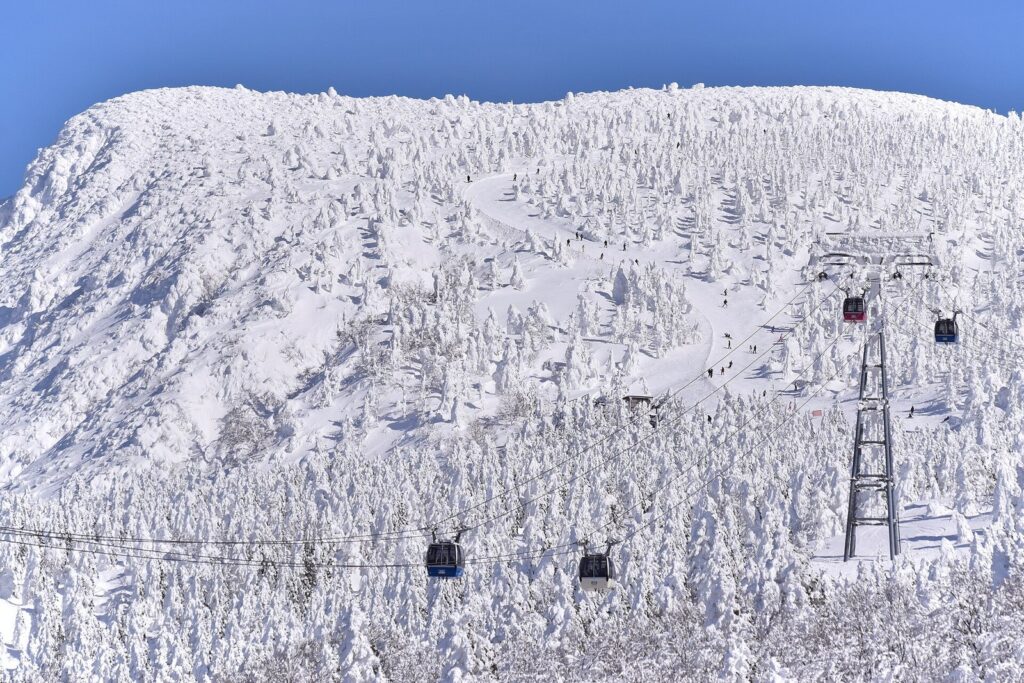
Featured image: “Zao onsen ski area (51843582704)” by Raita Futo from Tokyo, Japan, CC BY 2.0, via Wikimedia Commons