The quick answer
- An izakaya is a casual Japanese pub that serves small shareable dishes (not full set meals) alongside beer, sake, shochu and highballs.
- You’ll almost always pay an otoshi or tsukidashi — a small starter dish (¥300-¥600) brought automatically, which functions as a seating charge. It’s not optional and it’s not a mistake on the bill.
- Order a few dishes at a time rather than everything at once — izakaya food is meant to arrive in waves while you drink.
- To get staff attention, say “sumimasen” clearly and raise a hand — there’s usually no table service bell, and waiting quietly rarely works.
- Many izakaya have a nomihoudai (all-you-can-drink) option for a fixed time and price, usually 90-120 minutes.
- If you don’t want to guess, a guided bar-hopping tour through a platform like Klook takes the ordering stress out of the first night.
What an izakaya actually is
I live in Japan, and izakaya are where most of my own evenings out happen — not fine dining, not a quick bar, but something in between. The word combines i (to stay) and sakaya (sake shop), and that’s the right mental model: a place built for lingering over small plates and drinks with friends or coworkers, not for one big meal.
They range from tiny six-seat counters run by one owner to loud chain izakaya with picture menus and tablet ordering. Both are real izakaya experiences, and as a visitor you’ll likely encounter both kinds depending on where you end up.
The otoshi: why there’s a surprise dish on your bill
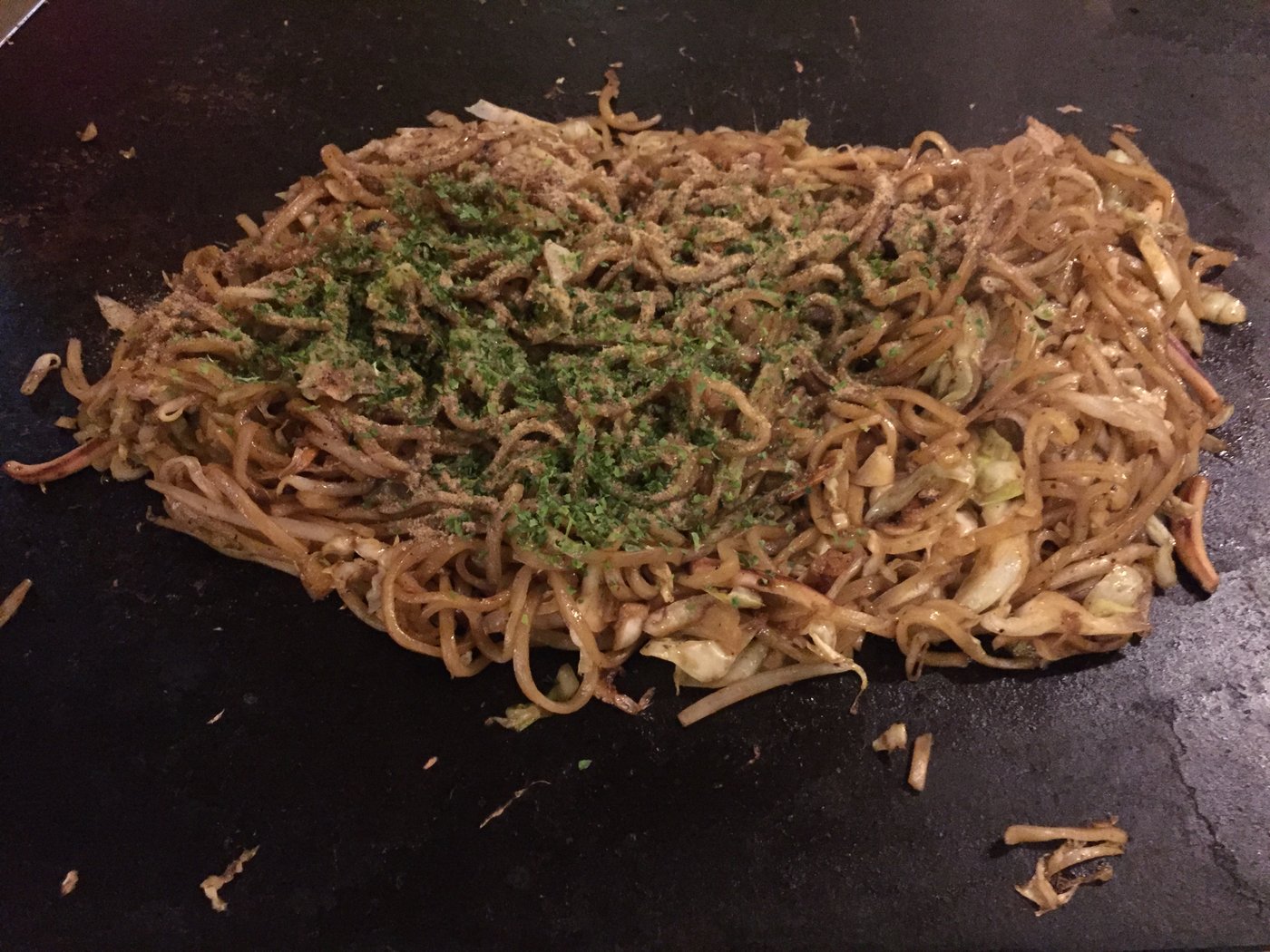
This is the thing that catches first-time visitors off guard. Sit down at most izakaya, and within a few minutes a small dish appears that nobody ordered — a handful of edamame, a tiny salad, simmered beans, something pickled. This is the otoshi (in the Kansai region often called tsukidashi), and it costs money, typically ¥300 to ¥600 per person.
It isn’t a scam and you can’t send it back. Think of it as a seating charge dressed up as a snack — it covers the fact that you’re occupying a table at a place that runs on drink turnover, similar in spirit to a cover charge at a bar elsewhere. It will show up as a separate line on your bill. Once you know to expect it, it stops feeling like a surprise.
How to order without a sense of where to start
The menu is the hardest part for most first-timers, especially at a counter izakaya with no English and no pictures. A few patterns make it manageable:
- Order in rounds, not all at once. Start with two or three dishes and a round of drinks, then order more as you go. This is normal izakaya rhythm — food isn’t meant to blanket the table at once like a set meal.
- Lean on a few safe categories. Yakitori (grilled skewers), karaage (fried chicken), edamame, and agedashi tofu exist on almost every izakaya menu and are easy to point at or say.
- “Osusume wa?” (“What do you recommend?”) is a genuinely useful phrase — staff will usually point you toward the kitchen’s actual strengths.
- Many izakaya chains now have tablet or QR-code ordering in English, which removes the guessing entirely. If your izakaya has one, use it — nobody will think less of you for it.
If reading a wall of Japanese menu items still feels intimidating on your first night, a guided outing solves that for you: 👉 Klook Tokyo izakaya hopping tour pairs you with a local guide who orders for the group and explains what’s arriving, which is a good way to get comfortable before doing it solo later in the trip.
Calling the staff (there’s no bell, and no tipping)
Table service bells are rare. The normal way to get attention is to say “sumimasen” (excuse me) at a reasonably audible volume and make eye contact or raise a hand when staff look over. Waiters are usually working several tables and won’t hover, so speaking up isn’t rude — it’s expected.
Do not tip. Tipping isn’t part of Japanese dining culture, including at izakaya, and trying to leave extra cash can actually confuse staff rather than please them. The otoshi charge and the menu prices are the whole bill.
Nomihoudai: the all-you-can-drink option
Many izakaya, especially chains, offer nomihoudai — a fixed price for unlimited drinks within a set time window, commonly 90 or 120 minutes. It’s often bundled with a tabehoudai (all-you-can-eat) course for group bookings, particularly around the party season from December through January, when companies hold their bonenkai (end-of-year party) at izakaya specifically for this reason.
If you’re traveling with a group, ask at the entrance or look for “nomihoudai” on a signboard outside — it’s usually one of the better-value ways to drink in Japan, especially compared to hotel bars.
Where to find a good one
Izakaya cluster in nightlife and commuter districts — areas like Shinjuku’s Omoide Yokocho, Shibuya’s back streets, and the narrow lanes around Shimbashi and Yurakucho (sometimes nicknamed “salaryman alley” for the after-work crowd under the train tracks) are dense with small, atmospheric options. As a resident, my advice is simple: a place that’s loud, a bit smoky, and full of regulars on a weeknight is a far better sign than an empty one with a big English sign out front.
If you’d rather not gamble on a random doorway, small-group bar-hopping tours bookable through platforms like Klook will take you to a handful of real neighborhood izakaya in one night with a guide who already knows the owners — useful context whether or not you keep exploring on your own afterward.
FAQ
Is izakaya food a full meal or just snacks? It’s designed to be shared in small portions across several dishes — closer to tapas than a single entrée. Order for the table, not for one person, and keep ordering in rounds as you go.
Can I go to an izakaya alone? Yes. Solo diners at the counter are completely normal, especially at smaller izakaya, and counter seating is often the best spot to watch the kitchen work.
Do izakaya take credit cards? Most chain izakaya do; small independent ones sometimes remain cash-only. It’s worth carrying some cash for this reason, the same way you should everywhere else in Japan.
What if I have a food allergy? Say “[food] arerugi ga arimasu” (I have an allergy to [food]) or show a translation app screen — smaller izakaya with handwritten menus and no English staff are the hardest spot to manage allergies, so a translation app is worth having ready.
Is smoking allowed inside? Some older or smaller izakaya still allow indoor smoking, particularly in areas like Shinjuku’s older alleys, though this has been shrinking under tightened regulations. If it matters to you, it’s worth glancing inside before you commit to a seat, or asking “kin’en desuka?” (is it non-smoking?).
The verdict
Izakaya are one of the most rewarding things to do on a Japan trip precisely because they’re built for locals, not tourists — which means the payoff for figuring out the small rules (the otoshi, ordering in rounds, saying sumimasen instead of waiting) is high. Go in expecting a seating charge, order a little at a time, and don’t be afraid of a loud, smoky, no-English-menu spot. If your first night feels like too much to navigate solo, a guided bar-hopping tour is a low-stress way to learn the rhythm before you try it on your own for the rest of the trip.
Written from Japan by the Wayfarer Japan team — real travel advice from people who live here.
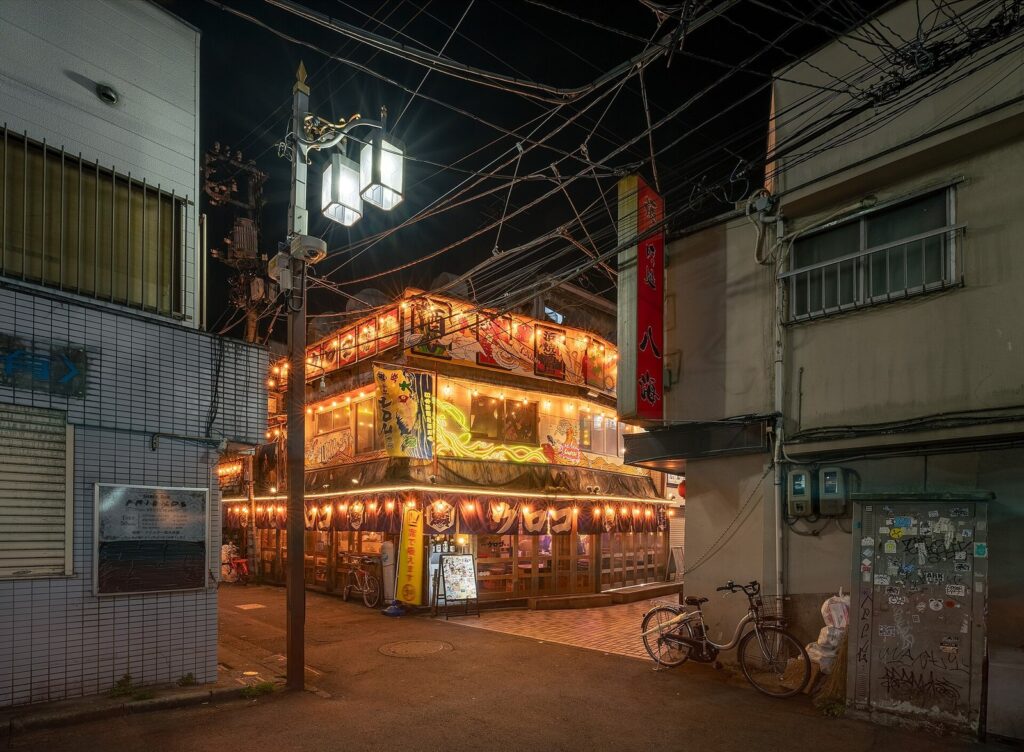
Featured image: “Izakaya Uloko in Nakano, Tokyo, Japan, 2024 May” by Ximonic (Simo Räsänen), CC BY-SA 4.0, via Wikimedia Commons