Japan’s two big theme park resorts are among the very few attractions here where turning up on the day can genuinely ruin your plan. Tokyo Disney Resort and Universal Studios Japan both use date-based pricing, both cap attendance, and both now run their most popular areas through a phone app that you need to set up before you walk through the gate.
I live in Japan and these are places residents actually go — Tokyo Disney Resort in particular is a normal weekend for a huge number of people here, not a once-in-a-lifetime pilgrimage. The booking systems are built for people who already have the app and a Japanese payment method. Visitors hit the friction. Here is what that friction is, and how to get around it.
The quick answer
- Tokyo Disneyland / Tokyo DisneySea — 1-Day Passport for adults runs roughly ¥7,900–¥10,900, with the busiest dates in late 2026 pushing to about ¥12,400. Same tier system at both parks.
- Universal Studios Japan — 1-Day Studio Pass for adults runs roughly ¥8,400–¥11,900 depending on the date. Express Passes are separate and cost as much again.
- Book online before you fly. Both resorts sell out popular dates, and same-day gate purchase is a bad bet at either.
- Foreign credit cards frequently fail the 3-D Secure check on Tokyo Disney’s official site. Klook and KKday are the standard workaround and issue a QR code that scans at the gate.
- Download the park app before you arrive. Tokyo Disney’s free Standby Pass and Universal’s free Area Timed Entry Tickets are app-only, and at USJ the app is now how you get into Super Nintendo World at all.
- Both are on JR lines, so a Japan Rail Pass (commonly called the JR Pass) covers the last leg to either gate.
👉 Klook
Tokyo Disney Resort: two parks, one ticket system
Tokyo Disneyland and Tokyo DisneySea are separate parks about a ten-minute monorail ride apart in Urayasu, just outside Tokyo proper. A standard 1-Day Passport gets you into one of them — you choose which when you book, and you cannot switch. Park Hopper passports exist but only appear for limited periods, so plan around one park per day.
Pricing is by date tier, not by season. For 2026 the adult range is about ¥7,900 on the quietest weekdays to ¥10,900 normally, and Tokyo Disney has been pushing a higher top tier — some October dates are around ¥12,400. Juniors aged 12–17 run roughly ¥6,600–¥9,000 and children 4–11 roughly ¥4,700–¥5,600. Treat every number here as a range to check at the moment you book, not a fixed price.
Where to actually buy them
Tickets go on sale roughly two months ahead on the official Tokyo Disney Resort site and app. That is the cheapest route and the one I would use — except that the official site’s 3-D Secure payment check rejects a lot of foreign-issued cards, and it does so at the final step, after you have picked a date that may be gone by the time you retry. This is the single most common Tokyo Disney complaint I hear from visiting friends.
The practical fix is to buy through Klook or KKday, which both sell 1-Day Passports for Tokyo Disneyland and DisneySea, accept a much wider range of payment methods, and deliver a QR code you scan straight at the turnstile. You pay a small premium over the official price for that reliability. If your card works on the official site, use the official site; if it does not, do not fight it.
The app matters more than the ticket
Download the Tokyo Disney Resort app before your trip and register your ticket’s QR code in it on the day. Two things live inside it:
- Standby Pass — free. It gives you a return time for certain attractions and shops instead of a physical queue. You get it in the app, after you enter the park.
- Disney Premier Access — paid, typically a few thousand yen per attraction. It buys you a chosen time slot with a short wait. One per park ticket to start, then another an hour later.
Neither can be bought in advance or through any travel site. They are in-app only, on the day, and no reseller offering them is legitimate.
Fantasy Springs, the Frozen/Tangled/Peter Pan expansion that opened at DisneySea in June 2024, is still the resort’s hardest area to get into. There are three ways in: join the standby line at an attraction, grab a free Standby Pass in the app, or pay for Premier Access. Get into the app the moment you are through the gate — the free passes are the thing that runs out.
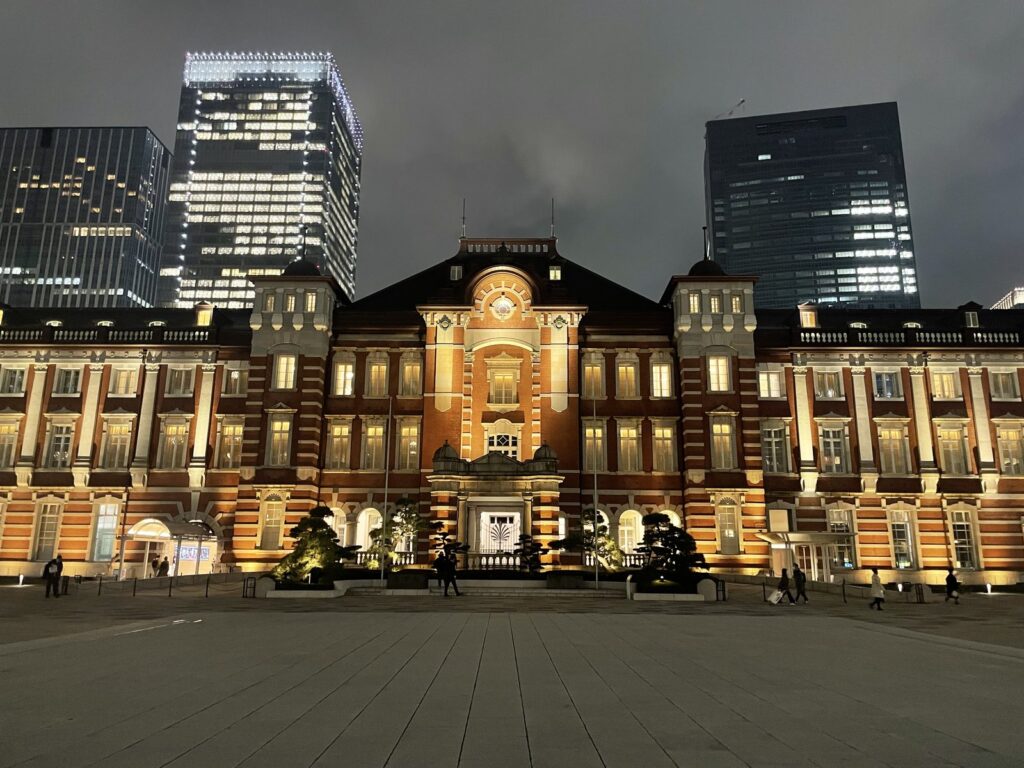
Getting there: JR Keiyo or Musashino Line to Maihama, about 15 minutes from Tokyo Station. It is JR, so a Japan Rail Pass covers it, as does any IC card. Our Suica vs PASMO vs Welcome Suica guide covers which card to get.
Universal Studios Japan: the Express Pass question
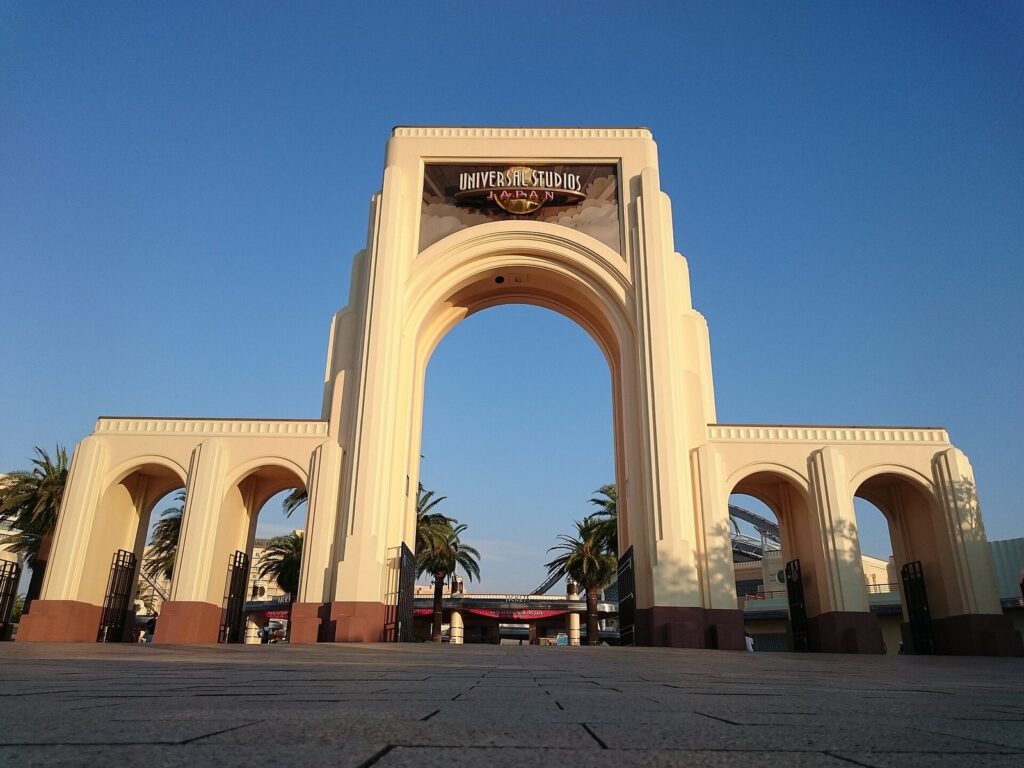
USJ sits in Osaka Bay, and unlike Tokyo Disney it is a single park — which is why it gets dense. The 1-Day Studio Pass for adults runs roughly ¥8,400 to ¥11,900 depending on the date, with children around ¥5,600–¥7,400. Buy it online, in advance. Popular dates sell out, and relying on the ticket booths on the day means burning park time for a real risk of nothing.
👉 Klook Universal Studios Japan
Super Nintendo World needs the app, not just a ticket
This is the part that catches people out. A Studio Pass does not guarantee you entry to Super Nintendo World. On busy days you need one of:
- A free Area Timed Entry Ticket or Standby Entry Ticket, obtained in the official USJ app on the day. Since January 2026 the app is the main route for these — scan and register your Studio Pass QR code in the app first, and make sure the app is updated, because older versions do not support them.
- An Area Timed Entry Ticket: Advance Booking, which is a paid product bought ahead of time.
- An Express Pass that includes Super Nintendo World access.
On quiet days you may walk straight in with none of these. On a Saturday in August, you will not. The area got about 70 percent bigger when Donkey Kong Country opened in December 2024, adding the Mine Cart Madness coaster, and it has stayed busy since.
Is the Express Pass worth it?
Express Passes are bought on top of admission and are not cheap: Express Pass 4 starts around ¥9,800 and Express Pass 7 around ¥17,800, both climbing steeply on peak dates. That can double the cost of your day.
My honest read: on a genuine off-peak weekday, skip it and use the app well. On a weekend, a Japanese public holiday, Obon in mid-August, or during Halloween Horror Nights — which runs 11 September to 8 November 2026, its fifteenth year — an Express Pass is the difference between four rides and ten. If you are flying to Osaka specifically for USJ, buy it. If USJ is one day inside a two-week trip, it is optional. Check our Best Time to Visit Japan guide before you lock the date, because the date choice saves you more money than any pass does.
Getting there: JR Yumesaki (Sakurajima) Line to Universal City, about 12 minutes from Osaka Station with a change at Nishikujo. Also JR, also Japan Rail Pass territory.
Where to stay, and one thing to bring
Staying inside either resort is convenient and expensive. For Tokyo Disney, the official hotels and the cheaper Maihama and Shin-Urayasu cluster put you minutes from the gate; for USJ, the Universal City hotels sit at the entrance, though central Osaka is a short train ride away and gives you a much better evening. Our Where to Stay in Tokyo and Osaka Travel Guide pages cover the trade-offs.
One practical thing: both parks now run on your phone — tickets, passes, wait times, mobile food orders — all day, outdoors, screen bright. Park Wi-Fi is patchy at exactly the moment everyone reaches for it. Bring a power bank, and if you forget it, don’t panic: any convenience store or electronics shop sells one, and ChargeSPOT rental stations are all over both cities. Make sure you have working mobile data too; our Best eSIM for Japan guide covers the options.
FAQ
Can I buy tickets at the gate? At USJ, technically sometimes, but dates sell out and you waste park time queuing — do not plan on it. At Tokyo Disney, same-day availability is unreliable. Book online.
Why did my card get declined on the Tokyo Disney site? The 3-D Secure verification step often fails for foreign-issued cards. Try a different card, or buy through Klook or KKday instead.
Do I need Disney Premier Access? No. Standby Pass is free and covers a lot. Premier Access is worth it for one or two rides you would otherwise miss, bought in the app on the day.
Which is better, Disneyland or DisneySea? DisneySea, for most adults. It is unique to Japan, better looking, and Fantasy Springs is the resort’s best new work. Disneyland is the stronger choice with young children.
Does the Japan Rail Pass cover getting to the parks? Yes for the final JR leg to Maihama and Universal City, and for the Shinkansen between Tokyo and Osaka. Whether the pass itself pays off is a separate question — see Is the Japan Rail Pass Worth It?
How many days do I need? One full day per park. Tokyo Disney Resort’s two parks are two separate days; there is no realistic way to do both well in one.
The verdict
Buy admission online before you fly, for both resorts — that is the non-negotiable part. If Tokyo Disney’s official checkout rejects your card, go straight to Klook or KKday rather than losing the date. Install both park apps at home, not in the queue. At USJ, treat Super Nintendo World access as a separate thing you have to actively arrange, and buy an Express Pass only if you are visiting on a peak date or the park is the reason you came to Osaka.
Do that, and these two stop being the stressful part of a Japan trip. All prices here are 2026 ranges and move with the date you pick, so confirm the exact figure at the moment you book.
Written from Japan by the Wayfarer Japan team — practical, honest guides for visitors.