The first time a friend visited me in Japan, she spent most of the trip low-key anxious about not being able to read anything. By day three she’d quietly picked up five or six characters just from seeing them over and over — 出口 at every station, 女 on the restroom door, 禁煙 in every café window — and she stopped worrying. That’s really the whole trick. You don’t need to study Japanese to get around; you need a small, specific list of characters that show up constantly, and the confidence to recognize them on sight.
Japan is more English-friendly than it used to be — major train stations, airports, and convenience stores carry romanized signage now — but you’ll still hit plenty of gaps: a local ramen shop’s door sign, a coin locker panel, a shrine notice, a smaller-town station platform. Here’s what I’d actually point at and say “learn this one” if you only had ten minutes before your flight.
The quick answer
- 出口 (deguchi) = exit, 入口 (iriguchi) = entrance — the two you’ll see most, every single day
- 非常口 (hijōguchi) = emergency exit, usually with a green running-person pictogram
- 男 (otoko) = men, 女 (onna) = women — restroom doors, baths, changing rooms
- お手洗い / トイレ (otearai / toire) = restroom, written in kanji or katakana depending on the building
- 危険 (kiken) = danger, 立入禁止 (tachiiri kinshi) = no entry/keep out
- 禁煙 (kin-en) = no smoking, 禁止 (kinshi) = prohibited (attaches to almost anything you’re not supposed to do)
- 止まれ (tomare) = stop, on road signs and at crossings
- ホーム (hōmu) = platform, 乗り換え (norikae) = transfer, both constant at train stations
- You genuinely do not need more than 20-30 characters to feel comfortable. Pattern recognition does the rest.
Why this works better than trying to “learn Japanese” for your trip
Japanese uses three writing systems at once — kanji (dense, picture-derived characters borrowed from Chinese) plus hiragana and katakana (two phonetic syllable scripts). Signage mixes all three, plus English and often Chinese and Korean in big cities. Becoming literate before a trip isn’t realistic and isn’t the goal. What works is treating signage like a brand logo: you don’t sound out “Coca-Cola” letter by letter after a while, you just recognize the shape. The kanji below work the same way once you’ve seen them a few times, usually by day two.
For the fuller picture of how the writing system fits together — why three scripts, how kanji developed — that’s a different topic; see How Japanese Writing Works if you’re curious about the mechanics. This guide stays narrower: just the characters you’ll actually stand in front of and need to act on.
Getting around: stations, exits, and transfers
Train stations are where sign-reading matters most, because a wrong turn costs you a transfer or a trip back through a ticket gate.
- 出口 (deguchi) — exit. Nearly always paired with a number or letter at big stations (出口 A1, 出口 3), which matters more than the kanji itself once you’re navigating a station like Shinjuku or Umeda with dozens of exits.
- 入口 (iriguchi) — entrance.
- 乗り換え (norikae) — transfer/change trains. Follow this at any station where you’re switching lines.
- ホーム (hōmu) — platform, borrowed from English “platform” and written in katakana, the script used for foreign loanwords. Katakana has a distinct angular look (compare シ vs its hiragana cousin し) once you know to look for it.
- 精算 (seisan) — fare adjustment. The machine you use if your IC card balance comes up short at the exit gate, so you’re not thrown by a beeping gate. If you’re using a Suica or similar card, our How to Use Suica guide covers the card side of this.
- 番線 (bansen) — track number, as in “3番線” (track 3) on platform announcements.
Restrooms, baths, and changing rooms
This is the one category where getting it wrong is mildly embarrassing rather than just inconvenient, so it’s worth knowing cold.
- 男 (otoko) — men. Often paired with 性 to form 男性 (dansei, “male”), but the single character alone is what you’ll see on a door.
- 女 (onna) — women, similarly sometimes expanded to 女性 (josei).
- At an onsen or sento (public bath), these same two characters mark the entrance curtains (noren), frequently color-coded blue for men and red for women as a backup cue — though don’t rely on color alone, since it isn’t universal.
- お手洗い (otearai) or トイレ (toire) — restroom in general, seen on signs pointing you toward the facilities rather than on the door itself.
- 空き (aki) and 使用中 (shiyōchū) — “vacant” and “in use,” common on multi-purpose or accessible restroom door indicators.
Warnings, rules, and things you’re not supposed to do
Japan is a genuinely safe country, but it does post warning signs, especially around construction, train platforms, and natural attractions like hiking trails or coastal areas.
- 危険 (kiken) — danger. Usually red, usually means stay back.
- 立入禁止 (tachiiri kinshi) — keep out / no entry. Construction sites, closed trails, staff-only areas.
- 禁止 (kinshi) — prohibited. Attaches to all kinds of things: 撮影禁止 (no photography), 遊泳禁止 (no swimming). Once you recognize 禁止 alone, you can usually guess the rest from context or the pictogram next to it.
- 禁煙 (kin-en) — no smoking. Japan still has designated smoking areas in many places (look for 喫煙所, kitsuenjo), so this marks where you can’t light up rather than a blanket ban.
- 止まれ (tomare) — stop, painted directly on the road at intersections.
- 非常口 (hijōguchi) — emergency exit. The green running-person pictogram next to it actually originated in Japan and is now an ISO standard, so you’ve likely seen it elsewhere without knowing where it came from.
Food, shops, and daily life
A few characters show up constantly on storefronts and menus and are worth knowing even if you’re not actively navigating anything.
- 営業中 (eigyōchū) — open for business, and its counterpart 準備中 (junbichū) — “preparing,” meaning closed for now, common on restaurant doors between lunch and dinner service.
- 定休日 (teikyūbi) — regular closing day, posted on shop doors to tell you which day of the week they’re closed.
- 両替 (ryōgae) — currency exchange.
- 自動販売機 (jidō hanbaiki), often shortened to just 自販機, — vending machine, though you’ll recognize these by sight long before you need the characters.
- お会計 (okaikei) or レジ (reji) — the till/register, useful when you’re looking for where to pay in a shop laid out differently from what you’re used to.
What you can safely skip
You don’t need to memorize every kanji on a shrine donation box or a train company’s full timetable. A few categories are safe to tune out:
- Shop and restaurant names themselves — these are often stylized or use unusual readings even native speakers have to guess at, so don’t stress over decoding them.
- Fine print on tickets, warranty cards, or legal notices — if it matters (like a cancellation policy), staff or an app will walk you through it in English when it counts.
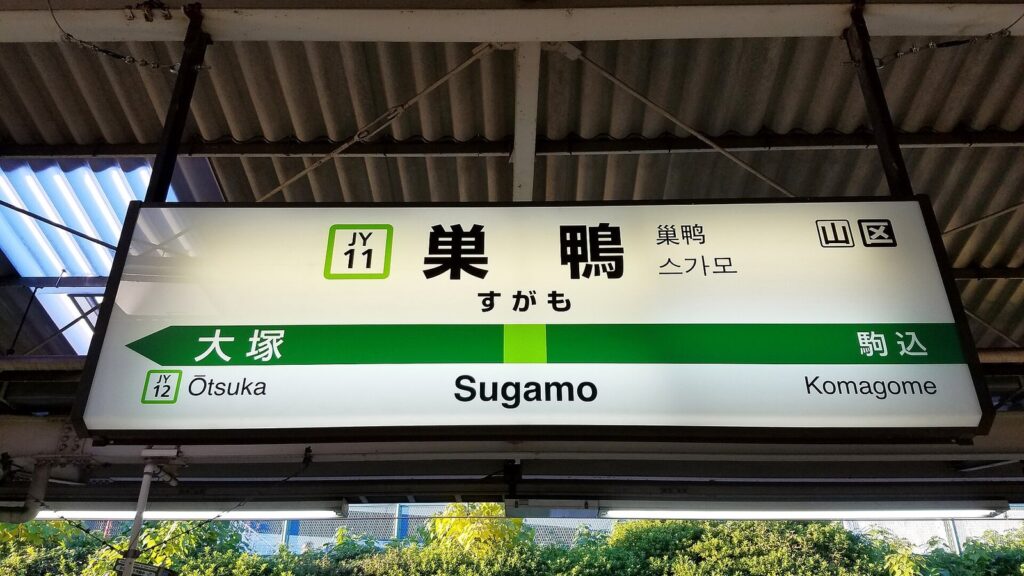
- Full station name kanji — you can navigate by romanized station names on tickets and signage without ever reading the kanji version, since both are posted side by side almost everywhere.
FAQ
Will I be lost without knowing any kanji? No. Major stations, airports, and most tourist-facing businesses post English alongside Japanese, and apps like Google Translate’s camera mode can read a sign in seconds if you’re genuinely stuck. The list above just makes you faster and more confident, not dependent.
Are hiragana and katakana worth learning instead of kanji? If you have more time to prepare, hiragana and katakana are more learnable (46 characters each, phonetic, no meaning to memorize) and they do show up on signage, especially katakana for loanwords. But for a short trip, recognizing the handful of high-frequency kanji above gets you further per minute invested.
Why do some signs mix English letters into Japanese text? Japanese commonly borrows English words and writes them in katakana (like ホーム for “platform” or トイレ for “toilet,” from “toilet”), and increasingly stations and shops add romanized English directly underneath the Japanese for visitors. Both are normal and not a sign you’re missing something.
Is it rude to ask staff what a sign means? Not at all. Pointing at a sign and asking is an easy, universal gesture, and most staff in tourist areas have some English or are used to pantomime-based questions from visitors.
The verdict
You don’t need Japanese literacy for a trip here, just a short list of characters that repeat everywhere: 出口/入口 for exits and entrances, 男/女 for restrooms, 危険/禁止 for warnings, and 非常口 for emergencies. Once those are familiar, your brain starts picking up the rest — 営業中, ホーム, 両替 — just from repeated exposure over a few days, the same way my friend did without ever opening a textbook. Travel light on preparation here; the characters come to you faster than you’d expect.
Written from Japan by the Wayfarer Japan team — we live here and read these signs every day, not just on vacation.
Featured image: “JREast-Yamanote-line-JY11-Sugamo-station-sign-20171209-154436” by LERK, CC BY-SA 4.0, via Wikimedia Commons