Kyoto rewards you for staying somewhere well-connected and atmospheric — and unlike Tokyo, the “right” area really does shape your days here, because the sights are spread across the city and buses can be slow. I live in Japan and send a lot of friends to Kyoto; these are the areas I actually recommend, and who each one suits.
The quick answer
- First time, want convenience + easy day trips? → Kyoto Station area.
- Want to sleep in the most atmospheric old Kyoto? → Gion / Higashiyama.
- Want restaurants, nightlife and central access? → Downtown (Kawaramachi / Karasuma).
- Want calm, nature and bamboo? → Arashiyama (best as a night or two, not your whole stay).
- Priced out, or Kyoto’s booked up? → Stay in Otsu (about 10 minutes from Kyoto Station by train) or base in Osaka and day-trip in — often far cheaper.
Kyoto hotels sell out fast, especially in cherry-blossom and autumn seasons — book early. 👉 Booking.com Kyoto
The best areas, and who each suits
Kyoto Station — best for convenience and day trips
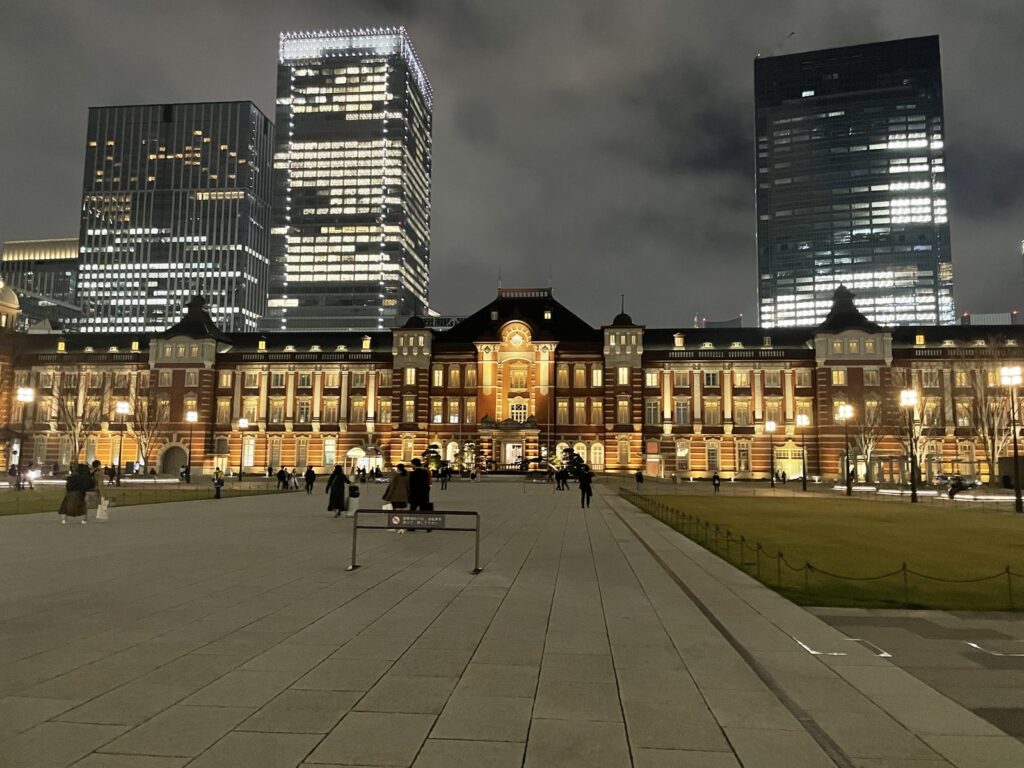
The transport hub: Shinkansen to Tokyo/Osaka, buses and trains everywhere, and loads of hotels at every price. Not the prettiest area, but unbeatable for getting around and for day trips to Nara or Osaka. Best for: first-timers who value convenience and plan to move around. 👉 Booking.com Kyoto Station hotels
Gion / Higashiyama — best for atmosphere
The postcard Kyoto: wooden machiya houses, temples, lantern-lit lanes and a real chance of spotting geiko/maiko. Staying here means stepping out into old Kyoto each morning, before the day-trippers arrive. Pricier and quieter at night. Best for: travelers who want the most magical, traditional base. 👉 Booking.com Gion Higashiyama hotels
Downtown (Kawaramachi / Karasuma) — best all-rounder
Central, lively and packed with restaurants, shopping and the Nishiki Market, with excellent transport. A great balance of atmosphere and convenience. Best for: foodies and those who want to walk to dinner and nightlife. 👉 Booking.com Downtown Kyoto hotels
Arashiyama — best for nature and calm
Bamboo groves, riverside scenery and temples on the city’s western edge. Beautiful and serene once the day crowds leave — but a bit removed from the center. Best for: a relaxing night or two, ideally combined with a night closer in. 👉 Booking.com Arashiyama ryokan
Priced out of central Kyoto? Two smart alternatives
Kyoto’s hotel prices have climbed sharply in recent years — in peak seasons a central room can cost a small fortune, if you can find one at all. Two local workarounds save real money without wrecking your plans.
Otsu — about 10 minutes away, far cheaper
Just over the prefectural border in Shiga, Otsu sits roughly 10 minutes from Kyoto Station by JR (the Biwako Line). Rooms are markedly cheaper than central Kyoto, it’s a pleasant lakeside town on Lake Biwa, and you’re still a short, frequent train ride from every Kyoto sight. For budget-conscious travelers, this is one of the best value hacks for a Kyoto trip. 👉 Booking.com Otsu hotels
Base in Osaka and day-trip in
Osaka has far more hotel supply and lower prices, and it’s only about 15 minutes from Kyoto by Shinkansen (or roughly 30 minutes by regular train). If you’re visiting both cities anyway, basing in Osaka and day-tripping into Kyoto can cut your accommodation bill significantly. 👉 Booking.com Osaka hotels
The trade-off: you lose the early-morning and late-evening magic of being inside Kyoto, before and after the day crowds. If that atmosphere matters most, pay for a night or two in the center and save on the rest by sleeping in Otsu or Osaka.
Should you stay in a ryokan?
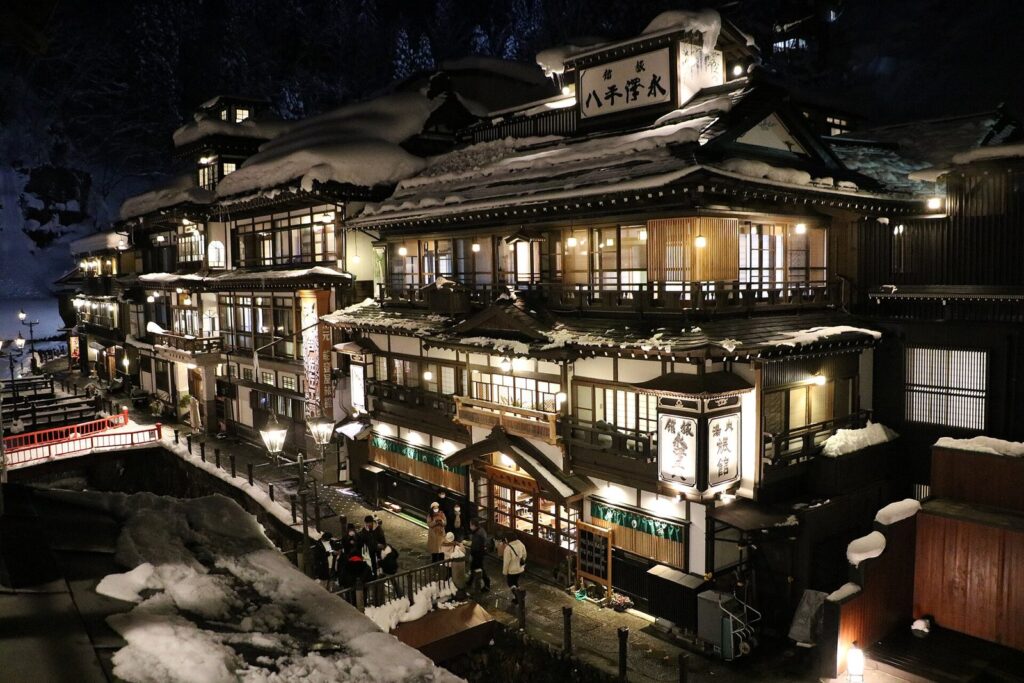
Kyoto is one of the best places in Japan to try a ryokan — a traditional inn with tatami rooms, futon bedding and often a kaiseki dinner and onsen bath. It’s a highlight, but it can be pricey and the style (floor bedding, set meal times) isn’t for everyone. My advice: book one or two nights in a ryokan for the experience, and a convenient hotel for the rest. That way you get the magic without the whole trip feeling formal. 👉 Booking.com Kyoto ryokan / Agoda Kyoto
Booking tips from someone who lives here
- Book very early. Kyoto is small and demand is huge in spring and autumn — good places vanish months out.
- Prioritise being near a subway or major bus route. Kyoto’s buses get crowded and slow; a subway-adjacent base saves real time.
- Rooms and ryokan fill first for cherry-blossom and leaf season — if that’s your trip, book before anything else.
- Consider a mix: a few nights central + one night ryokan or Arashiyama.
FAQ
How many nights in Kyoto? For a first trip, 2–3 nights covers the highlights, with a day trip to Nara or Osaka.
Is Kyoto Station area boring? It’s practical rather than pretty, but you’re never far from the sights, and it’s the easiest base for day trips. Many first-timers love the convenience.
Kyoto or Osaka as a base? For temples and traditional Japan, base in Kyoto. Osaka is better for food and nightlife; they’re close, so a day trip either way is easy.
Do I need a car? No — trains, subways and buses cover everything, and parking is a hassle. Use an IC card (Suica vs PASMO — internal link).
The verdict
For a first trip, Kyoto Station is the easy, convenient choice; Gion/Higashiyama is the most atmospheric; Downtown is the best all-rounder for food and access; and Arashiyama is a serene night away. Whatever you choose, book early, stay near good transport, and treat yourself to a night in a ryokan.
Pair it with the right season (Best Time to Visit Japan) and your Tokyo base (Where to Stay in Tokyo) — internal links.
Written from Japan by the Wayfarer Japan team. Some links are affiliate links that support the site at no extra cost to you.