Tokyo is huge, and “where should I stay?” is the question that stresses first-timers out the most. Good news: you don’t need the perfect neighbourhood — you need one that’s on the Yamanote line or a major hub, so everywhere else is an easy train ride. I live here; these are the areas I actually point visitors to, and who each one suits.
The quick answer
- First time and want easy trains + everything nearby? → Shinjuku.
- Want the buzzy, youthful, iconic Tokyo? → Shibuya.
- Day-tripping to Kyoto/Hakone by bullet train? → Tokyo Station / Marunouchi.
- Want old-Tokyo charm on a budget? → Asakusa.
- Want calm, upscale and central? → Ginza.
Any of these works for a first trip. Book early — good-value Tokyo hotels sell out. 👉 Booking.com Tokyo
The best areas, and who each suits
Shinjuku — best all-rounder for first-timers
The most useful base in Tokyo. A giant transport hub (trains everywhere, plus buses to Hakone/Fuji), endless food and nightlife, and quiet pockets on the west side. It can feel overwhelming at first — that’s part of the fun. Best for: first-timers who want maximum convenience. 👉 Booking.com Shinjuku hotels
Shibuya — buzzy and iconic
The scramble crossing, shopping, restaurants and a young energy. Superb train links and walkable to Harajuku. Slightly less “restful” but hard to beat for atmosphere. Best for: first trips focused on nightlife, shopping and people-watching. 👉 Booking.com Shibuya hotels
Tokyo Station / Marunouchi — best for bullet-train travel
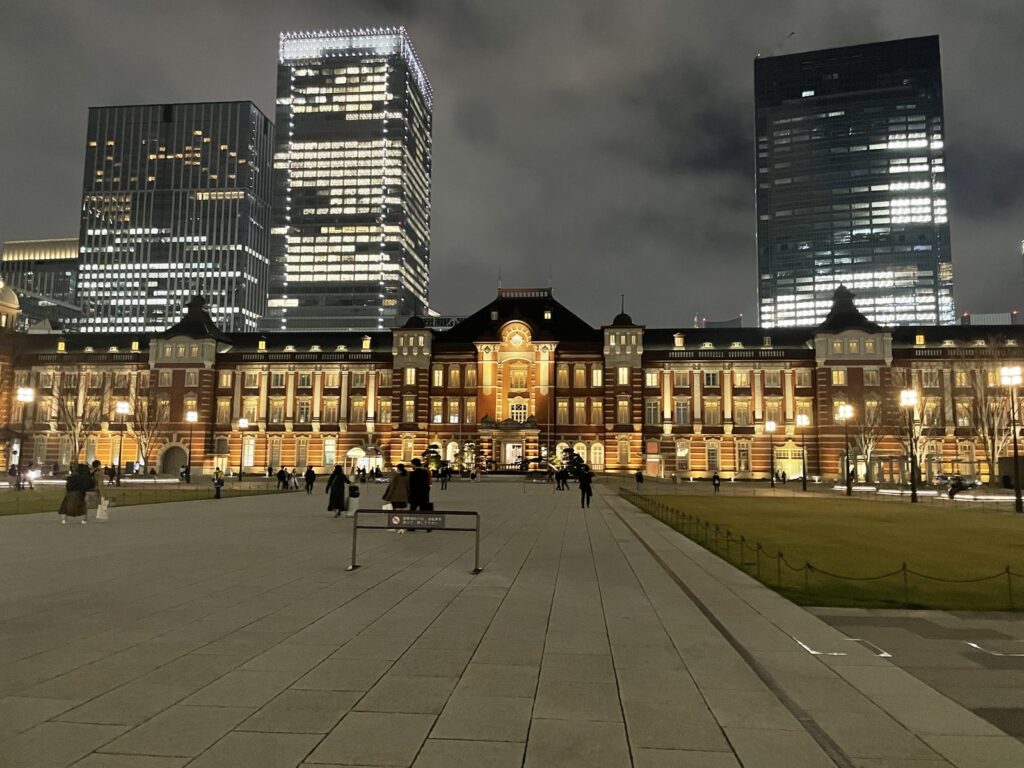
Polished, business-like and directly on the Shinkansen. If you’re doing day trips or heading to Kyoto/Hakone, starting from here saves time. Great transport, a little quieter at night. Best for: travelers pairing Tokyo with Shinkansen trips. 👉 Booking.com Tokyo Station hotels
Asakusa — old Tokyo, better value
Historic temples, traditional streets and a slower pace. Rooms tend to be cheaper here, and there’s real character. Slightly off the Yamanote loop, but still well connected. Best for: budget-conscious first-timers who want traditional atmosphere. 👉 Booking.com Asakusa hotels
Ginza — calm, central and upscale
Elegant, spotless and central, with top dining and shopping. Pricier, quieter at night, and beautifully convenient. Best for: travelers who want a refined, central base and don’t mind paying for it. 👉 Booking.com Ginza hotels
How to choose in one minute
- Prioritise transport over the “perfect” area. On or near the Yamanote line or a major hub = you can reach everything.
- Match the vibe: convenience (Shinjuku), energy (Shibuya), efficiency (Tokyo Station), tradition/value (Asakusa), calm/upscale (Ginza).
- Check walking distance to the nearest station on the listing — in Tokyo, 5 minutes vs 15 minutes to the station matters a lot with luggage.
Booking tips from someone who lives here
- Book early. Well-located, good-value Tokyo hotels go fast, especially in cherry-blossom (spring) and autumn.
- Rooms are small — that’s normal. Prioritise location and a good bed over square metres.
- “Station-adjacent” is worth paying for after long travel days.
- Free cancellation rates give you flexibility while you finalise your route. 👉 Booking.com Tokyo / Agoda Tokyo
FAQ
Is it better to stay in one area or move around Tokyo? Stay in one well-connected base for your whole Tokyo stint. The trains make moving hotels unnecessary and a hassle.
Which area is cheapest? Generally Asakusa and areas slightly off the Yamanote loop offer better value than Shinjuku/Shibuya/Ginza.
How many nights in Tokyo? For a first trip, 3–4 nights lets you see the highlights and do a day trip, before moving on.
The verdict
For a first trip, you can’t really go wrong if you stay on or near the Yamanote line. Pick Shinjuku for all-round convenience, Shibuya for energy, Tokyo Station for Shinkansen trips, Asakusa for value and tradition, or Ginza for calm and class. Then book early and enjoy how easy Tokyo’s trains make the rest.
Getting around once you arrive: see Suica vs PASMO vs Welcome Suica and our JR guides (internal links).
Written from Japan by the Wayfarer Japan team. Some links are affiliate links that support the site at no extra cost to you.