Most etiquette guides to Japan read like a list of ways to disgrace yourself. That is not what living here feels like. Nobody expects a visitor to bow correctly, and I have never once seen a tourist told off for holding chopsticks badly. The staff at a Kyoto restaurant have seen thousands of people work it out at the table, and they are on your side.
What has changed is that a small number of things that used to be manners are now local ordinances with money attached. Shibuya started collecting on-the-spot littering fines in June 2026. Kyoto’s private Gion alleys carry a posted penalty. Osaka banned street smoking city-wide. So the honest version of this guide splits into two halves: the social rules, where mistakes cost you nothing, and the legal ones, where they cost you cash.
The quick answer
- You cannot really offend anyone by accident. The social rules are about not inconveniencing the people around you, and effort counts more than accuracy.
- The rules with actual fines in 2026: littering in Shibuya (¥2,000, on the spot), smoking outside designated areas, entering Gion’s private alleys, and boarding a Tokaido Shinkansen with an unreserved oversized suitcase (¥1,000).
- Don’t tip. Anywhere. It is not withheld generosity, it just isn’t a thing.
- Be quiet on trains, take your shoes off where there’s a step up, and take your rubbish with you. That covers about 80 percent of it.
- Carry some cash. Japan crossed 58 percent cashless in 2025, which still leaves four yen in ten changing hands as paper.
On trains and in stations
1. Do keep your voice down, and don’t take phone calls. Train carriages are quiet. Talking with a companion is fine at a low volume; a speakerphone call is the one thing that will genuinely turn heads. Music through headphones is fine if it isn’t audible to the person beside you.
2. Do stand still on escalators. The old advice was “stand left in Tokyo, stand right in Osaka,” and that regional split is still real. But the official position has flipped: Saitama Prefecture (2021) and Nagoya City (2023) both passed ordinances telling people to stand still on both sides, and Nagoya’s compliance is now above 90 percent. There is no penalty anywhere, and in Tokyo one side is still informally the walking lane. Follow the people in front of you and never walk up the standing side.
3. Do let people off before you get on. Queue at the marked positions on the platform, stand aside at the doors, and move into the carriage rather than blocking the doorway. Priority seats exist for elderly, pregnant, injured and disabled passengers — sitting in them is acceptable when the carriage is empty, standing up promptly is expected when it isn’t.
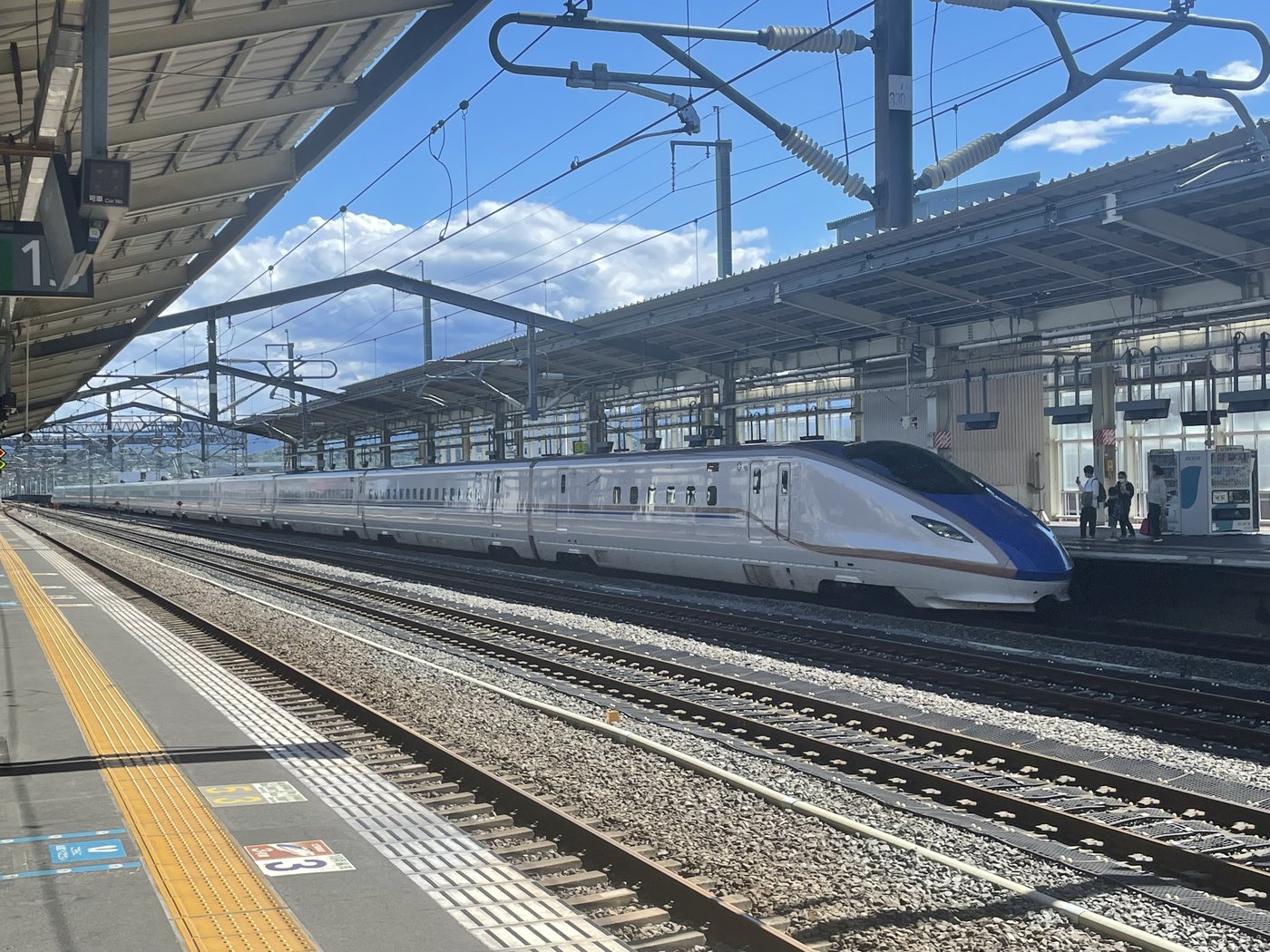
4. Do reserve a space for a large suitcase on the Shinkansen. This is a rule, not a courtesy. On the Tokaido, Sanyo, Kyushu and Nishi-Kyushu Shinkansen, a bag whose length plus width plus height totals 160–250cm requires a seat in the oversized baggage area. Reserving it costs nothing; turning up without it costs ¥1,000 and the staff do check. Bags under 160cm are fine, and since a July 2025 trial the deck luggage areas on 16-car Tokaido and Sanyo trains can be used without a reservation. Wheels and handles count in the measurement. How the ticketing works is in How Japan’s Train Fares Work, and the broader system in Japan’s Trains Explained.
Money, food and shops
5. Don’t tip. Not in restaurants, not in taxis, not for housekeeping. Leaving coins on the table usually results in someone chasing you down the street to return them. Service charges appear on ryokan and some izakaya bills automatically.
6. Do put money in the tray. Almost every counter has a small rubber or plastic tray. Cash goes in the tray, not into the cashier’s hand, and change comes back the same way. Cards are handed over directly.
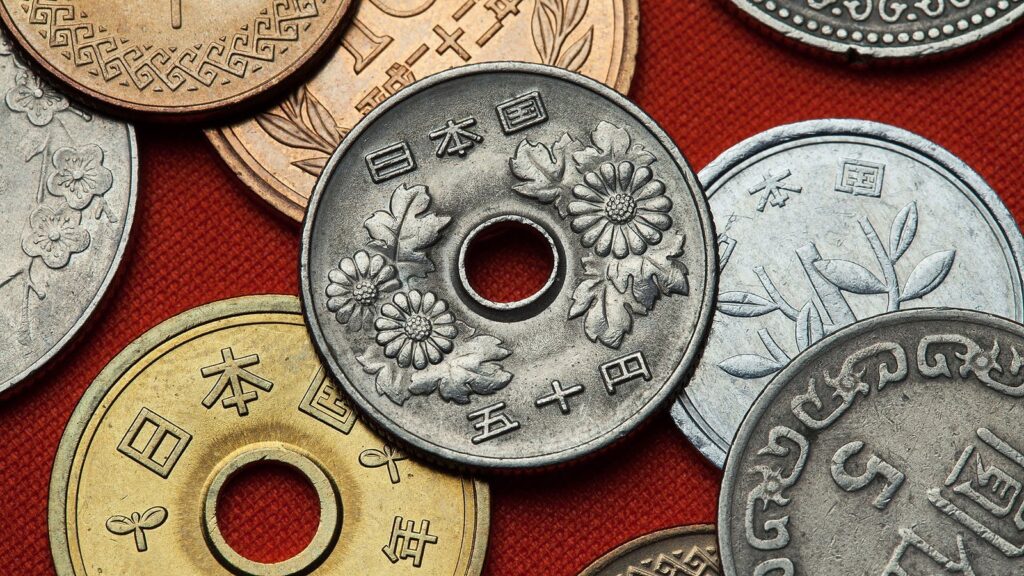
7. Do carry cash anyway. Japan is far more cashless than it was — 58 percent of consumer spending in 2025, per the government’s own figure — but shrines, small ramen shops with ticket machines, festival stalls, some municipal baths and a fair number of rural buses are still cash-only. A few ¥1,000 notes and ¥100 coins in your pocket solves all of it. What things actually cost is in How Much Does a Trip to Japan Cost?.
8. Don’t eat while walking, and don’t leave rubbish behind. Both are the same underlying rule. Street food is meant to be eaten standing next to the stall that sold it, and there are almost no public bins, so you carry wrappers until you find one — usually inside a convenience store or beside a vending machine. Shibuya Ward now fines littering ¥2,000, collected on the spot by patrol staff, anywhere in the ward, since 1 June 2026. More than 200 fines were issued in the first weeks. Assume the same standard everywhere, minus the enforcement.
9. Do the chopstick basics, and relax about the rest. Two things are genuinely taboo because both echo funeral rites: standing chopsticks upright in rice, and passing food chopstick-to-chopstick. Beyond that: don’t spear food, rest them on the holder rather than the bowl, and slurping noodles is completely normal. Nobody minds if your grip is wrong.
Shoes, homes, temples and shrines
10. Do take your shoes off where the floor changes level. A step up, a different flooring material, or a rack of slippers is the signal. This applies at ryokan and minshuku, traditional restaurants with tatami rooms, temple interiors, some clinics and many changing rooms. Toilet slippers stay in the toilet — walking back into a tatami room in them is the classic visitor mistake, and the one people here find funniest. A night at a ryokan is the easiest way to absorb all of this at once; the comparison with hotels is in Hotel vs Ryokan: Which Should You Book in Japan?. 👉 Booking.com ryokan in Japan
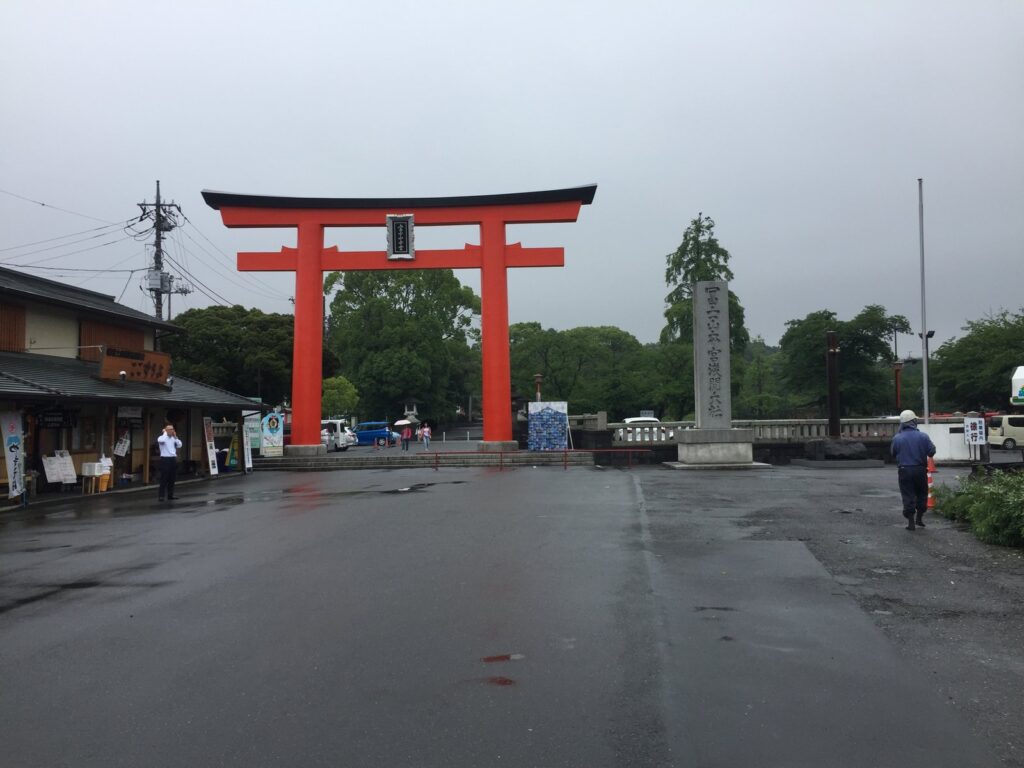
11. Do use the water basin, and keep it simple. At a shrine: rinse your left hand, then your right, then pour a little into your left hand to rinse your mouth — do not drink from the ladle. At the hall, the usual pattern is a coin in the box, two bows, two claps, a moment of silence, one bow. Temples are the same minus the clapping. Nobody is grading you, and the background to all of it is in Shrines, Shinto and Japanese Mythology.
12. Don’t photograph what’s marked as off-limits. Many temple interiors ban photography; so do bathing areas, without exception. In Kyoto’s Gion, the private side alleys off Hanamikoji are closed to visitors with signage warning of a ¥10,000 penalty, and photographing maiko and geiko in the street without permission is prohibited. They are working, not performing. Stick to public streets and you will still get the photograph. Details on the district are in our Kyoto Travel Guide.
13. Don’t photograph strangers, staff or restaurant interiors without asking. “Shashin, ii desu ka?” and a gesture at your phone is enough. Many small restaurants say no, and that is not rudeness.
Smoking, drinking and noise
14. Don’t smoke on the street. This is backwards from most countries: indoor smoking sections still exist in bars and some cafés, while outdoor smoking is banned across most urban areas. Osaka City has banned street smoking city-wide since January 2025 (¥1,000), and Tokyo wards including Chiyoda and Shibuya fine ¥2,000. Heated tobacco counts as smoking. Look for the glass smoking booths near stations, or the marked areas outside convenience stores.
15. Do keep the volume down late at night in residential streets. Drinking on the street is legal in Japan generally, but Shibuya bans it in its central zone from 18:00 to 05:00, year-round, and security staff will ask you to hand over the can. Elsewhere, the rule is simply that people live above the bars.
The things you can get wrong for free
Bowing depth. Which hand to hold a sake cup with. Saying “itadakimasu” before eating — lovely if you do, invisible if you don’t. Sitting seiza, which most Japanese people under 40 also can’t do for long. Speaking English at a shop counter; staff will meet you with a translation app or a calculator and it works fine. If you want to learn the formal version of any of this properly, a guided tea ceremony teaches more in ninety minutes than a week of reading. 👉 Klook tea ceremony experience in Kyoto
FAQ
Will people be offended if I bow wrong? No. A small nod is read as polite by everyone. Foreign visitors are not held to the internal hierarchy that governs bow depth between colleagues.
Do I need to speak Japanese? No, but three words carry you a long way: sumimasen (excuse me / sorry), arigatou gozaimasu (thank you), daijoubu desu (I’m fine / no thanks). A translation app covers the rest, which does mean having data — I use a domestic plan myself rather than a travel product, but for a two-week trip a tourist eSIM is the simplest option, compared in Best eSIM for Japan in 2026. 👉 Airalo Japan eSIM
Are tattoos a problem? Only at baths, pools and gyms, and less than they used to be. The full picture, including which onsen no longer care, is in Your First Onsen: Etiquette, Tattoos and Where to Go.
Is it rude to refuse food or drink? No. “Kekkou desu” or a hand raised with a smile is understood. Nobody will pressure you.
Should I take a gift? Only if you are visiting someone’s home, and then something small and edible from your own country is perfect. It is not expected of tourists otherwise.
What if I make a mistake? Say sumimasen, fix it, move on. That is exactly what people here do.
The verdict
Be quiet, be tidy, take your shoes off when the floor tells you to, and don’t tip. That is the whole social contract, and everything else on this list is a footnote to it.
The part worth taking seriously in 2026 is the enforcement layer, because it is new and it is growing: a dropped coffee cup in Shibuya is now ¥2,000, a cigarette on an Osaka street is ¥1,000, a wrong turn into a private Gion alley is posted at ¥10,000, and an unreserved large suitcase on the Tokaido Shinkansen is ¥1,000. None of those are traps — every one of them is signposted in English, usually with pictograms. Read the signs, and the rest of Japan will meet you more than halfway.
Written from Japan by the Wayfarer Japan team. Some links are affiliate links that support the site at no extra cost to you.