I live about an hour from Nagoya, and I still meet visitors who tell me they “skipped it” on their way between Tokyo and Kyoto. That’s a shame, because Nagoya is one of the most useful bases in Japan: it sits almost exactly halfway on the Tokaido Shinkansen line, it has its own international airport, and it works as a launchpad for Takayama, Shirakawa-go, and Kanazawa without the crowds you’ll find in Kyoto or Osaka. It’s not a city built for postcards. It’s a city built by industry — Toyota is headquartered nearby — and that gives it a straightforward, unpretentious character that a lot of travelers end up liking more than they expected.
This guide covers what’s actually worth your time in Nagoya, how to get in and out, what to eat, and where it makes sense to use it as a base rather than just a transfer point.
The quick answer
- Nagoya sits on the Tokaido Shinkansen, about 100 minutes from Tokyo and 35–50 minutes from Kyoto or Osaka, so it’s an easy add-on rather than a detour.
- The city has its own airport, Chubu Centrair, connected to Nagoya Station by the Meitetsu line in under 30 minutes.
- One full day covers the highlights: Nagoya Castle, the SCMAGLEV and Railway Park, and the Osu shopping arcade.
- Food is the city’s real draw for many visitors: hitsumabushi (grilled eel over rice, served three ways), miso katsu, and tebasaki (fried chicken wings) are all Nagoya specialties.
- It’s the best base for a day trip to Takayama and Shirakawa-go, and a reasonable alternative base to Kyoto for exploring the Chubu region.
Getting to Nagoya
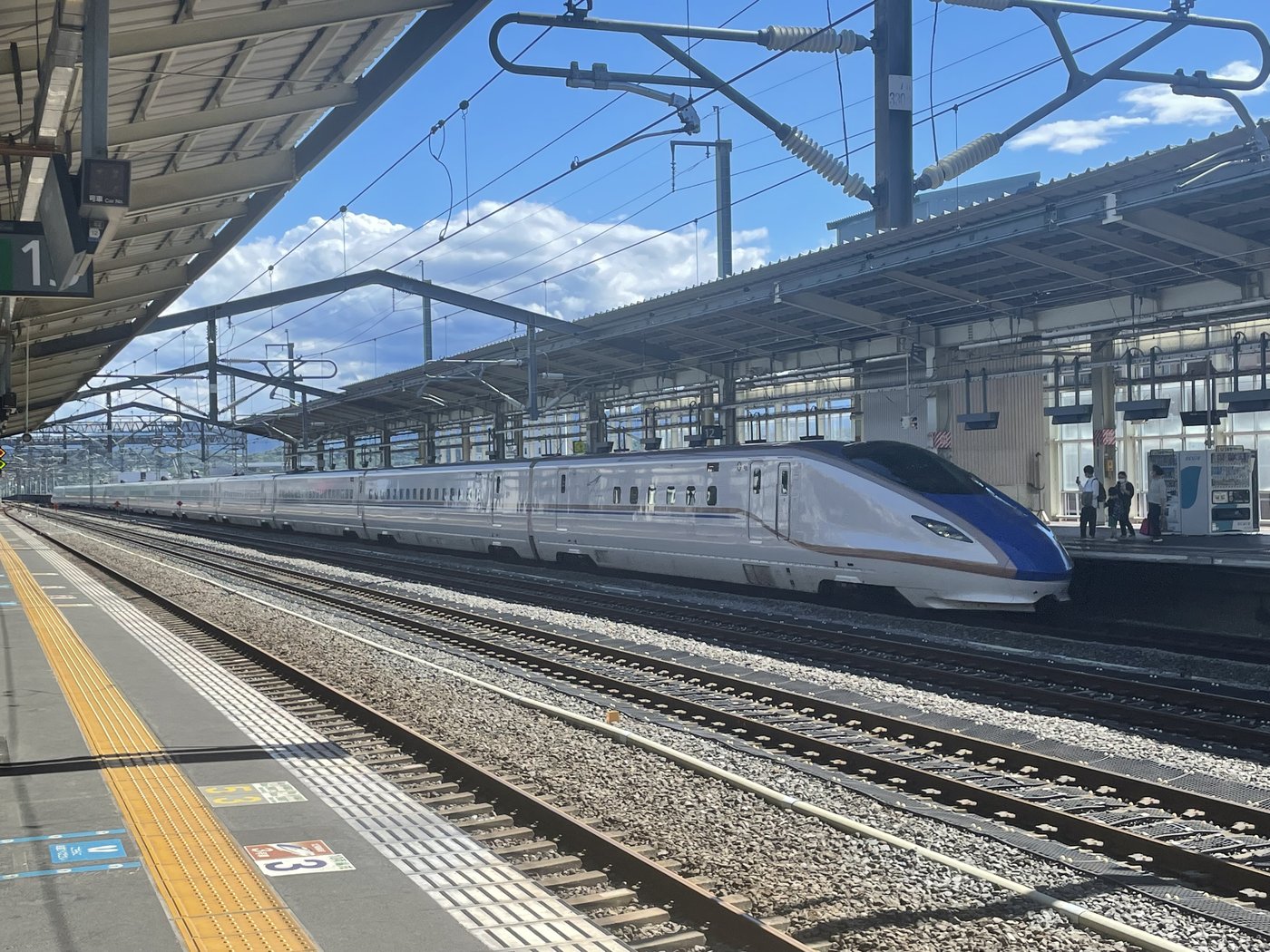
Most visitors arrive by Shinkansen. Nozomi trains connect Tokyo Station to Nagoya in around 100 minutes, and Nagoya to Kyoto or Osaka takes roughly 35 to 50 minutes depending on the train type (Nozomi is fastest; Hikari and Kodama stop more often but can be used with the Japan Rail Pass). Fares run somewhere in the ¥6,000–¥11,000 range one-way depending on the route and class — treat that as an estimate and check current prices before you book, since Shinkansen fares are adjusted periodically. If you already have a Japan Rail Pass for a wider Japan itinerary, Nagoya is a free stop on the way.
If you’re flying directly into the region, Chubu Centrair International Airport (NGO) sits on an artificial island in Ise Bay and is Nagoya’s main gateway for international flights. The Meitetsu line runs straight into Nagoya Station: the regular limited express takes about 30–35 minutes for around ¥900, while the all-reserved μ-SKY (Mu-Sky) service is faster, at around 28 minutes, for a bit more. Both are comfortable and easy for first-time visitors — you don’t need to plan much beyond buying a ticket at the machine or counter.
👉 Klook for airport transfer tickets and Japan Rail Pass vouchers if you’re combining Nagoya with a longer rail itinerary.
What to see in a day (or two)
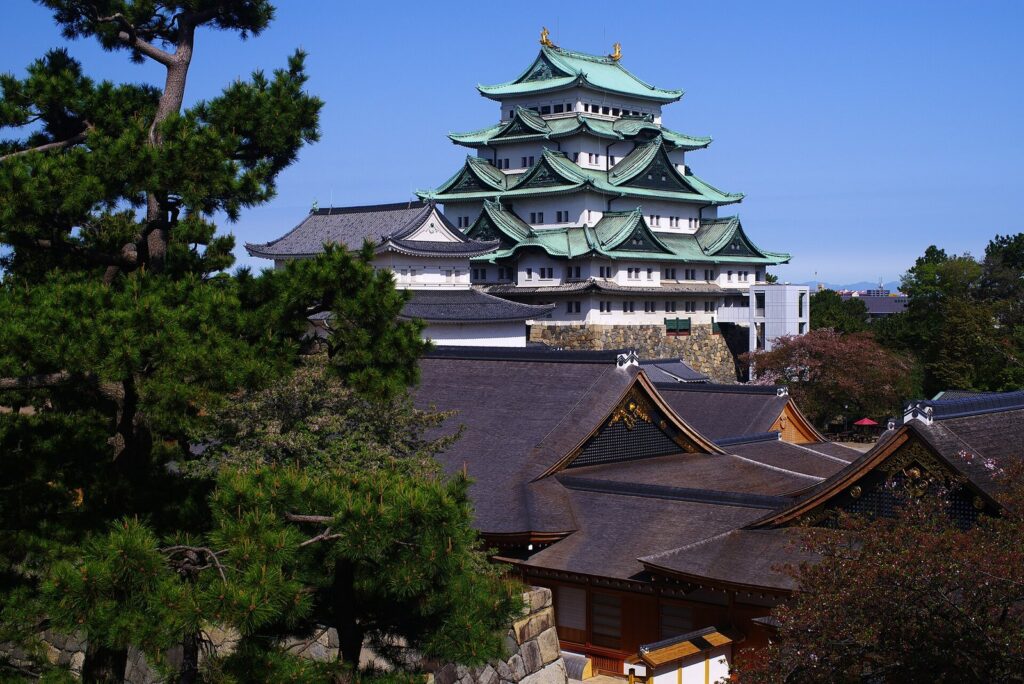
Nagoya Castle is the obvious first stop, and it comes with a caveat worth knowing before you go: the original concrete main keep, topped with its famous golden shachihoko (mythical dolphin-fish), has been closed to visitors since 2018 because it doesn’t meet current earthquake standards. A full wooden reconstruction has been planned for years but keeps slipping — the city’s current target is the early 2030s, so don’t expect to climb the keep any time soon. That said, the reconstructed Honmaru Palace, the stone walls, the turrets, and the castle gardens are all open, and the palace’s painted screens and cypress interiors are genuinely worth the visit on their own. Admission is inexpensive (a few hundred yen, rising modestly each October), and the grounds are an easy half-day.
The SCMAGLEV and Railway Park, a short train ride from downtown, is one of the best transport museums in Japan and worth it even if you’re not a rail enthusiast. It houses dozens of historic Shinkansen and steam locomotives, including a prototype maglev car that once set a world speed record, plus train simulators you can pay a small extra fee to try. Budget two to three hours; it’s closed on Tuesdays.
The Toyota Commemorative Museum of Industry and Technology, in a converted early-1900s textile plant, traces the company’s roots from automatic looms to automobiles. It’s more engaging than it sounds even if cars aren’t your thing — the working machinery demonstrations are the highlight. It’s closed on Mondays.
For a change of pace, Osu Kannon and the covered Osu shopping arcade around it mix a working Buddhist temple with hundreds of small shops selling everything from vintage electronics to street food. It’s a good place to wander for an hour with no plan. Atsuta Shrine, one of Shinto’s most important shrines and said to house one of the three Imperial Regalia, sits in a quiet forest a few stops south of the castle and is free to visit.
What to eat
Nagoya has its own food identity, often grouped together as “Nagoya meshi,” and it’s reason enough to stop here even without the sightseeing.
- Hitsumabushi — grilled eel over rice, traditionally eaten three ways: first plain, then with condiments like scallion and wasabi, then as a broth-poured ochazuke. It’s pricier than standard unagi but it’s a genuine Nagoya specialty.
- Miso katsu — a breaded, deep-fried pork cutlet topped with a thick, slightly sweet red miso sauce, a world away from the tonkatsu sauce you’ll see elsewhere in Japan.
- Tebasaki — deep-fried chicken wings seasoned with a sweet-salty glaze and black pepper, invented in Nagoya and now found nationwide, but best here.
- Kishimen — flat, wide udon noodles served in a light dashi broth.
- “Morning service” — Nagoya’s café culture includes a quirky local tradition where ordering a coffee before around 11 a.m. gets you free toast and a boiled egg. It’s not a scam; it’s just how coffee shops compete here.
Where to stay
Staying near Nagoya Station is the easiest option for most visitors, since it puts the Shinkansen, the Meitetsu line to the airport, and the subway network all within walking distance. Sakae, the city’s other major hub, is more nightlife- and shopping-focused if you’d rather be closer to bars and department stores in the evening.
👉 Booking.com Nagoya for hotels near Nagoya Station or Sakae.
Day trips from Nagoya
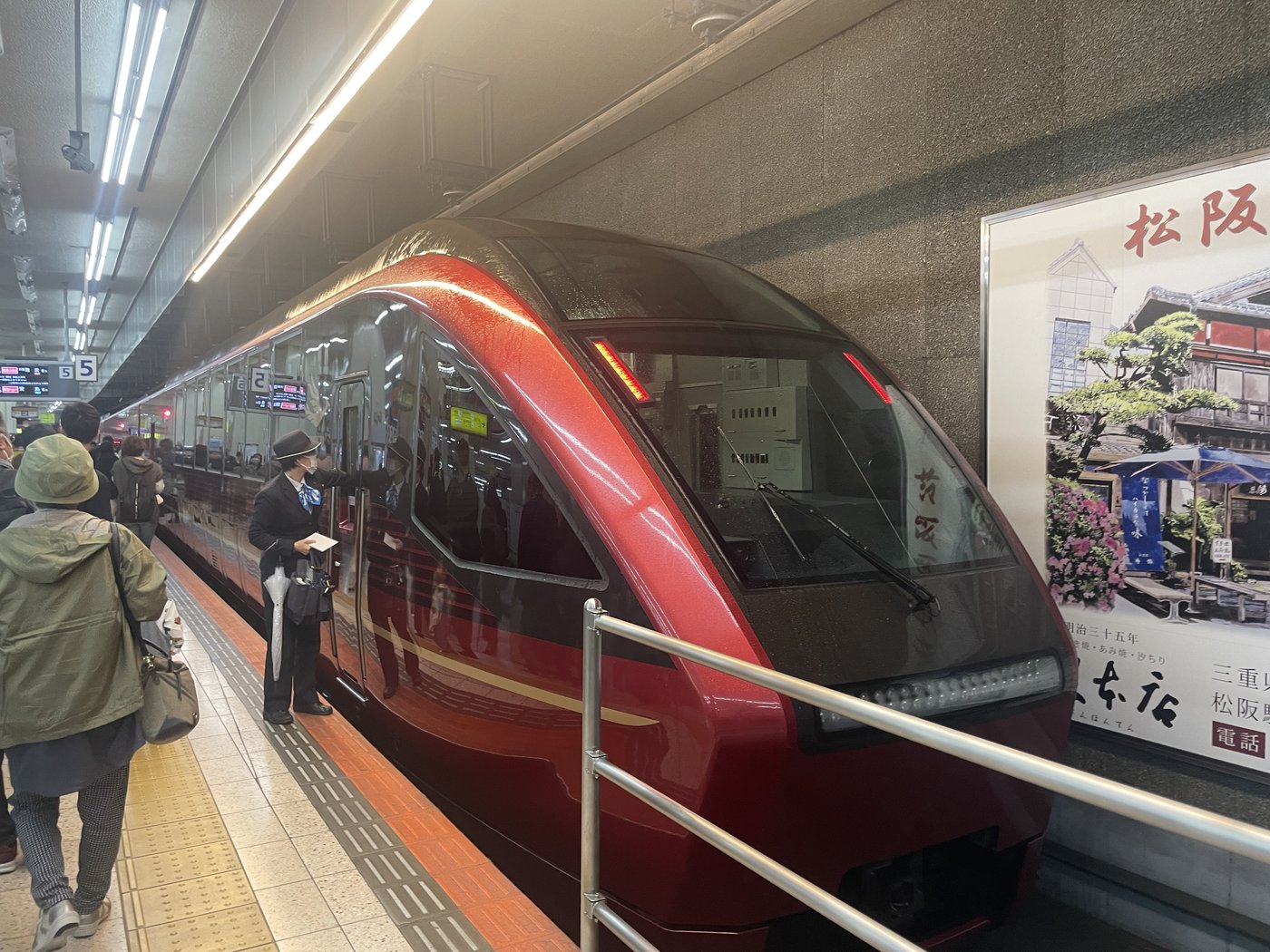
This is where Nagoya earns its keep as a base rather than a stopover. It’s the standard gateway for a day trip to Takayama and the thatched-roof village of Shirakawa-go — a route we cover in more detail in Takayama and Shirakawa-go: The Old Japan Loop from Nagoya or Kanazawa — and it also connects well onward to Kanazawa if you want to continue into the Hokuriku region rather than double back to Tokyo. If your route continues toward Kansai, the Kintetsu Limited Express Hinotori runs directly between Nagoya and Osaka as a comfortable alternative to the Shinkansen for that leg.
👉 Klook for a guided Takayama and Shirakawa-go day tour departing from Nagoya, if you’d rather not manage the train connections yourself.
FAQ
Is Nagoya worth visiting, or should I just pass through on the Shinkansen? If you have a spare day between Tokyo and Kyoto, yes — it’s an easy, low-crowd add-on. If your itinerary is already tight, it’s a fine city to skip in favor of more time in Kyoto or Tokyo; nobody’s Japan trip is ruined by missing it.
Can I see Nagoya Castle’s main keep? Not currently. It’s been closed since 2018 for earthquake-safety reasons, and reconstruction isn’t expected until the early 2030s. The Honmaru Palace and grounds are open and worth visiting on their own.
How many days do I need? One full day covers the essentials. Two days lets you add a day trip to Takayama and Shirakawa-go without rushing.
Is Nagoya expensive compared to Tokyo or Kyoto? Generally a bit cheaper, especially for hotels, since it sees fewer international visitors relative to its size.
The verdict
Nagoya won’t be the highlight of most people’s Japan trip, and it doesn’t need to be. Its value is as an efficient, uncrowded base: a genuine city with its own food culture and history, sitting right on the Shinkansen line, within easy reach of the Japan Alps. If you’re already routing between Tokyo and Kansai, or planning a trip to Takayama and Shirakawa-go, building in a day or two here is one of the easier upgrades you can make to a first-time Japan itinerary.
Written from Japan by the Wayfarer Japan team — practical, honest travel guidance from people who actually live here.
Featured image: “180405 Tenshu and Honmaru Goten of Nagoya castle 2” by 名古屋太郎, CC BY-SA 4.0, via Wikimedia Commons