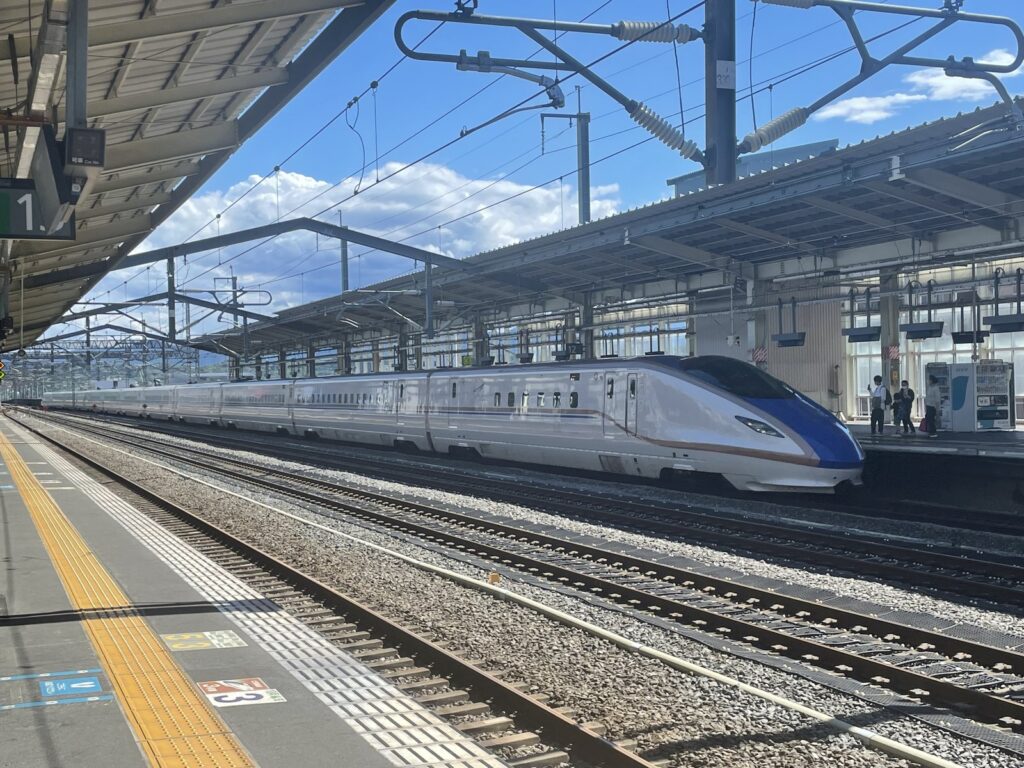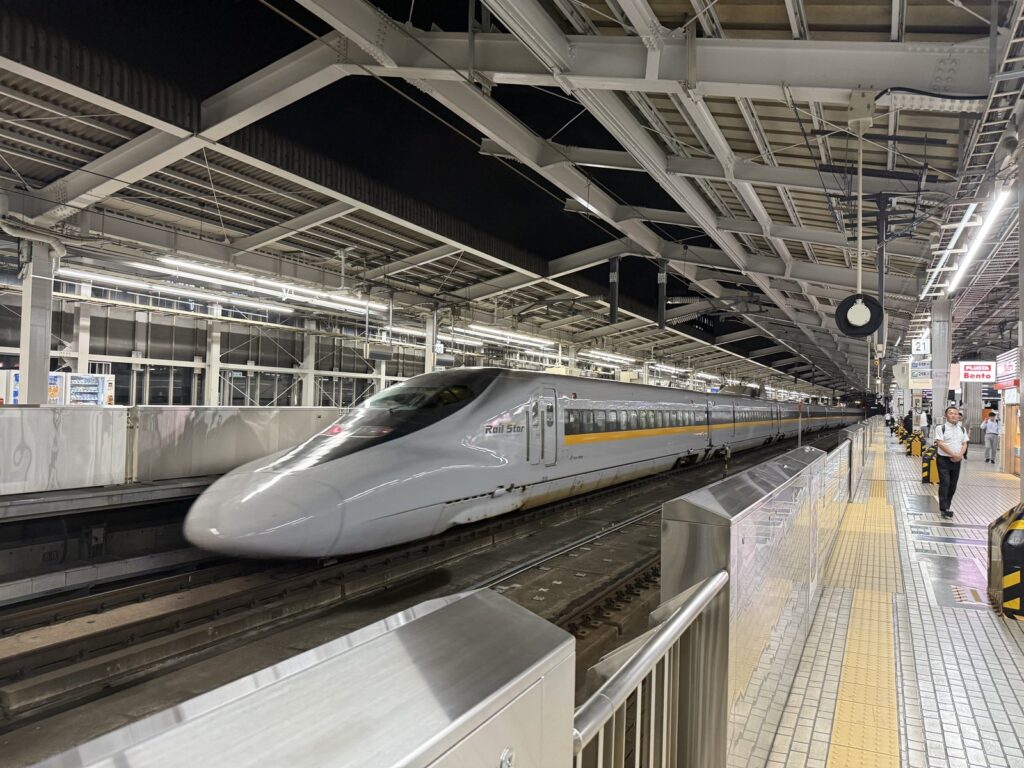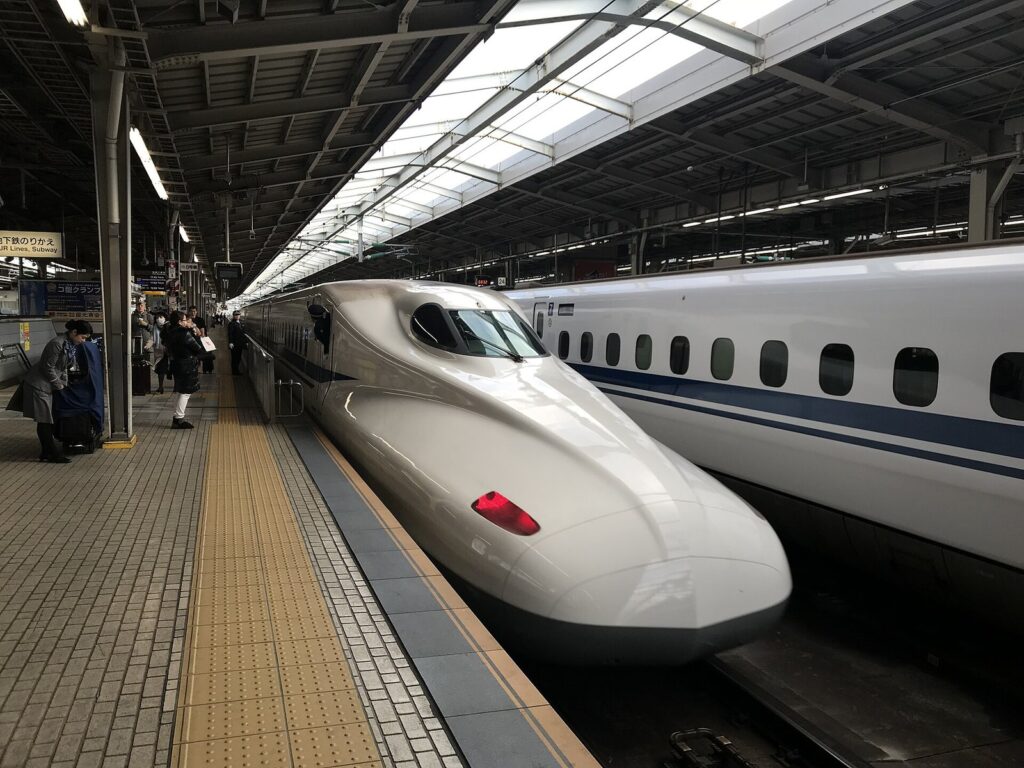
I live in Japan, and Kyoto to Hiroshima is one of those routes where visitors often over-research a trip that, in practice, takes one decision: do you want the fastest train, the Japan Rail Pass-friendly train, or are you trying to save money and don’t mind losing half a day to a bus seat? There is no wrong answer here — just a trade-off between speed, cost and which ticket you are already holding.
The two Shinkansen options cover almost everyone. The bus exists for a specific kind of traveler, and it is worth knowing who that is before you book it by accident.
The quick answer
- In a hurry, no Japan Rail Pass? Take the Nozomi: about 1 hour 35 minutes, roughly ¥11,000–12,000 one way for a reserved seat.
- Holding a Japan Rail Pass (or buying one)? Take the Hikari: about 1 hour 55 minutes to 2 hours 10 minutes, same stations, fully covered by the pass. Nozomi is not — it is the one Shinkansen service the regular Japan Rail Pass (commonly called the JR Pass) does not cover.
- Budget travel, flexible schedule, don’t mind the time? The highway bus runs Kyoto–Hiroshima in roughly 7 to 8 hours, for about ¥4,000–6,000 one way — a fraction of the train fare if you have the day or night to spare.
- Booking the Shinkansen online in English is straightforward through Klook, which sells reserved seats for this exact route without requiring a trip to a station counter first.
- Prices are 2026 figures and approximate — fares and timetables change, so confirm before you travel.
The options at a glance
| Nozomi | Hikari | Highway bus | |
|---|---|---|---|
| Time | ~1h 35m | ~1h 55m–2h 10m | ~7–8h |
| Cost (one way, reserved) | ~¥11,000–12,000 | ~¥11,000–12,000 | ~¥4,000–6,000 |
| Japan Rail Pass | Not covered | Fully covered | Not applicable |
| Frequency | Every 10–15 min | Every 20–30 min | A few departures a day |
| Best for | Speed, no pass | Pass holders | Tight budgets, overnight travel |
Option 1: Nozomi (the fast one)
The Nozomi is the fastest Shinkansen on the Tokaido-Sanyo line, and between Kyoto and Hiroshima it typically makes only one or two stops — usually Shin-Kobe and Okayama — covering the roughly 380 km in about 1 hour 35 minutes. A reserved ordinary-car seat runs somewhere in the ¥11,000–12,000 range one way; unreserved seats are slightly cheaper but mean standing if the train is full, which happens more often than you’d expect around Golden Week or peak autumn leaf season.
The catch is the one that trips up first-time visitors: the standard Japan Rail Pass does not cover Nozomi. If you are traveling on a pass, boarding this train means paying full fare out of pocket on top of it, which defeats the point. Everyone else — anyone buying individual tickets — can book Nozomi without a second thought.
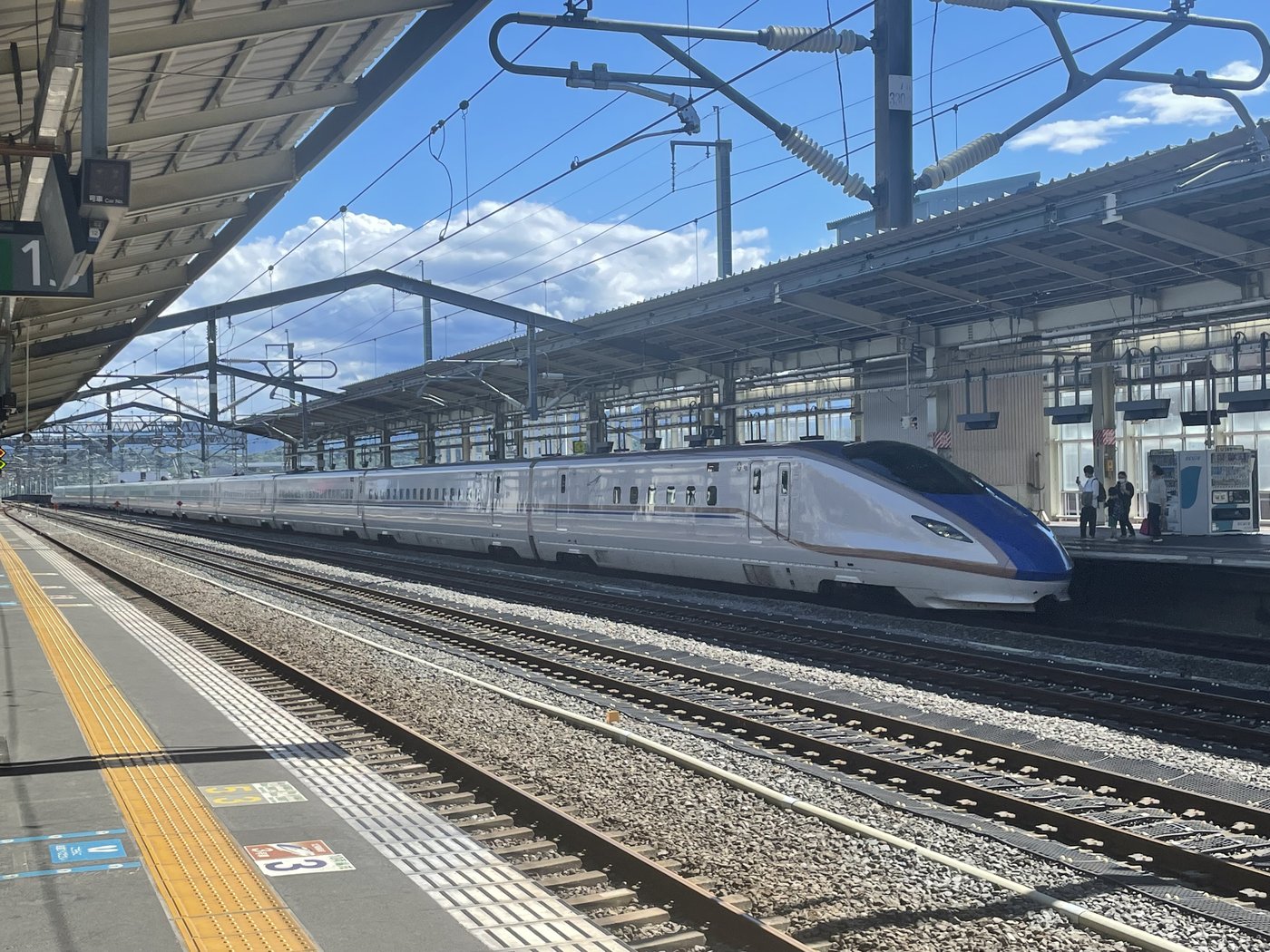
If you have not reserved a Shinkansen seat before, our guide How to Reserve Shinkansen Seats walks through the ticket machines and the English-language booking screens step by step.
👉 Klook Kyoto to Hiroshima shinkansen ticket
Option 2: Hikari (the Japan Rail Pass option)
The Hikari stops more often — Shin-Kobe, Okayama, Fukuyama and a few others depending on the specific service — which stretches the journey to roughly 1 hour 55 minutes to 2 hours 10 minutes. The fare is essentially the same as Nozomi when bought as a standalone ticket, so the only reason to choose it over Nozomi is that it is fully included in the Japan Rail Pass, along with the Sakura and most other Shinkansen services on this stretch.
If you are already weighing whether the pass is worth buying for your trip, our guide Japan Rail Pass 2026: Is It Still Worth It? breaks down the math, and Regional JR Passes: Which One Should You Buy? covers the smaller regional passes that sometimes cover this route more cheaply than the nationwide one. For a single Kyoto–Hiroshima leg bought on its own, 20–30 extra minutes for full pass coverage is an easy trade for most travelers.
Option 3: The highway bus
A handful of operators, most visibly Willer Express, run direct highway buses between Kyoto and Hiroshima, covering the roughly 300 km route in about 7 to 8 hours. Fares run in the rough ¥4,000–6,000 band one way — roughly a third to half of the Shinkansen fare — with a handful of departures a day rather than the Shinkansen’s near-constant service.
This is not a route most visitors should default to: losing most of a day (or a night, if you catch an overnight service) to save a few thousand yen only makes sense on a genuinely tight budget, or if you specifically want the overnight-bus experience and plan to sleep through the ride. Seats recline more than you’d expect and most coaches have power outlets and a toilet on board, but it is still a long way to go sitting down compared to the Shinkansen.
Buses can be booked directly through operator websites; confirm departure terminals before you go, since Kyoto’s bus terminals are a short walk from, rather than inside, Kyoto Station itself.
Onward from Hiroshima
Hiroshima Station connects directly to the local tram network for the Peace Memorial Park and Museum, and to the ferry terminal for Miyajima, the island famous for its floating torii gate — usually a half-day trip tacked onto a Hiroshima stop. Our Hiroshima and Miyajima Guide for First-Timers covers how to fit both into one visit without rushing either.
FAQ
Can I use my Japan Rail Pass on the Nozomi? No. The standard Japan Rail Pass excludes Nozomi and Mizuho services on this line — use Hikari or Sakura instead, which are fully covered and only 20–30 minutes slower.
Do I need to reserve a seat in advance? Not strictly, but reserving is free (it is included in the ticket price either way) and removes the risk of standing during busy periods like cherry blossom or autumn leaf season.
Is the bus actually worth it to save money? Only if you have the spare hours and would rather save roughly half the fare than save time. For most itineraries, the Shinkansen’s speed is worth the extra cost.
How far in advance should I book the Shinkansen? You can usually buy same-day at the station, but booking a few days ahead through Klook or the JR site guarantees a seat during busy travel weeks.
I forgot to pack something for the trip. Is that a problem? Not in Japan — convenience stores, Uniqlo and ChargeSPOT rental stands are everywhere, so a forgotten umbrella, layer or phone charger is never more than a short walk away.
The verdict
If you are buying individual tickets and want to get there fast, take the Nozomi — it is the quickest way to cover this stretch and only a little more than Hikari. If you are holding a Japan Rail Pass, the Hikari is the obvious choice since Nozomi simply is not an option. Save the highway bus for when the schedule, not the budget, is the flexible part of your trip.
Written from Japan by the Wayfarer Japan team. Prices and times are 2026 figures and approximate — always confirm before booking.
Featured image: “201801 Nozomi 10 at Shin-Osaka Station” by MNXANL, CC BY-SA 4.0, via Wikimedia Commons