I live in Japan, and one of the questions I get most from friends planning their first trip here is whether they really need travel insurance. The honest answer is: nobody will check for it at the border, but you’ll be glad you have it the moment something goes wrong. Japan is one of the safest countries you’ll ever visit, but it’s also a country where healthcare is excellent, efficient, and not free for visitors — and the gap between “I have travel insurance” and “I don’t” can be a few thousand dollars wide.
This isn’t a scare piece. Most trips to Japan go perfectly smoothly. But a sprained ankle on the Kumano Kodo, a bad case of food poisoning, or a missed connection because of a typhoon are all things that happen to real travelers every season, and they’re exactly the situations insurance is built for.
The quick answer
- Japan does not legally require tourists to carry travel insurance to enter (unlike, say, Schengen countries).
- Japanese hospitals generally expect payment at the time of treatment and do not bill foreign insurers directly, so you pay first and claim back later.
- A first-time outpatient or ER visit without insurance commonly runs ¥20,000–¥50,000 (roughly $130–$330); hospitalization can run $1,000–$3,000 per day, and an emergency medical flight home can exceed $100,000.
- A solid policy for a two-week trip typically costs $30–$100, depending on your age and coverage level.
- Look for at least $100,000 in emergency medical coverage and $250,000+ for medical evacuation/repatriation.
- Many premium credit cards include some travel insurance automatically — but read the fine print before skipping a dedicated policy.
Why Japanese hospitals catch visitors off guard
Japan’s healthcare system is built around its national health insurance scheme, which covers residents and long-term visa holders at a steep discount. Tourists aren’t part of that system, so hospitals bill foreign visitors the full, undiscounted rate — and in most cases, they’ll ask for it before or immediately after treatment, not weeks later by mail.
This isn’t because Japanese hospitals are trying to catch tourists out — they simply have no mechanism to bill a US, European, or Australian insurer directly the way clinics back home might. You pay, you get an itemized receipt (hospitals are used to providing these for insurance purposes), and you claim reimbursement once you’re home.
A minor clinic visit for a cold is an annoyance you can absorb. Hospitalization after a serious injury is a different story — it can run thousands of dollars per day, and a medical evacuation flight home can run into six figures. This is the scenario dedicated travel insurance exists for: the rare but expensive event, not the cheap but inconvenient one.
What a basic policy actually needs to cover
Not all “travel insurance” is created equal, and a lot of cheap add-on policies sold at checkout on flight or hotel booking sites are thin on medical coverage. When you’re comparing plans for Japan specifically, prioritize:
- Emergency medical coverage of at least $100,000. This is the number that protects you from the worst-case hospital bill.
- Medical evacuation/repatriation of $250,000 or more. If you need to be flown to a hospital that can treat you, or flown home, this is the line item that saves you from a bill that could otherwise bankrupt the trip.
- Trip delay and cancellation, which matters more in Japan than many destinations because of typhoon season (roughly August–October) and the occasional major train disruption from earthquakes or snow.
- Baggage delay or loss, useful if an airline misplaces your bag en route — a genuine inconvenience given how much of a Japan itinerary depends on having the right clothes and gear on day one.
- Adventure activity coverage, if your trip includes anything like climbing Mt. Fuji, skiing in Hokkaido or Nagano, or diving in Okinawa. Many standard policies exclude these unless you add a rider.
What it actually costs
Pricing varies by provider, age, trip length, and coverage level, but as a rough benchmark for 2026:
| Provider type | Typical cost (2-week trip) | Medical coverage |
|---|---|---|
| Basic/budget travel insurance | $30–$60 | $50,000–$100,000 |
| Mid-tier comprehensive plan | $60–$100 | $100,000–$250,000 |
| Nomad-style subscription (e.g. SafetyWing) | ~$2/day (~$63 per 4 weeks for ages 10–39) | Up to $250,000 |
| Adventure-focused plan (e.g. World Nomads Explorer) | $70–$150+ for 2 weeks | $100,000–$300,000 |
Age matters more than almost any other factor. A policy that costs $50 for a traveler in their 20s might cost two or three times that for someone in their 60s, since premiums scale with the statistical likelihood of a medical claim.
Does your credit card already cover you?
Possibly, and it’s worth checking before you buy a separate policy. Many travel rewards credit cards, particularly in the US, Canada, and parts of Europe, include some travel medical or trip-cancellation coverage automatically when you book with that card. The catch: coverage is often thinner than a dedicated policy — lower medical maximums, no evacuation coverage, or exclusions for anything adventure-related like hiking Mt. Fuji or skiing.
Before relying on card coverage alone, check three things: the actual medical limit (often buried in the benefits guide), whether evacuation is included at all, and whether pre-existing conditions are excluded. If it looks thin, a cheap standalone policy to supplement it is usually worth the $30–$50.
Special cases worth planning for
Climbing Mt. Fuji or other mountain trails. Standard policies sometimes exclude high-altitude trekking or classify mountain climbing as an “adventure sport” requiring an add-on. If you’re summiting Fuji during the short official climbing season, confirm mountain rescue is covered specifically.
Skiing or snowboarding. Hokkaido and Nagano’s resorts draw huge numbers of foreign visitors every winter, and ski injuries are a common reason tourists file claims in Japan. Make sure winter sports are explicitly included, not assumed.
Pre-existing conditions. Most budget and mid-tier policies exclude these by default. Look for a plan offering a waiver, usually available if you buy within a set window (often 14–21 days) of booking your trip.
Long or multi-entry trips. For a month or more in Japan, or stops elsewhere in Asia too, a subscription-style policy like SafetyWing can beat a single fixed-dates policy, and it flexes if your return date shifts.
How to actually buy a policy
- Compare 2–3 providers, not just the first one your airline or booking site offers at checkout.
- Check medical and evacuation limits first, not the price — a cheap policy with a low medical cap isn’t actually cheap if you need to use it.
- Buy it as soon as you book your trip, especially for pre-existing condition waivers or cancellation coverage.
- Save a digital and printed copy of your policy number and the insurer’s emergency line.
- Know the claims process in advance — most insurers want itemized receipts and, for anything serious, a doctor’s report, which Japanese clinics are well set up to provide.
FAQ
Do I need travel insurance to get a tourist visa or enter Japan?
No. Short-term tourist entry to Japan does not require proof of travel insurance, unlike some other regions. It’s about risk management, not a border requirement.
Will Japanese hospitals accept my home insurance directly?
Almost never for a short-term visit. Expect to pay at the time of treatment and claim reimbursement from your insurer afterward. Keep every receipt and itemized bill.
Is an annual multi-trip policy worth it if I visit Japan often?
If you take two or more international trips a year, an annual policy is often cheaper overall than single-trip coverage each time.
What about illness-related trip cancellations?
Coverage varies a lot by provider, so read the policy wording specifically rather than assuming it’s included.
Does travel insurance cover a missed shinkansen connection?
That’s a trip-delay benefit, not a medical one — worth checking separately if your itinerary has tight connections.
The verdict
You won’t be asked for proof of travel insurance at immigration, and the vast majority of trips to Japan need nothing more than a passport and a packed bag — see our full Japan Packing List if you haven’t finished that yet. But Japan’s combination of excellent, efficient healthcare and out-of-pocket billing for foreign visitors makes insurance one of the cheapest forms of risk management you can buy for a trip here. Spend the $30–$100, check the medical and evacuation limits before the price tag, and you can stop thinking about it entirely for the rest of the trip — which is really the point. If you’re still finalizing the rest of your prep, our First-Timer’s Japan FAQ and How Much Does a Trip to Japan Cost guides cover most of the other questions that come up before a first visit.
Written from Japan by the Wayfarer Japan team — practical, honest travel guidance from people who actually live here.
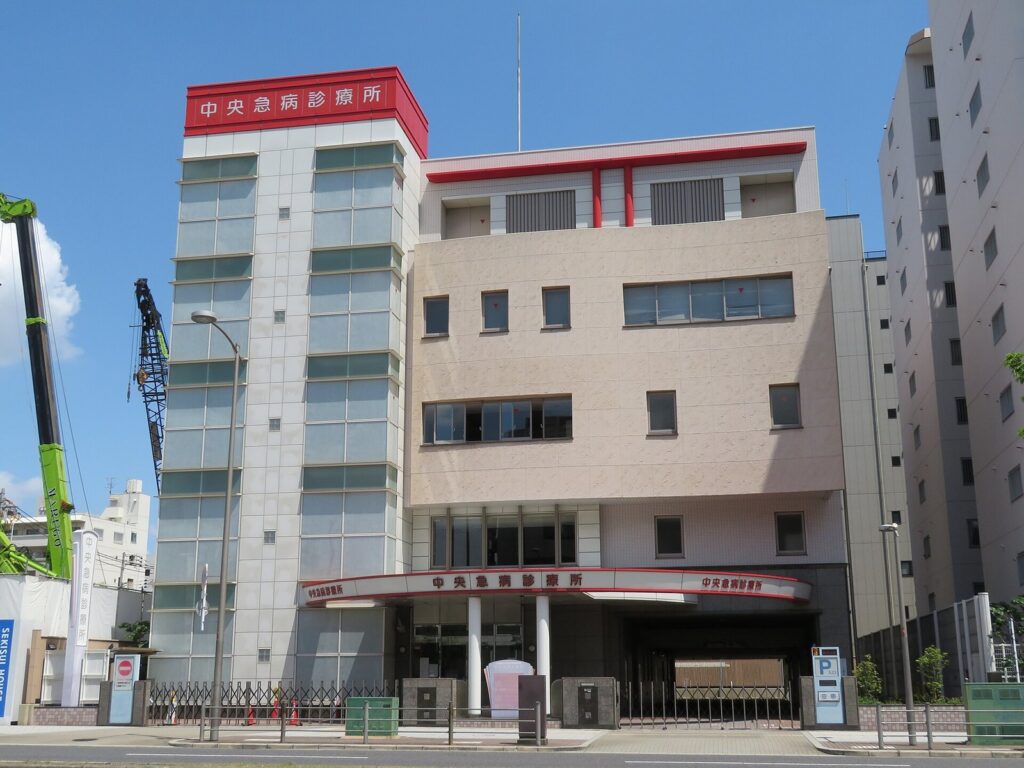
Featured image: “Chuo Emergency Medical Clinic” by KishujiRapid, CC BY-SA 4.0, via Wikimedia Commons