I live in Japan, and one of the first things that struck me as an outsider was how seriously bathing is taken here. Not showering — bathing. Sitting in hot water, often with strangers, in near-total silence, is treated less like hygiene and more like something close to a sacrament. It took me a while to understand why, and longer still to stop feeling self-conscious about it.
This isn’t a how-to-visit-your-first-onsen piece — if you want the practical rules, towel etiquette, and tattoo workarounds, there’s a separate guide for that. This is about where the custom actually comes from, and why it has survived industrialization, modernization, and the private bathroom.
The quick answer
- Japan sits on one of the most volcanically active landmasses on Earth, so natural hot springs (onsen) have been part of daily life for at least 1,300 years, possibly closer to 3,000.
- Bathing in Japan was never purely about getting clean — Shinto ideas about purification (misogi) tied washing the body to washing away spiritual impurity, long before germ theory existed.
- Urban sento (public neighborhood bathhouses) rose during the Edo period because most homes had no bath, and they became as much a social institution as a washing one.
- Sento numbers have collapsed as private bathrooms became standard — Tokyo had over 2,600 in the 1960s and roughly 400 today, a decline of more than 80 percent.
- The etiquette (wash before soaking, no soap in the tub, quiet voices) comes directly from the idea that the bathwater itself is shared and must stay clean for everyone after you.
A geological head start
Japan’s bathing culture starts with geography, not philosophy. The country lies along the Pacific Ring of Fire, with thousands of hot springs bubbling up naturally across the archipelago. Dōgo Onsen in Matsuyama, on Shikoku, is usually cited as the oldest in the country — it appears in Japan’s earliest written chronicles, with some sources tracing its use back roughly 3,000 years, and legend holding that Prince Shōtoku bathed there in the 7th century. The current wooden bathhouse building dates only to 1894, but people have been soaking on that same spot for a very long time before that.
When hot water is simply coming out of the ground for free, in a country prone to long, damp winters and short, humid summers, it’s not hard to see why bathing became a daily pleasure rather than an occasional chore. What’s more interesting is what happened next — how a geological accident turned into a set of social rules.
Washing as purification, not just hygiene
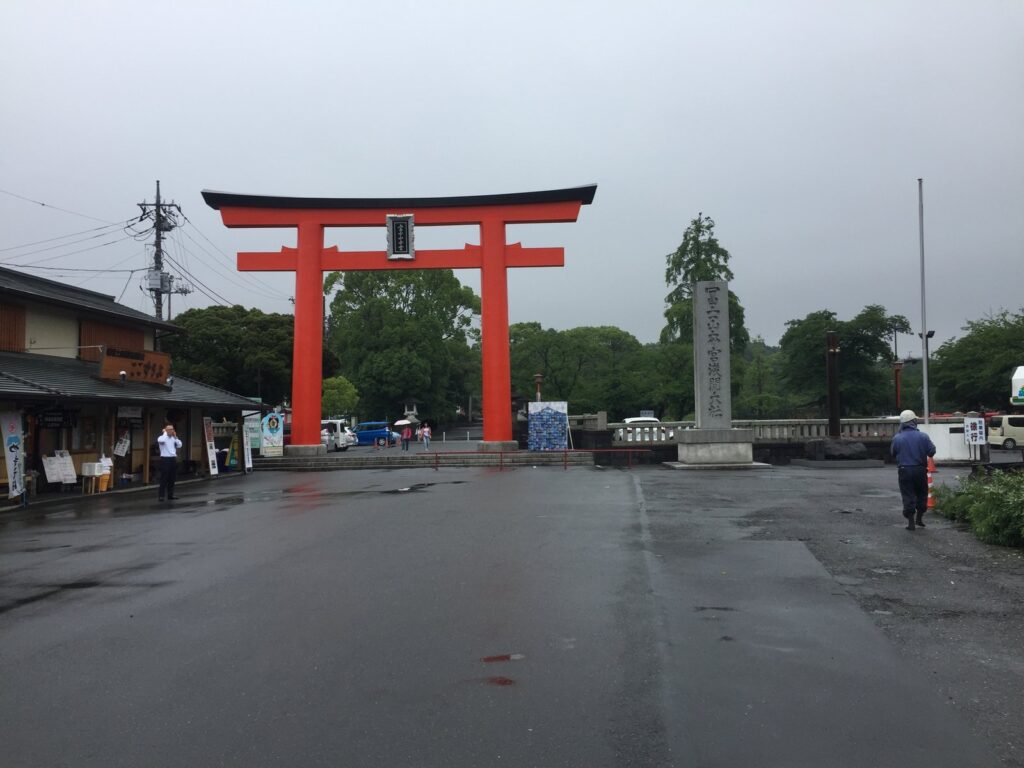
Shinto, Japan’s indigenous belief system, places enormous weight on kegare (impurity or pollution) and the rituals used to remove it, broadly called misogi and harae. Water is the primary tool for this. You’ll see the smaller version of this every time you visit a shrine — the stone basin (temizuya) near the entrance where visitors rinse their hands and mouth before approaching the main hall, discussed in more depth in our guide to shrines and Shinto mythology.
Bathing in hot water is the domestic, full-body extension of that same idea. Historically, it wasn’t only about physical dirt — it was about resetting yourself, washing off the accumulated grime of the outside world before you could be considered properly clean, calm, or presentable. That’s part of why bathing in Japan tends to happen at the end of the day rather than the start of it, and why it’s unhurried. You wash your body separately, thoroughly, sitting on a small stool outside the tub, and only get into the hot water once you’re already clean. The soak itself isn’t for washing — it’s for sitting still.
The sento: bathing as a neighborhood institution
Natural onsen are mostly rural or semi-rural — they exist where the geology allows. Cities needed something else, and that something was the sento: a public bathhouse, usually within walking distance of a residential block, heated artificially rather than fed by a hot spring.
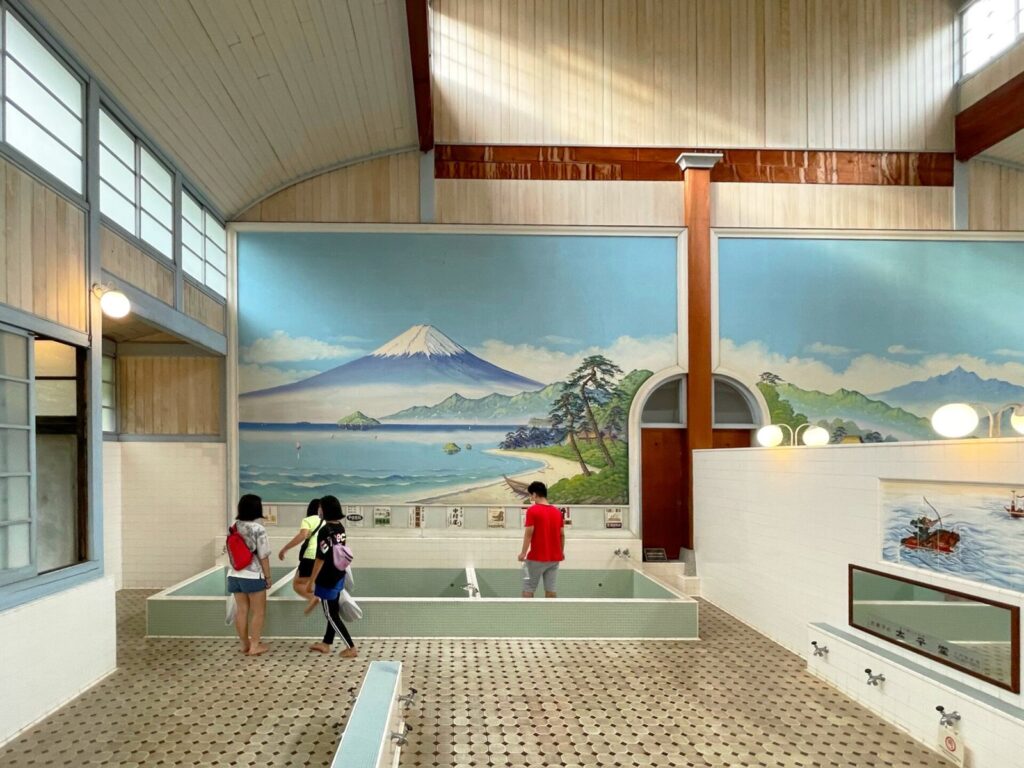
Sento became common in the Edo period (1603–1868), when most ordinary homes in growing cities like Edo (old Tokyo) had no bath of their own. Going to the sento wasn’t a treat, it was Tuesday. You’d see the same neighbors there most evenings. Many sento developed the tall chimney and the iconic sentō-e mural — almost always a painting of Mt. Fuji — on the wall above the bathing area, a tradition that started in the early 20th century and somehow never went away, even as the style of everything else around it changed.
That communal, unglamorous, slightly gossipy version of bathing is the one that built the etiquette most visitors encounter today, whether they’re at a city sento or a resort onsen: wash first, rinse your stool and bucket when you’re done with them, keep your towel out of the water, and keep your voice down. None of it is really about rules for their own sake — it’s about the fact that the water is shared by everyone who comes after you, and the floor and benches are shared by everyone sitting near you right now.
A disappearing institution
Here’s the part that surprised me most as a resident: sento are dying out, fast. Tokyo had more than 2,600 public bathhouses at their peak in the 1960s. By 2025 that number had fallen to roughly 400 — a decline of more than 80 percent over fifty years. The reason is almost entirely mundane: once private bathrooms became standard in Japanese apartments and houses from the 1970s onward, the practical need for a neighborhood bath evaporated. What’s left now survives mostly on nostalgia, an aging customer base, and in recent years, a push to bring in tourists — Tokyo even ran a “Welcome Sento” campaign offering visitors discounted entry to experience one before they disappear entirely.
If a sento still exists near where you’re staying in Tokyo, Osaka, or Kyoto, it’s genuinely worth the detour. Entry is usually a few hundred yen, there’s no reservation needed, and it’s one of the few places left where you’ll be soaking next to retirees who’ve been coming to the same bath for forty years, not other tourists.
Onsen vs. sento vs. your hotel’s “onsen-style” bath
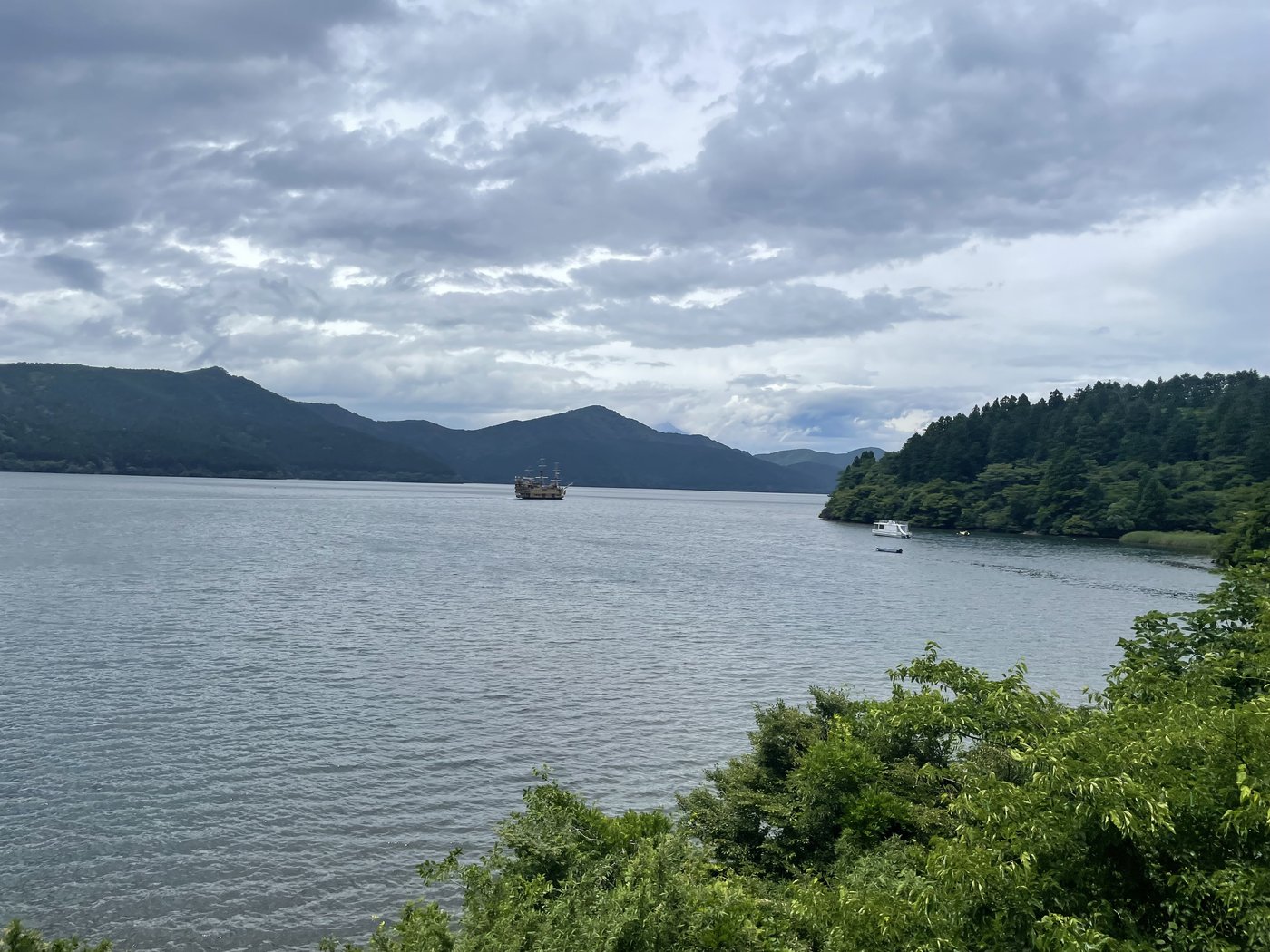
The word onsen technically means a hot spring — the water has to come from a specific mineral-rich natural source, and by law it must meet minimum temperature and mineral-content thresholds to legally use the name. Sento, by contrast, is just heated tap water in an urban bathhouse. Hotels sometimes advertise an “onsen-style” bath that isn’t drawing from a real spring at all — not dishonest, exactly, just a different thing wearing the same aesthetic. If you’re chasing the real mineral-spring experience, places like Hakone, Kinosaki, or Beppu are built directly on top of active hot spring sources, which is a different trip than a city hotel bath.
What’s changed for visitors in 2026
The one piece of onsen etiquette that trips up the most travelers — the traditional ban on visible tattoos, originally meant to exclude organized crime members — has been loosening noticeably. Roughly half of onsen facilities nationwide now accept tattooed guests in some form, up from around 30 percent just a few years ago, and Japan’s tourism authorities have actively encouraged operators to reconsider blanket bans given how many international visitors have tattoos with no connection to anything the rule was meant to stop. Some towns, like Kinosaki Onsen in Hyōgo, now accept tattooed guests at every one of their public baths. Private baths (kashikiri-buro), bookable by the room rather than shared, remain a reliable workaround everywhere else and are common at ryokan — see our guide to hotel vs. ryokan for how that style of stay works.
FAQ
Is bathing in Japan always gender-separated? Almost always, yes, at public sento and onsen. Mixed-gender bathing (konyoku) still exists at a small number of rural, often very old, onsen, but it’s rare and not something most visitors will encounter by accident.
Do I have to bathe fully naked? At a traditional sento or onsen, yes — swimsuits aren’t worn in the water itself, though a small modesty towel is normal for walking between areas. Some newer “super sento” complexes and a handful of mixed-gender or family baths do allow swimwear, so check signage if you’re unsure.
Why is there always a painting of Mt. Fuji in sento? It became a decorative tradition in the early 1900s, reportedly starting with one painter at a Tokyo sento, and simply never stopped. It’s now considered as much a part of the sento aesthetic as the hot water itself — a small, oddly touching detail covered more in our piece on Mount Fuji’s cultural significance.
Is it rude to ask questions or chat in the bath? Not rude, just uncommon. Quiet, low conversation happens, especially at neighborhood sento among regulars, but most bathers keep to themselves. Loud talk, phones, or photography are not acceptable anywhere in a bathing area.
The verdict
The mechanics of Japanese bathing — strip, wash, rinse, soak — are simple enough to learn in five minutes. What takes longer to understand is why it feels the way it does: unhurried, quiet, slightly ceremonial, even in a basic neighborhood sento with cracked tile and a faded Mt. Fuji mural. That feeling isn’t an accident of design. It’s the residue of a thousand years of treating hot water as something that cleans more than skin. Whether you experience it at a volcanic onsen in Hakone or a disappearing sento in a Tokyo side street, you’re taking part in something that’s been quietly shrinking for decades — which is, honestly, more reason to go.
Written from Japan by the Wayfarer Japan team — practical, honest travel guidance from people who actually live here.