I live in Japan, and New Chitose is one of the few major airports in the country that isn’t inside, or right next to, the city it serves. Hokkaido’s biggest airport sits about 45 kilometres south of Sapporo, out past Chitose city, which surprises first-time visitors who assume it will be a quick hop like Haneda or Kansai. It isn’t — but it also isn’t complicated. There is one obvious train, one useful bus, and a taxi option for anyone travelling heavy or late.
The quick answer
- Default choice for almost everyone: the JR Rapid Airport train direct to Sapporo Station — about 33–37 minutes, roughly ¥1,230–1,500 one way, running every 10–15 minutes for most of the day.
- Heading straight to Susukino or Odori, not just the station? The airport limousine bus (Chuo Bus / Hokuto Kotsu, run jointly) drops you closer to the nightlife and hotel district for about ¥1,500, taking 70–90 minutes depending on traffic.
- Travelling as a family, arriving very late, or connecting on to somewhere the bus doesn’t reach? A taxi runs roughly ¥13,000–19,000 plus expressway tolls and takes about 70–80 minutes — book ahead rather than expecting a long rank at the terminal.
- Holding a Japan Rail Pass (commonly called the JR Pass)? The Rapid Airport train is a JR service, so a valid pass covers it — one of the easier legs to use it on, if you already have it activated.
- Continuing on to Otaru or Niseko instead of Sapporo? The same train continues through to Otaru (about 70 minutes total), and several direct buses to Niseko run seasonally straight from the airport — you don’t need to detour into Sapporo first.
Prices are 2026 figures and approximate — fares and timetables get revised, so check the operator’s site before you travel.
The options at a glance
| JR Rapid Airport | Limousine bus | Taxi | |
|---|---|---|---|
| Time to central Sapporo | 33–37 min | 70–90 min | 70–80 min |
| Cost (one way) | ~¥1,230–1,500 | ~¥1,500 | ~¥13,000–19,000 + tolls |
| Drop-off | Sapporo Station | Sapporo Station, Odori, Susukino, hotels | Anywhere |
| Luggage | On board with you | In the hold | Boot |
| Frequency | Every 10–15 min (daytime) | Roughly every 10–20 min | On demand |
| JR Pass | Covered | Not covered | Not covered |
Option 1: The JR Rapid Airport train (what I would take)
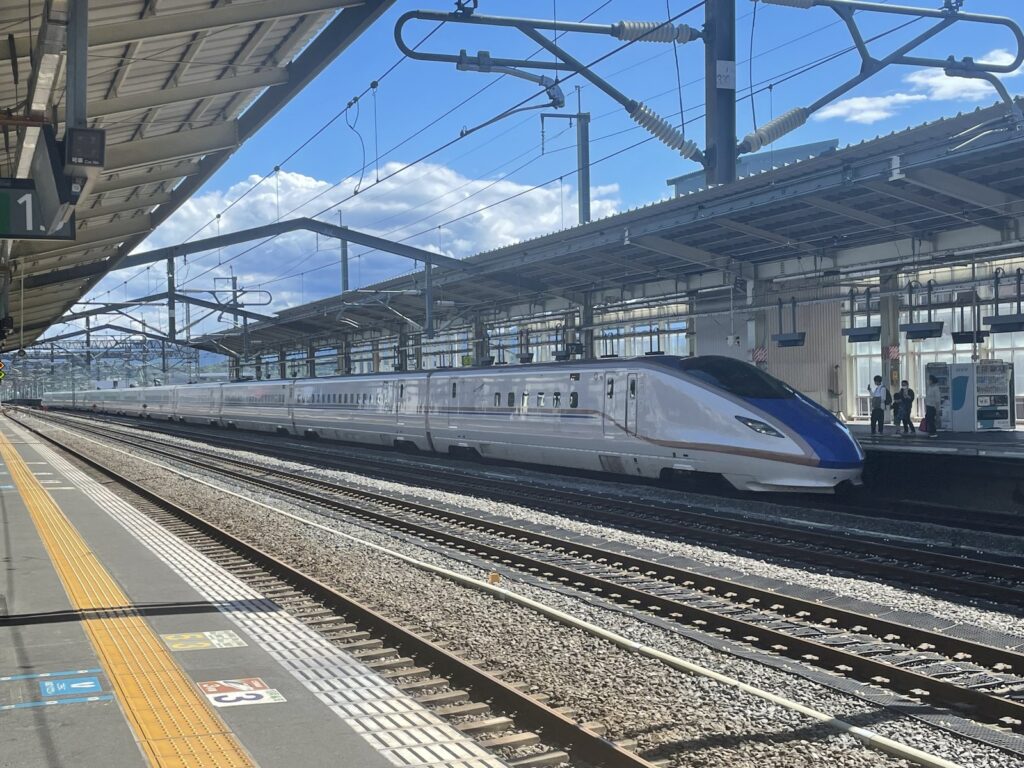
New Chitose Airport Station sits directly beneath the terminal, one level down via escalator from arrivals — you don’t go outside at any point. The Rapid Airport service runs straight up the Chitose Line to Sapporo Station, with a faster Special Rapid variant that skips a couple of stops and shaves a few minutes off the trip. Either way you’re looking at 33 to 37 minutes, with departures roughly every 10 to 15 minutes through the middle of the day, thinning out somewhat in the early morning and late evening.
The unreserved fare is around ¥1,230, though some current listings show closer to ¥1,430–1,500 after a fare revision — treat any number you read as a starting point and confirm on JR Hokkaido’s own site or at the ticket machine. A small number of seats in the U Seat reserved car cost a little extra and guarantee you a seat with a table, worth it if you’re carrying a lot of gear.
Tap in with Suica or any nationally compatible IC card, or buy a paper ticket from the machines by the platform gates. Our guide Japan’s Trains Explained covers IC cards alongside JR, private lines and subways, and Suica vs PASMO vs Welcome Suica walks through which one to get.
If you’re holding a Japan Rail Pass, this is an easy leg to use it on — the Rapid Airport is a JR Hokkaido service, so a valid pass covers the ride with no supplement. Still deciding whether the pass is worth buying at all? Japan Rail Pass 2026: Is It Still Worth It? runs the numbers.
Option 2: The airport limousine bus
New Chitose’s limousine bus is run jointly by Hokkaido Chuo Bus and Hokuto Kotsu, and the two companies’ buses share the same stops, so you can board whichever one turns up first. Buses leave from the arrivals level and run to a long list of stops through central Sapporo — Sapporo Station, Odori Park, Susukino, and a string of major hotels along the way — which is the bus’s real advantage: you can often get off within a couple of minutes’ walk of your hotel door instead of transferring at the station.
The trade-off is time. Expect 70 to 90 minutes depending on traffic on the expressway into the city, longer during heavy snow in winter or holiday weekends. The fare to central Sapporo stops runs around ¥1,500 for adults, with a lower child fare, and you pay with cash, an IC card or a contactless card as you board or at the terminal counter. Luggage goes in the hold, so there’s no wrestling a suitcase down the aisle.
This is the option I’d point a family towards over the train — one seat, bags out of the way, and a stop that might put you right outside your hotel rather than at the station a taxi ride from your room.
Option 3: Taxi and pre-booked transfers
At roughly 45 kilometres and up to an hour and a half in bad traffic, this is a genuinely long taxi ride by Japanese standards, and it prices accordingly. Metered fares to central Sapporo run somewhere in the ¥13,000 to ¥19,000 range plus expressway tolls, and some operators offer a fixed or discounted flat rate worth asking about when you book. Pre-booking a transfer is the safer move for this distance rather than gambling on the rank — it’s the option that makes sense for a group splitting the cost, a very late landing, or anyone with young children and a lot of luggage who’d rather not manage a change.
👉 Klook New Chitose Airport private transfer
Getting to your actual destination in Sapporo
Sapporo Station is the hub for the JR train and one stop on the bus route, but it isn’t where most visitors end up staying or eating.
- Odori Park and the TV Tower: one stop south on the Nanboku or Tozai subway line from Sapporo Station, about 3 minutes, or a direct limousine bus stop.
- Susukino (Sapporo’s main dining and nightlife district): two stops on the Nanboku Line from Sapporo Station, about 5 minutes, and also served directly by the limousine bus.
- Sapporo Beer Museum and the Historic Village: best reached by local bus or taxi from Sapporo Station rather than on foot — it’s a bit further out.
- Otaru, the canal town an hour further west: the Rapid Airport train continues through to Otaru without a change, roughly 70 minutes total from the airport — useful if you’re not stopping in Sapporo at all.
- Niseko: in winter, several operators run direct coaches from the airport straight to the Niseko resorts, bypassing Sapporo entirely, usually a two-and-a-half to three-hour ride booked well ahead. Outside ski season these thin out or stop, so the fallback is the train to Sapporo or Otaru and a connecting bus or rental car.
Landing late, or leaving early
New Chitose is a major hub but not a 24-hour airport in the way Narita’s terminals can feel — most trains and buses wind down by mid-to-late evening, and services thin out noticeably after the last wave of domestic and international arrivals. If you’re landing very late, a pre-booked taxi transfer or an airport hotel for the night is the reliable plan rather than hoping to catch a late train or bus — check the current JR Hokkaido and Chuo Bus timetables for the exact last departure on your travel date, since these shift with the season. Heading the other way, build in extra time for a Sapporo departure in winter, when snow can slow both the expressway and the train line.
Where to stay if Sapporo is your base
Sapporo Station and Susukino are the two obvious bases. Station-side hotels put you one train ride from the airport and close to the Sapporo Factory and underground shopping arcades that matter a lot in a city with a real winter. Susukino trades a few minutes of extra travel for being in the middle of the restaurants, ramen alleys and bars — genuinely one of the best food districts in the country, not just Hokkaido.
FAQ
Can I use my Japan Rail Pass on this route? Yes. The Rapid Airport train is operated by JR Hokkaido, so a valid Japan Rail Pass covers the ordinary unreserved fare with no supplement.
Do I need to reserve a seat? No, not for the standard cars. A small reserved U Seat section exists for an extra fee if you want a guaranteed seat and a table.
Is the bus or the train better with heavy luggage? The bus, if your hotel is directly on its route — bags go in the hold and you sit once. The train is still easy with luggage; there’s just no dedicated storage car, so you keep your bag with you.
How far in advance should I book a taxi transfer? At least a day ahead for a standard booking, and further out around major holidays or snow season, when demand for transfers into Sapporo is highest.
What if I’m connecting on to Otaru or Niseko and skipping Sapporo? The same train continues to Otaru without a change. For Niseko, check whether a seasonal direct coach is running from the airport before defaulting to a Sapporo transfer.
Do I need cash? Not really. IC cards and contactless payment work on the train and bus, and most taxis take cards too. Cash or Card in Japan? covers where cash still matters more than people expect.
The verdict
Take the JR Rapid Airport train to Sapporo Station. It’s fast, frequent, covered by the Japan Rail Pass if you have one, and there’s no reason to overthink it for a solo traveller or couple with normal luggage.
Switch to the limousine bus if your hotel is in Susukino or Odori and you’d rather not change to the subway with bags, and to a pre-booked taxi transfer if you’re travelling as a family, landing very late, or splitting the cost across a group. If Sapporo isn’t even your final stop, remember the train keeps going — straight through to Otaru without a change.
Written from Japan by the Wayfarer Japan team. Prices and times are 2026 figures and approximate — always confirm before booking.
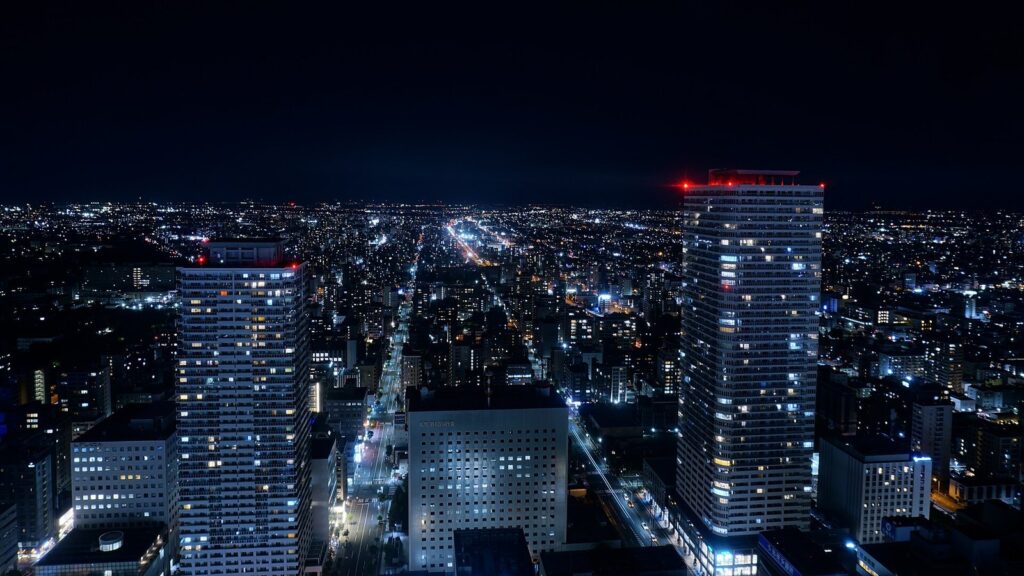
Featured image: “Night cityscape from JR Tower (north side)” by 掬茶, CC BY-SA 4.0, via Wikimedia Commons