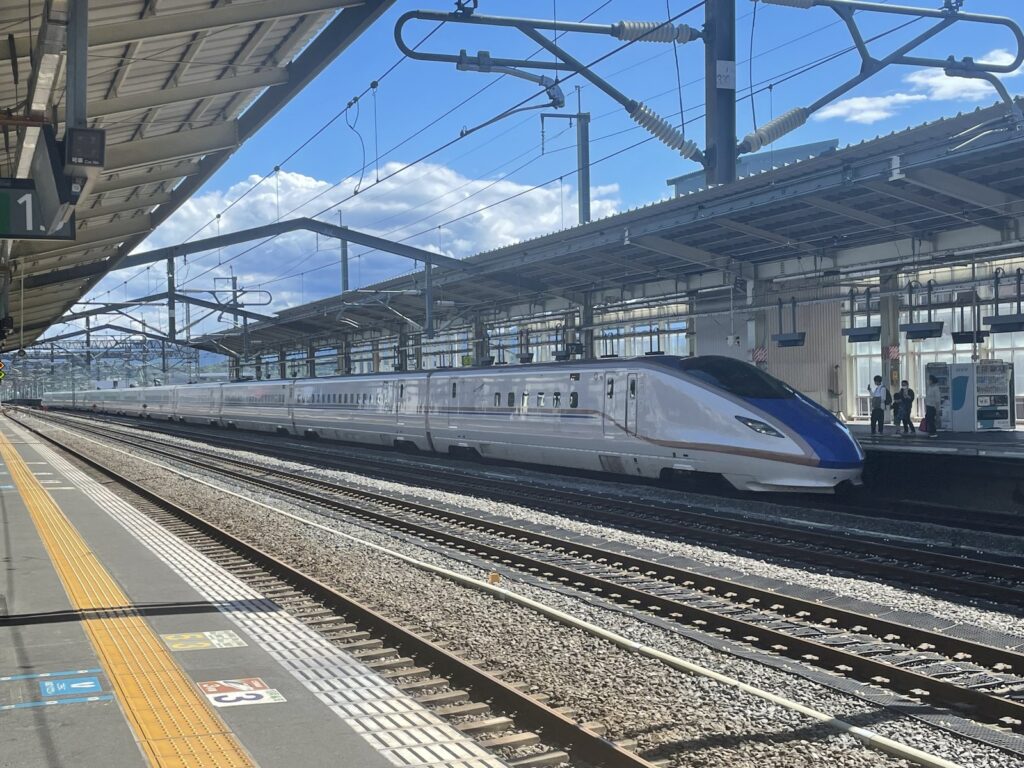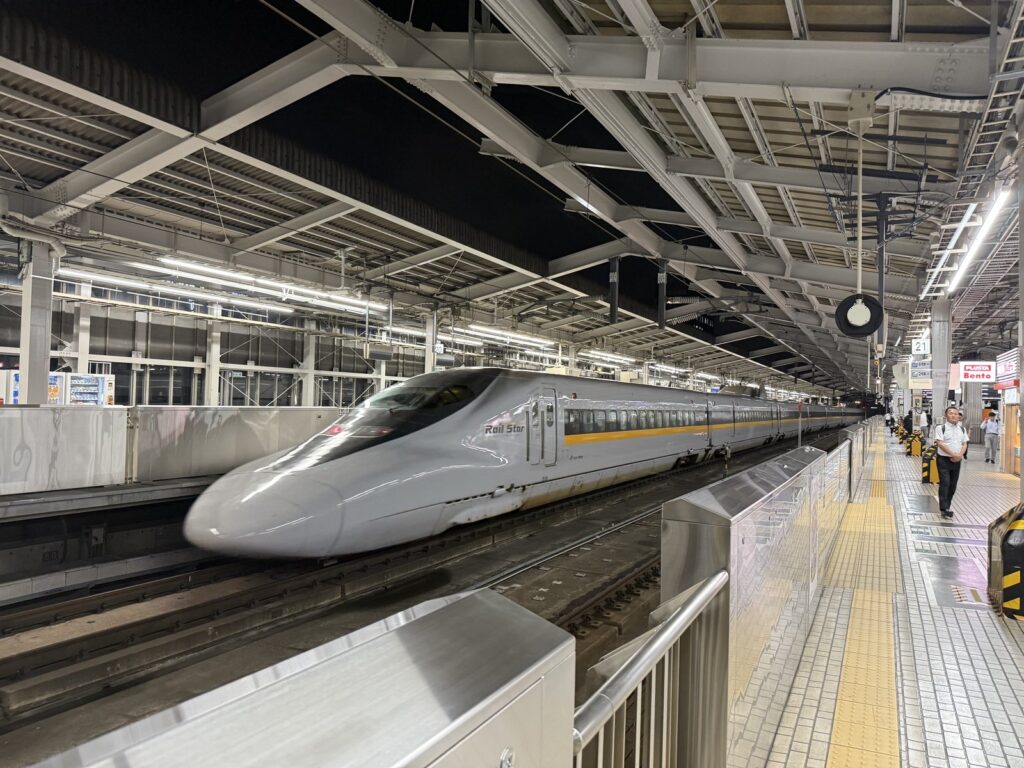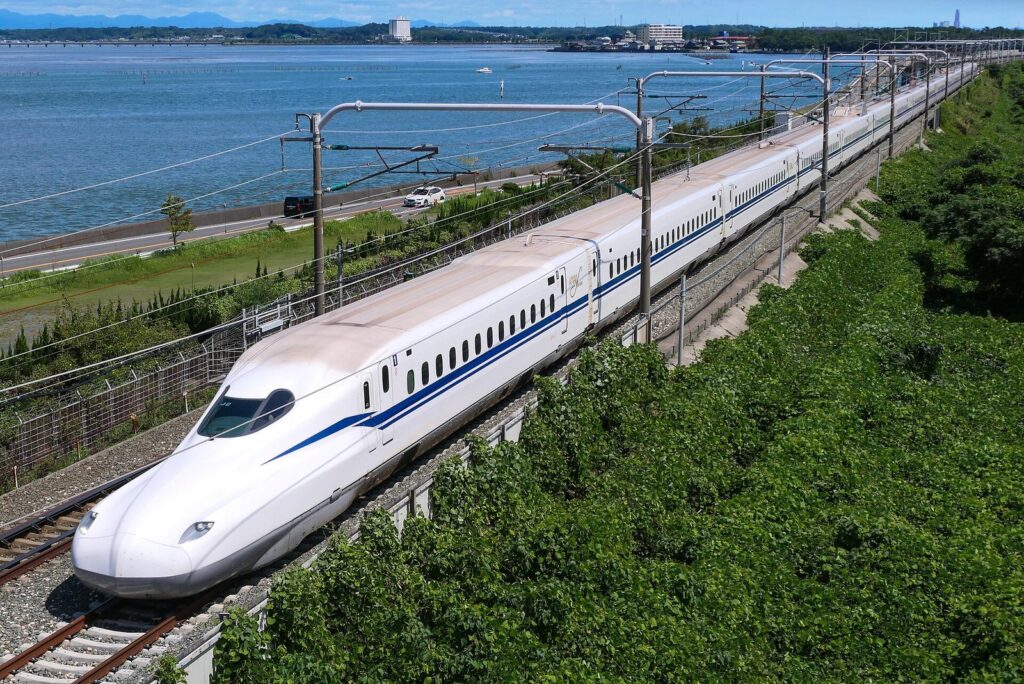
I live in Japan, and Tokyo to Osaka is the domestic trip I make most often. It is also the route where visitors overthink the decision the most, usually because the internet quotes a bullet train time of “two and a half hours” and a flight time of “one hour” and leaves it there. Those two numbers are not comparable. One of them includes everything; the other ignores the two airport transfers, security and boarding time bolted onto either end.
Here is how the three realistic options — Shinkansen, overnight highway bus, and flying — actually compare in 2026, with the prices I would quote a friend before they book.
The quick answer
- Most travelers should take the Shinkansen. About 2 hours 21 minutes on the fastest Nozomi, city center to city center, roughly ¥14,720 for a reserved seat.
- Traveling on a tight budget and happy to sleep sitting up? The overnight highway bus costs roughly ¥3,000–¥10,000 and saves you a night of accommodation.
- Flying only makes sense if you already have miles, find a genuinely cheap fare, or are connecting from another domestic flight. Door to door it rarely beats the train.
- Have a Japan Rail Pass (commonly called the JR Pass)? It covers Hikari and Kodama trains on this route for free, and Nozomi for a ¥4,960 supplement each way.
- Buying a Japan Rail Pass anyway? Prices rise on 1 October 2026 — the 7-day ordinary pass goes from ¥50,000 to ¥53,000. If your trip is close, buying before the change saves real money. See Is the Japan Rail Pass Worth It? first.
All figures below are approximate and move with season, demand and how far ahead you book — check current prices before you commit.
The three options at a glance
| Shinkansen | Overnight bus | Flight (Haneda–Itami) | |
|---|---|---|---|
| Travel time | ~2h 21m (Nozomi) | 8–9 hours | ~1h 10m in the air |
| Realistic door-to-door | ~2h 45m–3h | Overnight, arrive early morning | ~4–4.5 hours |
| One-way cost | ~¥14,720 reserved / ~¥13,870 unreserved | ~¥3,000–¥10,000 | ~¥9,000–¥30,000 depending on airline and timing |
| Luggage | Carry it on yourself, no weight limit | Stowed under the bus | Checked bag rules, LCC fees |
| Best for | Almost everyone | Budget travelers, overnight | Miles users, domestic connections |
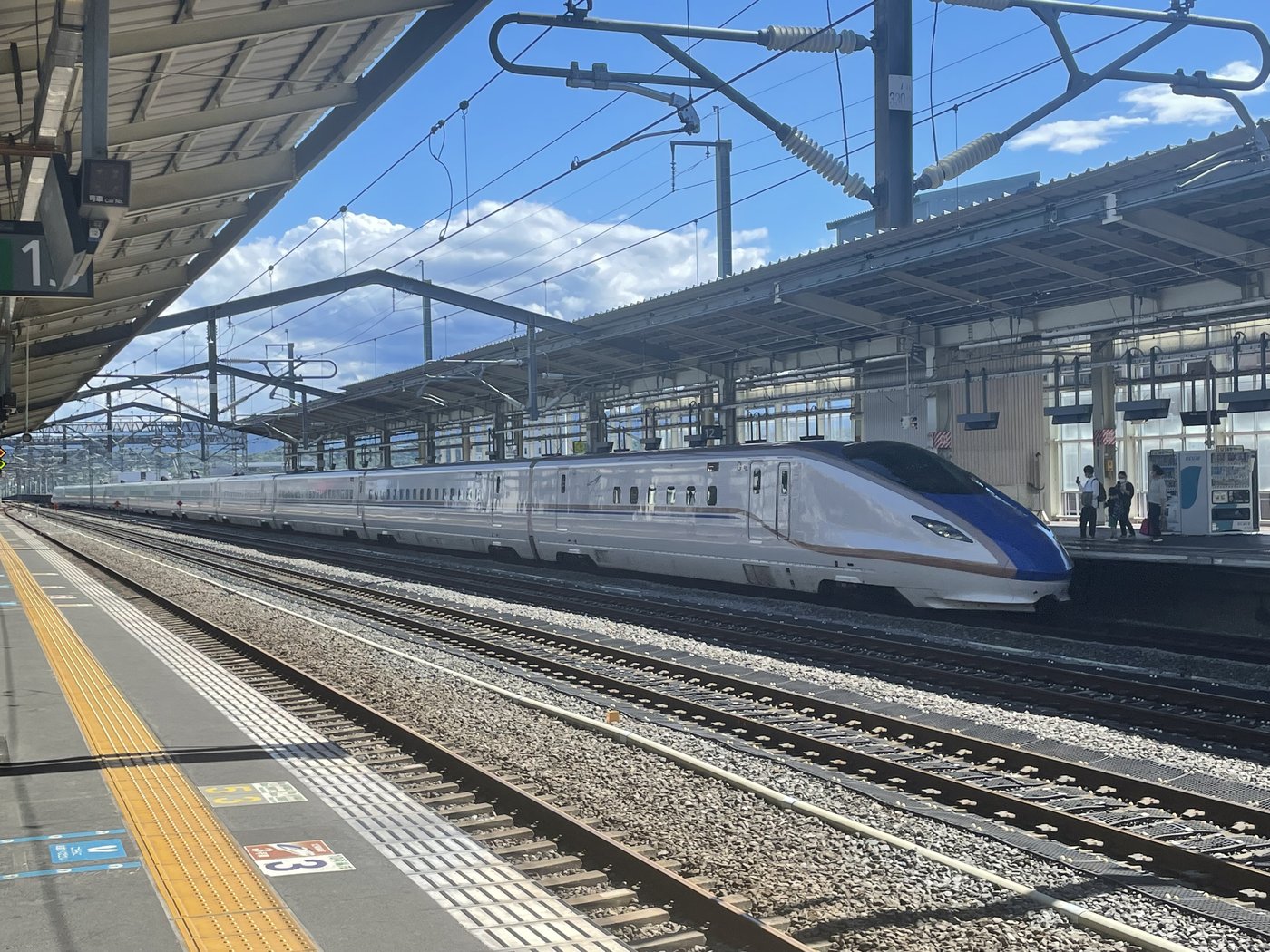
Option 1: The Shinkansen (the default answer)
The Tokaido Shinkansen runs between Tokyo Station and Shin-Osaka Station many times an hour — during the day you rarely wait more than fifteen minutes for the next departure. The fastest service, the Nozomi, does the trip in about 2 hours 21 minutes, stopping only at Shinagawa, Shin-Yokohama, Nagoya and Kyoto.
Fares are fixed and do not surge like airfares:
- Reserved seat (shiteiseki): about ¥14,720 one way in regular season
- Unreserved seat (jiyuseki): about ¥13,870 one way
- Hikari: around 2 hours 50 minutes, same fare, and covered by the Japan Rail Pass
- Kodama: closer to 4 hours, stops everywhere, worth it only for specific discount tickets
A few things I tell every visiting friend:
- Reserve a seat if you are traveling with luggage or during a holiday period. Unreserved cars are fine on a random Tuesday and genuinely stressful during Golden Week or Obon, when Nozomi trains sometimes run all-reserved. Shinkansen Seat Reservation Explained walks through the booking screens.
- Sit on the right-hand side (D or E seats) heading to Osaka for the Mount Fuji view, weather permitting, roughly 40–45 minutes out of Tokyo.
- Oversized luggage has rules. Bags under 160 cm total (length + width + height) can just come on board. Between 160 cm and 250 cm you need a free oversized-baggage seat reservation booked with your ticket — boarding without one means a ¥1,000 charge on the spot. Most standard suitcases are well under the limit; see Japan Luggage Guide if yours is borderline.
- There is no security screening. You walk from the ticket gate to the platform and get on. That single fact is why the train beats the plane on this route.
On the Japan Rail Pass: as a resident I don’t buy one — it is a visitor product and I pay normal fares — but the arithmetic is easy to check. One round trip Tokyo–Osaka costs roughly ¥29,000. A 7-day pass at ¥53,000 from October 2026 only pays off once you add more long-distance legs, such as Hiroshima or a Tokyo–Kyoto–Osaka loop. If Osaka is your only long trip, buy individual tickets. Japan Train Fares Explained breaks down what the base fare and limited express charge actually are.
Option 2: The overnight highway bus (the budget winner)
If money matters more than comfort, nothing else comes close. Operators including Willer Express, JR Bus and a dozen smaller companies run buses from Busta Shinjuku and Tokyo Station down to Osaka’s Umeda, Osaka Station JR Highway Bus Terminal and OCAT in Namba, typically departing between 9pm and midnight and arriving around 6–8am.
- Fares run roughly ¥3,000–¥10,000 one way, depending on operator, seat class and date. Book a few weeks out and off-peak and you can genuinely pay a fifth of the train fare.
- Seat class matters more than the operator. The cheapest four-across seats are a long night. Three-across seats with curtains, or the premium single-seat cabins, cost more but are the difference between arriving rested and arriving broken.
- You save a night of accommodation, which is the real hidden discount — hotel rates in both cities have climbed sharply.
- Prices spike hard during cherry blossom season, Golden Week and Obon, sometimes to two or three times normal.
👉 Klook Tokyo to Osaka bus ticket
I have taken this bus, and my honest verdict is that it works well once, on the way out, when you are young enough or tired enough not to care. I would not do it on the last night before a long-haul flight home.
Option 3: Flying (usually the wrong answer)
Haneda to Osaka Itami is about 1 hour 10 minutes in the air, and ANA and JAL fly it dozens of times a day. The problem is everything either side of that hour: getting to Haneda, arriving 60–75 minutes before departure, waiting for bags, then getting from the airport into the city. Realistically that is a 4 to 4.5 hour day.
- Itami is the good Osaka airport for this. The limousine bus to Osaka Station (Umeda) takes about 25 minutes and costs around ¥650.
- Kansai International (KIX) is much further out — cheap LCC fares from Narita often land there, and the transfer eats the savings. See Kansai Airport to Kyoto and Osaka for those connections.
- Fares swing wildly, roughly ¥9,000 to ¥30,000 or more, and only beat the train when booked far ahead or on an LCC.
Flying is genuinely sensible in one case: you are connecting from another domestic flight, or you have miles burning a hole in your account. Otherwise the train wins.
Where you actually arrive matters
The Shinkansen drops you at Shin-Osaka, which is not central Osaka. It is a transfer station about 10 minutes north of Umeda on the Midosuji subway line, or one stop on a local JR train to Osaka Station. Buses often drop you closer to where you are sleeping — Umeda or Namba — which quietly narrows the time gap.
Pick your hotel by which station you will use most: Umeda for shopping and transport, Namba for nightlife and food. Where to Stay in Osaka covers the trade-offs, and Things to Do in Osaka covers what to do once you drop your bags.
If you are visiting Kyoto on the same trip, note that Kyoto is a Shinkansen stop 15 minutes before Shin-Osaka. Doing Tokyo → Kyoto → Osaka in that order costs almost nothing extra and saves backtracking — see Tokyo to Kyoto and Kyoto to Osaka for those legs.
FAQ
Do I need to book Shinkansen tickets in advance? No. You can buy a ticket at a machine minutes before departure, and there is almost always a train soon. Book ahead if you want a specific seat, are traveling with big luggage, or are moving during a national holiday.
Can I use a Suica or ICOCA card for the Shinkansen? Not for the Shinkansen fare itself unless you have registered a Smart EX or EX-IC account. IC cards work fine for the local trains and subways at both ends — see How to Use Suica in Japan.
Is the unreserved seat risky? Off-peak, no. Cars 1–3 on most Nozomi trains are unreserved; arrive on the platform a few minutes early and you will get a seat. During holiday peaks, reserve.
What about the Osaka side of a Japan Rail Pass? The pass covers the JR Loop Line around Osaka and the Haruka to Kansai Airport, but not the Midosuji subway, which is the line you will use most. Budget for subway fares separately.
Is there a cheap daytime train alternative? There are local-train and discount-ticket routes, but they take 8–9 hours with multiple transfers. The overnight bus is more comfortable and usually cheaper.
The verdict
Take the Shinkansen. For roughly ¥14,720 you get a two-and-a-half-hour trip with no security theatre, no baggage carousel, and stations that are actually in the cities you want to be in. Book the overnight bus if the budget is genuinely tight — the savings are large and real. Fly only if the numbers or your miles make it obvious.
And if you are still weighing a Japan Rail Pass, do it before 1 October 2026, when prices go up, and only after checking that you have enough long-distance legs to justify it.
Written from Japan by the Wayfarer Japan team. Prices and times are approximate for 2026 and change with season and demand — confirm before booking.
Featured image: “Series-N700S-J2” by MaedaAkihiko, CC BY-SA 4.0, via Wikimedia Commons