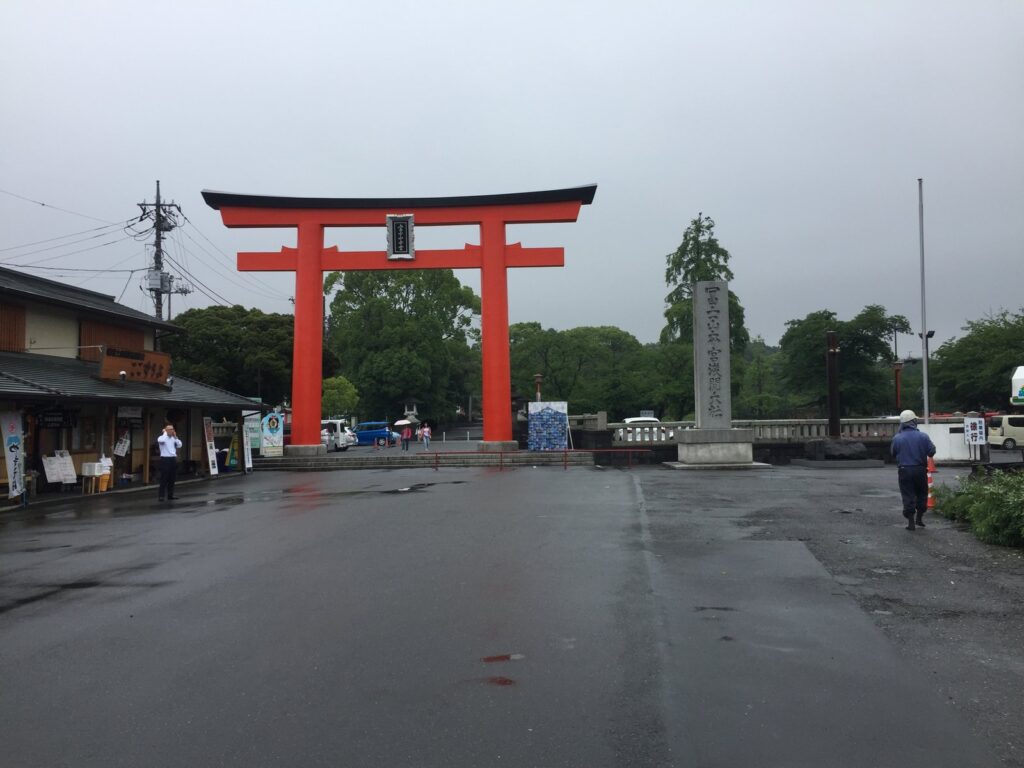
I live in Japan, and I always know a matsuri is coming before I see a poster. The taiko drums start about six weeks out — a few evenings a week, from a community hall or the shrine grounds, badly at first and then not badly. Then the paper lanterns go up on the street poles. Then, one Saturday, forty of my neighbours are in matching cotton coats blocking the road at seven in the morning, and someone’s grandfather is directing traffic with a fan.
Most visitors meet a matsuri as noise, crowds and food stalls, and enjoy it on that level, which is fine. But the whole thing has a structure, and once you can see it you stop watching a party and start watching a ritual — one often a thousand years old and still run by volunteers who live within a few hundred metres of each other.
The quick answer
- A matsuri is a visit from a deity. The word comes from matsuru, to enshrine or to serve a kami. The god is invited out, entertained, and sent back.
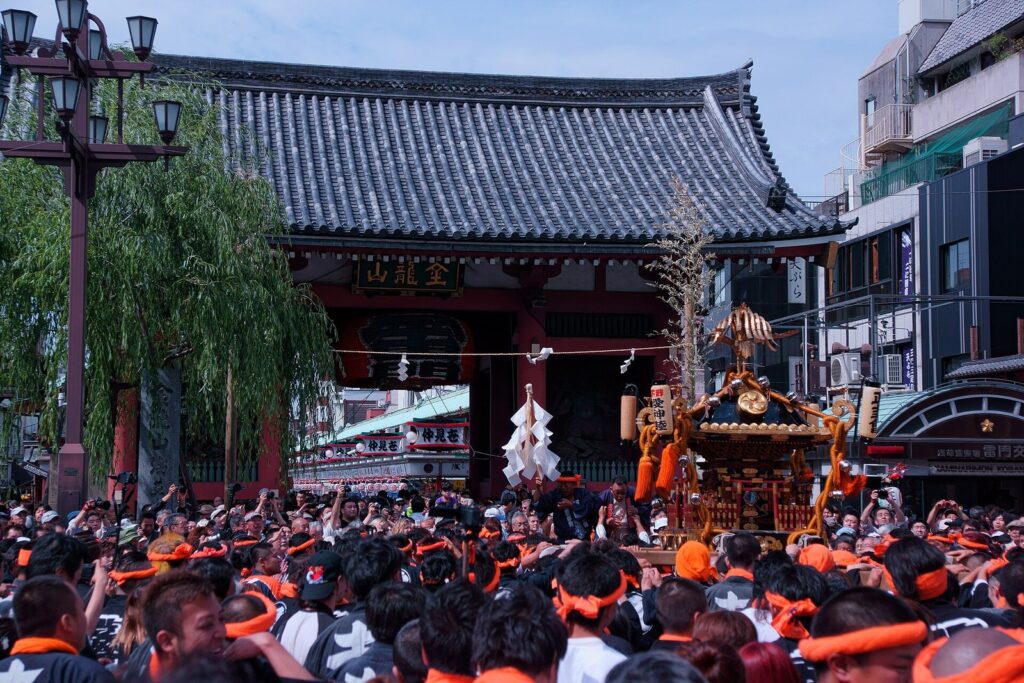
- The mikoshi is the vehicle. That gold box being carried through the street is a portable shrine with the kami inside, touring the neighbourhood it protects.
- The shouting and shaking are not rowdiness. The usual local explanation is that jolting the mikoshi rouses and amplifies the deity’s power.
- Floats came from money, not religion. Merchant districts built enormous wheeled yama, yatai and danjiri to out-do the next neighbourhood. UNESCO listed 33 of these float festivals together in 2016.
- Not every festival is Shinto. The summer bon odori dance in the park is Buddhist — it is for ancestors, not kami.
- Almost all of it is free, run by unpaid neighbourhood associations, and happening somewhere in Japan on any given weekend.
The word itself tells you what it is
Matsuri comes from the verb matsuru — to enshrine, to serve, to make offerings to a deity. The related noun matsurigoto once meant both “ritual” and “government”, written with the character now read as sei in words like politics. In early Japan, serving the gods and running the country were not separate jobs.
That origin explains the shape of every matsuri you will ever attend. It is a hosting. The deity is formally invited out of the shrine’s inner sanctuary, given food, drink, music and entertainment, taken around the district, and then respectfully put back. Everything else — the stalls, the beer, the children in happi coats — grew around that core like a town around a castle.
The people doing the work are the ujiko: the households in the shrine’s parish. They pay small annual dues, they carry the mikoshi, they cook, they run the raffle. When you watch a neighbourhood festival in Tokyo you are watching the block association at work, not a tourism department.
The mikoshi: a god in transit
The most common thing you will see is a mikoshi — a black-and-gold miniature shrine with a phoenix on the roof, hoisted on thick beams by twenty to forty people in matching coats.
During the festival the kami is transferred into the mikoshi and carried on a togyo, a tour of the parish. The god inspects its territory, blesses it, and goes home. The route is not random; it follows the boundaries of the community the shrine has protected for centuries, which is why processions sometimes squeeze down alleys that look far too small for the job.
The lurching, the chanting of wasshoi, the deliberate bouncing — the carriers will tell you that a shaken kami is an energised kami, and an energised kami gives more back to the neighbourhood. It is also, transparently, tremendous fun, and the two have coexisted comfortably for a thousand years. Do not touch a mikoshi or duck in under a beam unless you are invited: some festivals hand outsiders a coat, most reserve the shoulder space for the households who have earned it.
The floats are about civic pride
The other great matsuri object is the float: yamahoko in Kyoto, yatai in Takayama, danjiri in Osaka, dashi in much of the rest of the country. These are not shrine property. They belong to individual neighbourhoods, and they exist because Edo-period merchant districts had money, rivalry and nothing to spend it on that the samurai class would tolerate. The results are extraordinary — multi-storey wooden towers hung with imported tapestries, carved panels and mechanical puppets, some designated National Important Cultural Properties. In 2016 UNESCO inscribed 33 of these float festivals as a single item of Intangible Cultural Heritage.
Kyoto’s Gion Matsuri, the most famous of all, began as crisis management. In 869, during an epidemic, 66 halberds — one for each province of Japan — were erected to placate the vengeful spirits blamed for the plague. The floats you photograph in July are the descendants of that emergency ritual.
The physical opposite is Kishiwada in Osaka, where teams sprint four-tonne danjiri around street corners at full speed in a manoeuvre called yarimawashi. In 2026 the September festival runs 19–20 September, with test pulls on the 18th; watching from the street is free, and grandstand seats start around ¥3,300. Treat all prices and dates here as approximate and confirm before you book anything.
Some of the biggest festivals are not Shinto at all
This trips people up. If you attend a bon odori — the circle dance around a raised platform in a park in July or August — you are at a Buddhist observance. Obon is when ancestors are believed to return home; the dance welcomes them and sees them off. Tokushima’s Awa Odori and every neighbourhood dance in the country grew from that.
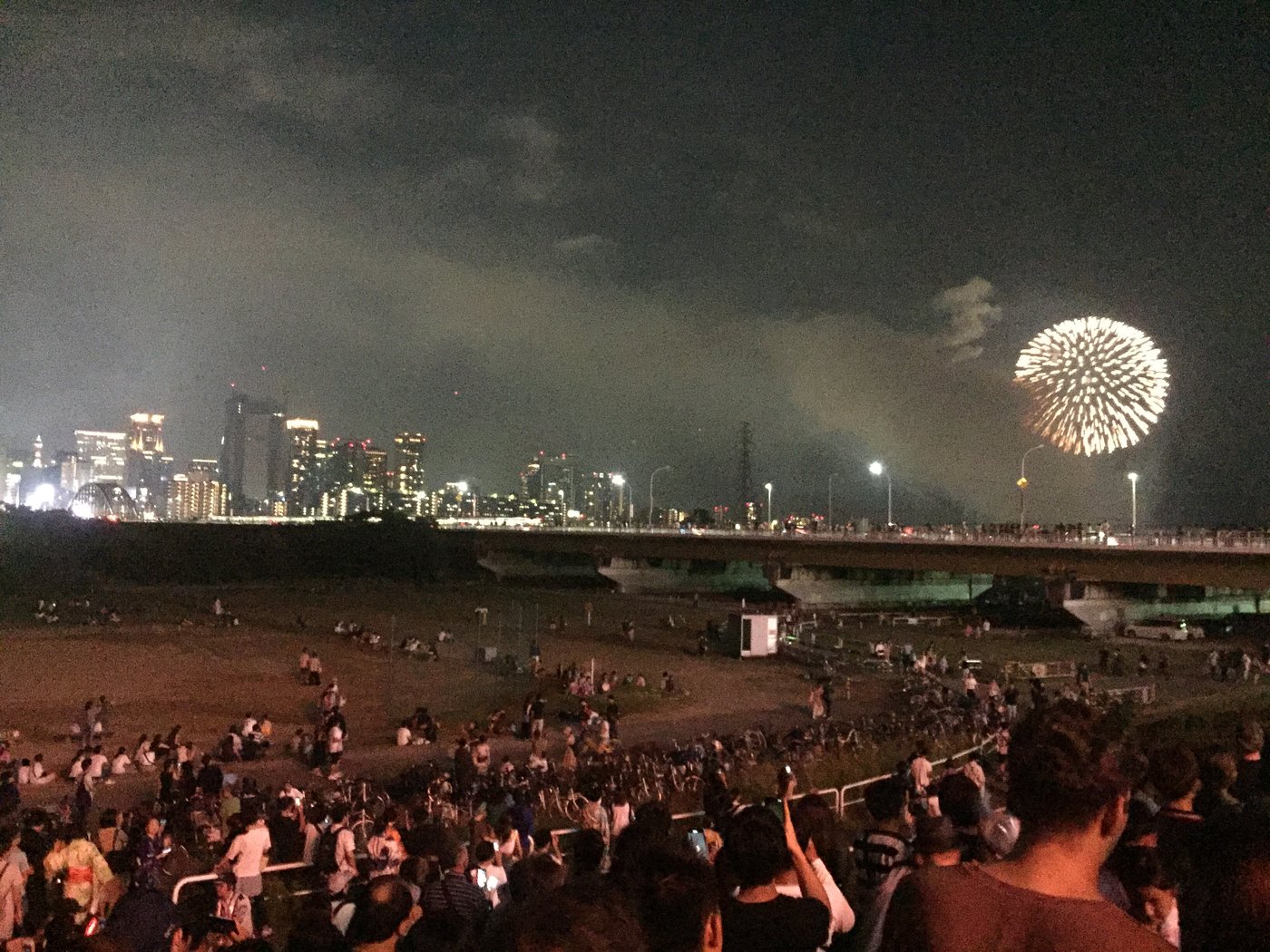
Fireworks are different again: they carry old associations with the dead and with warding off epidemic, but a modern hanabi taikai is a civic event with a budget and a sponsor list, not a rite. For dates, seating and the Obon travel crush, our guide Japan’s Summer Festivals and Fireworks: A First-Timer’s Guide (2026) covers the logistics; if the difference between kami and Buddhas is new to you, Shinto vs Buddhism: Japan’s Two Religions Explained is the shorter road in.
Why festivals cluster where they do in the calendar
The rhythm is agricultural, and it survives in a country where almost nobody farms.
- Spring festivals ask for a good harvest and purify the fields. Kyoto’s Aoi Matsuri in May is the courtly, silent extreme of this.
- Summer festivals are about disease, insects and vengeful spirits — the season when rice rots and people used to die. Gion, Tenjin and most of the great summer matsuri are protective in origin.
- Autumn festivals say thank you. Takayama’s autumn Hachiman Matsuri on 9–10 October runs its eleven carved floats through the old town and lights them with lanterns after dark. The imperial harvest rite of Niiname-sai is still on the calendar as the 23 November public holiday.
- Winter brings fire, purification and new beginnings — including Chichibu’s night festival on 2–3 December, where floats are hauled up a hill against a backdrop of winter fireworks.
Two Tokyo giants, Kanda Matsuri and Sanno Matsuri, alternate years because the Edo shogunate let both parade inside the castle and the cost of doing it annually was ruinous. Kanda takes odd years, so the next full one is May 2027.
How to watch one properly
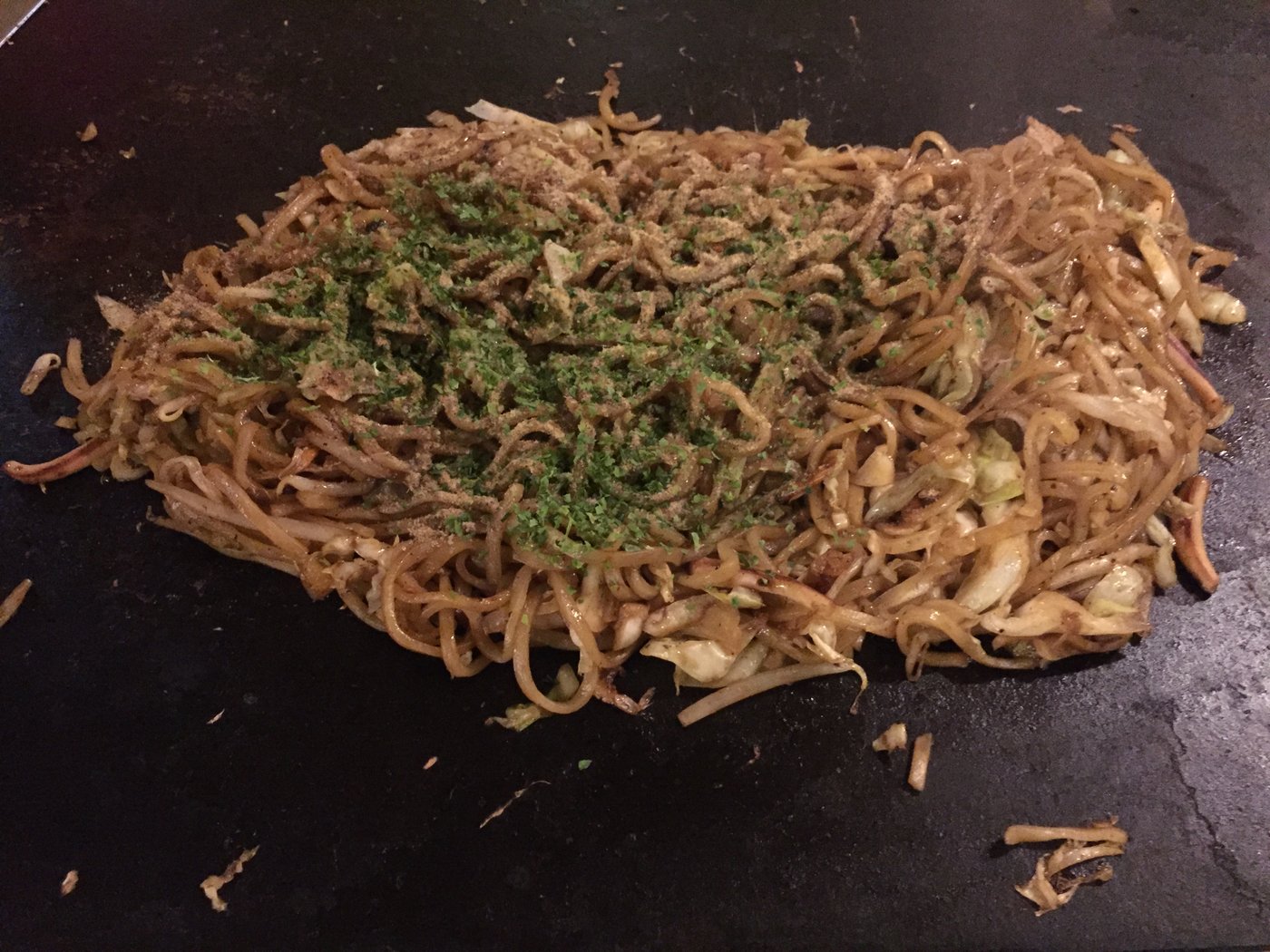
Arrive early rather than late — the ritual parts happen in the morning, the evening is mostly stalls. Buy food; the yakisoba, takoyaki and shaved ice are how the neighbourhood funds next year, and stalls are cash only. Keep clear of the carrying teams, who cannot stop and at Kishiwada genuinely cannot steer. Photograph freely in public, but respect signs inside a shrine’s inner precinct. A quick bow at the gate costs nothing and is noticed; our Japan Etiquette: 15 Dos and Don’ts for Visitors (2026) covers the rest.
And if you miss the famous ones, do not be too disappointed. The small autumn matsuri at the shrine three streets from your hotel — thirty households, one battered mikoshi, a drum on a cart — is the same institution, and you will get much closer to it.
FAQ
Do I need a ticket? Almost never. Streets and shrine grounds are free. Only the largest float festivals sell grandstand seats, and those are a comfort purchase, not a requirement.
Can a foreigner join in? Often, yes, for dancing — Awa Odori has open niwaka-ren groups that anyone can join. Carrying a mikoshi usually requires an invitation or a registered group.
What should I wear? Whatever you like. A yukata is welcome and not appropriation, but in August heat, light normal clothes and good shoes beat the aesthetics. Forgot something? Convenience stores sell fans and cooling sheets, and a Uniqlo will fix any clothing gap in ten minutes.
Is there a best month? July and August have the highest concentration, October is the most comfortable, and the float festivals of autumn are less brutal on crowds and heat. See Best Time to Visit Japan: Cherry Blossoms, Seasons & Crowds (2026).
Are the dates the same every year? Many are fixed to the day — Takayama on 9–10 October, Chichibu on 2–3 December. Others move to the nearest weekend. Always check the shrine’s own announcement for the current year.
The verdict
A matsuri is not a street party with a shrine attached. It is a shrine’s ritual with a street party attached — a god taken out for a tour of the streets that pay for its upkeep, escorted by people who will be doing the same job next year and whose grandparents did it before them.
Watch for the structure and it changes what you see. That gold box is occupied. The floats are a neighbourhood rivalry that has been running since the shoguns. The dancing in the park is for the dead. And the drumming you heard from your hotel window three weeks earlier was somebody’s father practising, badly, until he got it right.
Written from Japan by the Wayfarer Japan team.
Featured image: “Mikoshi, Kaminarimon and the Crowd” by Takao Sato, CC BY-SA 4.0, via Wikimedia Commons