I live in Japan, and the question right after “what should we do in a week?” is usually “what if we have ten days instead?” The answer isn’t the seven-day route with two extra naps. Three extra days is enough to add a genuinely different region, and the one I recommend almost every time is Hiroshima and Miyajima — nothing else delivers as much for a first trip’s extra travel time. This builds on our shorter Perfect 7-Day Japan Itinerary for First-Timers, with Nara and a proper Hiroshima leg added rather than tacked onto the end.
The quick answer
- Fly into Tokyo, out of Osaka (Kansai). An open-jaw ticket is usually priced the same as a return and saves a wasted backtracking day.
- Five bases: Tokyo 3 nights, Hakone 1 night, Kyoto 2 nights, Hiroshima 1 night, Osaka 2 nights.
- This is the length where a rail pass gets interesting — it still doesn’t quite win on ticket cost, but it’s much closer than on the 7-day version.
- Book early: accommodation, the Hakone ryokan, and teamLab tickets. Everything else can wait.
- Realistic mid-range budget: ¥25,000–40,000 per person per day excluding flights.
Why add Hiroshima instead of somewhere closer
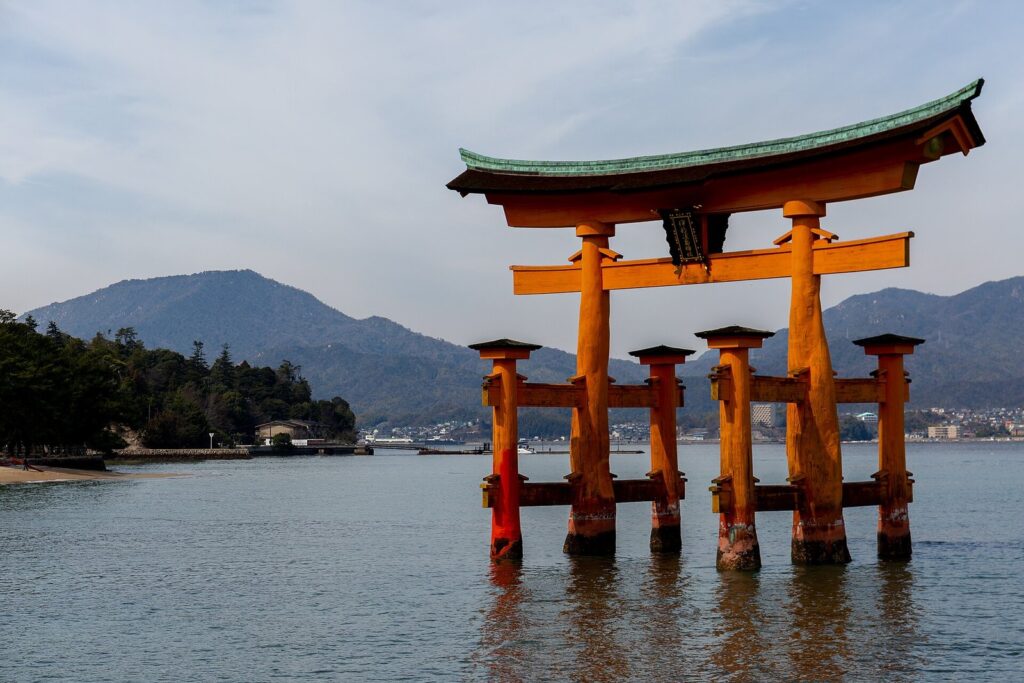
Kanazawa and Takayama are closer, but for a first trip, Hiroshima and Miyajima offer something Tokyo, Hakone and Kyoto don’t: modern history that’s still legible in the city today, plus one of the country’s most photographed views, the floating torii gate. Our full Hiroshima and Miyajima Guide for First-Timers covers the city in depth; what follows is how to fit it into a bigger loop without wrecking the pace.
Day 1: Land, get connected, do nothing ambitious
Most long-haul flights land in the afternoon, so you won’t be settled before early evening. Sort your data connection before leaving the airport — see Best eSIM for Japan — and get an IC card; Suica vs PASMO vs Welcome Suica explains which one you need. Landing at Haneda, the Keikyu line or Monorail into central Tokyo runs ¥500–650 (see Haneda Airport to Tokyo for the full comparison against Narita). Plan for exactly one thing today: dinner near the hotel, then sleep.
Day 2: Old Tokyo
Senso-ji in Asakusa before 8am, while the approach street is still empty. Then Ueno Park and one museum, Akihabara in the afternoon, and either quiet Yanaka or busy Shibuya to close out the day. Where to Stay in Tokyo is worth reading before you book — which side of the city you sleep on matters more here than in most cities this size.
Day 3: New Tokyo, and the one thing to pre-book
Meiji Jingu in the morning, then Harajuku, Omotesando and Shinjuku. Skip the paid observation towers; the free deck at the Tokyo Metropolitan Government Building does the same job. Reserve the evening for teamLab — it sells out days ahead. How to Get teamLab and Ghibli Museum Tickets Before They Sell Out covers the timing, and notes that the Ghibli Museum is genuinely official-channel-only.
Day 4: Hakone and your first onsen
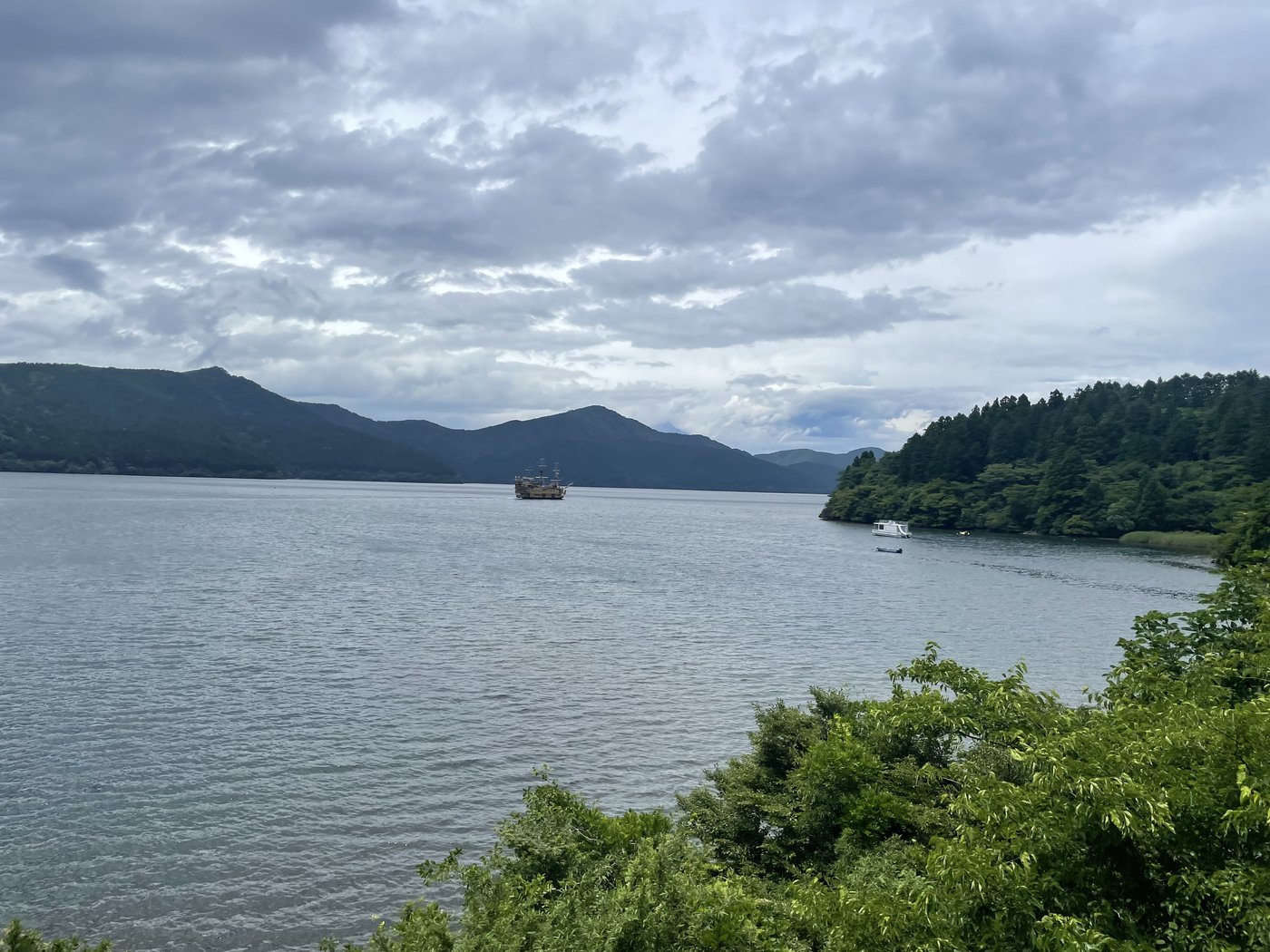
The Odakyu Romancecar from Shinjuku to Hakone-Yumoto takes about 85 minutes. The Hakone Freepass is ¥7,100 for two days from Shinjuku and covers the full loop — mountain train, cable car, ropeway and the pirate ship across Lake Ashi — with the Romancecar an extra ¥1,200 surcharge.
Do the loop clockwise and stop at the Hakone Open-Air Museum. On a clear day you’ll see Mt. Fuji across the lake; on a cloudy one, sulphur vents and black eggs, which is its own kind of good.
Stay in a ryokan with an onsen. Hotel vs Ryokan explains what the price difference actually buys you.
Day 5: Hakone to Kyoto
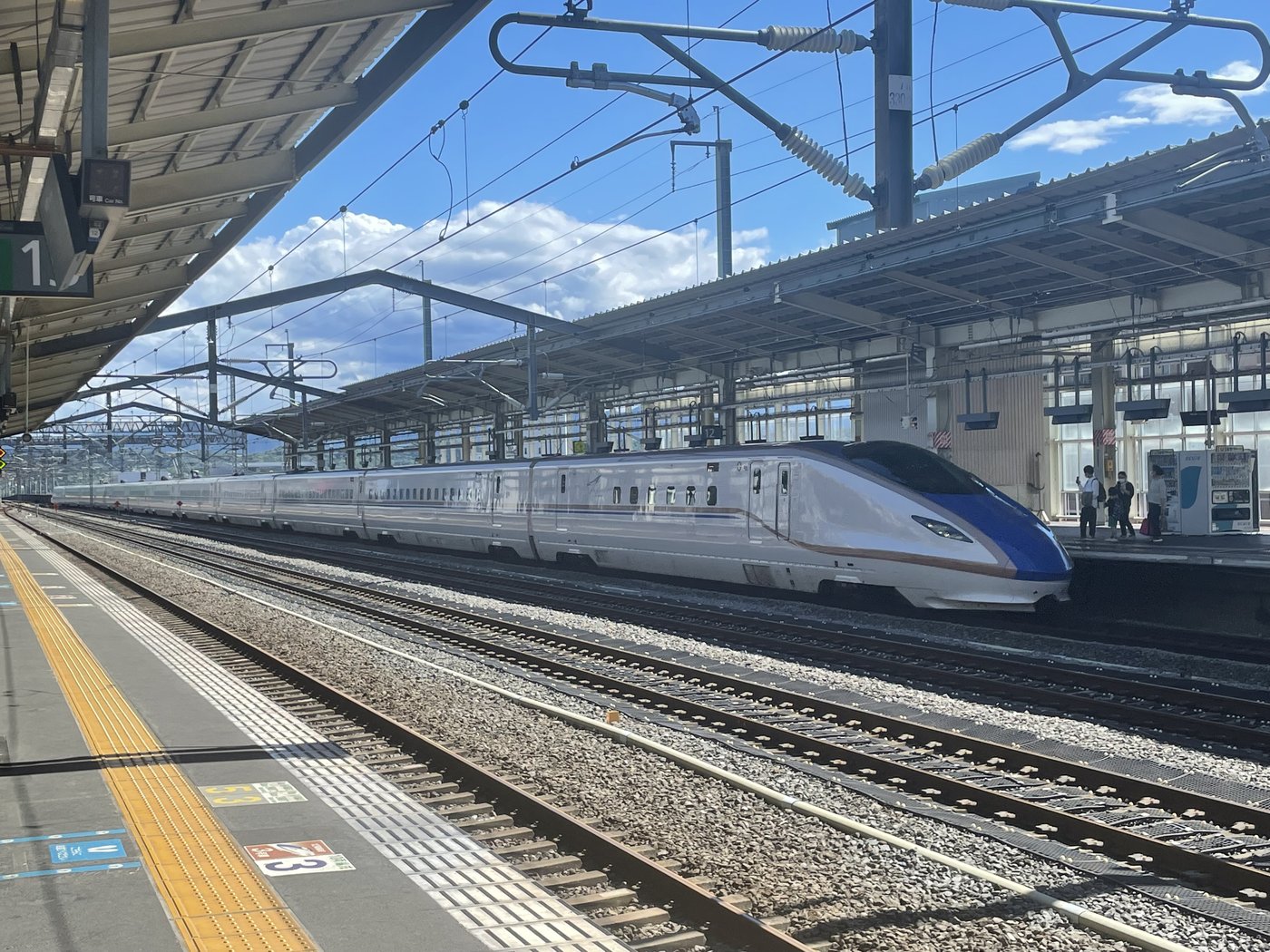
Come down to Odawara and take the Tokaido Shinkansen west — about 2 hours 20 minutes on a Hikari, roughly ¥12,000 for a reserved seat. One 2026 note: during Golden Week, Obon and the September holidays, every Nozomi seat is reserved and the free-seating cars vanish, so book ahead if your dates land there.
Arrive mid-afternoon, drop your bags, and spend the evening walking Gion and the Higashiyama lanes as the lanterns come on. Kyoto’s accommodation tax rose sharply on 1 March 2026 — now ¥200–¥10,000 per person per night depending on room rate, typically ¥400 for a mid-range hotel.
Day 6: Kyoto, properly
Fushimi Inari at sunrise. Free, open 24 hours, and at 6:30am the tunnel of gates is close to empty; by 10am it’s a queue. Then Arashiyama — the bamboo grove first, the Tenryu-ji garden second, which is the better of the two and half as crowded. Use trains over Kyoto’s slow, packed buses where you can.
Day 7: Nara, unhurried
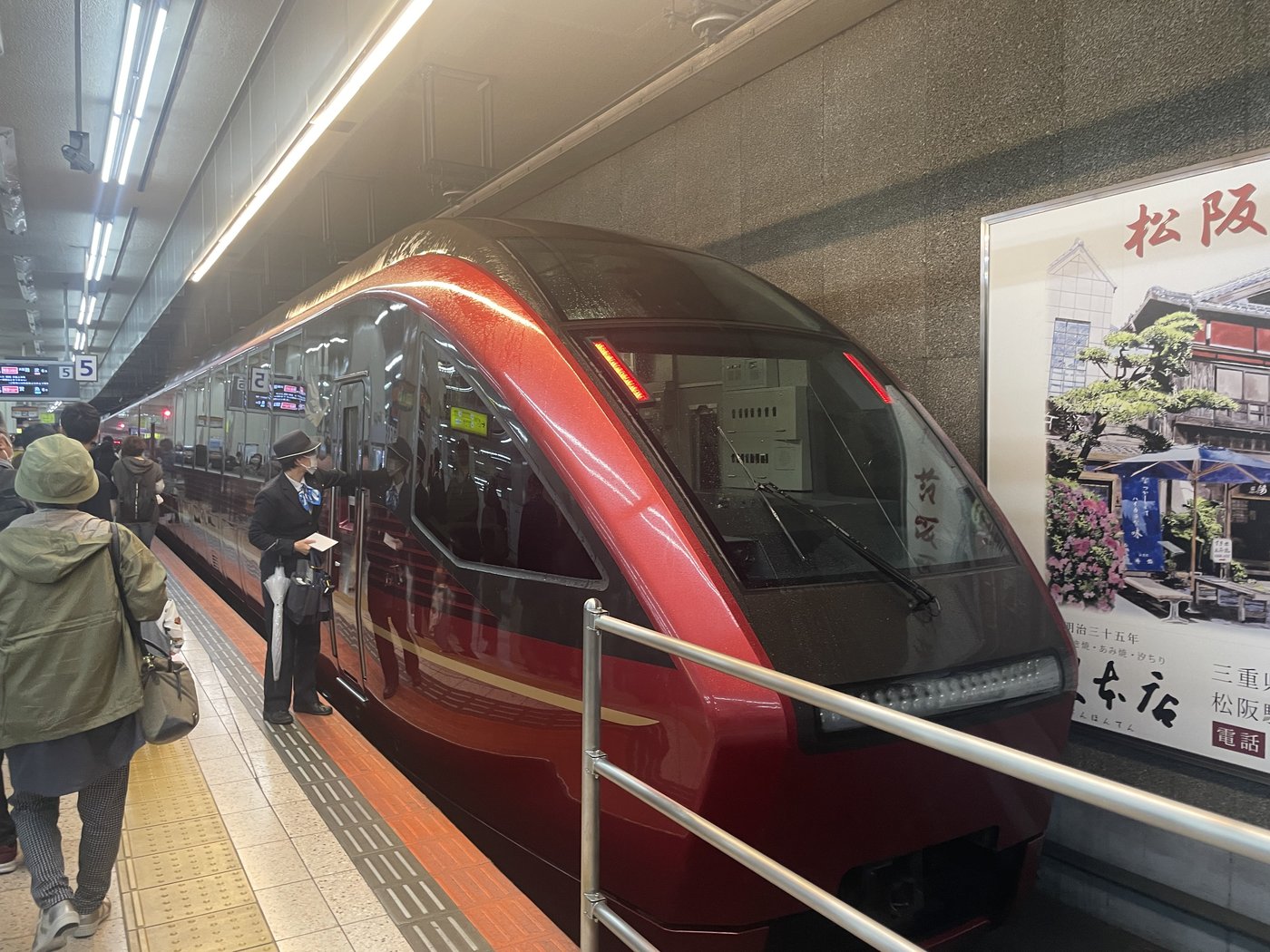
This is the day the seven-day version of this trip has to skip, and it’s a real loss to skip it. Kintetsu from Kyoto to Nara runs ¥760 local, or ¥1,280 with a reserved limited-express seat.
Spend the morning with Todai-ji’s Great Buddha and the deer of Nara Park, then wander Nara-machi‘s old merchant streets before an early dinner back in Kyoto. Our Nara Day Trip Guide has the full route if you want to add Kasuga Taisha.
Day 8: Kyoto to Hiroshima, and Miyajima at golden hour
A direct Nozomi covers Kyoto to Hiroshima in around 95 minutes, non-reserved fares from about ¥10,800. Drop your bag in Hiroshima, then head straight for Miyajima: the JR ferry from Miyajimaguchi is ¥180 one way plus a ¥100 island visitor fee, about 10 minutes each way. Time it for late afternoon — the floating torii of Itsukushima Shrine at high tide is the postcard shot, and the island empties out once the day-trippers leave.
👉 Klook Hiroshima Miyajima tour
Day 9: Peace Memorial Park, then on to Osaka
Spend the morning at the Hiroshima Peace Memorial Park and Museum — not a comfortable few hours, but one of the more important ones on this trip. By early afternoon, take the Shinkansen back east to Osaka — around 80–90 minutes on a Nozomi or Sakura. Settle in and spend the evening in Dotonbori with something fried on a stick. Where to Stay in Osaka covers which side of the city puts you closest to Kansai Airport for your last morning.
Day 10: Osaka, then Kansai Airport
Osaka Castle in the morning, or Kuromon Ichiba Market for a slower, food-focused version of the same slot. Leave a real buffer before your flight — the Haruka limited express to Kansai Airport runs roughly ¥2,900–3,600 and takes 45–70 minutes depending on your starting station.
What this actually costs in 2026
Approximate per person, worth confirming before you book anything non-refundable.
| Item | Rough cost |
|---|---|
| Haneda to central Tokyo | ¥500–650 |
| Tokyo local transport, 4 days | ¥3,000–4,000 |
| Hakone Freepass + Romancecar | ¥8,300 |
| Odawara to Kyoto Shinkansen | ~¥12,000 |
| Kyoto local transport, 3 days | ¥2,000–3,000 |
| Kyoto–Nara return (Kintetsu) | ¥1,520 |
| Kyoto–Hiroshima return (Shinkansen) | ~¥21,600 |
| Miyajima ferry + visitor fee | ~¥280 |
| Hiroshima–Osaka Shinkansen | ~¥10,000 |
| Osaka to Kansai Airport (Haruka) | ¥2,900–3,600 |
| Transport total | ≈ ¥62,000–68,000 |
This is roughly where a rail pass finally gets competitive. The 14-day Japan Rail Pass (commonly called the JR Pass) is ¥80,000 through the official site, rising to ¥84,000 through overseas agencies from 1 October 2026 — still more than the point-to-point total above, and it doesn’t cover the Nozomi services this route leans on for speed. It becomes the better buy once you add a fourth region, such as Kanazawa or a loop up to Hokkaido, inside the same two weeks. Japan Rail Pass 2026: Is It Still Worth It? runs the fuller comparison.
Mistakes I watch first-timers make on this version
Trying to day-trip Hiroshima from Kyoto without staying over is technically possible but turns Miyajima into a rush and the Peace Park into an afterthought — one Hiroshima night fixes both. Book Kyoto and Hiroshima accommodation early; both sell out before Tokyo does, especially in April and late November. And don’t overpack — umbrellas, clothing and power banks are all easy to buy here if you forget them, which is why our Japan Packing List is deliberately short.
FAQ
Is 10 days enough to add Hiroshima to the golden route? Yes, comfortably, if you follow the one-night-in-Hiroshima structure above rather than trying it as a day trip.
Can I skip Nara and add a second Kyoto day instead? You can, but Nara’s deer and Todai-ji are hard to replace, and the Kintetsu ride is short enough that it barely costs you time.
When should I avoid these dates? Golden Week (late April–early May), Obon (mid-August) and New Year, when domestic travel peaks and both trains and hotels fill up.
The verdict
Tokyo three nights, Hakone one, Kyoto two, Hiroshima one, Osaka two, flying home from Kansai. Buy point-to-point tickets rather than a rail pass unless you’re stretching into a fourth region, and don’t let Nara or the Hiroshima overnight get cut when the trip starts to feel long — they’re what makes this different from the one-week version, not just longer.
Written from Japan by the Wayfarer Japan team. Prices and times are approximate and change — confirm before booking.