Ask most visitors what a ninja looked like and you’ll get the same answer: black pajamas, a sword on the back, throwing stars flashing through the night. I live in Japan, and I’ll admit that image took a permanent hold on me too, long before I ever set foot here. The real story is stranger and, honestly, more interesting than the costume. Ninja were farmers, mercenaries, spies and saboteurs who operated in the messy, violent gap of Japan’s civil wars, and most of what we “know” about them was invented centuries later, largely for entertainment. Understanding the gap between the legend and the record makes visiting places like Iga, Koga or a ninja museum in Tokyo a lot more rewarding than just posing for a photo in a costume.
The quick answer
- Ninja (also called shinobi) were covert agents active mainly during Japan’s Sengoku period (1467-1615), used for espionage, sabotage, arson and assassination rather than open combat.
- The two most famous ninja strongholds were Iga and Koga, neighboring regions in what’s now Mie and Shiga prefectures, southeast of Kyoto.
- Iga and Koga weren’t rival enemies as pop culture often suggests; historical accounts describe them cooperating on shared missions.
- The all-black ninja suit, throwing stars and most “secret techniques” are largely Edo-period and 20th-century inventions, not documented battlefield gear.
- Ninjutsu declined as Japan unified under the Tokugawa shogunate and centuries of peace removed the need for professional spies.
- You can visit real ninja heritage sites today, especially the Iga-ryu Ninja Museum in Mie Prefecture, built next to Iga Ueno Castle.
Who were the ninja, really
The word “ninja” is a fairly modern reading of characters that were historically pronounced shinobi-no-mono, roughly “one who moves unseen.” They weren’t a formal military class like the samurai, and they weren’t a secret society with a rulebook, either. Shinobi were typically farmers and low-ranking warriors from Iga and Koga, two rugged, mountainous provinces that were difficult to invade and hard to control from the outside. Because arable land was scarce and the terrain kept large armies out, local families developed a different kind of value: information, access and the ability to disappear.
During the Sengoku period, Japan had no central authority strong enough to keep the peace. Regional lords, or daimyo, fought constantly for territory, and warfare in that era wasn’t just about pitched battles. It was about intelligence: knowing an enemy’s troop movements, supply lines and castle layout before a single soldier crossed the field. That’s the gap shinobi filled. They were hired as scouts, infiltrators, arsonists and occasionally assassins, valued specifically because they weren’t bound by the samurai code of open, honorable combat. A samurai fought face to face for reputation. A shinobi’s entire job was to not be seen at all.
Iga in particular developed what historians sometimes call a “ninja republic”: a loose confederation of local families and minor lords who governed the province cooperatively rather than answering to a single powerful daimyo. That decentralized structure bred self-reliance and a deep suspicion of outside authority, which is part of why Iga and neighboring Koga became associated with this kind of clandestine work in the first place. The two regions are often framed as rivals in movies and games, but the historical record tells a more practical story. Accounts connected to the Koka Ninja House describe Iga and Koga operatives cooperating on shared missions, including one of the most famous episodes in shinobi lore: guiding Tokugawa Ieyasu, the future shogun, to safety through their territory after the 1582 Honnoji Incident, when his ally Oda Nobunaga was betrayed and killed. If that account is accurate, ninja from both regions may have quite literally helped determine who ended up ruling Japan.
What actually happened to the ninja
Shinobi didn’t survive as a profession because the conditions that created them didn’t last. In 1581, the warlord Oda Nobunaga launched a brutal campaign against Iga, crushing much of the province’s independence in what’s remembered as the Tensho Iga War. Survivors scattered, and some of that expertise reportedly found its way into the service of the Tokugawa shogunate, which prized former shinobi as guards and intelligence gatherers even after unification.
Once Tokugawa Ieyasu consolidated power around 1600 and ushered in over two centuries of relative peace, demand for wartime espionage specialists collapsed. Some descendants of ninja families were absorbed into official roles: guarding Edo Castle, patrolling borders, gathering low-level intelligence for the shogunate. But the freelance, wartime version of the shinobi had no job left to do. By the mid-Edo period, ninjutsu had shifted from an active military discipline into a preserved tradition, written down in scrolls and romanticized in woodblock prints, gradually detached from the people who had actually practiced it.
Where the modern image came from
Almost everything people picture when they hear “ninja”—the skintight black suit, the metal throwing stars known as shuriken, the superhuman wall-scaling and invisibility—comes from a much later period than the Sengoku wars. Kabuki theater in the Edo period needed a visual shorthand for “stagehand who isn’t really there,” and stagehands already wore black to blend into the background of the stage. That convention bled into how ninja characters were dressed in popular theater and prints, which is very likely where the all-black outfit comes from, rather than any documented battlefield uniform. Actual shinobi, working as spies and infiltrators, would have dressed to blend into ordinary rural life, not to stand out in black head to toe.
The 20th century did the rest. Postwar novels, and later manga, anime and Hollywood films, took the loose historical record and filled in the gaps with mysticism: hand signs, supernatural abilities and secret clans locked in eternal rivalry. It’s a great story, just not really history. The genuine skill set behind ninjutsu was closer to what modern readers would call tradecraft: disguise, lock-picking, explosives, poison knowledge, map-reading and psychological manipulation, documented in surviving scrolls like the Bansenshukai, compiled in Iga in the 1670s.
Visiting real ninja history
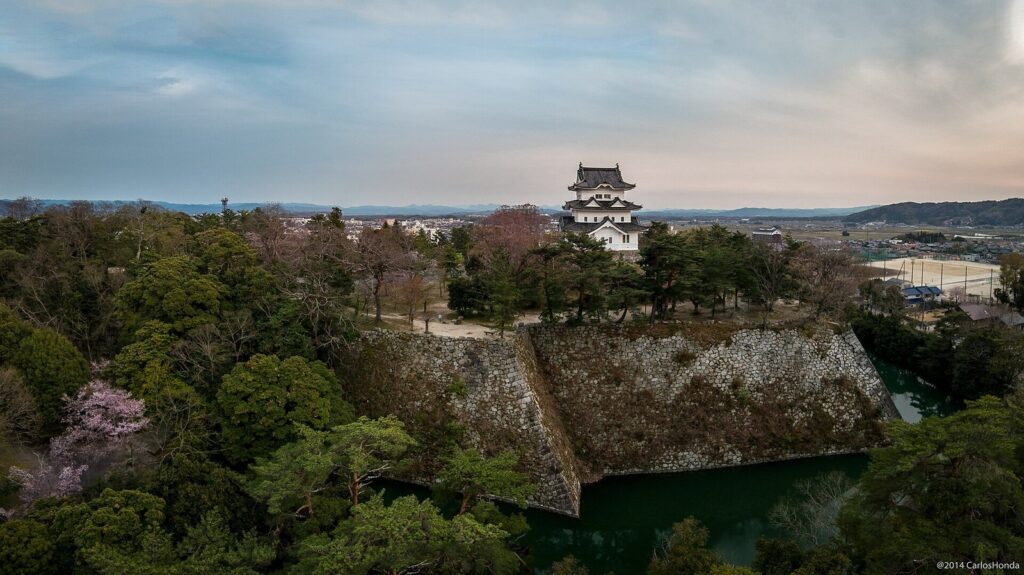
If the topic has you curious, the most authentic starting point is the Iga-ryu Ninja Museum, built next to the reconstructed Iga Ueno Castle in Mie Prefecture, about 90 minutes from Osaka or Kyoto by train. It holds one of the largest collections of genuine ninja tools and documents anywhere, alongside a relocated Edo-period farmhouse fitted with the kind of hidden doors and trap floors that shinobi families are believed to have used to protect themselves and their information. I’ve walked through that house myself, and it’s a strange feeling watching a wall panel slide away to reveal a compartment built for a real, practical reason rather than a movie set.
Koga, just across the mountains in Shiga Prefecture, has its own smaller museums with a similar focus, and pairs well with a longer trip through Kansai beyond the usual stops in most Kyoto travel guides. Tokyo also has casual, hands-on ninja experience venues aimed at visitors, which are fun but worth approaching with the right expectations: they’re recreation inspired by the legend, not history lessons. For the real material, Iga and Koga are still where the story actually happened.
FAQ
Were ninja and samurai enemies? Not inherently. They served different, sometimes overlapping functions for the same lords. Samurai were the formal warrior class bound by codes of open combat, similar to what you’ll find in our guide to samurai and bushido, while shinobi operated covertly, often for the same daimyo who employed samurai retainers.
Did ninja really wear all black? Almost certainly not as standard battlefield dress. The image comes largely from Edo-period kabuki theater conventions rather than documented Sengoku-era equipment. Real infiltrators would have dressed to blend into their surroundings, which usually meant looking like ordinary villagers, not stagehands.
Is Iga still a ninja town today? Iga leans into its heritage heavily for visitors, with the Ninja Museum, related festivals and themed shops, but it’s also a quiet, ordinary regional city the rest of the time. It’s a genuinely interesting day trip if you want history rather than costume photos.
Are ninja connected to Japan’s other folklore, like yokai? Loosely, in the popular imagination. Ninja were real historical operatives, unlike the spirits and monsters covered in our guide to yokai, but Edo-period storytellers sometimes blurred the two, giving shinobi almost supernatural abilities in fiction the same way they did with folklore creatures.
The verdict
Ninja were real, but the version most people carry around in their heads is largely fiction layered onto a genuine, fairly narrow slice of Sengoku-era history. Strip away the black suit and the throwing stars and you’re left with something arguably more compelling: families in a poor, mountainous corner of Japan who turned isolation and self-reliance into a valuable, dangerous trade during one of the most chaotic periods in the country’s history. If you want to understand where the legend actually came from, skip the costume rental and go stand in the hidden room of a real Edo-period farmhouse in Iga instead.
Written from Japan by the Wayfarer Japan team, residents who cover the country’s culture and history alongside practical travel planning.
Featured image: “140412-1711 Ueno Park, Iga – panoramio” by carloshonda, CC BY 3.0, via Wikimedia Commons