I live in Japan, and one of the most common questions I get from visiting friends has nothing to do with trains or temples. It’s “how do you write my name in Japanese?” People want it for a tattoo, a gift, a journal page, or just to text home a photo of their name in kanji-looking script. The honest answer is a little more interesting than a simple translation, because your name isn’t translated into Japanese at all. It’s converted into sound.
The quick answer
- Foreign names are written in katakana (カタカナ), one of Japan’s three writing systems, not in kanji.
- Katakana spells names by how they sound, not by their letters, so “James” and “Jeims” would come out the same way.
- Long vowel sounds use a dash-like mark (ー), and doubled or “clipped” consonants use a small っ.
- You can get a rough conversion for free with a chart or app, or turn it into a souvenir with a self-service stamp machine (around ¥500–2,500) or a guided calligraphy/hanko-making experience (roughly $16–55) at a shop in Tokyo.
- Skip services that claim to “translate” your name into kanji with hidden meanings — that’s a tourist trap, not how Japanese names work.
Why your name becomes katakana, not kanji
Japanese has three writing systems working together: kanji (the characters borrowed from Chinese, each carrying meaning), hiragana (a phonetic script for native Japanese grammar and words), and katakana (a phonetic script reserved mostly for foreign words and names). I wrote a full breakdown of how the three fit together in How Japanese Writing Works if you want the bigger picture.
Katakana exists specifically for this situation: a word or name from outside Japan that needs to be written down using Japanese sounds. So when a shop clerk, a hotel receptionist, or a calligrapher writes your name “in Japanese,” they’re not finding a Japanese word that means the same thing. They’re spelling out the closest approximation of how your name sounds out loud, using the roughly 46 basic katakana characters plus a handful of modified ones.
This is also why the same English name can end up slightly different depending on who writes it. “Lara” might become ララ (Rara) or ローラ-style variants depending on how the speaker hears the vowel length, because Japanese doesn’t distinguish “L” and “R” sounds the way English does — both get written with the same katakana row.
The basic rules, in plain terms
You don’t need to study Japanese to understand the logic:
1. Everything is broken into syllable-like blocks. Japanese sounds are built from consonant+vowel pairs (ka, ki, ku, ke, ko, and so on), so a name gets chopped into chunks that fit that pattern. “Mark” isn’t one block — it becomes something like マーク (Māku).
2. Long vowel sounds get a dash. If a vowel sound is held longer, katakana marks it with a ー rather than writing the vowel twice. That’s why “Sara” often becomes サラ (Sara) but a name with a drawn-out “ee” sound, like Kelly, becomes ケリー (Kerī), with the ー stretching the final sound.
3. A small っ holds a consonant for a beat. Names with a sharp double consonant or an abrupt stop, like “Jack,” use a small っ before the final sound: ジャック (Jakku). Without it, the word would sound softer and less accurate.
4. There’s no “L,” “V,” “TH,” or a few other English sounds. Japanese approximates them with the nearest available sound — “L” becomes an “R” row sound, “V” usually becomes a “B” row sound (though a modified katakana for “V” exists and is increasingly used), and “TH” becomes an “S” or “Z” row sound.
None of this is a judgment on your name — it’s just how a different sound inventory maps onto a new one. The same thing happens in reverse when Japanese words get written in English letters.
Where to actually get it written (and what it costs)
If you just want to see it, free name-in-katakana charts and conversion tools exist all over the internet and take a few seconds. But if you’re in Japan and want something more memorable, here are the real options, roughly cheapest to most involved:
| Option | What you get | Typical cost | Time |
|---|---|---|---|
| Free chart or app | Rough katakana spelling, no artistry | Free | Seconds |
| Self-service stamp machine (Tokyu Hands, Loft) | A personal hanko-style stamp with your katakana name | Approx. ¥500–2,500 | About 10 minutes |
| Guided calligraphy or hanko-making experience | A hand-carved or hand-painted name piece, with background on the craft | Roughly $16–55 per person | 30–90 minutes |
The self-service machines at stores like Tokyu Hands or Loft are the fastest way to walk away with a physical object: you type your name, the machine suggests a katakana spelling, and it engraves a small stamp (hanko) on the spot. It’s genuinely a fun, low-key souvenir and a good one to do with kids.
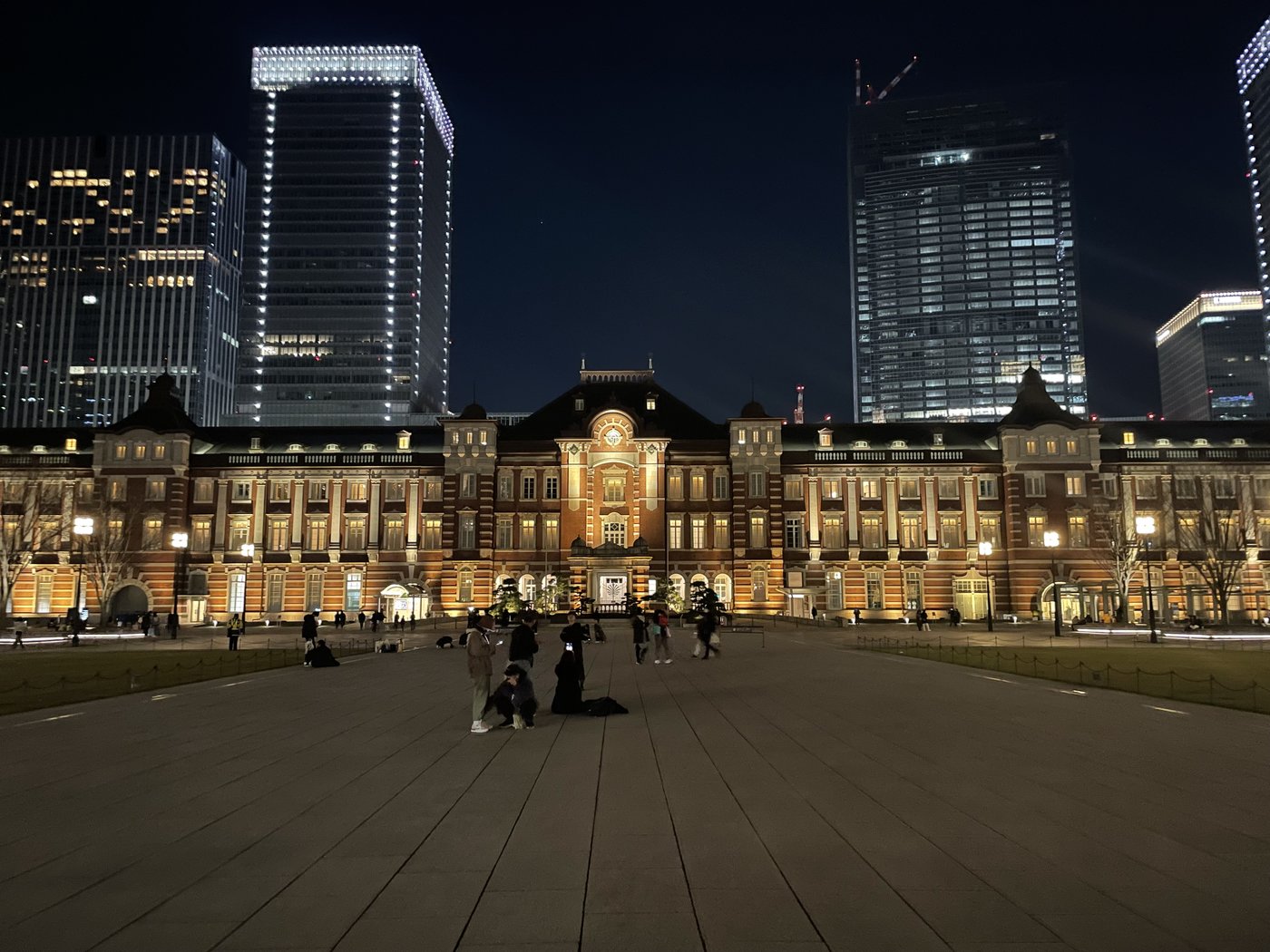
For something with more craft behind it, a handful of calligraphy studios and traditional seal shops — including a few near Tokyo Station and in neighborhoods like Roppongi and Asakusa — run short hands-on sessions where an instructor helps you choose and carve or paint your name. These usually run thirty minutes to an hour and a half, and prices are roughly in the $16 to $55 range per person depending on the shop and group size. As a resident, this isn’t something I’ve booked myself, but it’s the kind of small cultural activity that regularly gets good reviews from visitors precisely because it’s hands-on rather than passive. Availability and exact pricing change by shop and season, so treat these as approximate and worth confirming before you go.
One thing worth being direct about: you’ll also see services online offering to “translate your name into kanji” with a poetic meaning attached. Be skeptical of these. A real kanji version of a foreign name isn’t a translation — it would just be kanji characters chosen to approximately match the sound, with whatever meaning those particular characters happen to carry, which is usually irrelevant to the name itself. It can be a fun novelty if you know that going in, but it’s not how Japanese people write foreign names in everyday life. Katakana is the honest, standard answer.
FAQ
Does every name have an official katakana spelling? No. There’s no single authority that locks in one spelling per name. Common Western names have conventional spellings you’ll see repeated (like マイク for Mike or エミリー for Emily), but less common names get spelled out phonetically by whoever is writing them, and small variations are normal.
Will my name mean something in Japanese? Almost never on purpose. Katakana names are chosen for sound, not meaning, so your name in katakana typically doesn’t “mean” anything in Japanese any more than it means something in the original language’s alphabet.
Can I write my name in kanji instead of katakana? You can choose kanji that sound similar, and some people do this for tattoos or art, but it’s a stylistic choice, not a standard practice. If you go this route, have a Japanese speaker check it first — some kanji combinations read as odd or accidentally comic to native speakers.
Is this different from how Japanese people’s own names are written? Yes. Japanese people’s given and family names are written in kanji (sometimes hiragana), chosen by their parents for both sound and meaning. Katakana is specifically for words and names coming from outside Japan, which is why it’s the correct choice for a foreign visitor’s name.
The verdict
Seeing your name in Japanese is a small thing, but it’s one of the more personal souvenirs you can bring home from a trip. Skip anything promising a deep hidden meaning, and lean into what katakana actually is: a clever, simple system for writing the world’s sounds using Japan’s own script. Whether you get it from a free app or a hand-carved stamp near Tokyo Station, you’ll walk away with something that’s genuinely, accurately yours.
Written from Japan by the Wayfarer Japan team — real experience, checked facts, no filler.
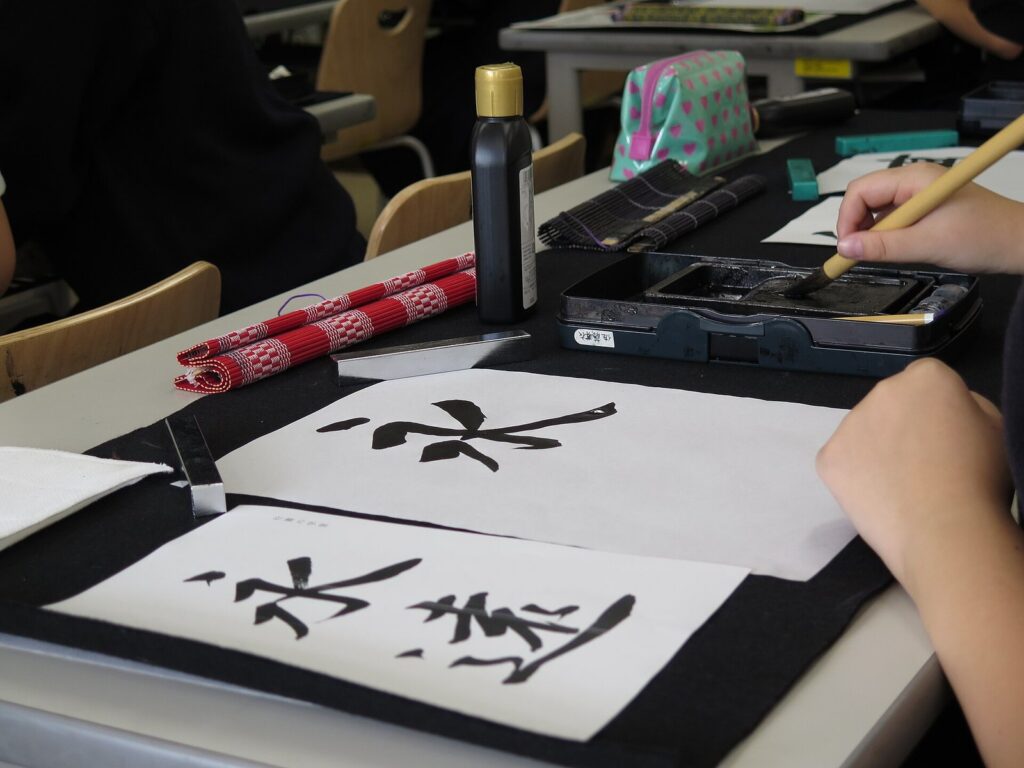
Featured image: “Japanese calligraphy in action 01” by Douglas Perkins, CC BY 4.0, via Wikimedia Commons